Travel Stories & Insights
Discover Egypt through the eyes of our travel experts. From ancient mysteries to modern luxury, explore stories that inspire and guide your perfect Egyptian adventure.
55 articles found

Nile Cruise Luxor to Aswan: What You See and When
Three temples, two cities and one decision about direction. What each day of the route actually holds, and the case for sailing downstream instead of up.
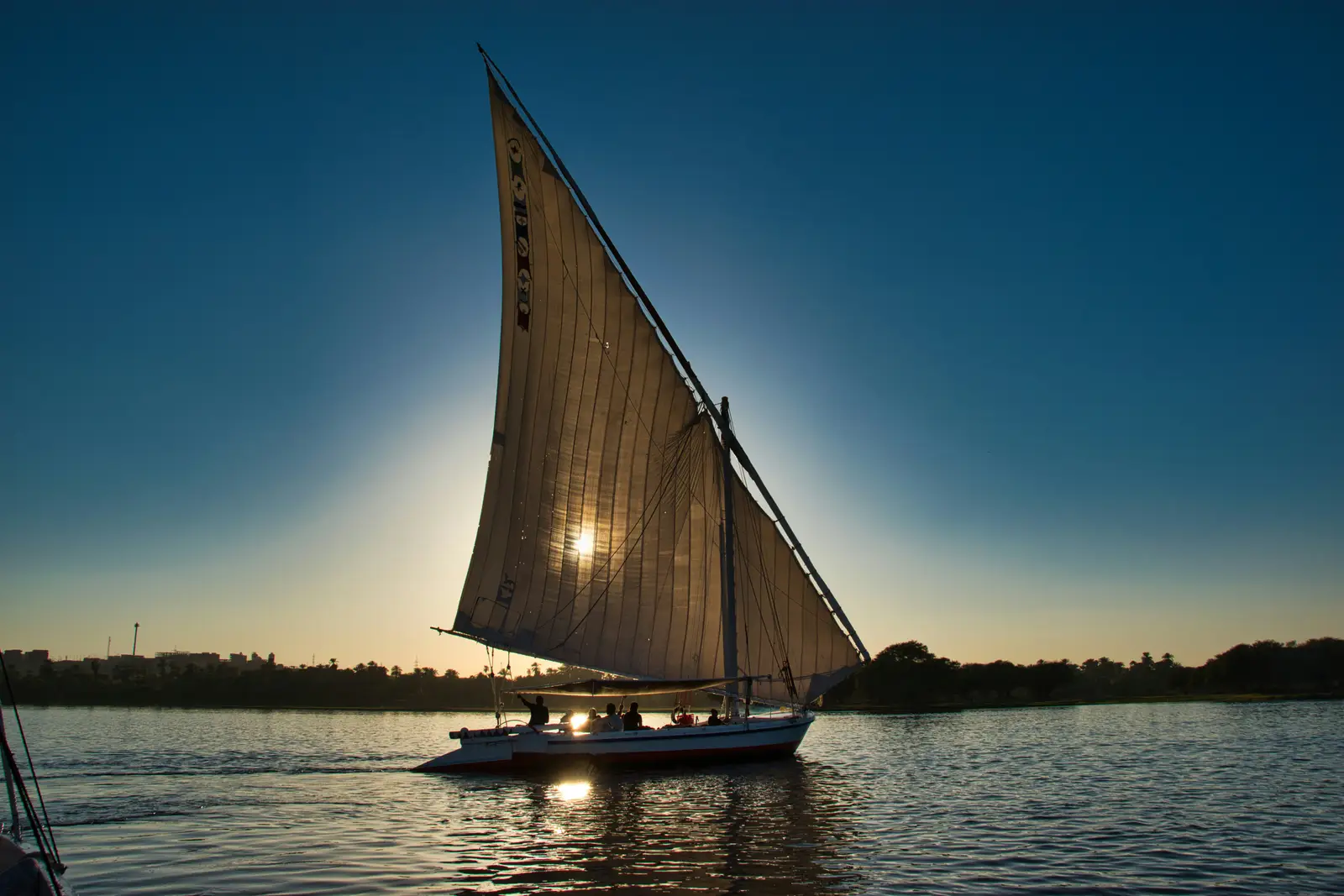
Dahabiya Nile Cruise: Choosing Your Boat
Twelve cabins at most, sails instead of engines, and moorings the big ships cannot reach. What separates the three categories, and the questions that decide it.
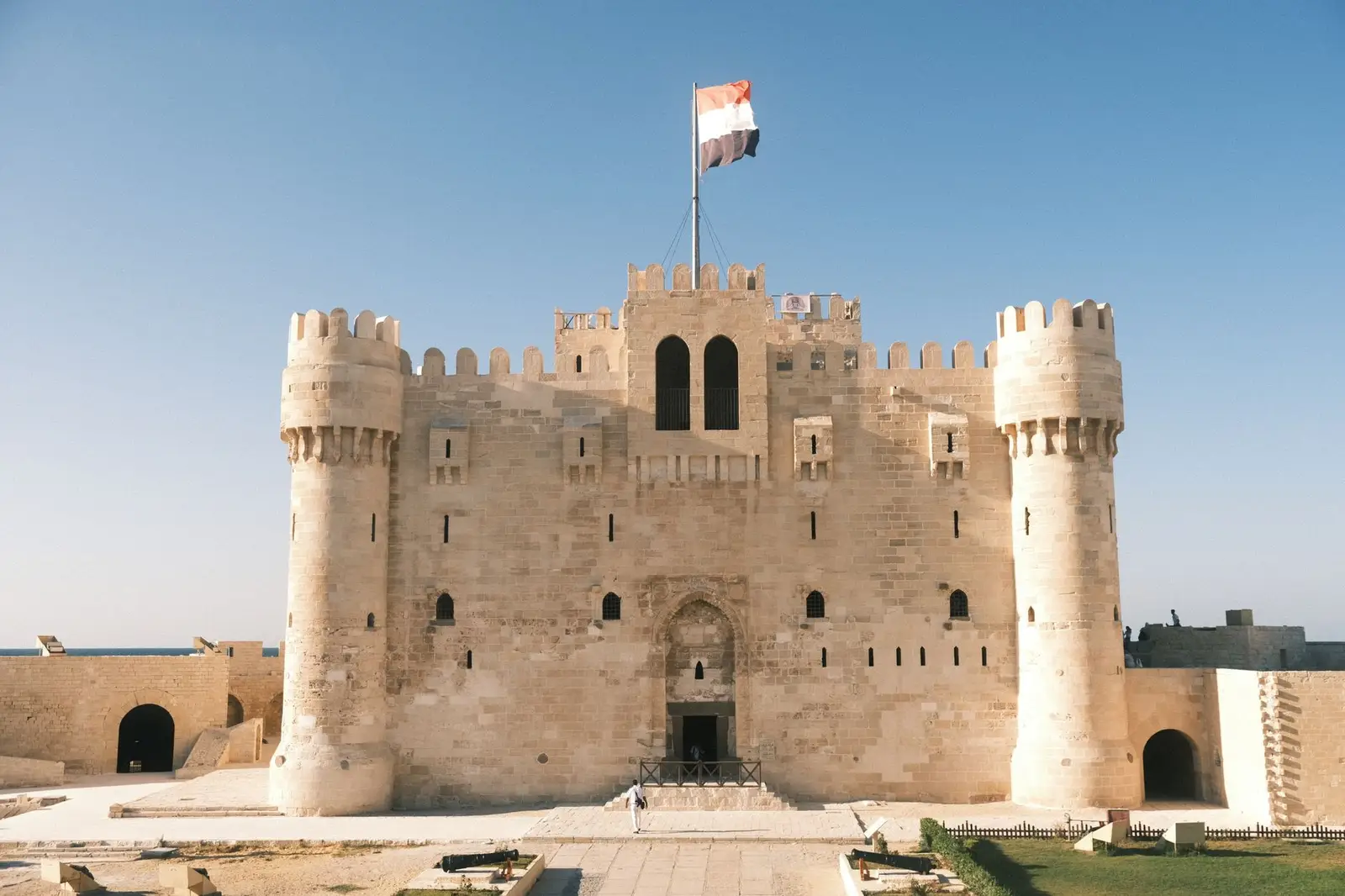
Alexandria Day Trip from Cairo: The Honest Logistics
Three hours each way leaves about six on the ground, which is enough for four sites if you choose them before you leave. Here is the version that works and the version that does not.
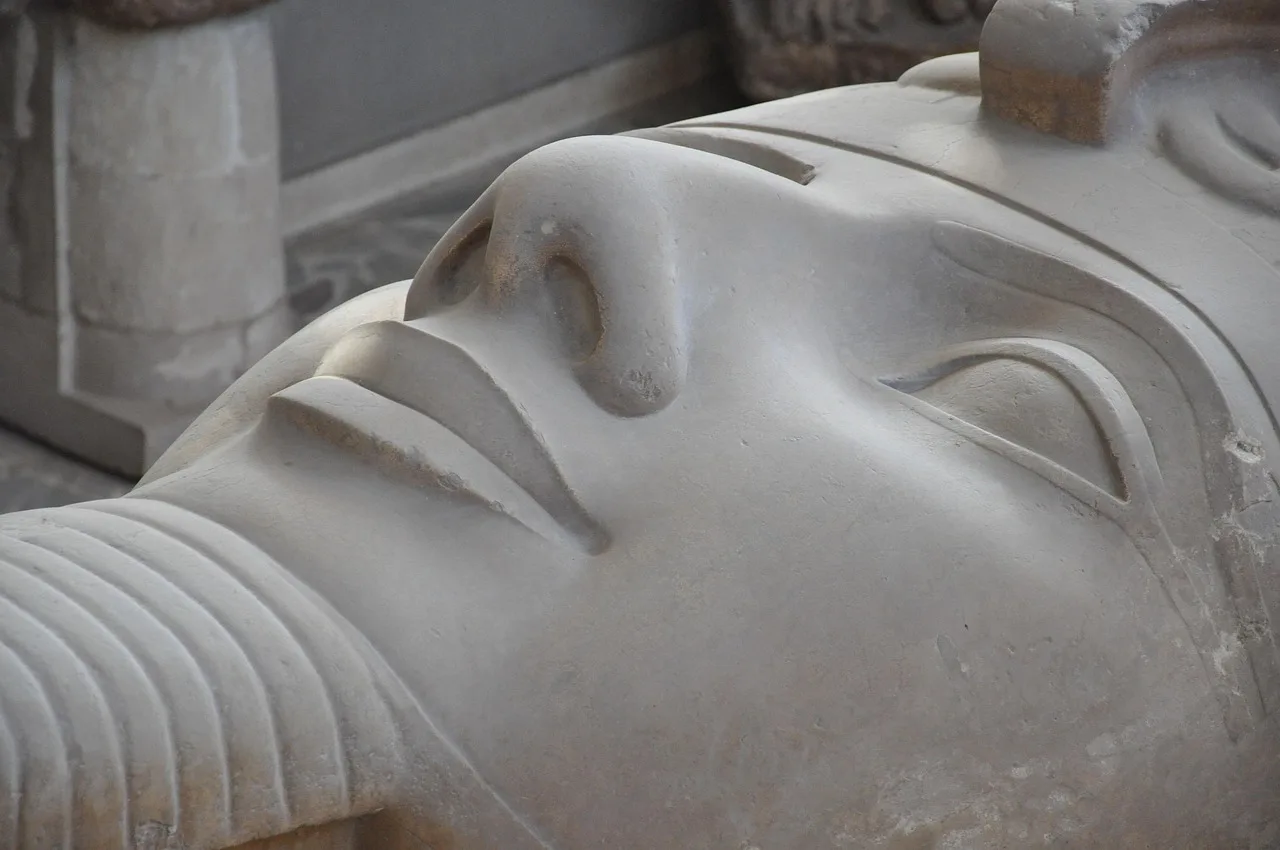
Open Air Museum Memphis Egypt: The Colossus on Its Back
Forty minutes, two extraordinary objects and a lot of broken stone in a garden. It is a short stop, and it makes far more sense of Saqqara than Saqqara does on its own.
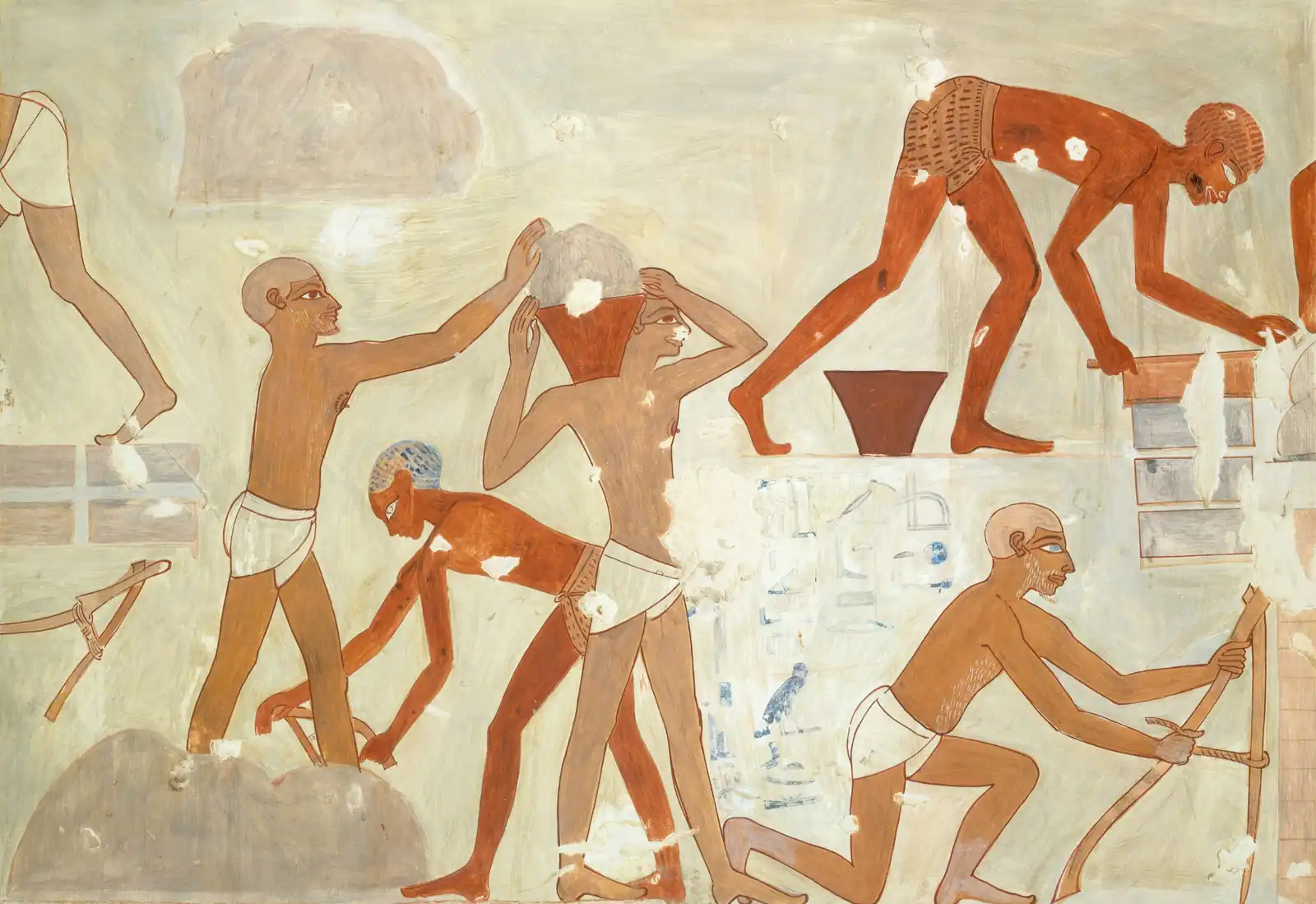
Tombs of the Nobles: Where Ancient Egypt Painted Daily Life
Kings got the underworld. Officials got the harvest, the banquet and the cattle count, which is why these small painted rooms tell you more about how Egypt worked.
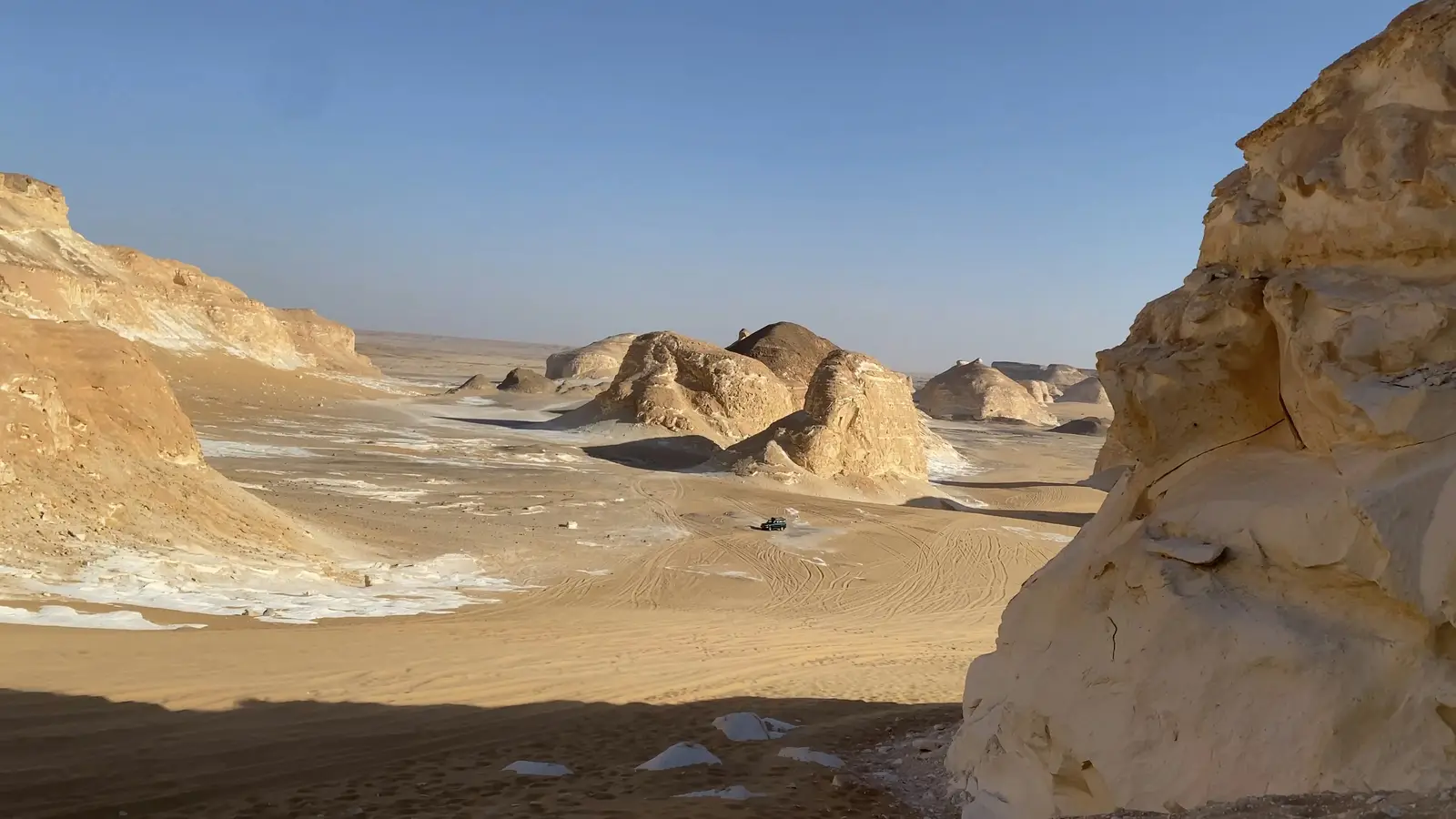
Black and White Desert Egypt: Two Deserts in One Drive
Two landscapes about an hour apart, and almost nobody sees one without the other. What the drive covers, what a night out there is actually like, and how cold it gets.
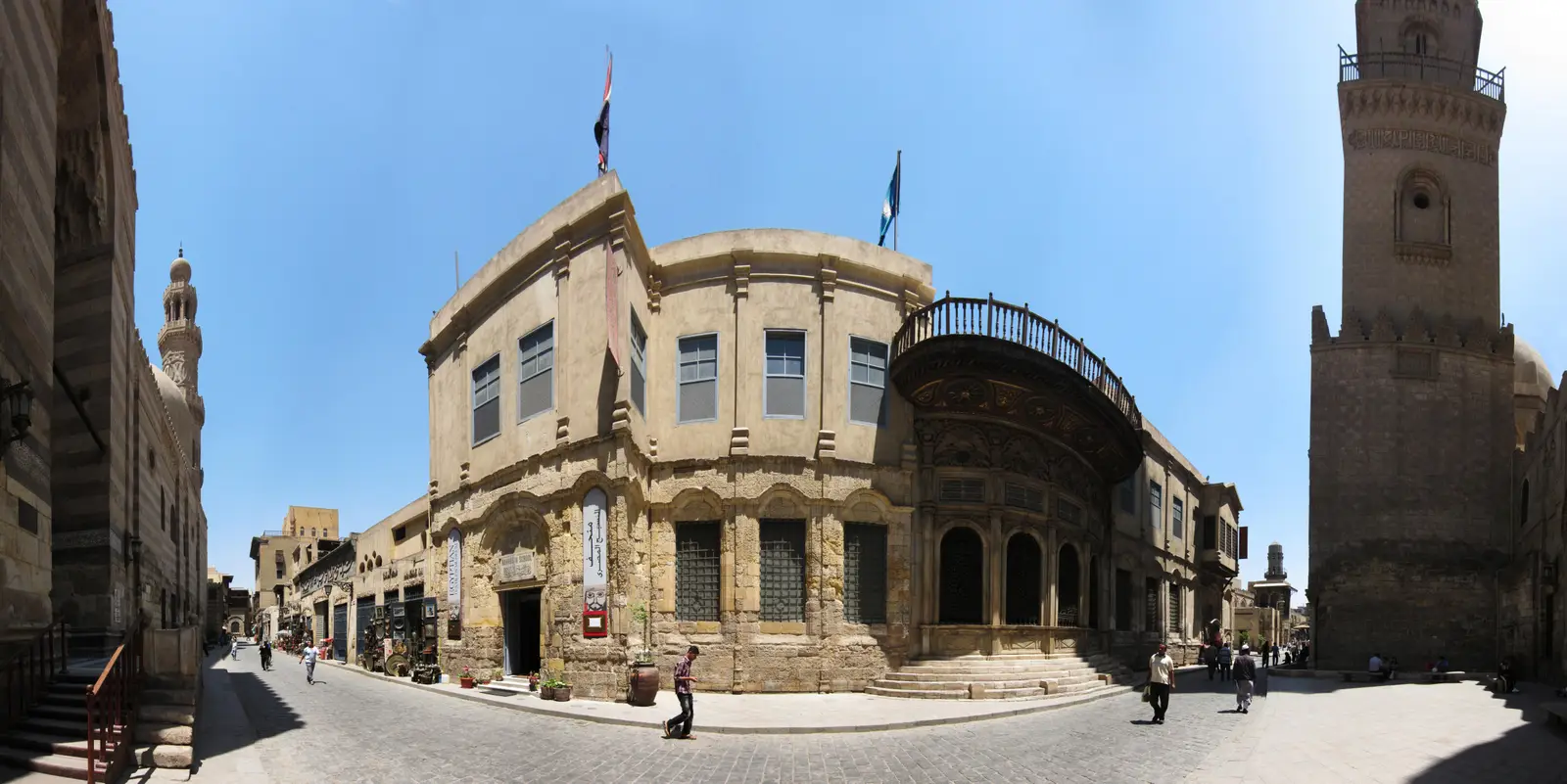
Islamic Cairo: Walking Al Muizz Street End to End
One street carries Fatimid gates, Mamluk facades and Ottoman houses in an unbroken line. Walking it end to end takes three hours and is the best thing to do in the city after dark.
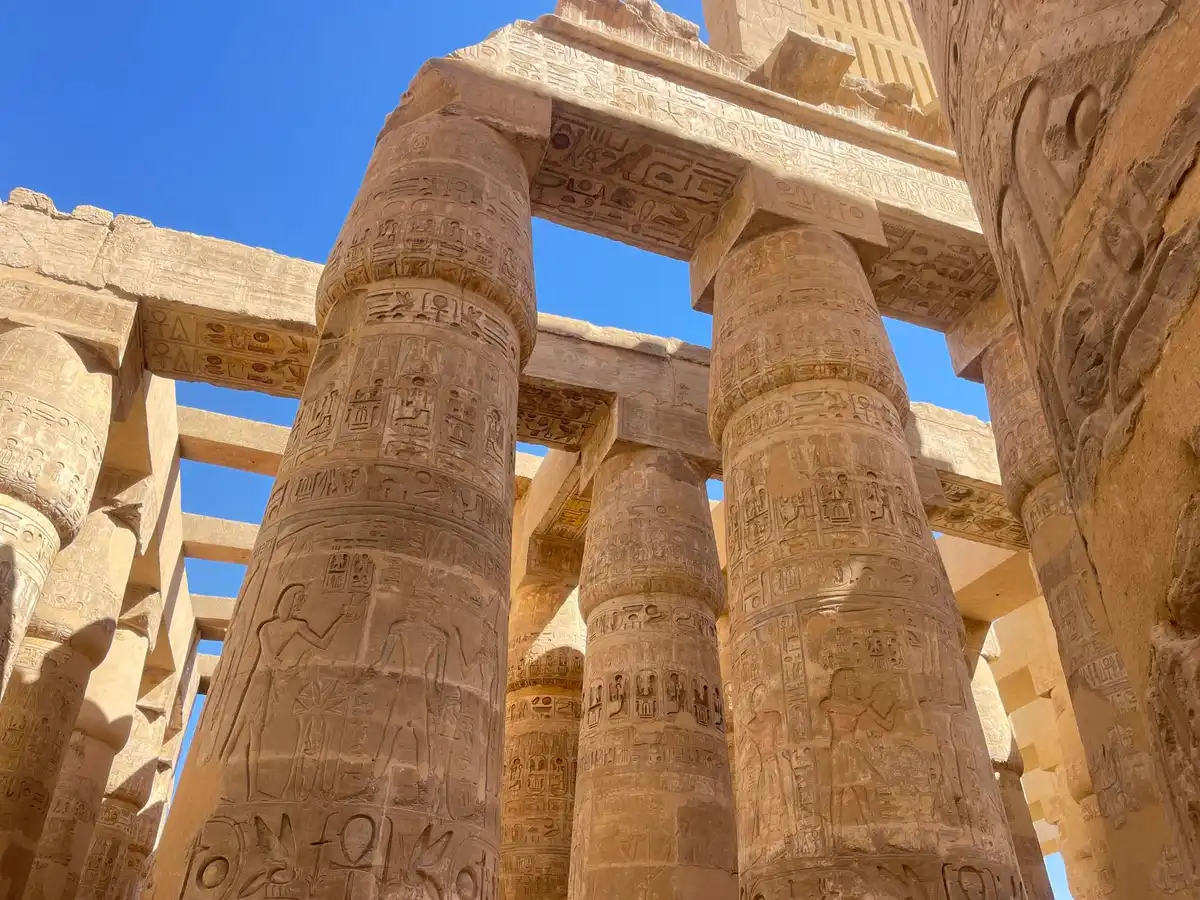
What to See in Luxor: Two Days, Two Banks
Luxor splits across two banks of the Nile, and the split is not just geography. It decides what you see in the morning and what you leave for the afternoon.
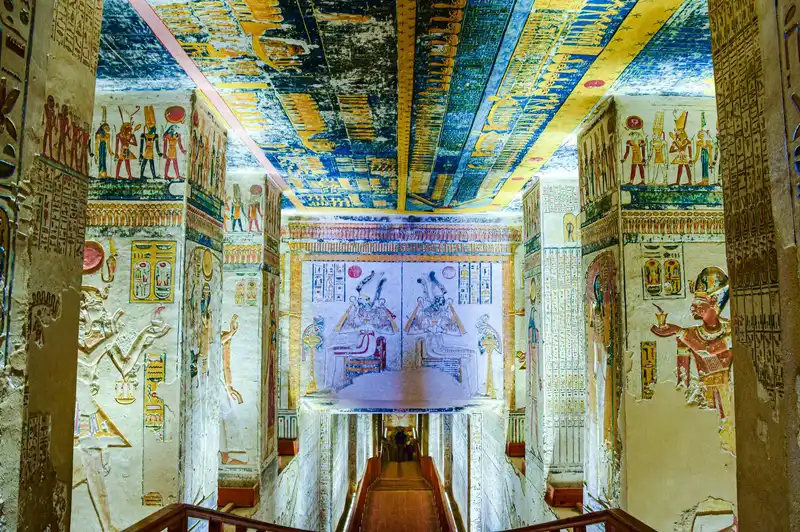
Tombs in the Valley of Kings: Which Three to Pick
The general ticket buys you three tombs out of about a dozen open on the day. Choosing badly is the most common mistake visitors make on the Luxor west bank.
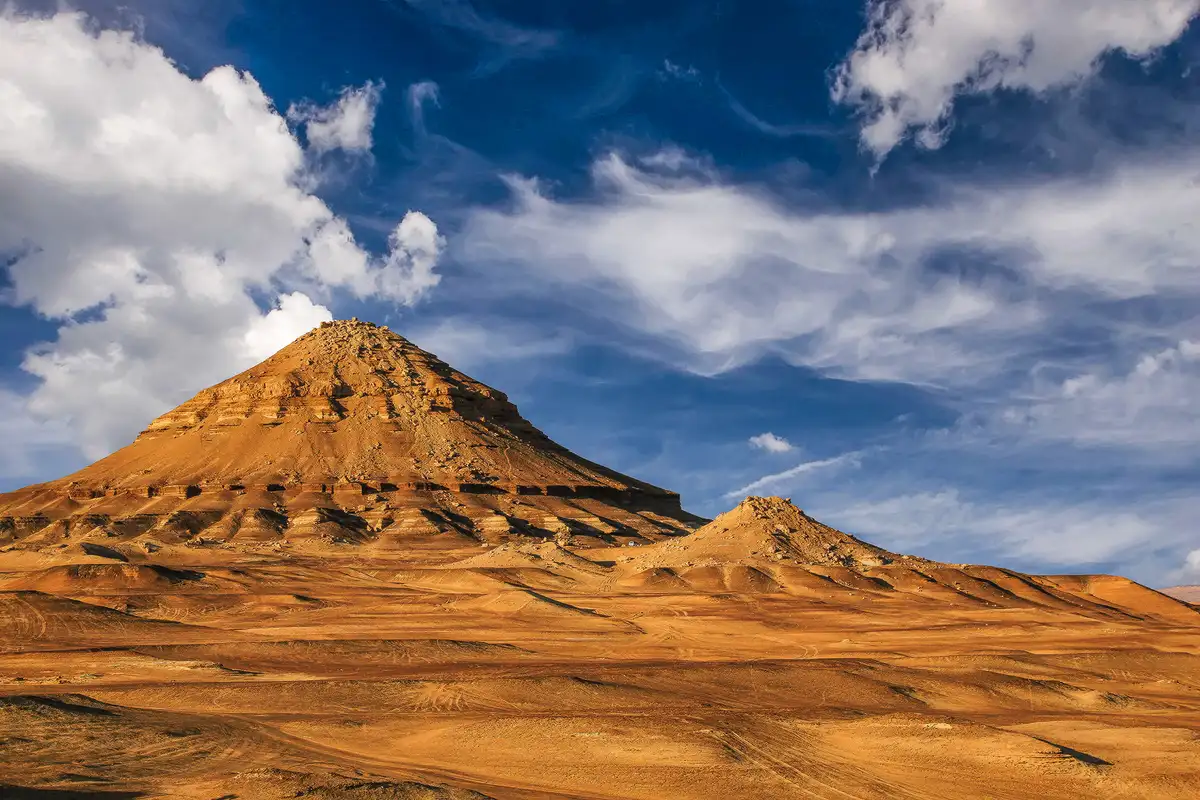
Bahariya Oasis Egypt: Springs, Golden Mummies and Black Hills
Four hours from Cairo there is a palm basin with hot springs, a cemetery full of gilded mummies and hills made of iron. Almost every visitor drives straight through it.
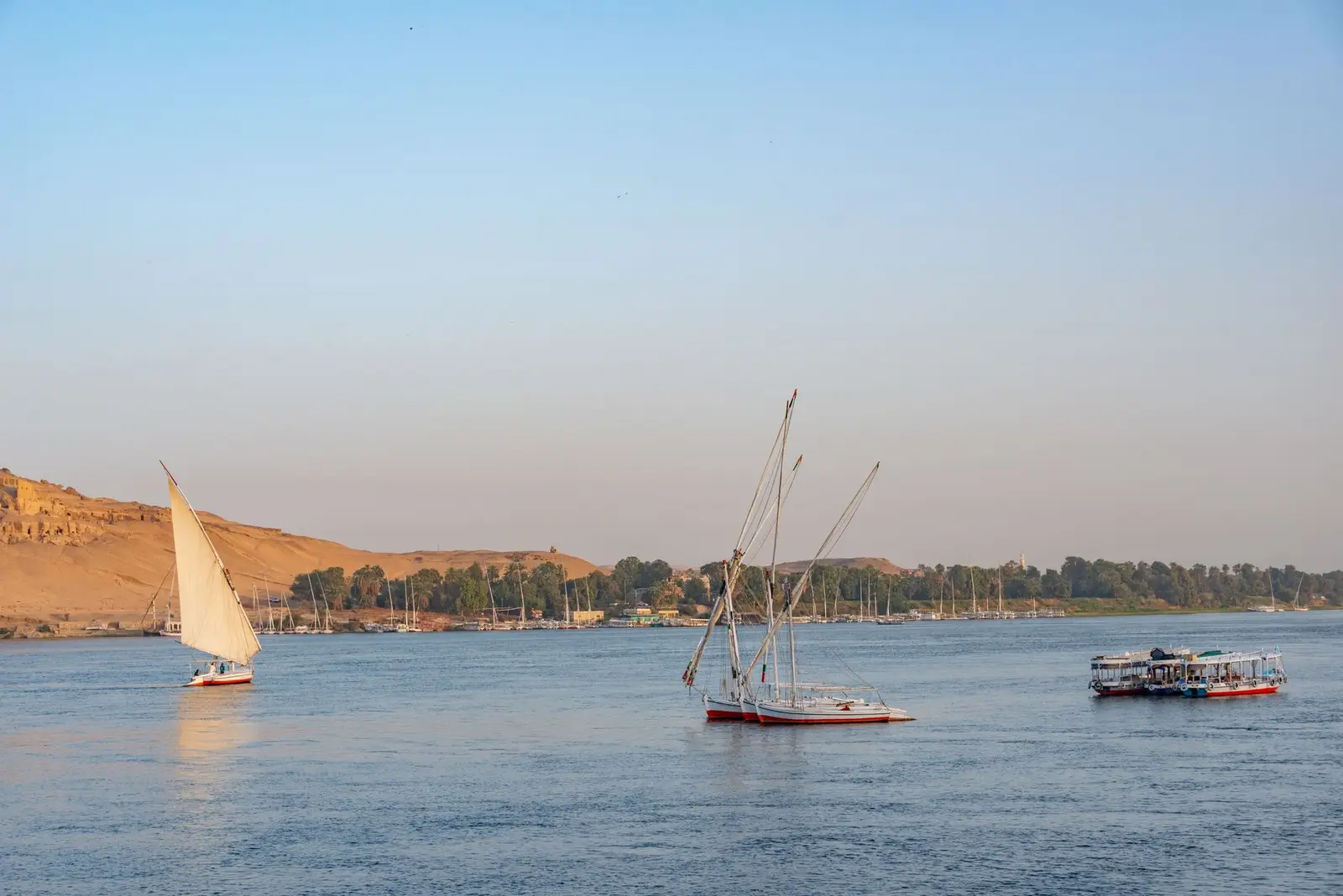
Things to Do in Aswan, in the Order That Actually Matters
Most lists here are organised by geography, which is why people spend a morning on a quarry and skip the river. This one is ordered by what you would be sorry to have missed.
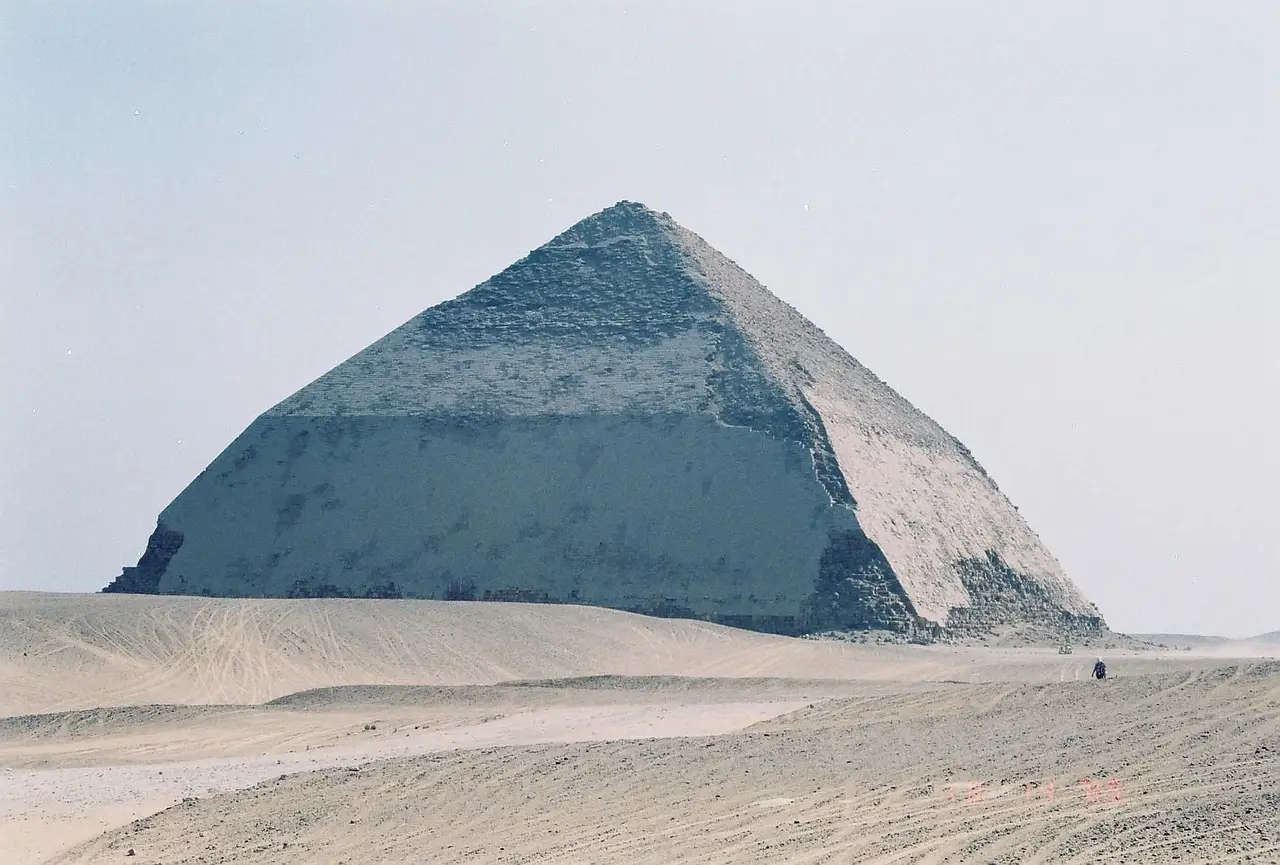
Dahshur Pyramids Egypt: Saqqara Without the Crowds
An hour south of Giza there are two pyramids you can walk inside, often with nobody else in them. The Bent Pyramid is the strangest building in Egypt.
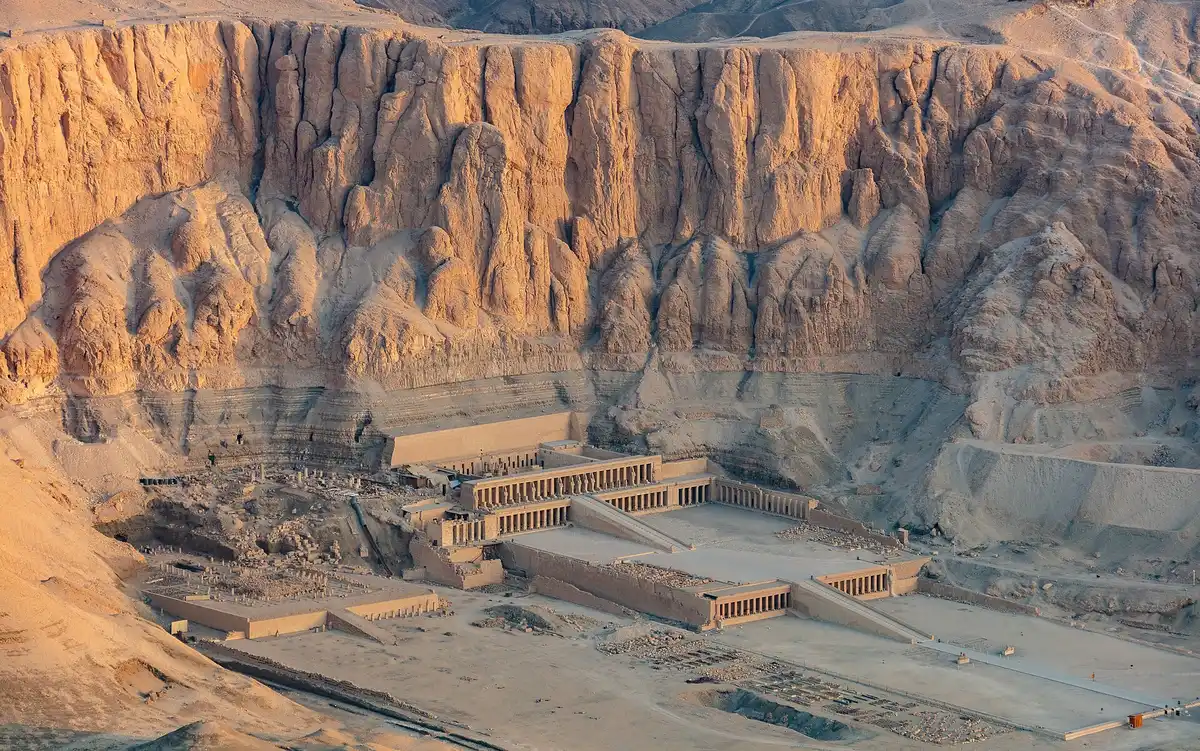
Egypt Weather in December: Temperatures by Region and How to Plan
December brings warm, dry days and cool nights to most of Egypt. Here is what the weather is like in each region, and how to plan a December journey around it.
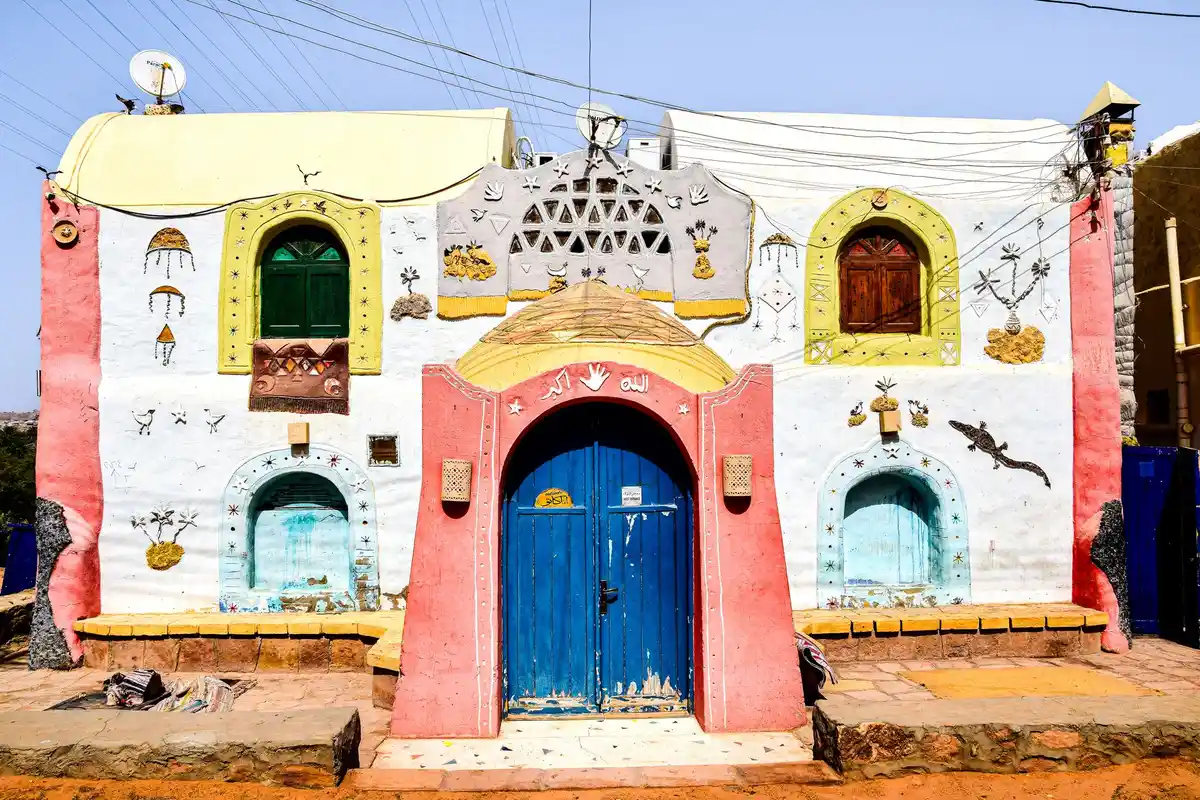
Nubian Village Aswan Egypt: What a Visit Is Really Like
This is not an archaeological site. It is a street where people live, and the difference changes how you should plan the visit and how you should behave once you are there.
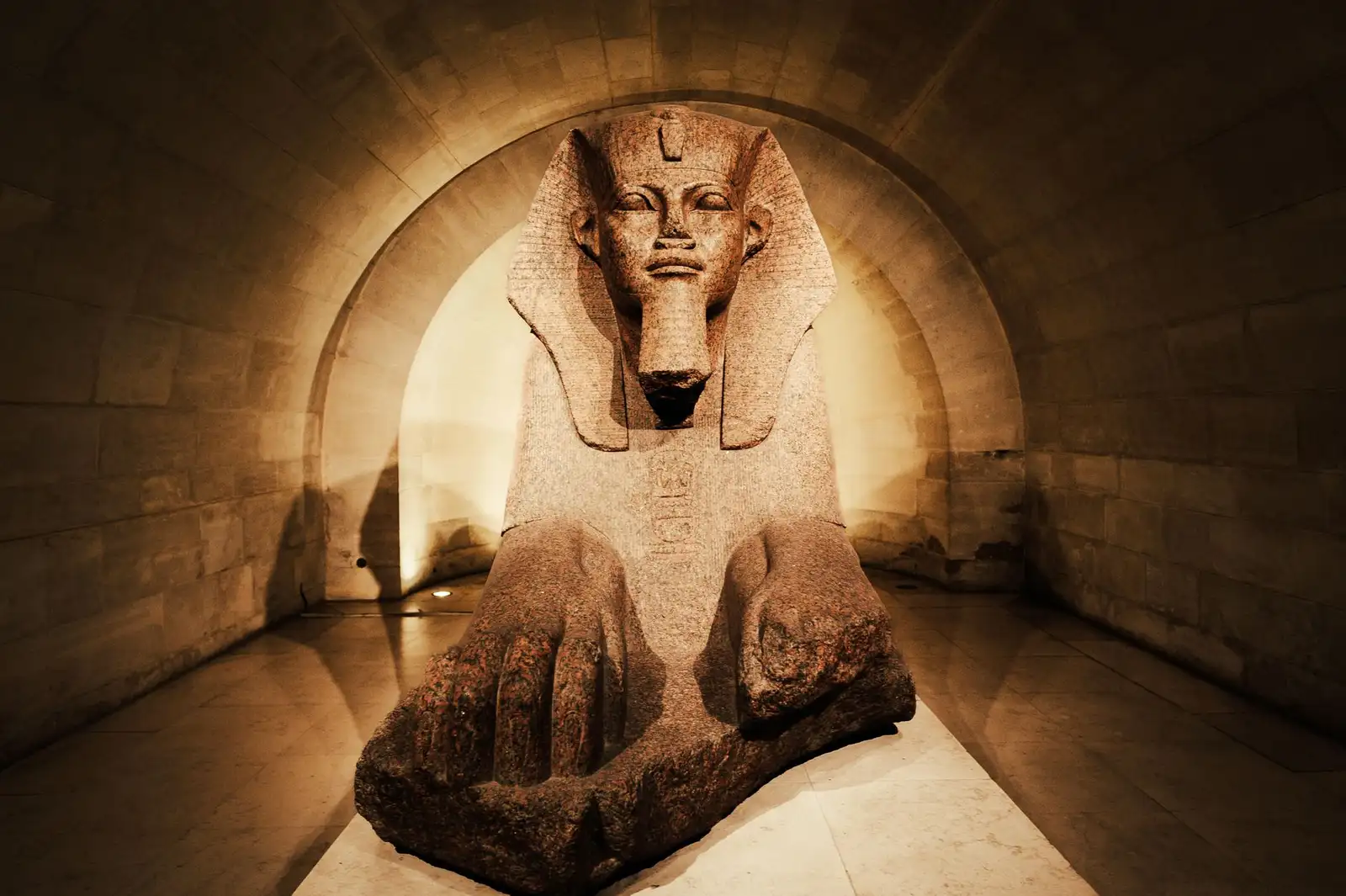
Grand Egyptian Museum Tour: A Visitor's Guide
Twelve galleries, a staircase built around royal statues, and the full Tutankhamun collection in one place. Here is how much of it you can realistically see in a morning.
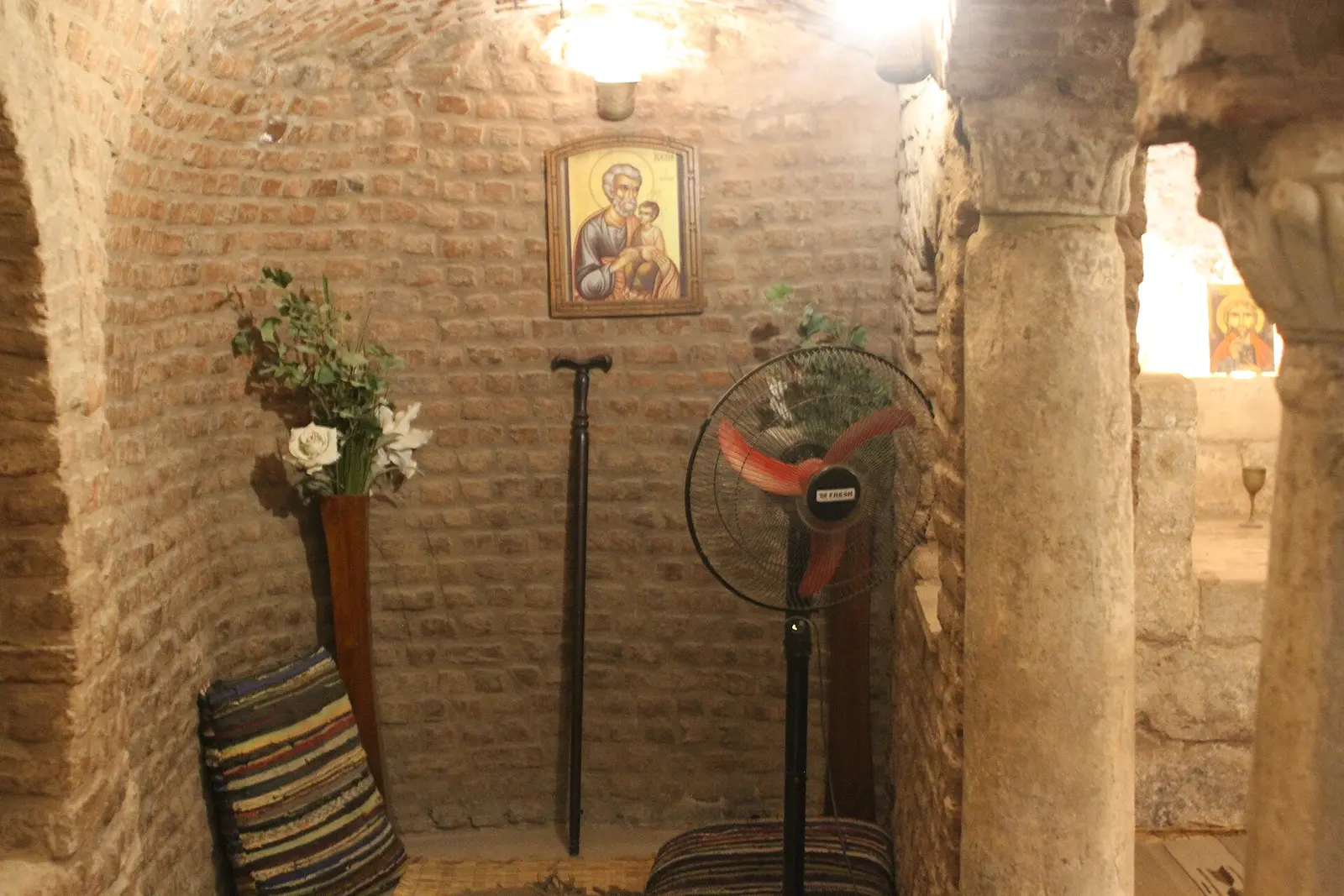
Coptic Christmas in Egypt: 7 January, the Long Fast and the Midnight Liturgy
Egypt's Copts keep Christmas on 7 January, after six weeks of fasting and a liturgy that runs deep into the night. Here is how the feast works and where to see it.
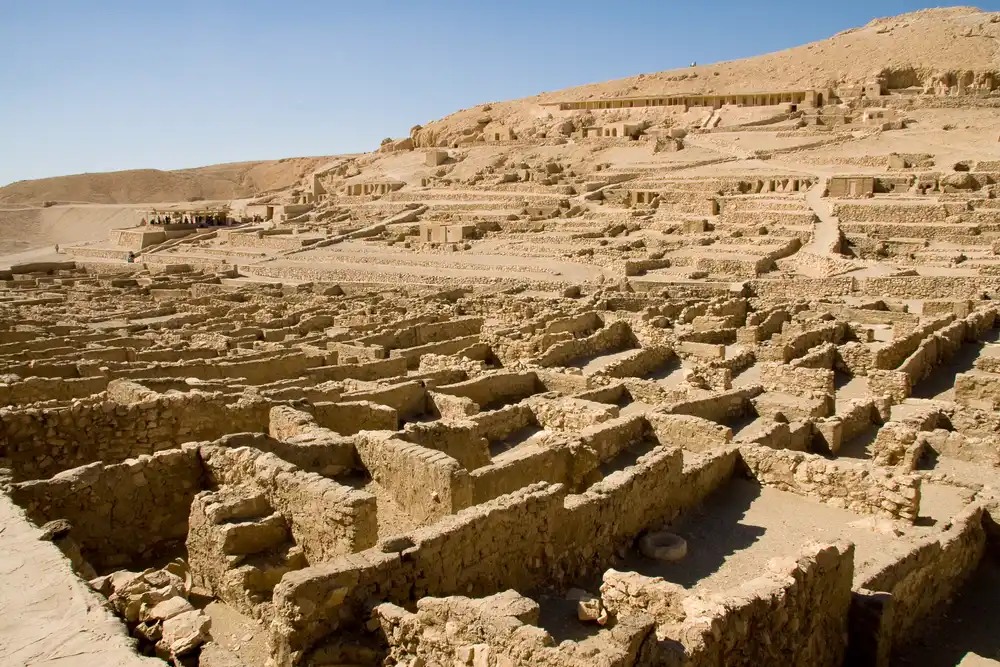
Deir el Medina: The Village That Built the Royal Tombs
They dug the kings into the rock, then went home to a street of small houses and wrote everything down. Absence registers, love poems, a strike. It is the most human site in Luxor.

Is Egypt Good for a Honeymoon? An Honest Answer
A honeymoon in egypt suits some couples and not others. Safety, the best months, how long to go, Nile cruise or Red Sea, and how much walking to expect.
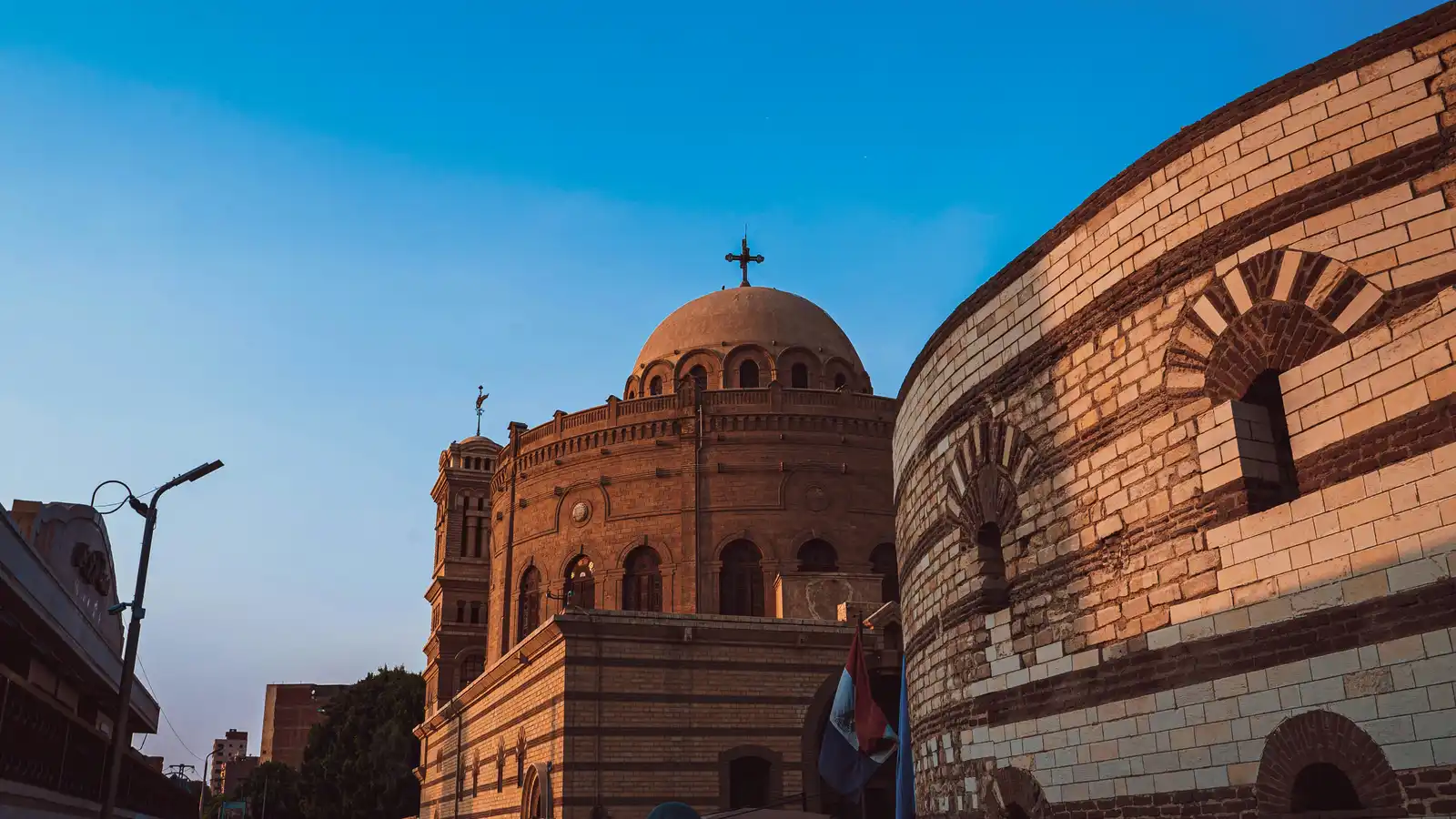
Coptic Cairo: Four Sites in One Walk, and How to Read Them
A church built on a Roman gate tower, a synagogue that held a thousand years of documents, and a museum most visitors walk past. All within about three hundred metres.
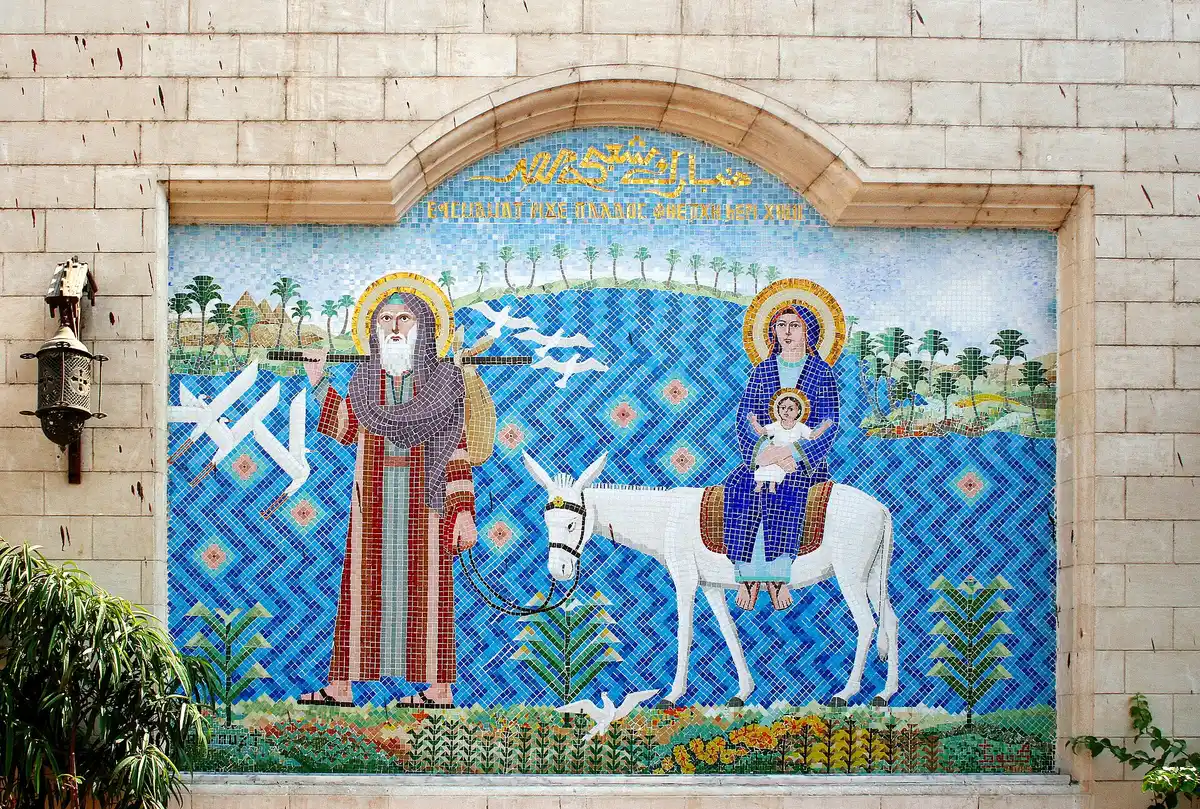
Christmas in Egypt: Two Christmases, One Festive Season
Egypt celebrates Christmas twice, and the weeks between the two are the finest of the winter. Here is how the season works and how to spend it well.
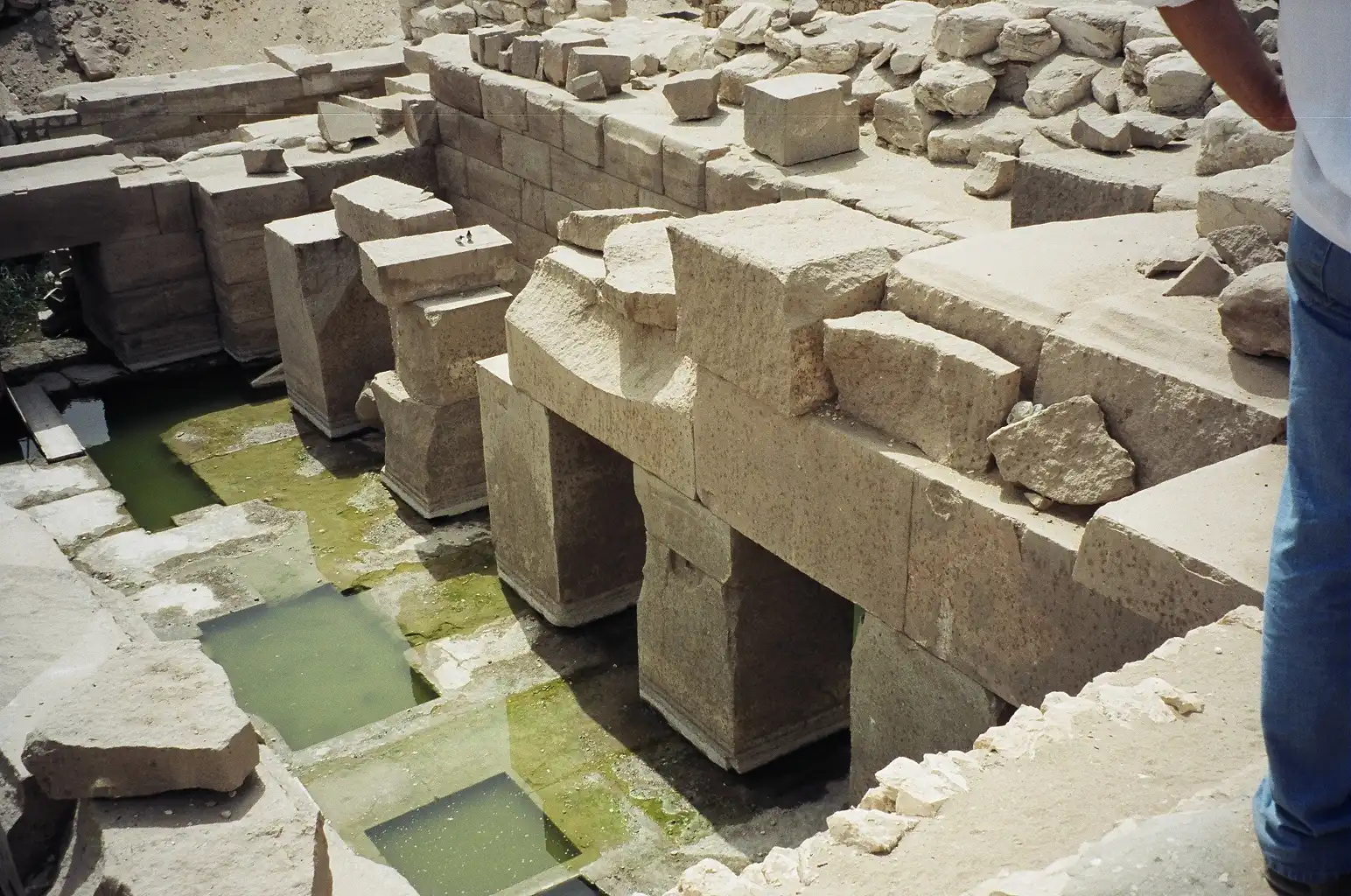
The Flower of Life Egypt Pattern at Abydos: What Is Known and What Is Not
The flower of life egypt pattern sits on a granite column at the Osireion in Abydos. What is on the stone, why its date is unresolved, and the explanations.
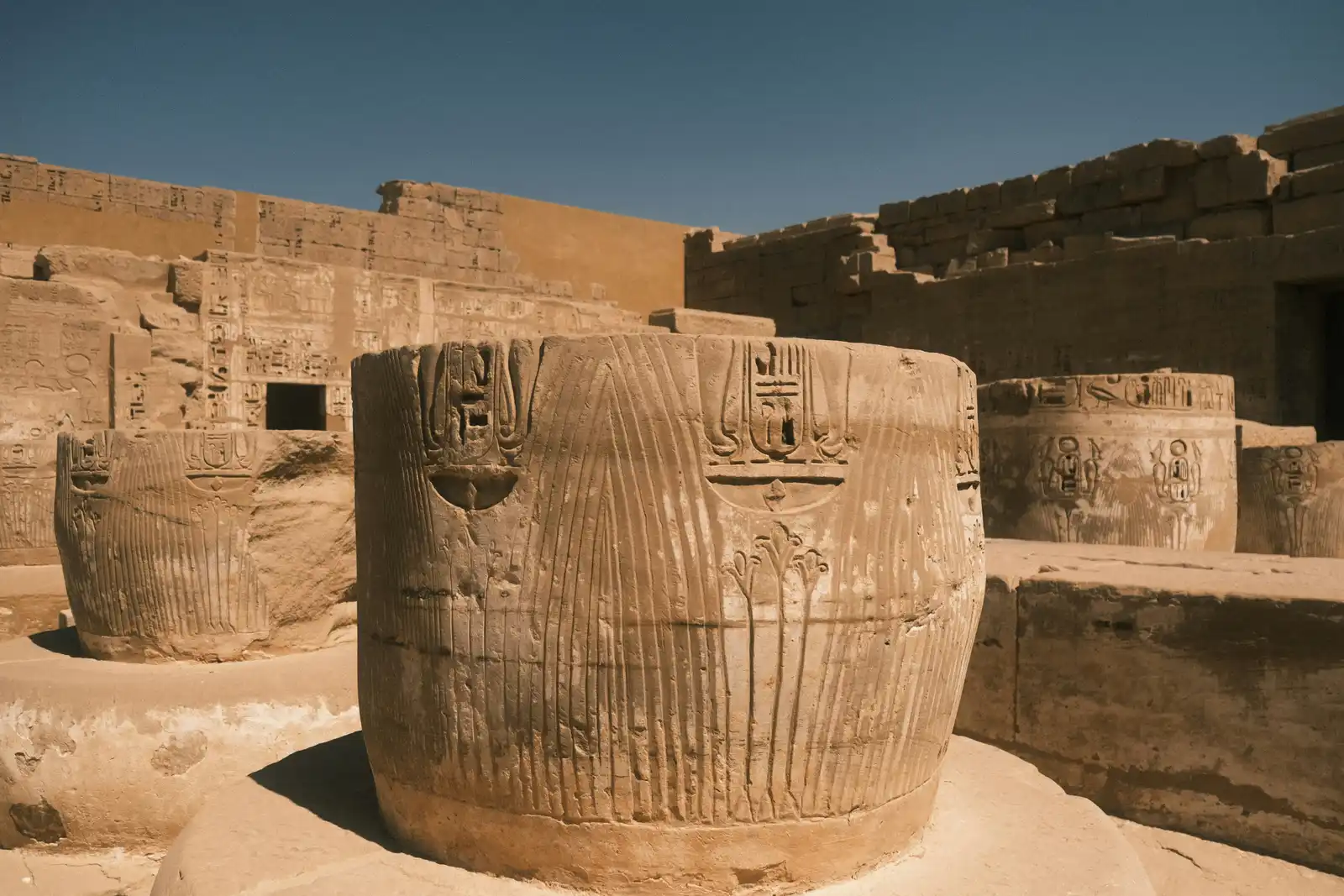
Medinet Habu: The Luxor Temple Almost Everyone Drives Past
The colour on these walls is the real thing, not a reconstruction, and you will often have a courtyard to yourself. It is the strongest argument on the west bank for a second morning.
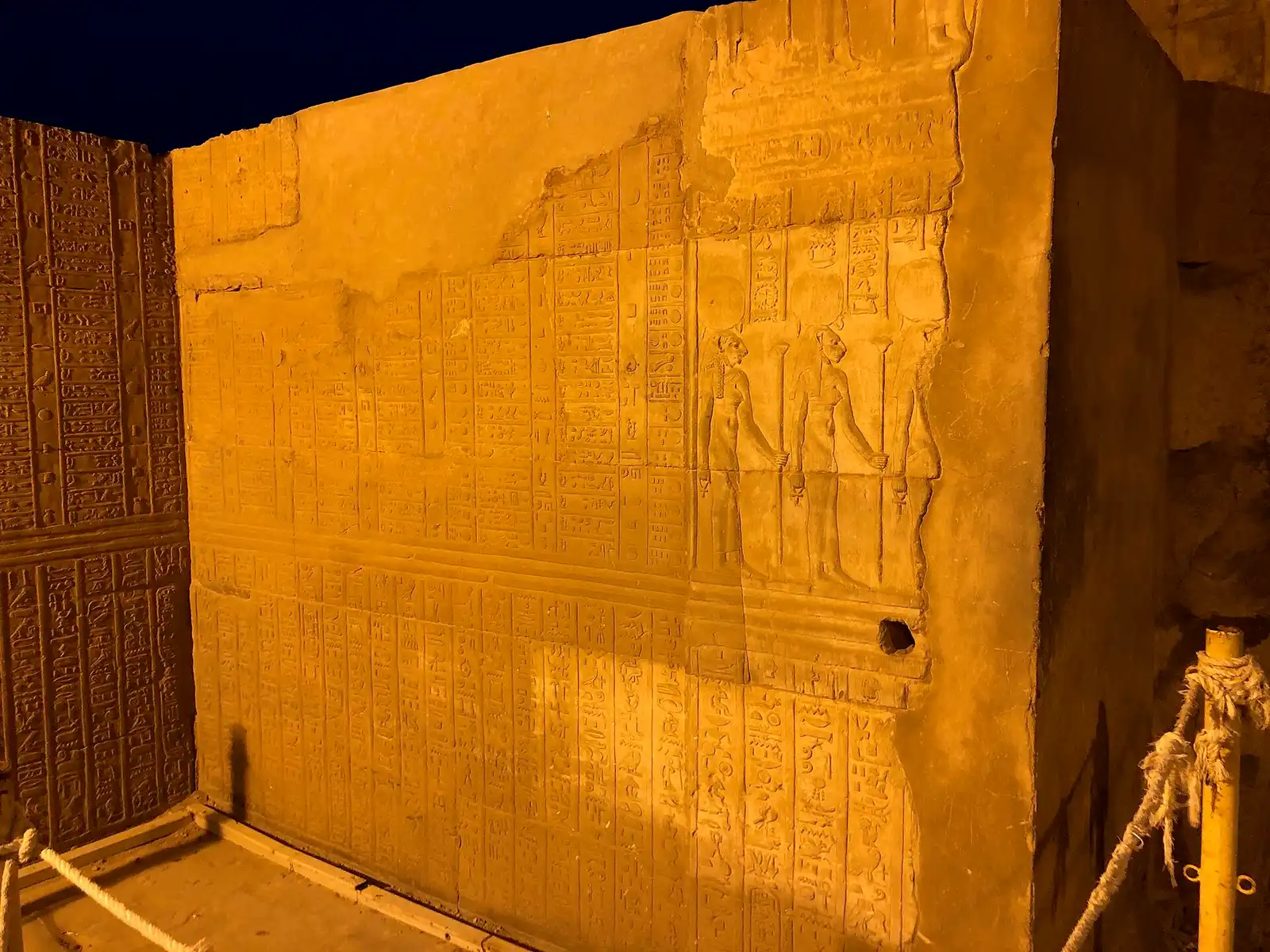
The Coptic Calendar: Months, Feasts and Dates for 2027
Egypt's Coptic calendar descends from the calendar of the pharaohs and still sets every Coptic feast and fast. Here are its thirteen months and the key dates for 2027.
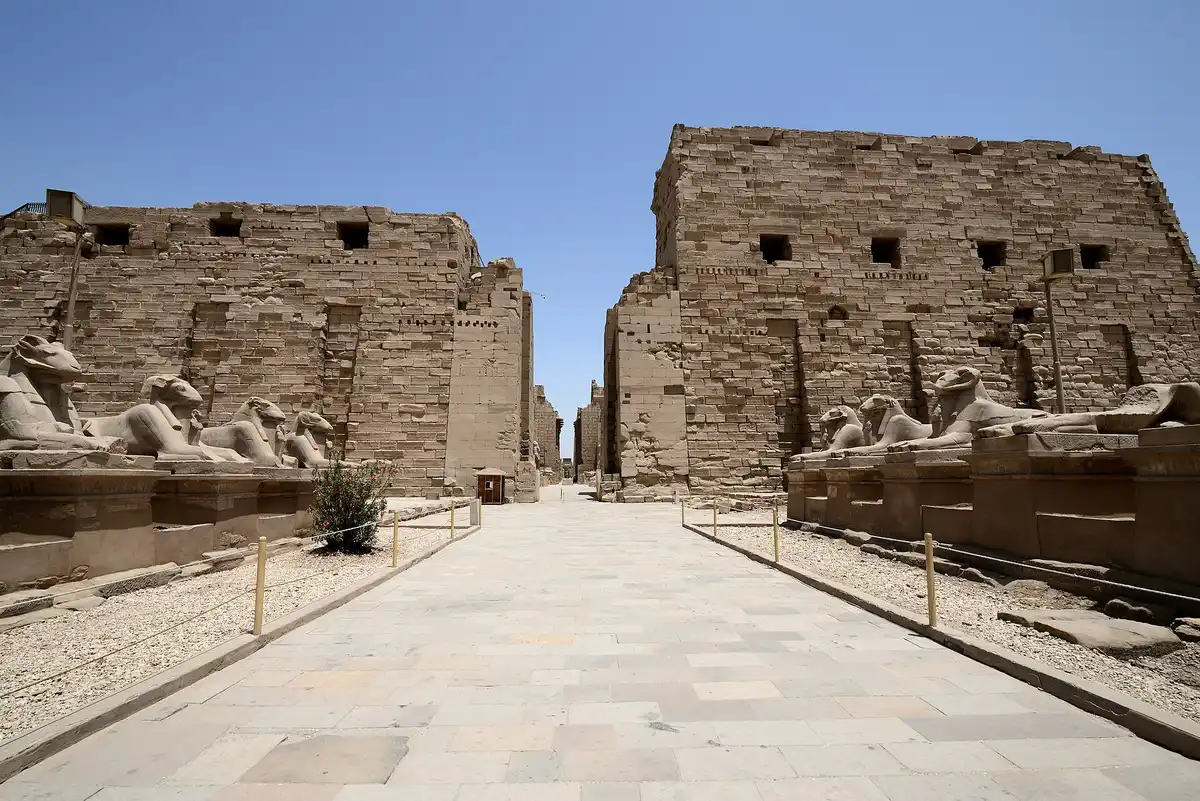
Egypt Weather in January: Temperatures by Region and How to Plan
January brings mild, sunny days and cold nights to most of Egypt, with calmer sites once the New Year crowds leave. Here is the weather region by region, and how to plan around it.

Egypt Diving Red Sea Guide: Seasons, Sites and First Dives
Warm water, thirty metre visibility and a wreck that has been photographed more than any other in the world. What the seasons actually do, and where the diving sits in a wider Egypt trip.
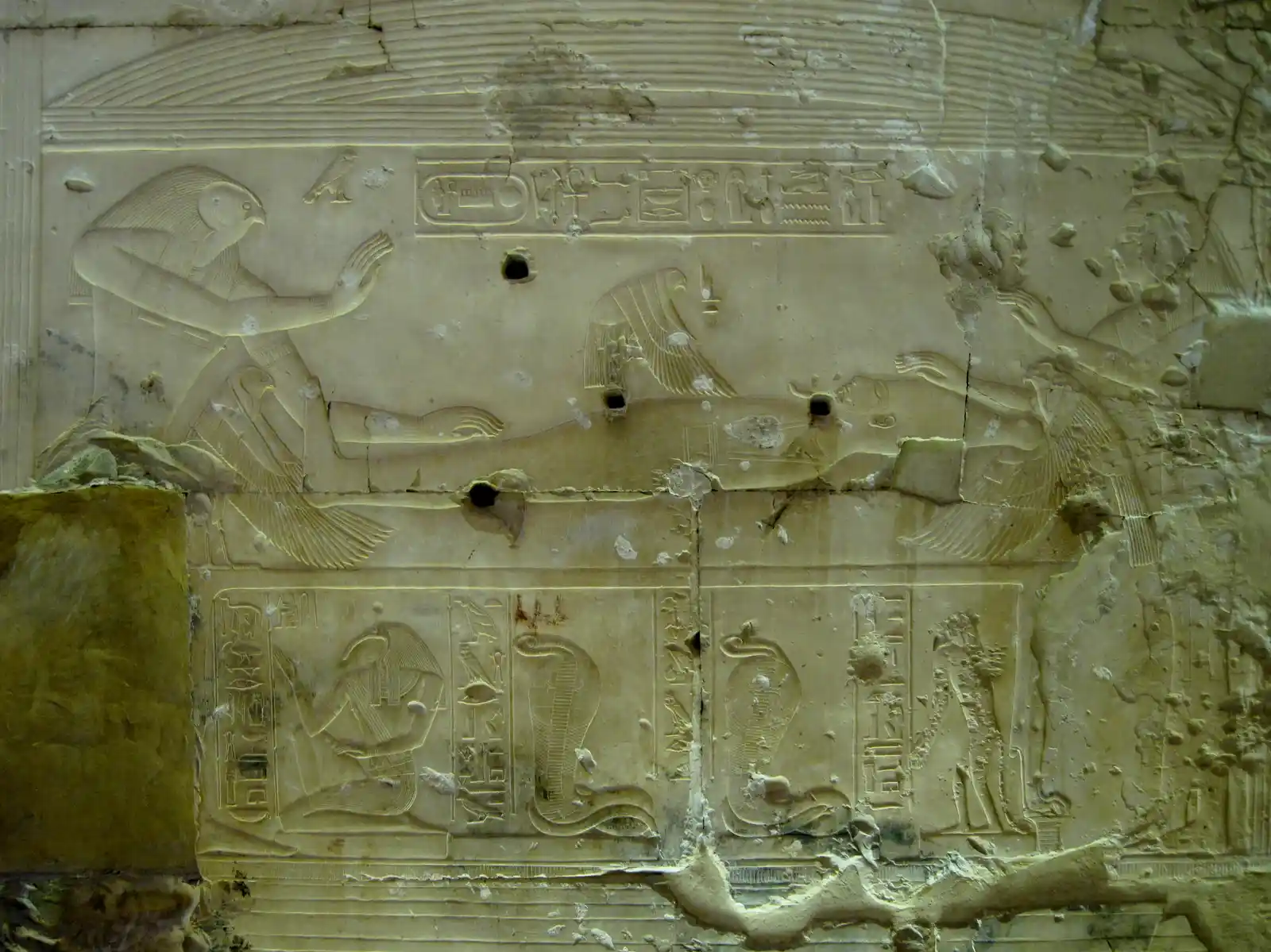
The Egypt Osiris Temple at Abydos: The Osireion, Seti I and the King List
The egypt osiris temple at Abydos is the Osireion, unmortared granite standing in groundwater. Its dating, the Seti I temple, the king list and getting there.
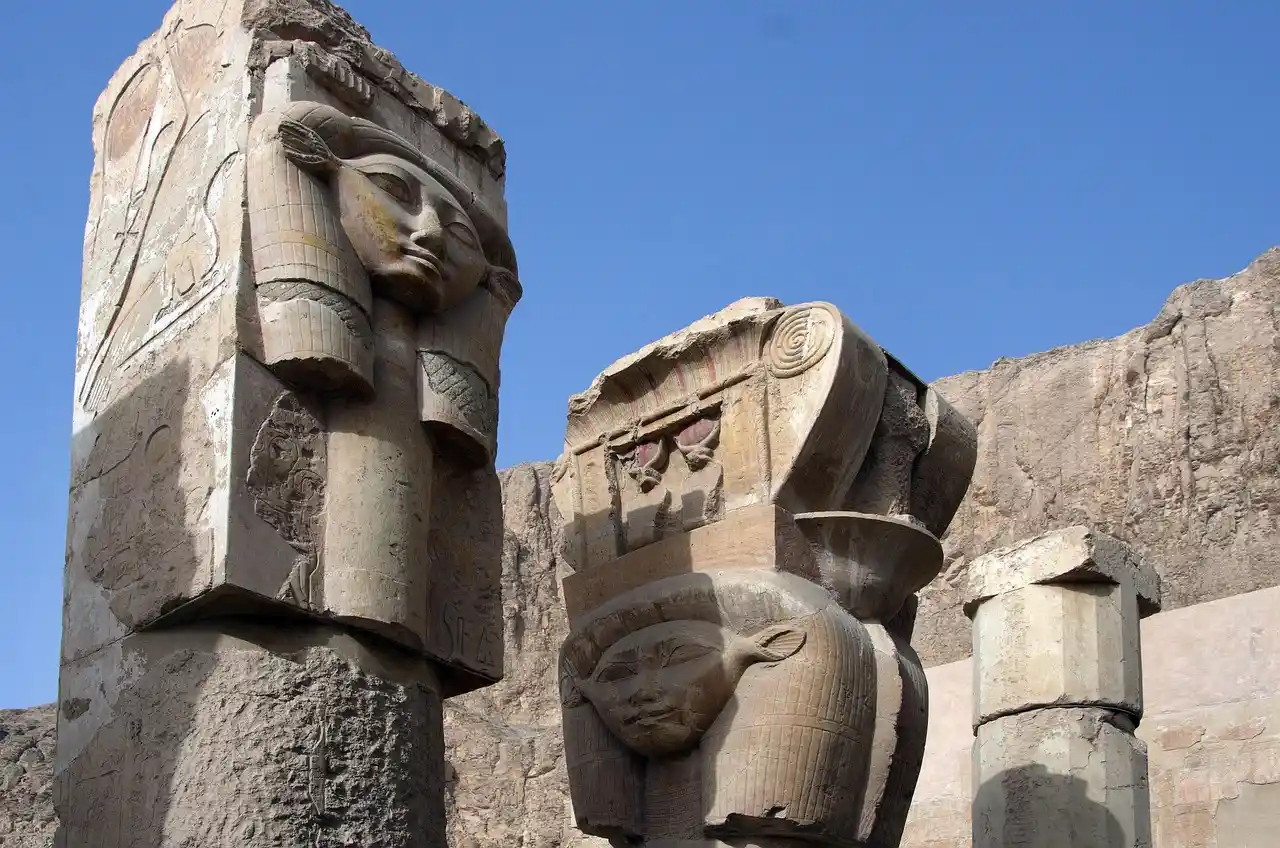
Valley of the Queens: Nefertari and the Three Other Tombs
Four tombs are usually open and one of them is the finest painted interior left from the ancient world. Knowing which ticket to buy before you arrive is most of the battle.
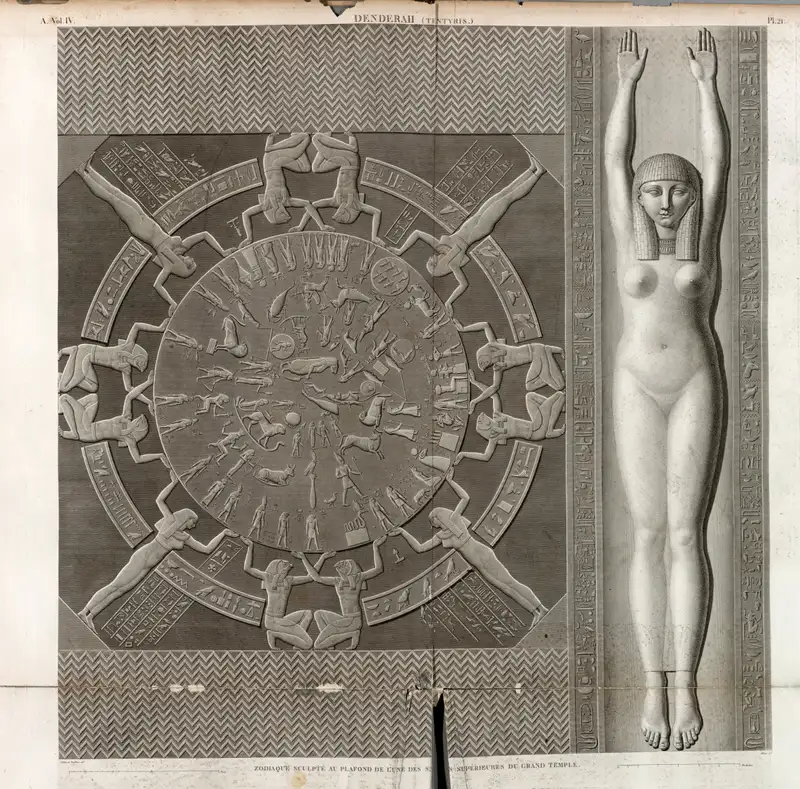
The Dendera Light: What the Carving in the Hathor Crypt Actually Shows
The dendera light is a relief in a crypt under the Hathor temple at Dendera. What is carved, how Egyptologists read it, the lamp argument, and seeing it.
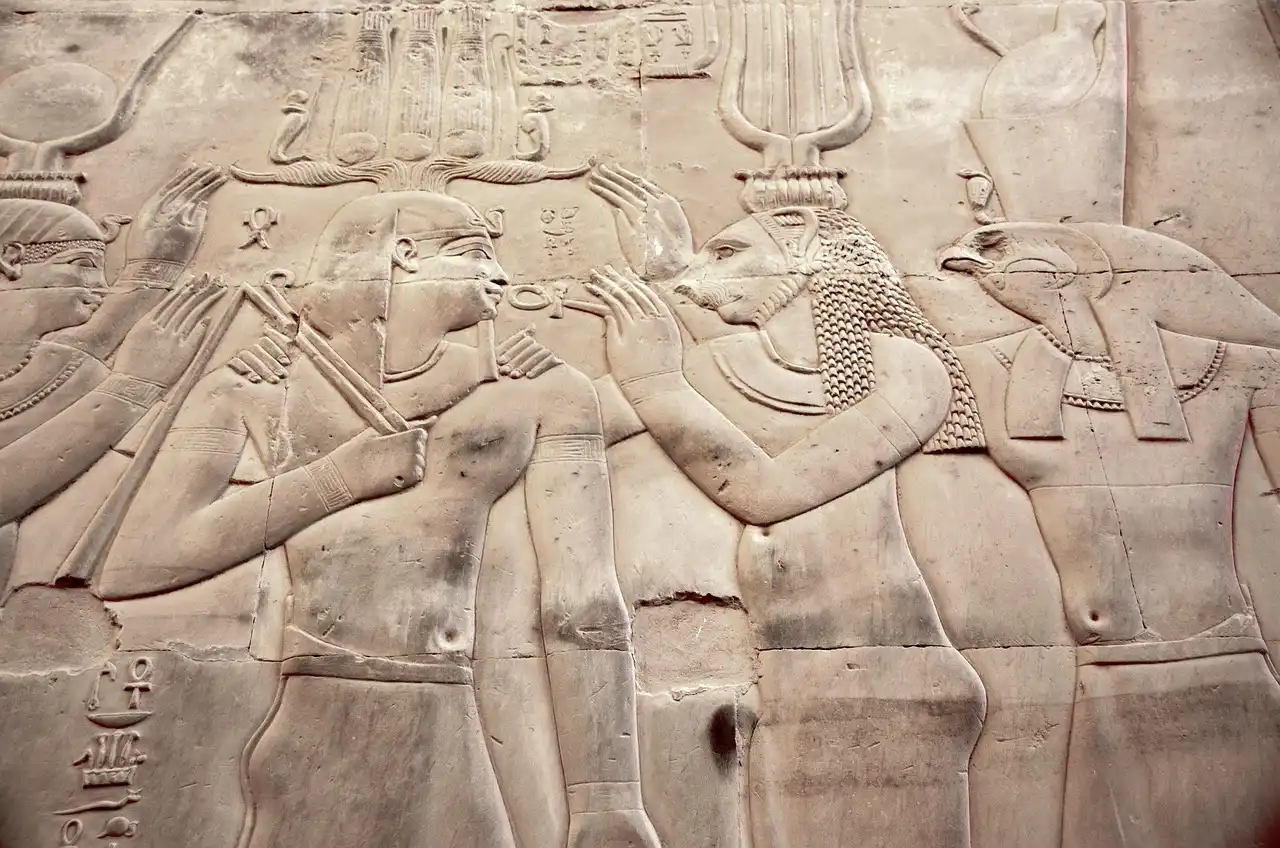
Kom Ombo Temple and Edfu: The Two Temples You See from the River
Every Nile cruise stops at both, usually at odd hours and usually in a hurry. Knowing what you are looking at turns two brief stops into the most interesting morning of the sailing.

Giza Pyramids from Above: The New Tethered Balloon (2026)
A tethered balloon near the Giza plateau entered trial operation in August 2026, rising about 150 metres for roughly fifteen minutes. What it is, why it is not a hot air balloon, and the other ways to get height over the pyramids.
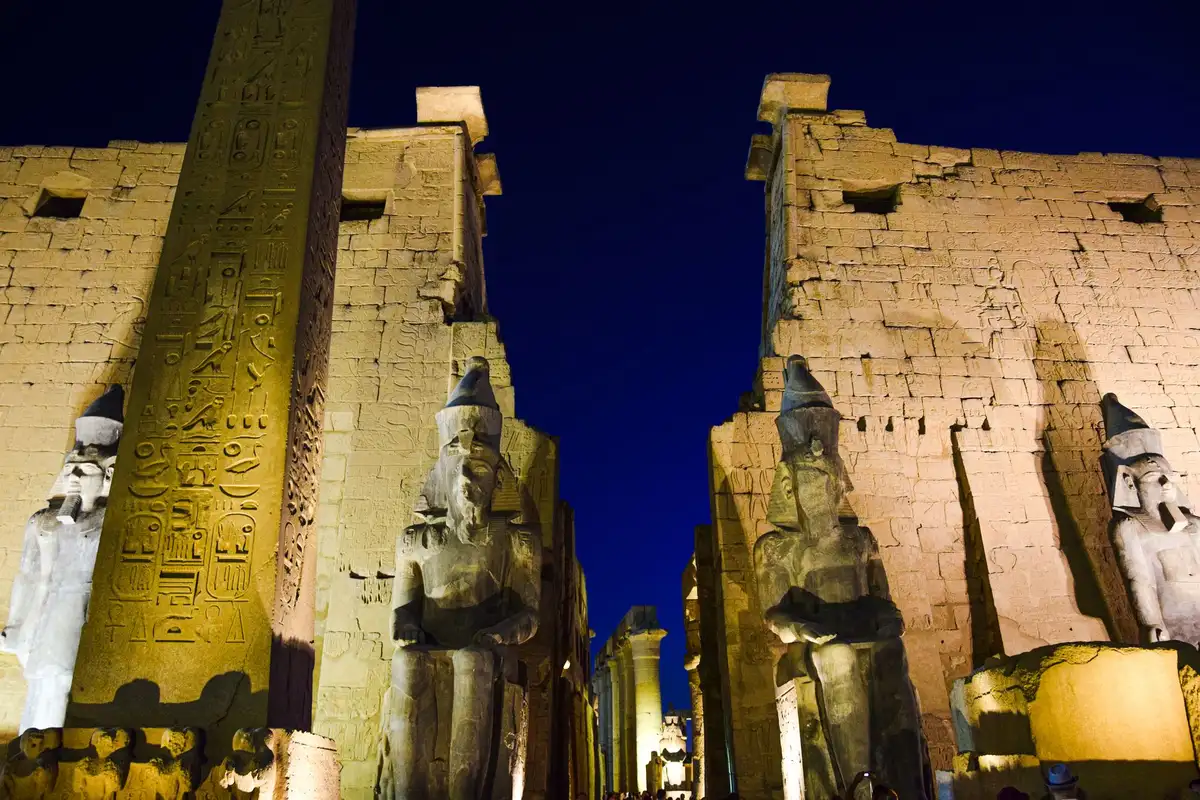
The 6 Minute Solar Eclipse 2027: Why Luxor Is the Place to Stand
Totality on 2 August 2027 lasts 6 minutes and 23 seconds over Upper Egypt. Where the maximum falls, why Cairo sees nothing but a partial eclipse, and how Luxor compares with Aswan.
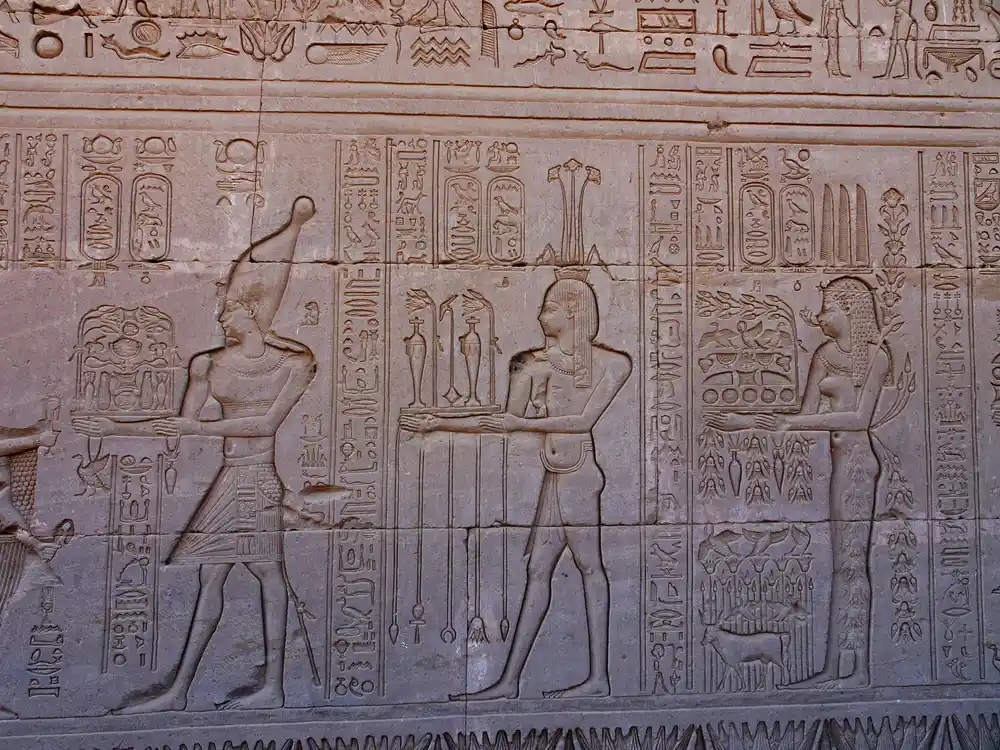
Dendera Temple Egypt and Abydos: One Long Day from Luxor
Two of the best preserved temples in Egypt sit north of Luxor in opposite directions, and almost every visitor drives past both. Here is what they hold and whether the day is worth giving up.
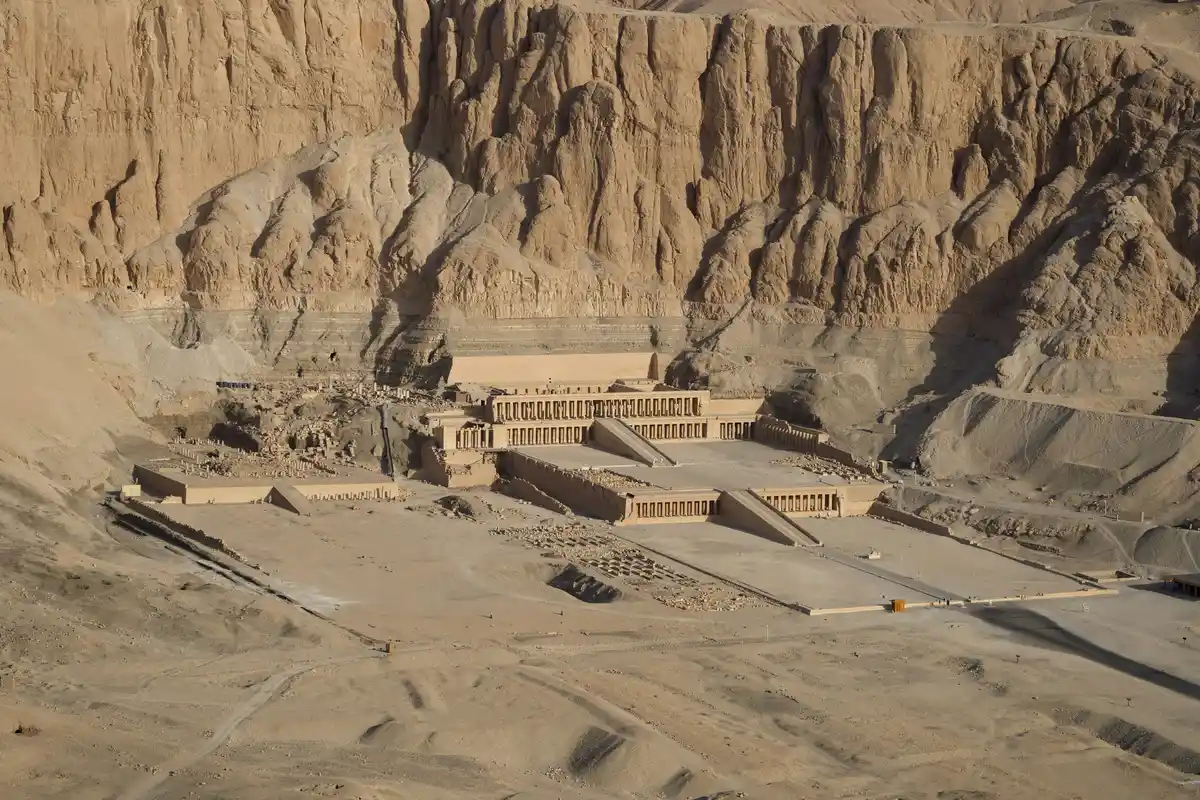
Hatshepsut Temple at Deir el Bahari: One Monument, Two Names
Three terraces cut into a cliff by a woman who ruled as king, and a set of reliefs recording a trading voyage nobody else thought to carve. Start on the top level and work down.
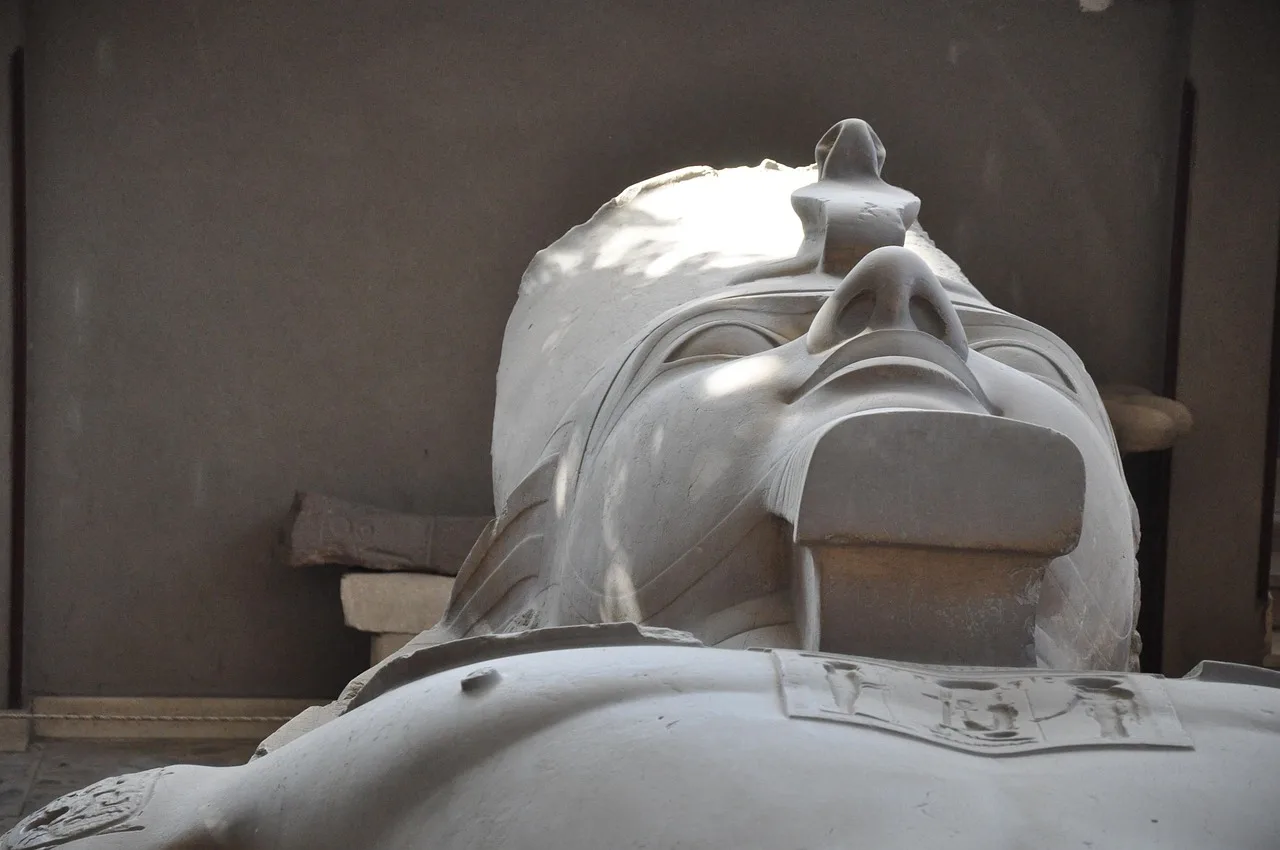
Memphis Egypt: The Ancient Capital, Not the One in Tennessee
The city that ran Egypt for most of three thousand years is now a village, a palm grove and two extraordinary statues. Here is what happened to it and what is left to see.
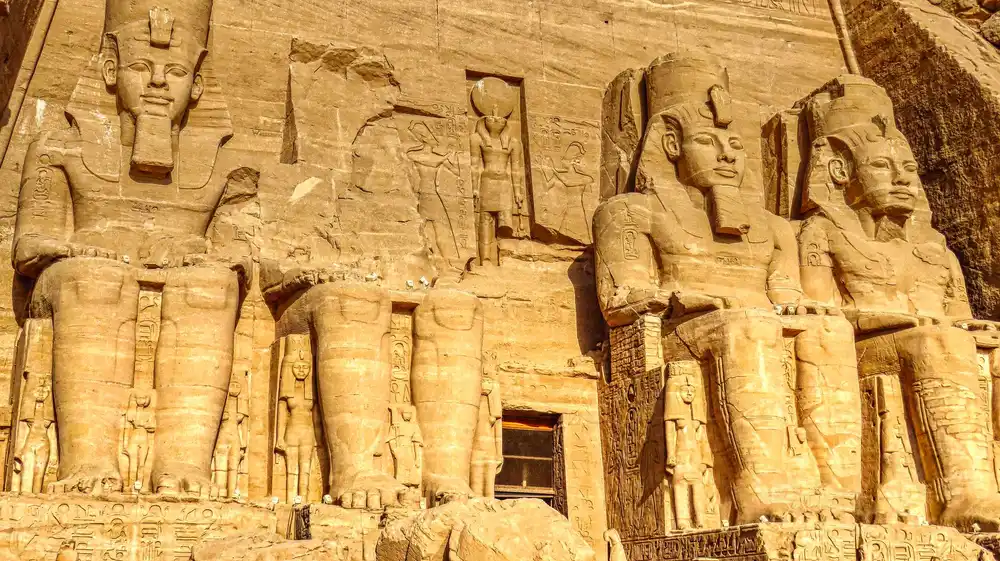
Abu Simbel Tour from Aswan: Flight or Road
Three hours by road or forty minutes by air. The choice shapes what time you reach the temple, how tired you are when you get there, and how long you can stay.
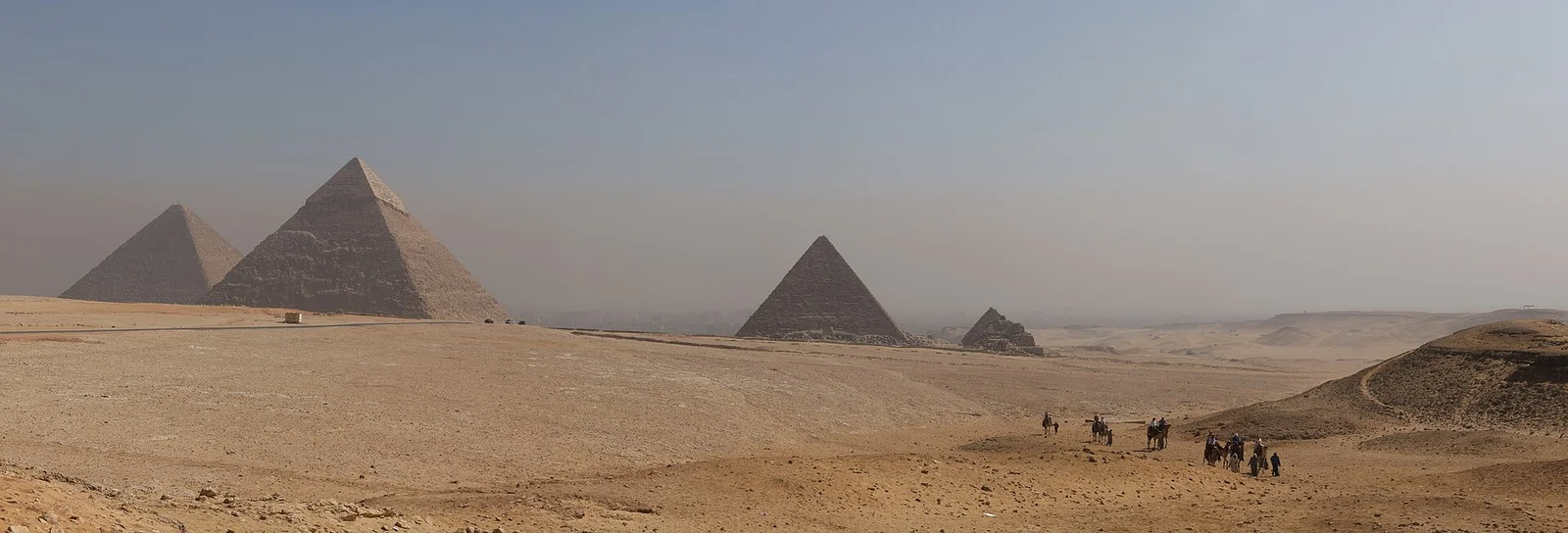
Luxury Egypt Tours: What the Word Should Actually Buy
Five star hotels are the easy part and almost nobody differs on them. The trip is decided by who guides it, how many people are in the car, and which hour you reach the gate.
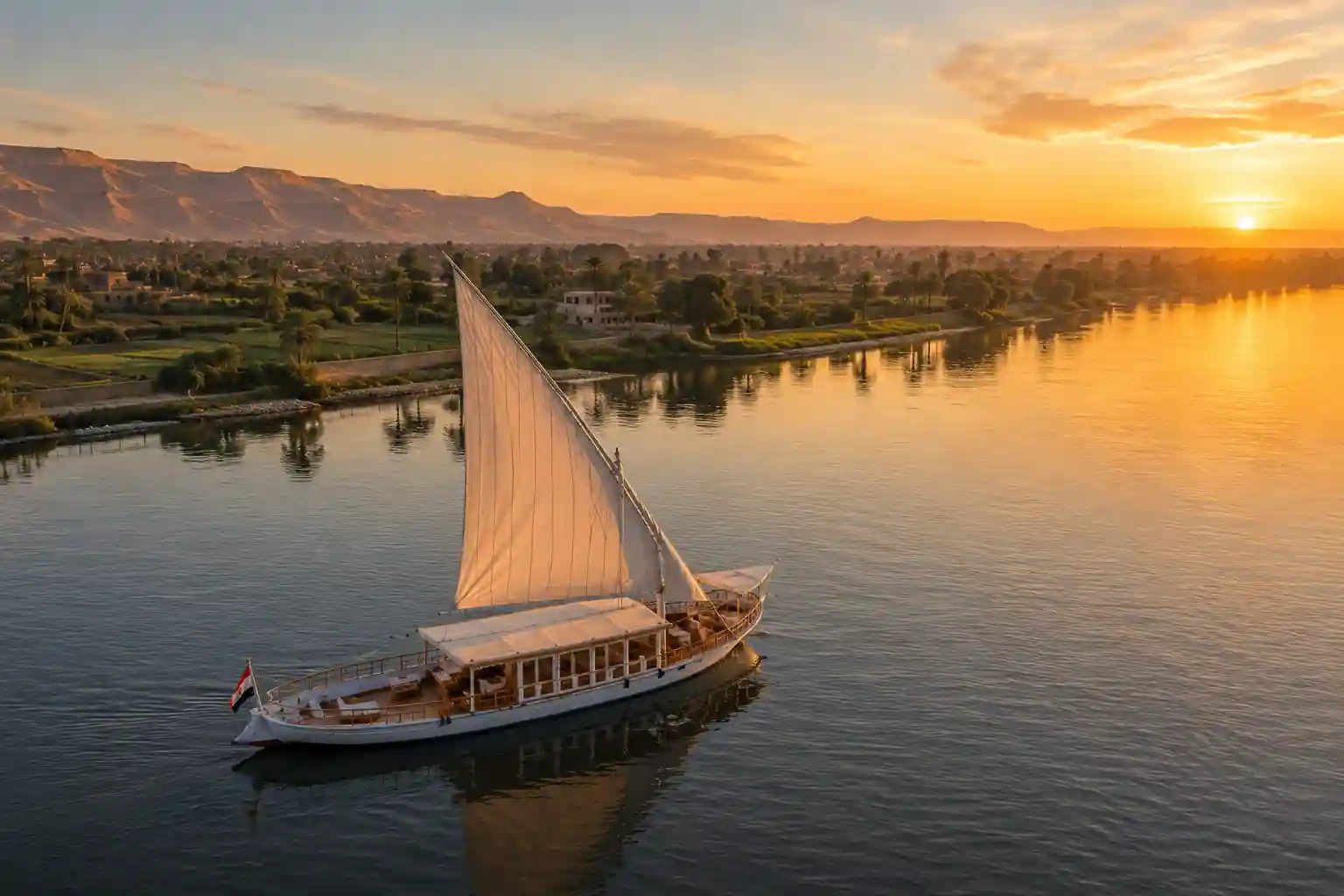
Tailor-Made Egypt Tours: What You Actually Choose
Not a different country, a different arrangement of it. The five decisions that are genuinely yours, and the five variables behind every quote you will be sent.
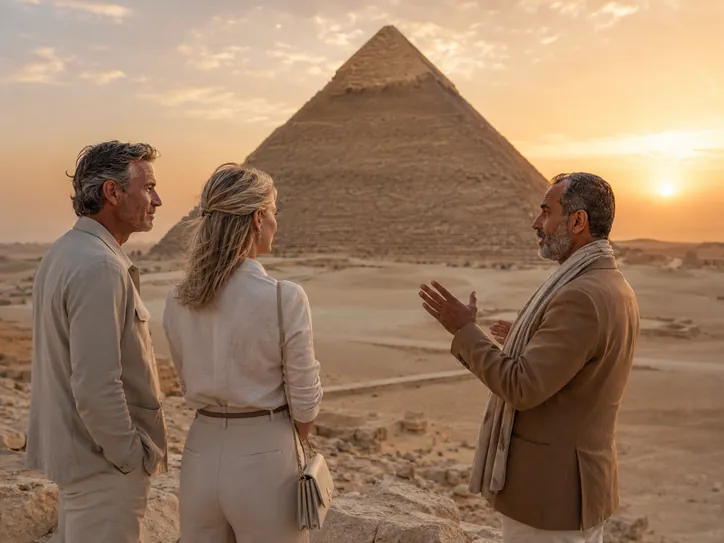
Planning a Trip to Egypt: Where to Start
Most trips here go wrong in the same place, and it is not the itinerary. The order the decisions have to be made in, and which ones stop being reversible.
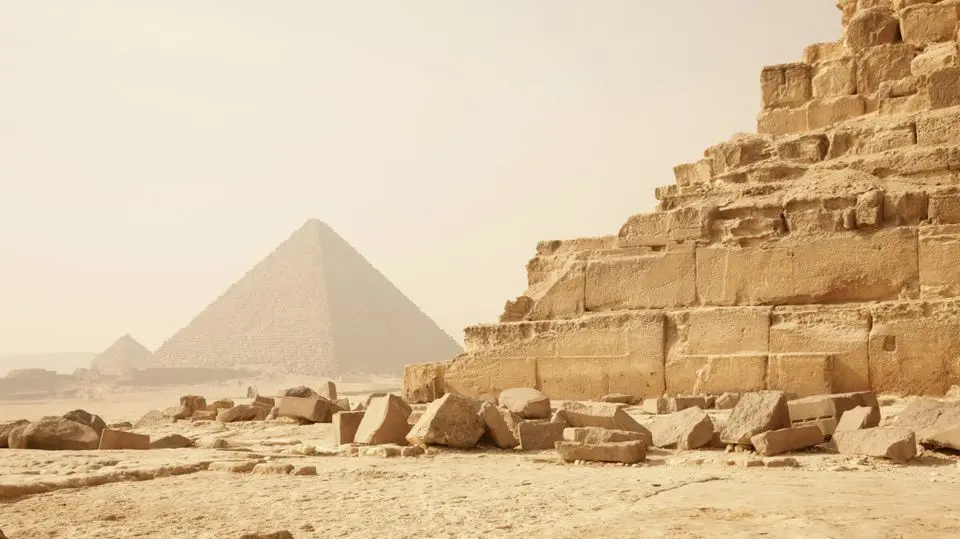
Luxury Cairo Luxor Aswan Itinerary
Cairo. Luxor. The Nile. Aswan. The route is not arbitrary it follows the logic of ancient Egyptian civilization.

Private Egypt Tour vs Group Tour
iLuxury Egypt does not run large-coach group tours. An honest comparison of what each format actually delivers from a team that only operates one side of it.
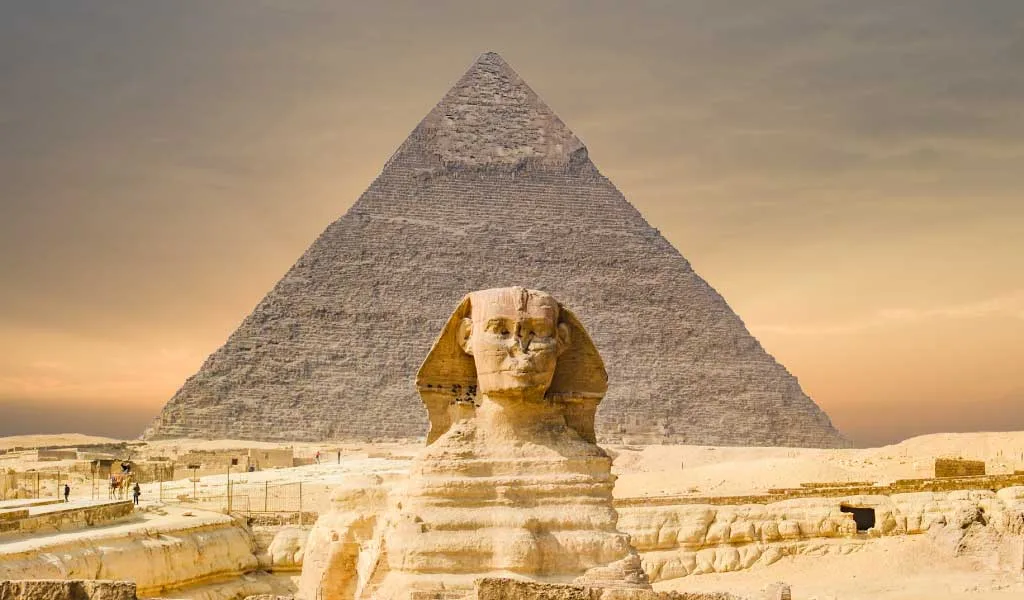
Is Egypt Safe for Americans? What the Advisory Says
Level 2, the same level as France, Germany and the UK, with two specific regions excluded entirely. Here is what the advisory actually says and where the lines are drawn.

Best Luxury Nile Cruise: Choosing by Category
No boat names, no invented features. The three categories on the river, what genuinely differs between them, and the eight questions worth asking before you pay a deposit.

Luxury Nile Cruise for Couples
The Nile between Luxor and Aswan. A private deck. Dinner under the stars. Intimacy that no resort can offer.

Egypt Honeymoon: How to Shape the Trip
Ten days, three parts, and one decision that changes the whole trip. What a honeymoon here really involves, written for couples who would rather not share a coach.
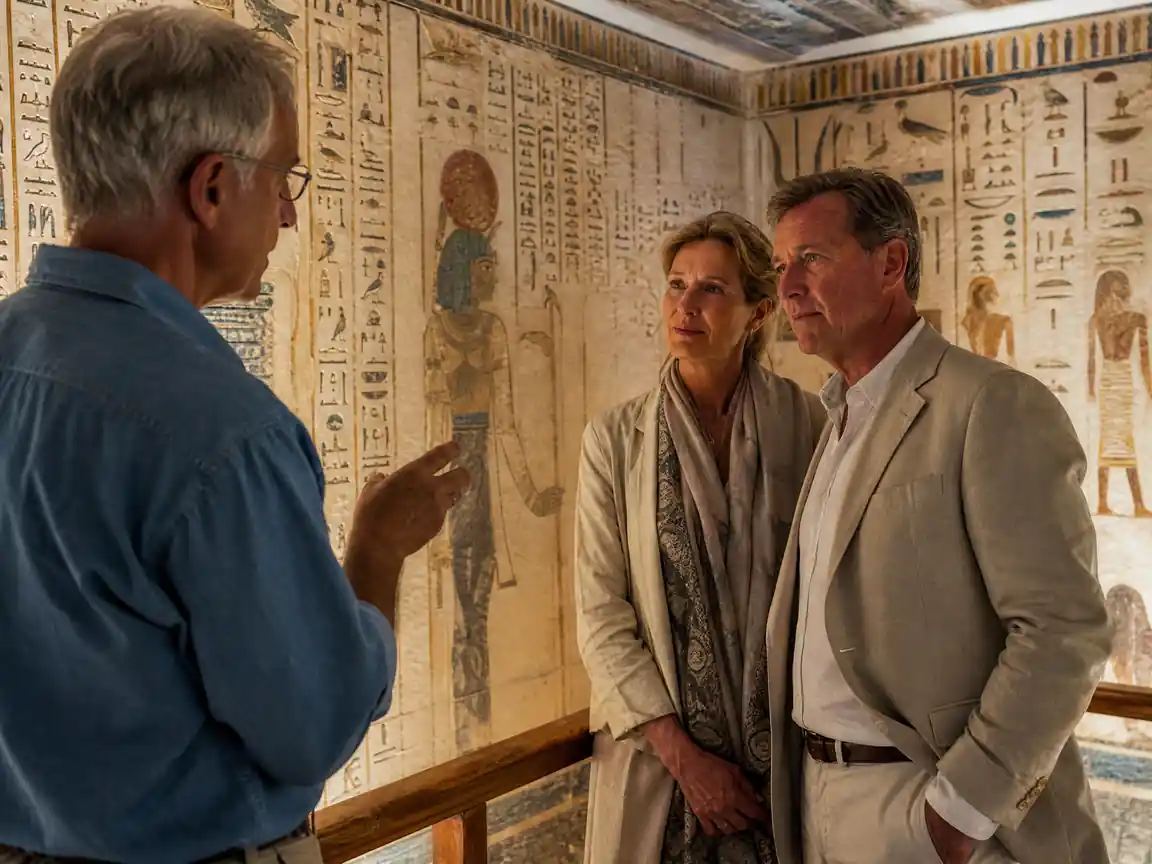
10 Day Luxury Egypt Itinerary
Ten days is enough to understand Egypt not simply see it. A private, unhurried journey through Cairo, the Nile, Luxor, and Aswan, designed for discerning American travelers.
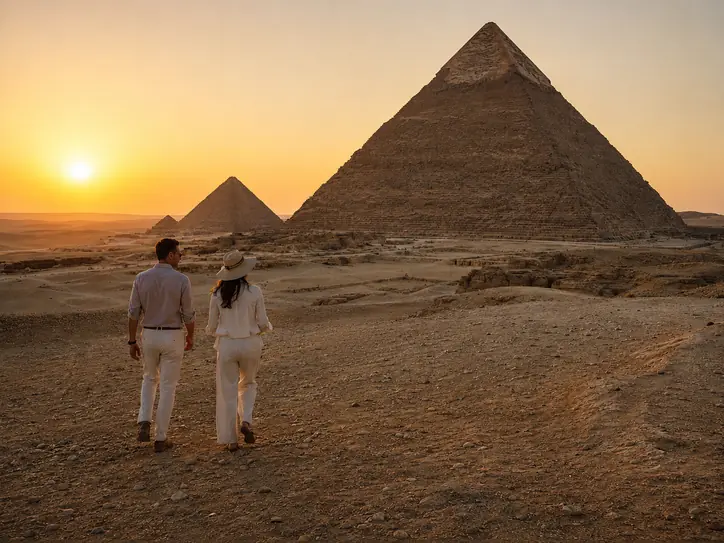
Private Pyramid Tours Egypt: What Changes
Private at Giza means four separate things, and a tour can be private in one sense and shared in the rest. What to ask, and which hour of the day decides it.
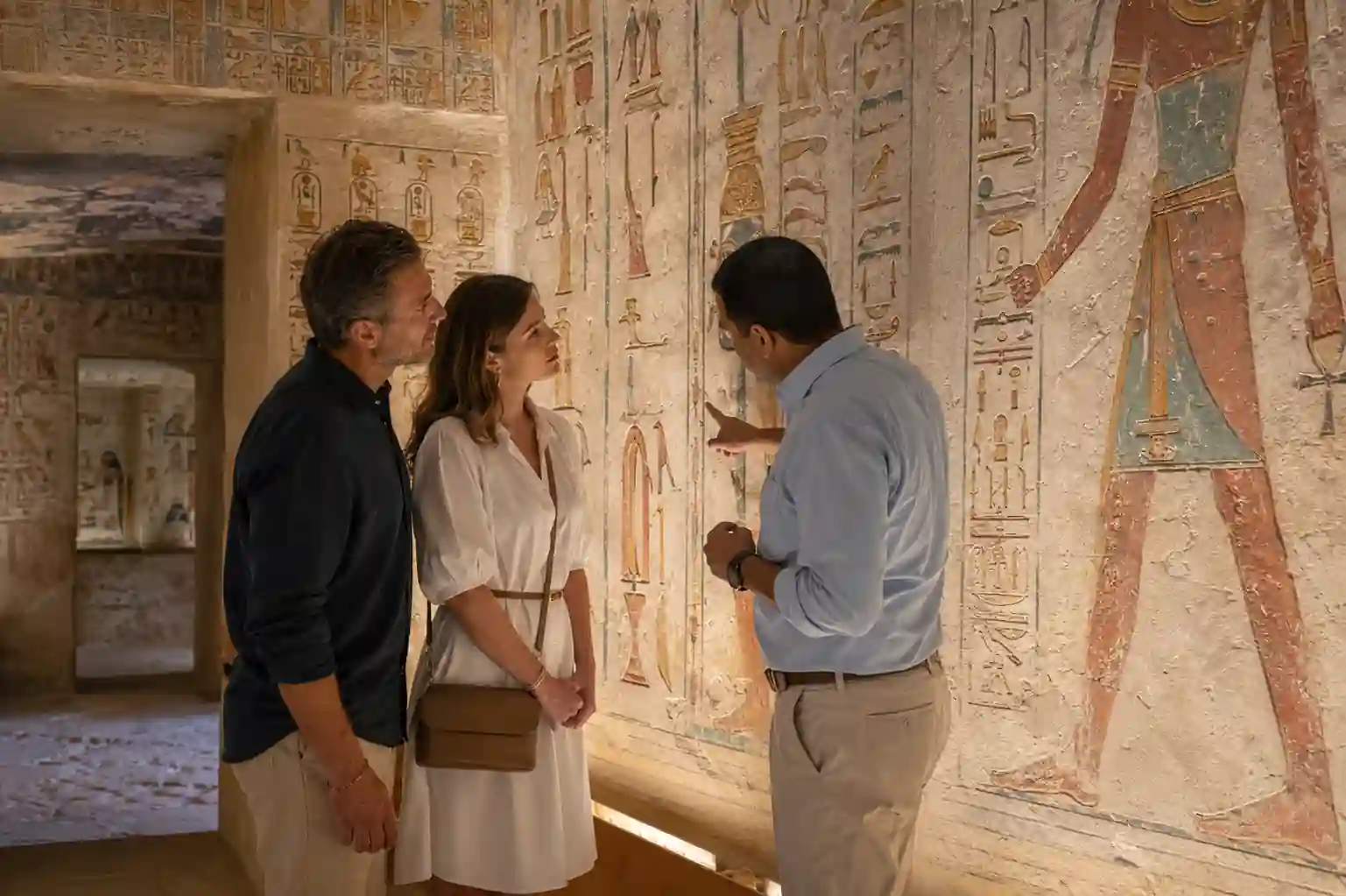
Private Tours in Cairo Egypt: Three Days Planned
Cairo needs three days and most itineraries give it two. What each day should hold, what the word private covers, and the questions that separate the quotes.
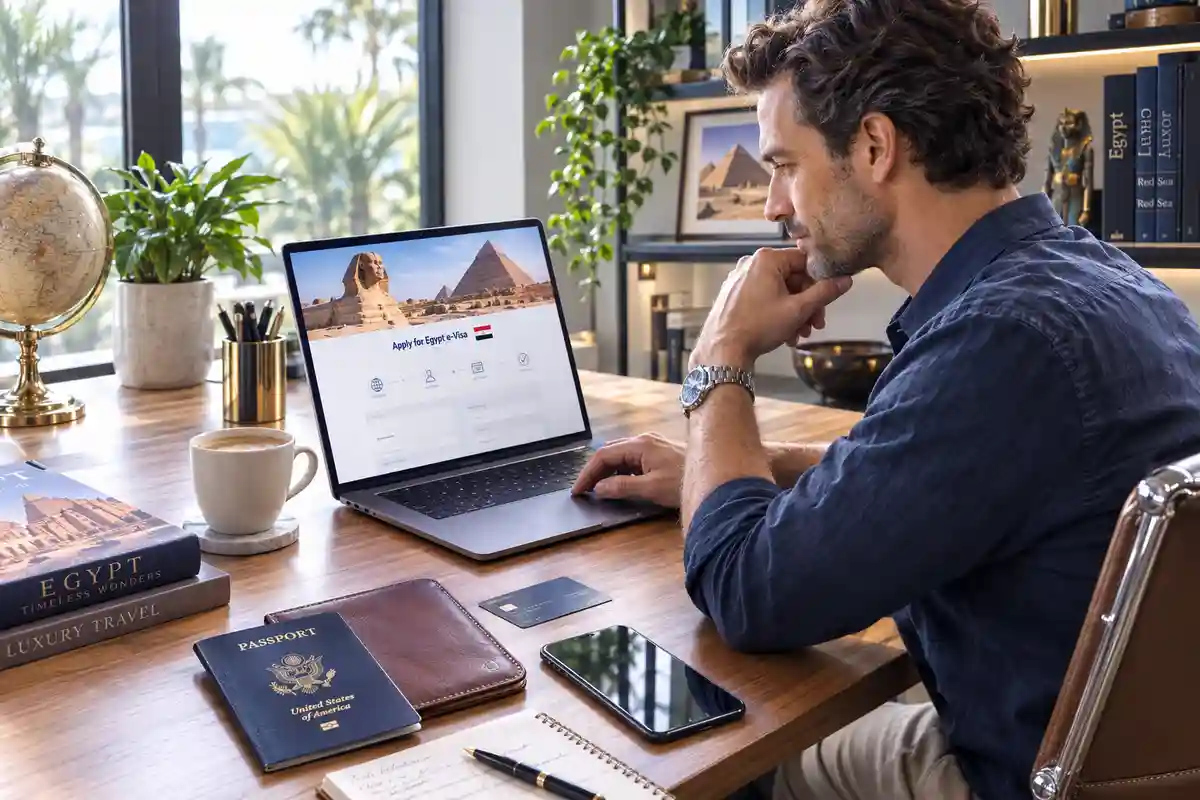
Egypt Visa for US Citizens: Options, Steps and Timing
Two routes, both straightforward, and one of them can be done from your sofa. What each needs, what catches people out at Cairo arrivals, and where to check the current rules.
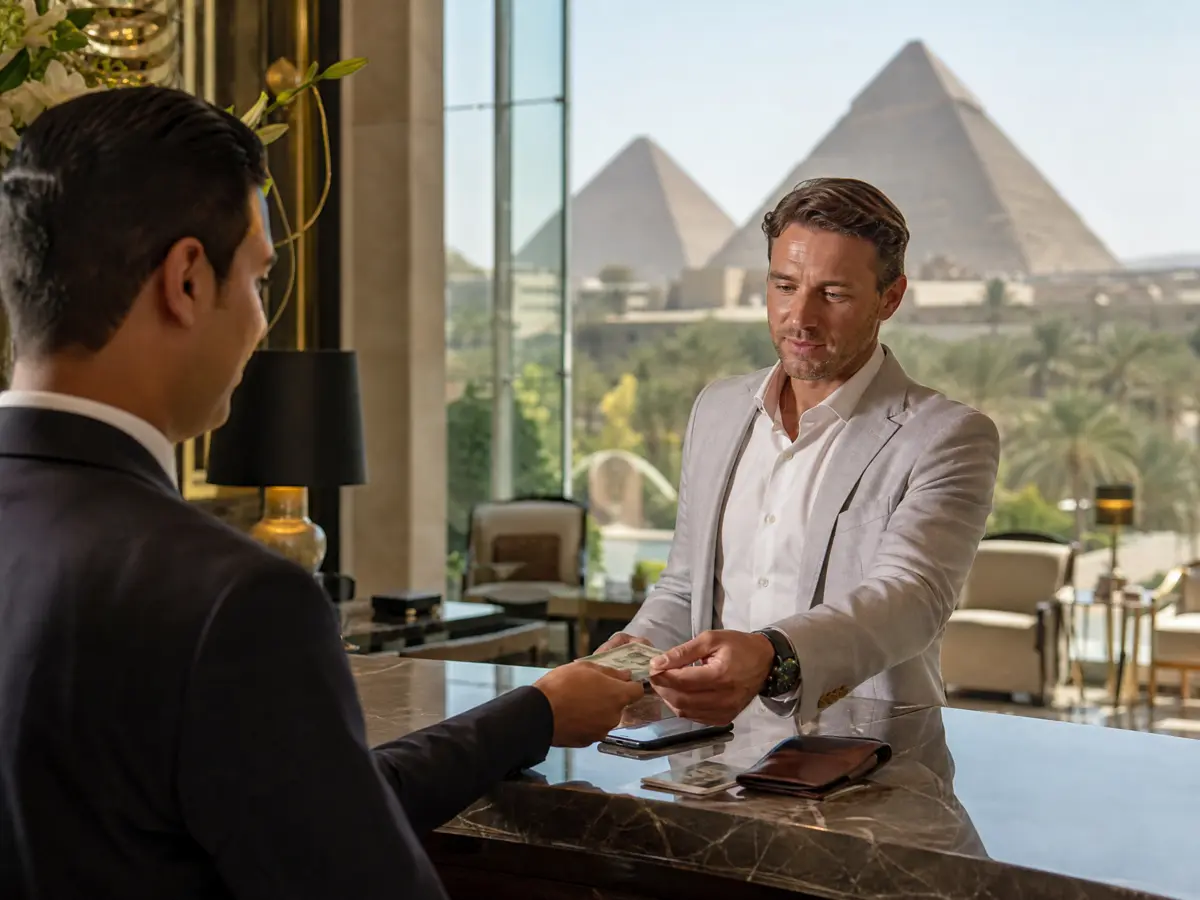
Egypt Travel Tips That Change the Day
Tipping, cash, water, dress and the selling. The handful of things that decide whether a day here runs smoothly, and the ones that turn out not to matter at all.

Best Time to Visit Egypt: A Month by Month Guide
October to April, and November to February if you can choose freely. Here is what each month actually does to a day in Luxor, and the three weeks most people should avoid.
Vaccinations Needed for Egypt: What to Ask a Clinic
There is no fixed list, and anyone who hands you one without asking where you are going is guessing. What the appointment actually covers, and when to make it.

Travel Insurance Egypt: What Cover Actually Matters
No insurer names, no commission, no comparison table dressed up as advice. The four clauses that decide whether a policy is any use on a trip through Upper Egypt.
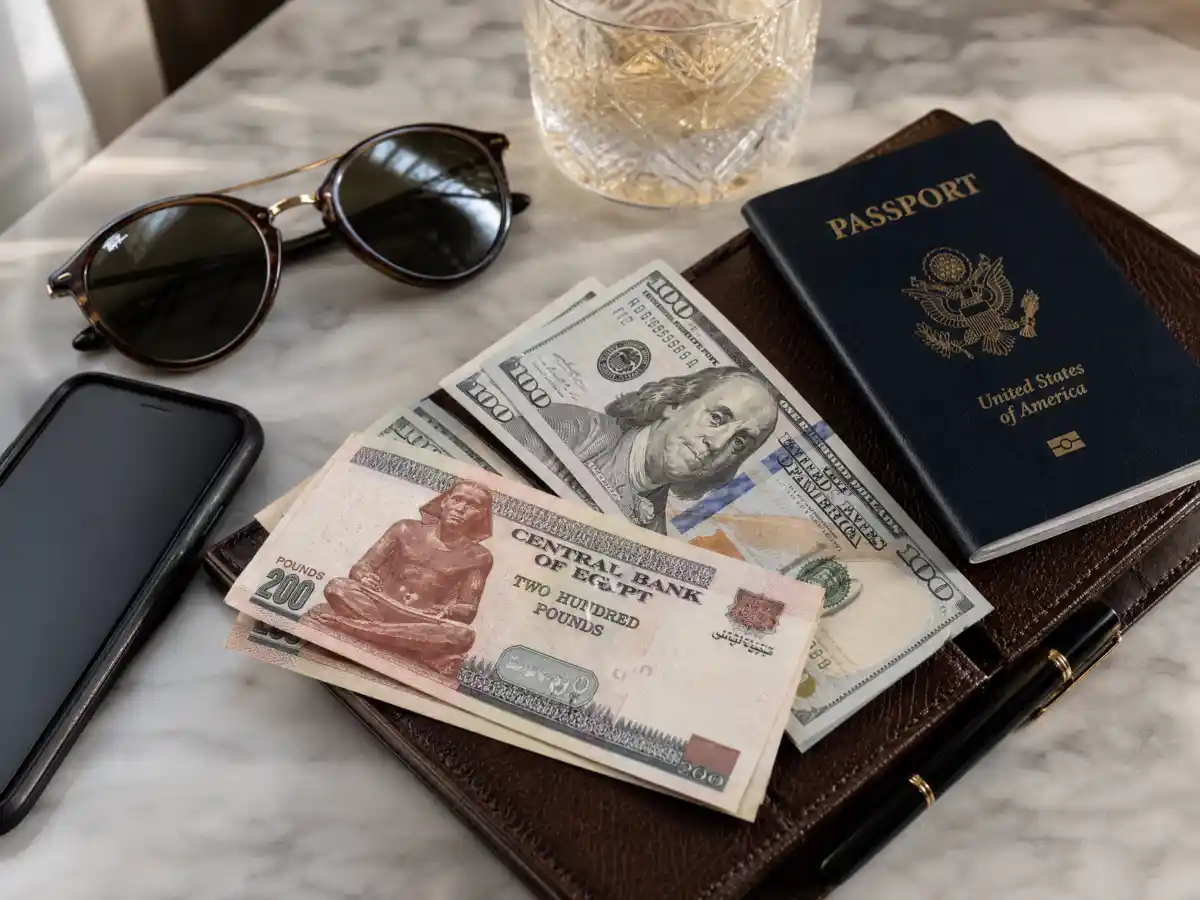
Currency in Egypt: Cash, Cards and Changing Money
The Egyptian pound floats, so no page should quote you a rate. What to actually do instead: where to withdraw, what cards cover, and the small note problem.
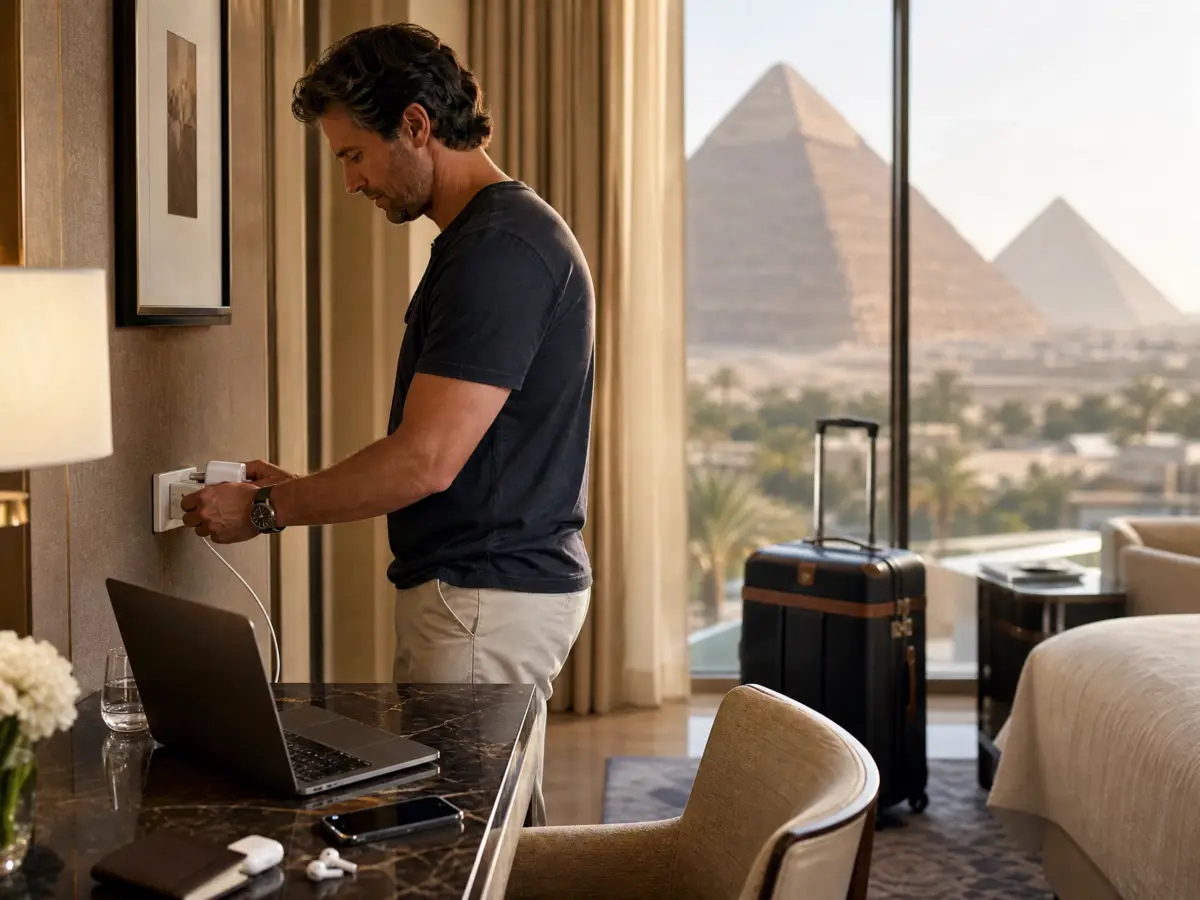
Egypt Plug Type: Sockets, Voltage and Adapters
Two round pins, 220 volts, 50 hertz. Which adapter you actually need, why your laptop is fine and your straighteners might not be, and what to buy before you fly.

What to Pack for Egypt, Month by Month
Shorter than most lists, because Cairo has shops. The five things people wish they had brought, and the month by month version for a winter trip.
Begin Your Egypt Story
Tell us how you want to feel. We design the rest around you, with a personal reply within 5 hours.
Letters from Egypt
Private access, new journeys and the best seasons to travel. One thoughtful note a month.
No spam. Unsubscribe anytime.