Ten days, split between Cairo, the Nile and a few nights on the Red Sea, is the shape that suits most couples. The river is the part people remember afterwards. October to April is the window worth having. Everything below is how to arrange those three facts around each other.
An egypt honeymoon is not a different product from any other trip here. Same country, same sites, same logistics. What changes is the arrangement: you are alone more often than not, nothing starts at six in the morning unless you asked for it, and nobody hands you a clipboard on the first day.
That is the honest version. The rest of this page is the detail.
What an Egypt Honeymoon Actually Looks Like
Three parts, in this order, for good reasons.
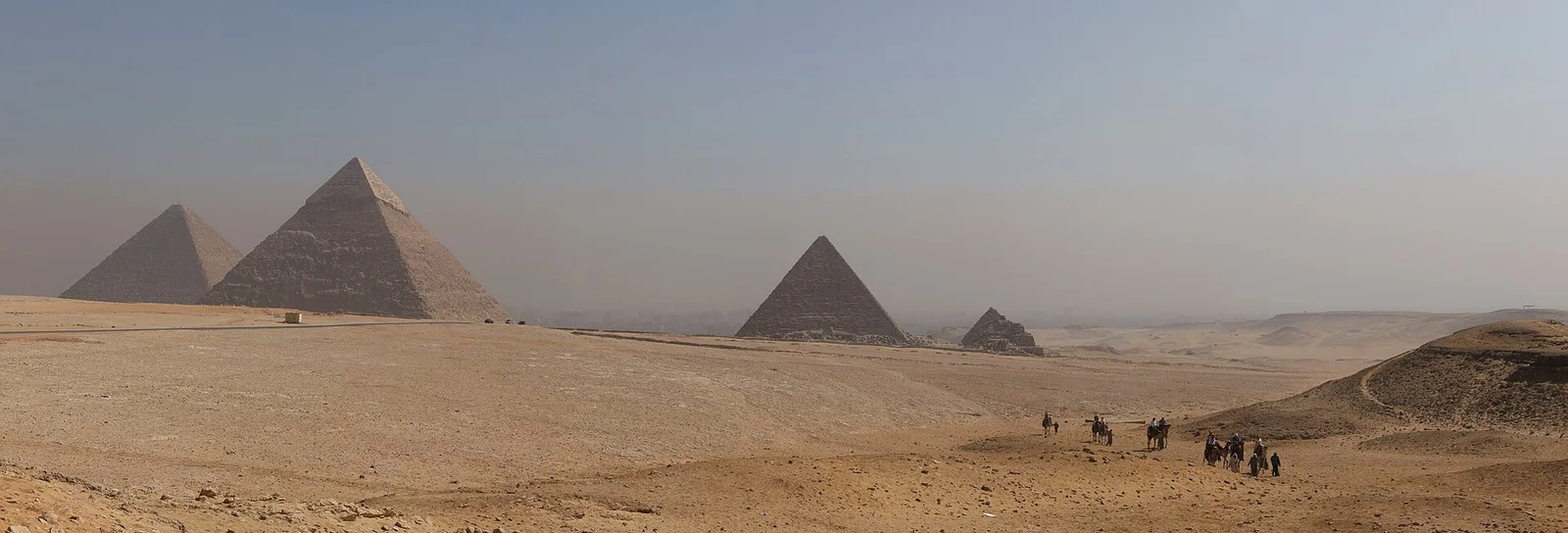
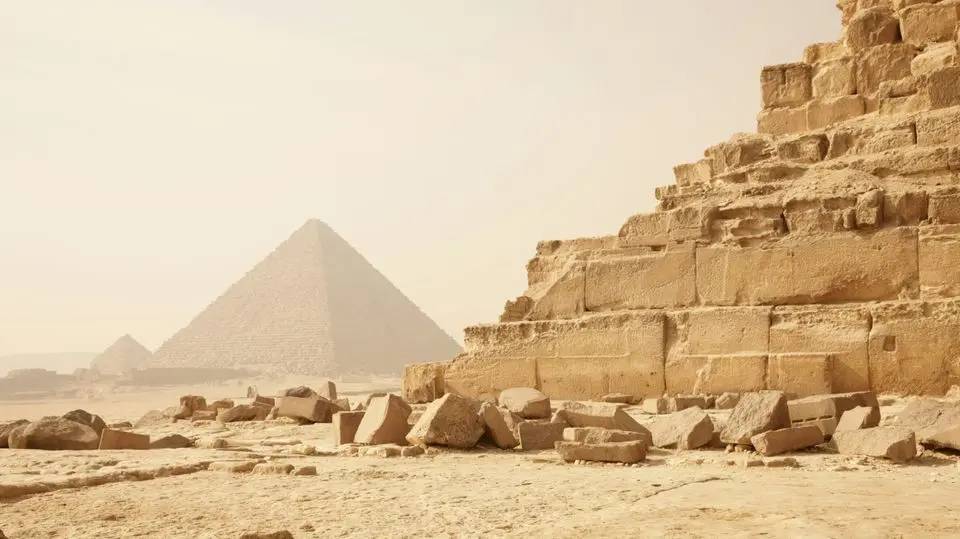
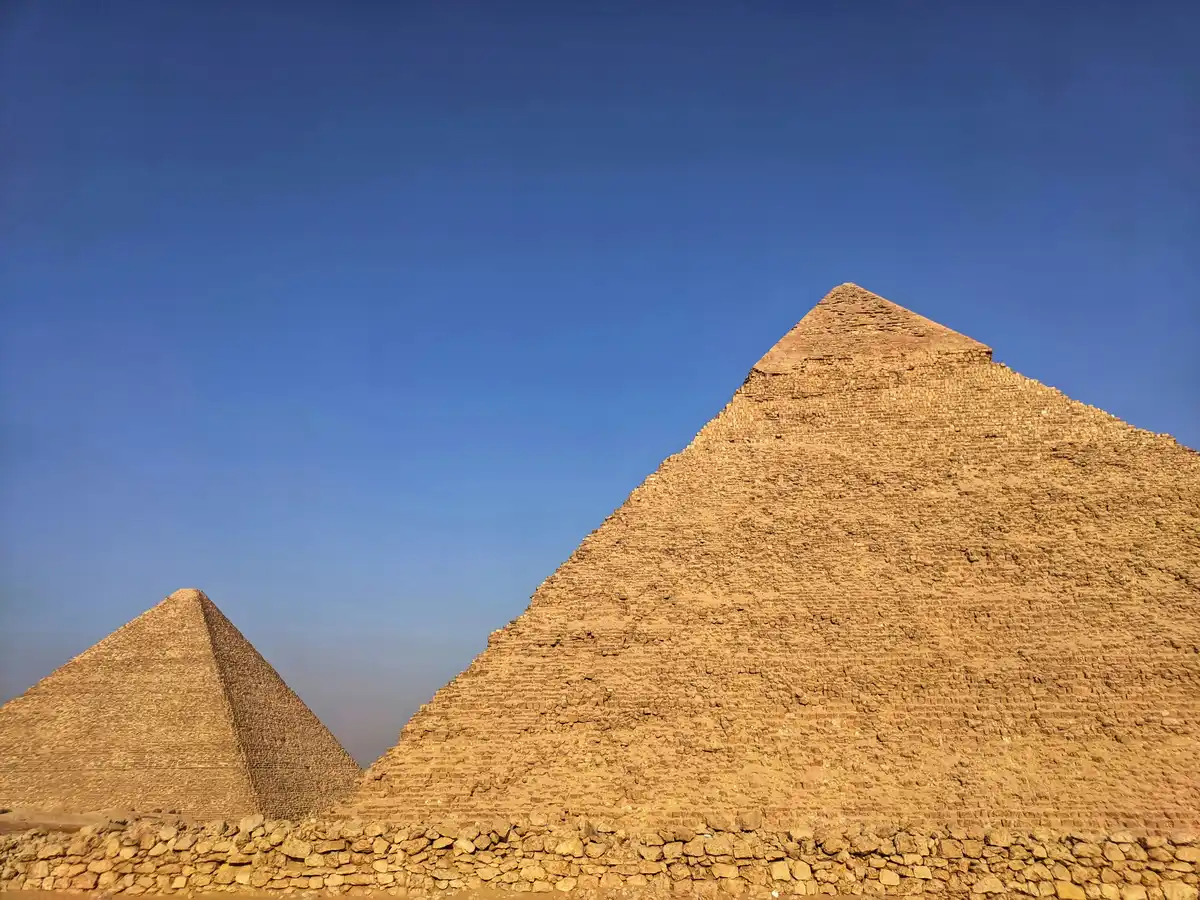
Cairo first, because the flights land there and because the pyramids and the museum are heavy days that are better done while you still have energy for them. The Nile second, because by then you want to sit down. The sea last, because ending a trip on a beach is a much better idea than starting one there and then being dragged around temples with sand in your bag.
Reverse it and the trip works against itself. Couples who put the beach first almost always say afterwards that they wished they had not.
Egypt Honeymoon Tours Fall Into Three Shapes
Group departures, fixed private itineraries, and trips built from nothing.
A group departure is the cheapest and the least suitable. The coach runs to a timetable that has nothing to do with you, the restaurants are chosen for forty people, and the photographs at Giza have other couples in them.
A fixed private itinerary is a published route run privately. You get your own car, your own guide and your own pace, on somebody else's route. For many couples that is plenty.
The third is what most honeymoons here should be, because the dates are fixed by a wedding and the preferences are specific. Most honeymoon tours Egypt companies advertise are the classical itinerary with rose petals added, and the petals are not the part that matters.
Planning the Trip: When to Go
October to April. Outside that, Luxor and Aswan sit in genuine heat, and a honeymoon spent moving between air conditioned rooms is a waste of the money.
Within the window, late October and March are the two best months. Warm days, cool evenings on the river, and the sites busy rather than crowded. December and January are lovely and the most expensive. February is quieter than people expect.
May and September are the shoulder. Both are workable if you accept early starts, and both cost noticeably less.
If your wedding date fixes you into July or August, say so early. That trip can be built, but it has to be built differently, with the temple visits at dawn and the afternoons written off.
Cairo, and Why Two Nights Is Usually Wrong
Three nights. Sometimes four.
Two nights means a jet lagged arrival, one enormous day covering Giza, Saqqara and the museum, and a departure. It can be done and it is not a honeymoon, it is a schedule.
Three nights lets the pyramids have a morning of their own, the museum an afternoon of its own, and leaves a slow day for Islamic Cairo, a felucca at sunset, or nothing at all. The nothing at all is the point.
We can arrange access to certain sites before they open to the public, or after they close. On a honeymoon that is not a luxury detail. It is the difference between a photograph of the two of you and a photograph of the two of you and two hundred other people.
The River Is the Honeymoon
Four nights on the Nile, five if the dates allow it.
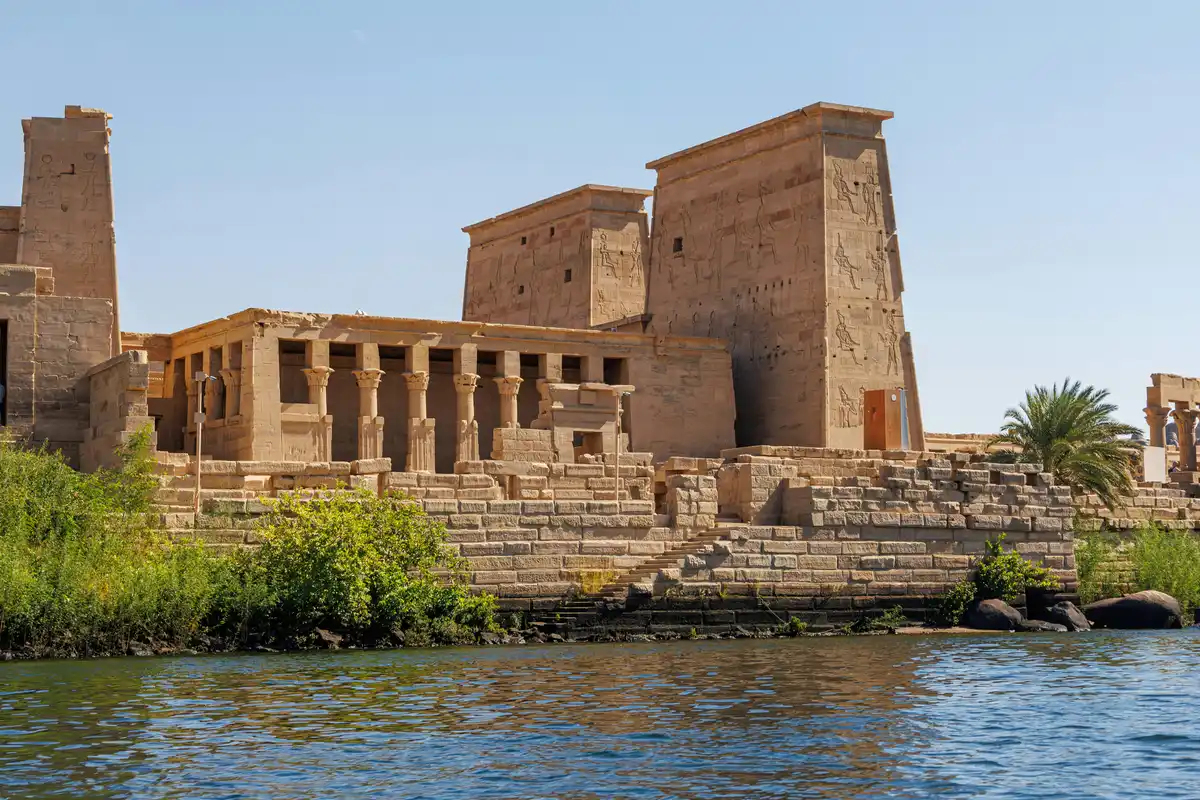
The river is the only part of the trip where you stop moving. The temples come to you, the scenery changes without you doing anything about it, and the evenings are the reason people book this part twice in a lifetime.
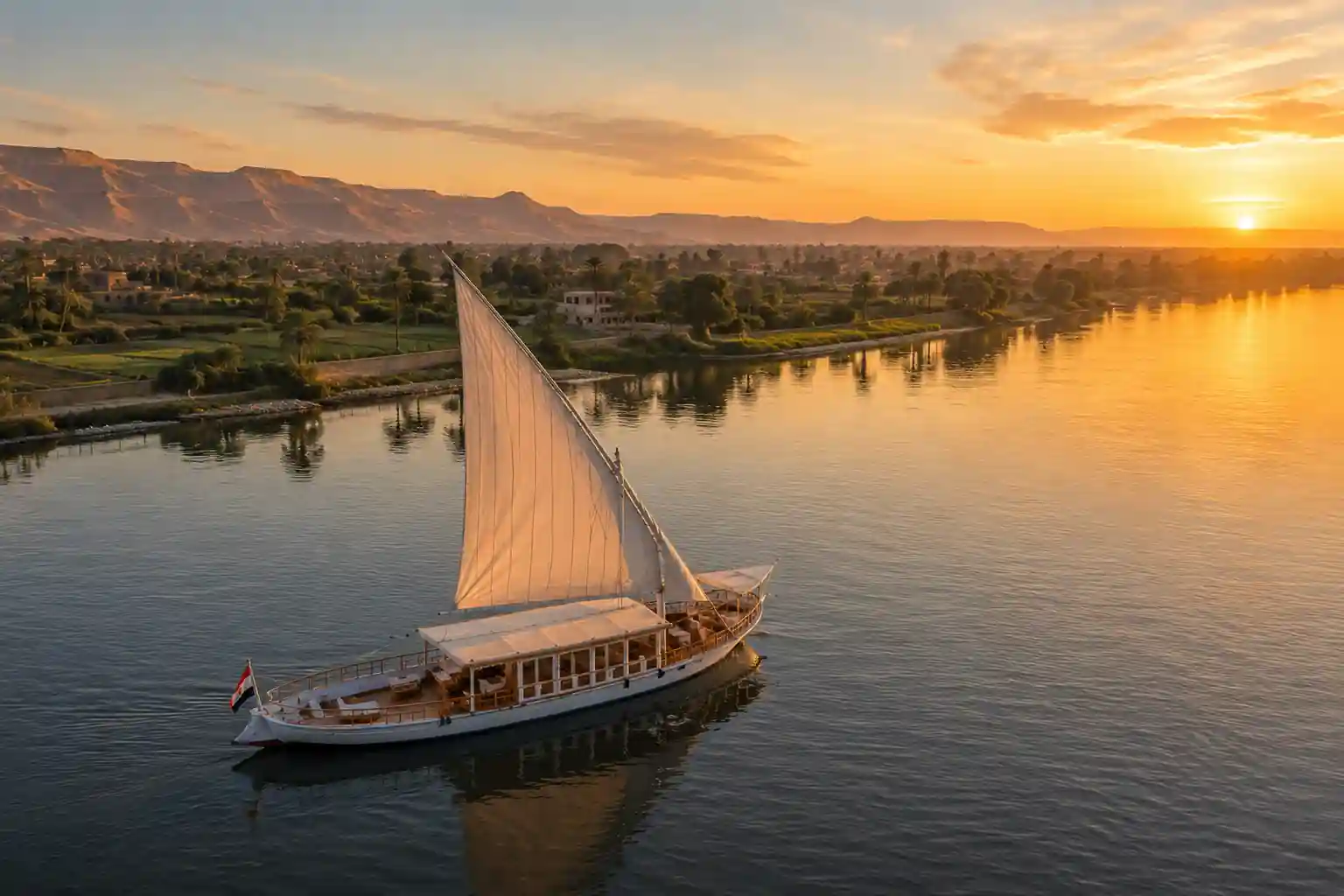
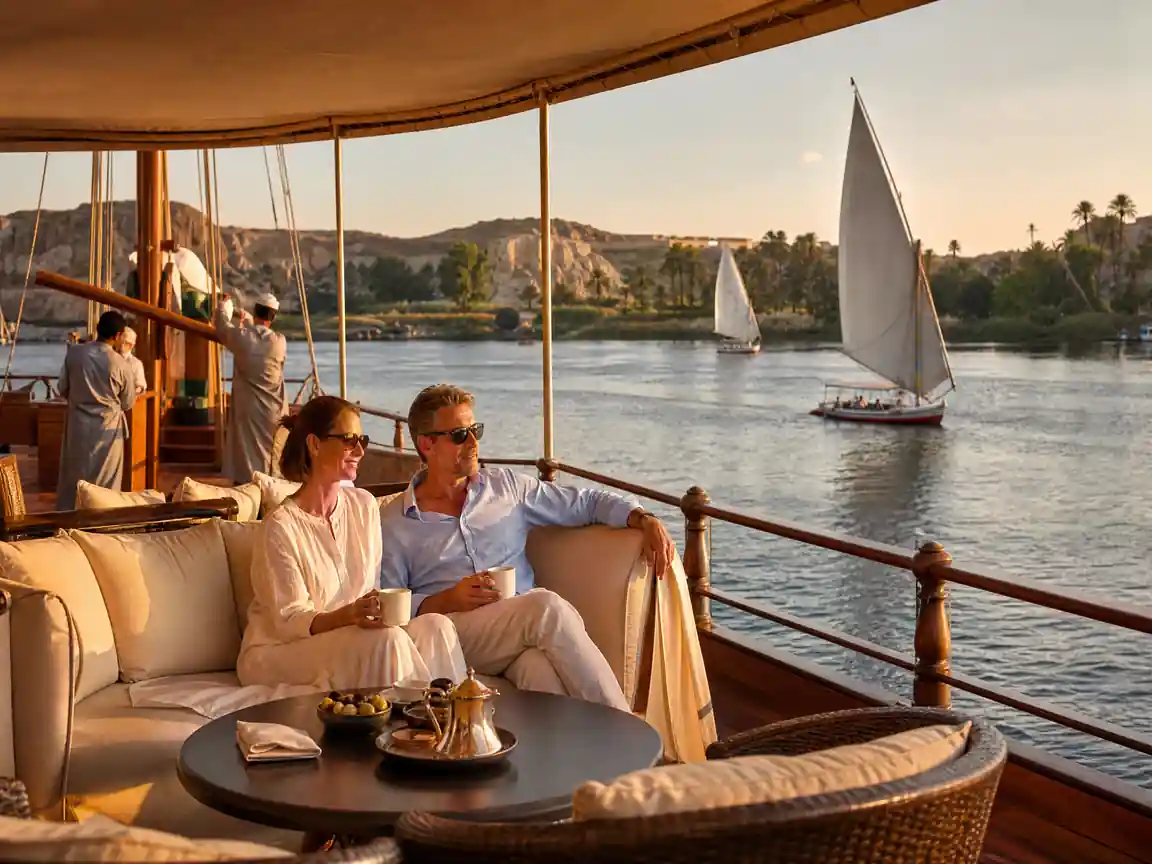
What surprises people is how little happens on a dahabiya, and how much they like it. You read, you watch the bank go past, somebody brings tea. There are two temples in a day at most, and long stretches with nothing scheduled between them.
Aswan to Luxor rather than the reverse, if you have the choice. It is the gentler direction, the sailing is slower, and it ends you in Luxor with the west bank still ahead of you rather than behind.
Dahabiya, Small Ship or Large Ship
This is the single decision that changes the trip more than any other.
A dahabiya is a sailing boat with a handful of cabins. Private ones exist and we run them. It moors in places the bigger boats cannot reach, it is quiet, and for two people who have just spent a year organising a wedding it is usually the right answer.
A boutique ship carries more people with more facilities and a fixed schedule. A large ship carries a great many more and moors alongside others, which means your window can face somebody else's cabin.
The full comparison, including what to ask about each category, is in the guide to choosing a Nile cruise. For a honeymoon the short version is that the smaller the boat, the more of the trip belongs to you.
The Beach Half, and Whether You Need One
Three or four nights, and only at the end.
The Red Sea coast is where couples stop being tourists. The water is warm, the reefs are genuinely good, and after a week of early mornings the appeal of a day with no plan in it becomes obvious.
The Hurghada guide covers what is actually there. El Gouna and the quieter stretches south are worth asking about if a resort strip is not what you had in mind.
You can also skip it entirely. Couples who want ruins and river and nothing else should say so, and get two more nights on the water instead.
What These Trips Usually Include
The phrase egypt honeymoon packages normally means a fixed route at a set price, and the price is the reason it is fixed.
What is generally inside: internal flights, hotels, the cruise, guided sightseeing, entrance fees, transfers. What is generally outside: international flights, visas, tipping, drinks, and anything described as optional.
Read the word private carefully. It is used for the vehicle, for the guide and for the boat, and a package can be private in one of those senses and shared in the others. Ask which.
Ask also who the guide is and whether it is the same person throughout. One guide who travels with you for the whole trip is a different experience from a different local guide in each city, and it is not always obvious from the itinerary which you are buying.
Privacy, Which Is the Whole Point
Everything above is a proxy for this one thing.
A honeymoon here is not about seeing more. You will see the same temples as everyone else. What you are arranging is when you see them, who else is standing there, and how much of each day belongs to the two of you rather than to a timetable.
That is why the private car and driver throughout matters more than the hotel category, why the early access matters more than the entrance ticket, and why a small boat beats a large one even when the large one has a better spa.
It is also why the photographs come out differently. A temple courtyard at seven in the morning with nobody in it does not need a photographer to look like something. The same courtyard at eleven does, and even then it is a crowd scene.
The Practical Things Nobody Mentions
Book the flights in the name on your passport, not your new married name. Changing a passport after the wedding and before the flight is the single most common way this trip goes wrong in the first hour.
Tell us, and tell the hotels, that it is a honeymoon. Egyptian hospitality takes this seriously and the results are better than anything you could arrange yourself.
Pack one outfit each that covers shoulders and knees. Mosques and churches ask for it, and a shawl bought in a hurry outside the door is nobody's favourite photograph.
Bring cash in small notes for tipping. It is constant, it is expected, and it is easier when you are not breaking a large note every time.
Keep one small bag packed for the boat. Cabins are smaller than hotel rooms, and the large case can travel separately and meet you in Luxor.
Anniversaries and Vow Renewals
The same trip, with one difference: you already know each other's tolerance for early mornings.
Couples come back for tenth and twenty fifth anniversaries, and a good number of them ask for a vow renewal somewhere on the river or in front of a temple. That is arranged rather than bought, and it needs a few weeks of notice and a conversation about what you actually want rather than what a brochure offers.
If you came here on a group trip years ago and want to do it properly this time, say that too. It changes what we build.
A Ten Day Shape That Works
Three nights Cairo, one internal flight to Aswan, four nights sailing to Luxor, three nights on the Red Sea, out from Hurghada.
Stretch it to twelve and the extra two nights go on the river. Compress it to eight and the beach is the part that goes, not Cairo and not the Nile.
Fourteen days lets you add Abu Simbel properly, a second day on the Luxor west bank, and a day in Alexandria if the sea in the north appeals more than the sea in the east.

What to Ask Before You Book Anything
Five questions, and the answers tell you most of what you need to know.
Is the guide ours alone and the same person throughout. Is the boat private, or are we buying cabins on a shared one. What time do we reach each site, and who else is there at that hour.
What is not included. And who plans this, by name.
On that last one: here it is the owner, from the first call, which is why the questions above get answered rather than deflected.
Where to Start
Start with the dates, because everything else follows from them and because the good boats go first in the high season.
The month by month guide is the honest version of when to come, including the months we would talk you out of. Our Nile cruise itineraries show the river sections as they are usually built, and the honeymoon version of any of them is the same route with the pace taken out.
Then send the dates and the two or three things that matter most to you. That is enough to start with.
Couples finishing a temples itinerary often add three nights at the Oberoi Sahl Hasheesh, where every suite has a private courtyard or garden of its own and some have private pools.
If you are choosing between itineraries rather than reading around the subject, the three egypt honeymoon packages are built not to overlap: seven days ending on the Red Sea, nine on the Nile, or ten running out to Alexandria.
If you are still deciding whether the country suits the trip at all rather than comparing itineraries, the article on honeymooning in Egypt works through safety, the best months, how long to go and how much walking to expect.