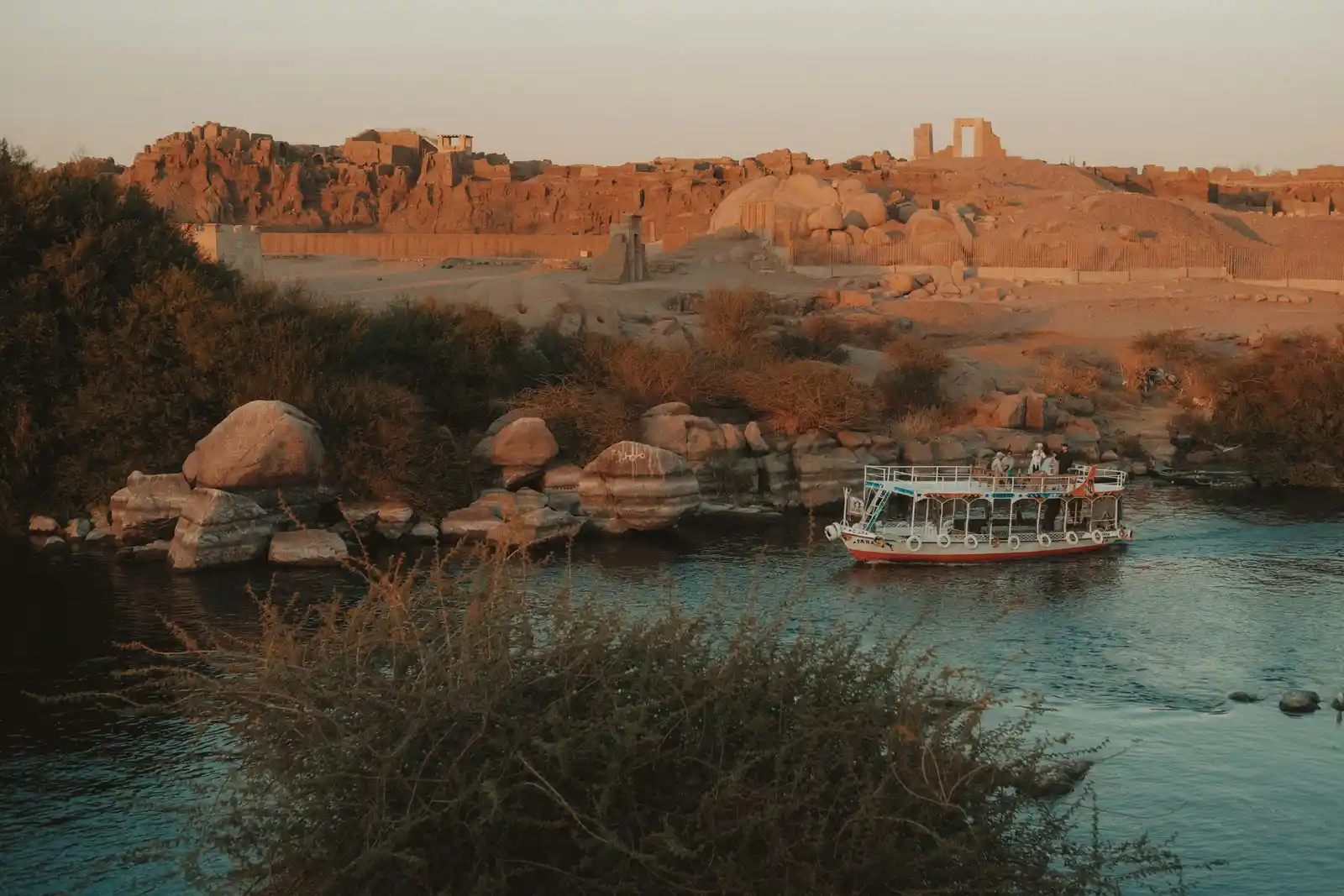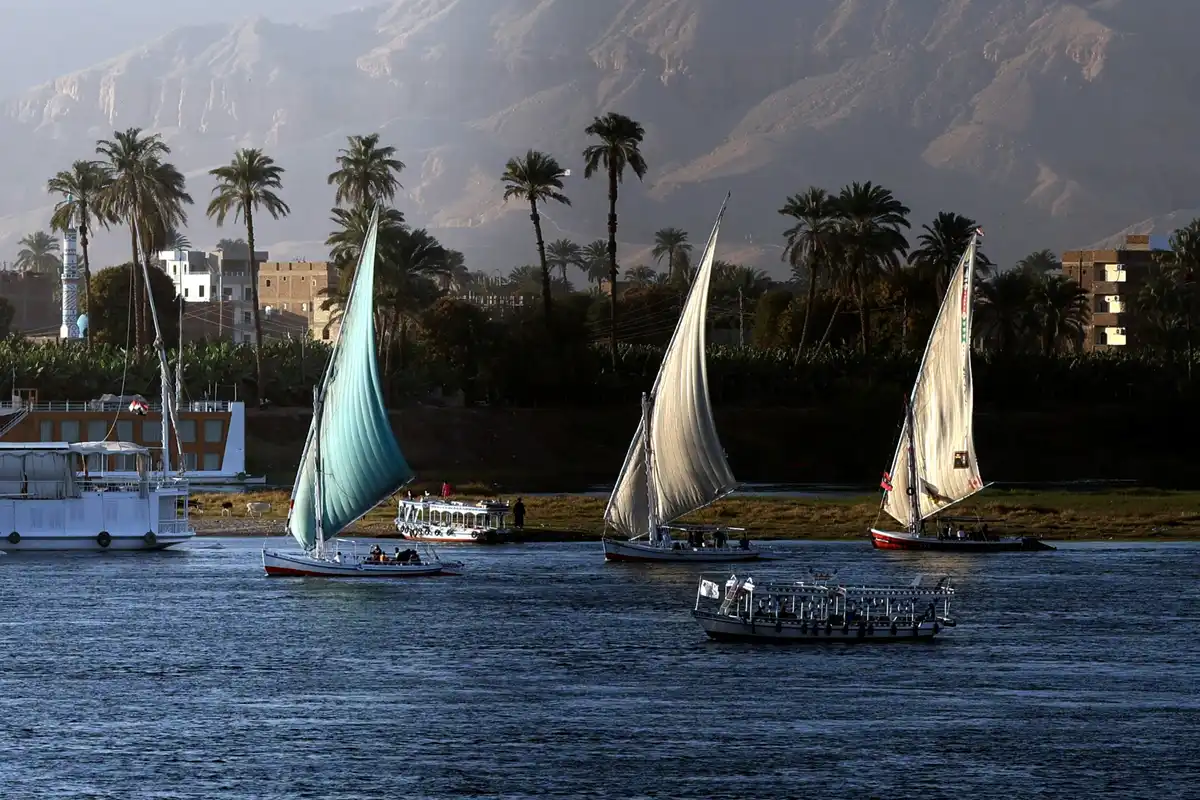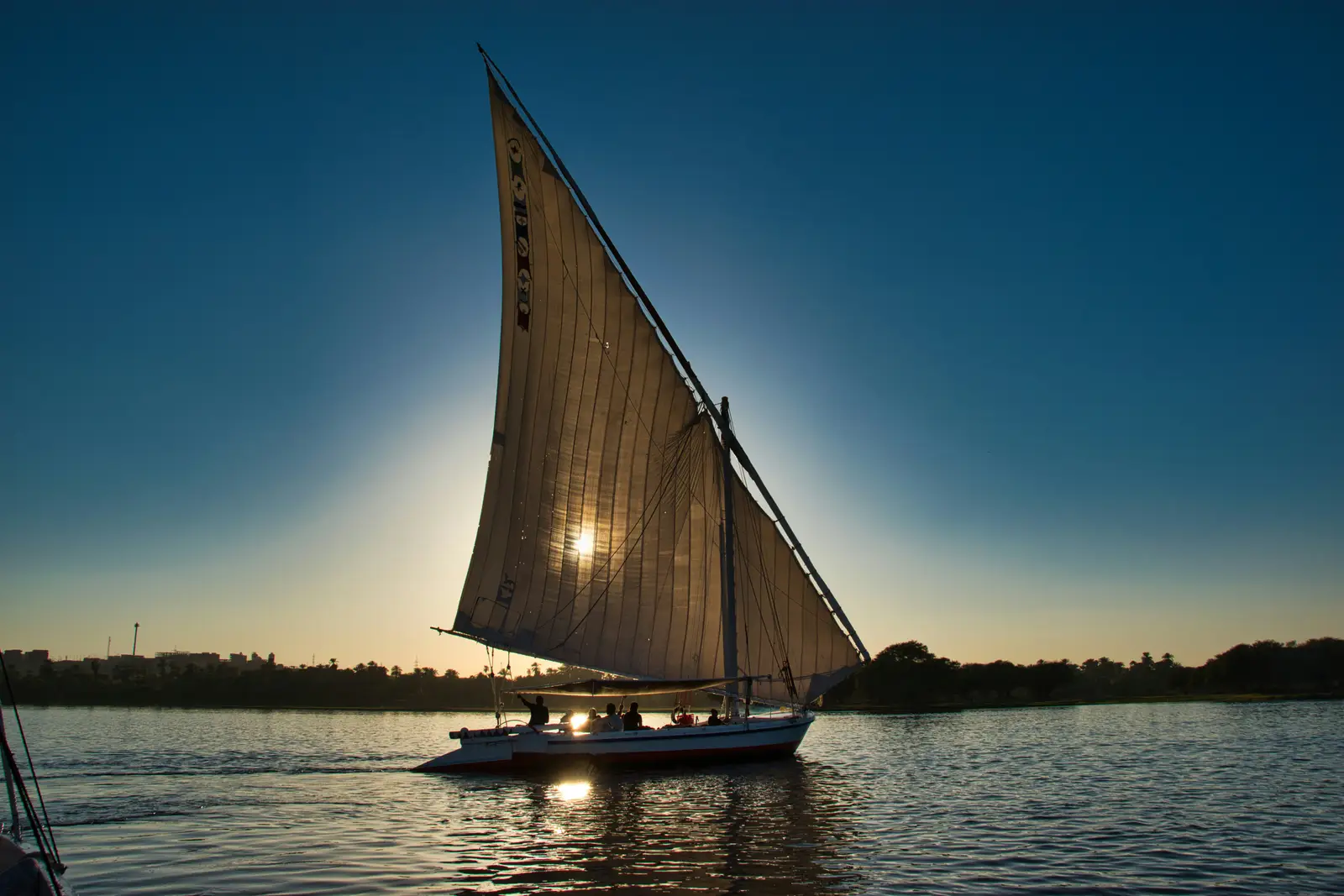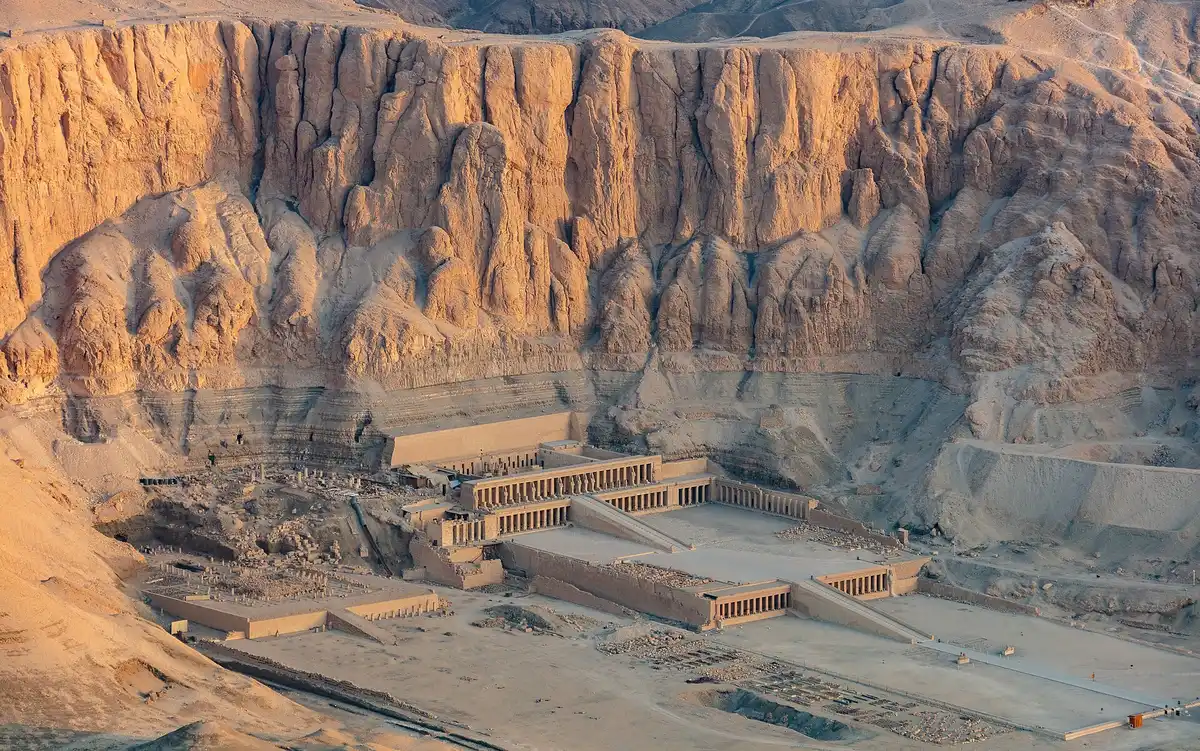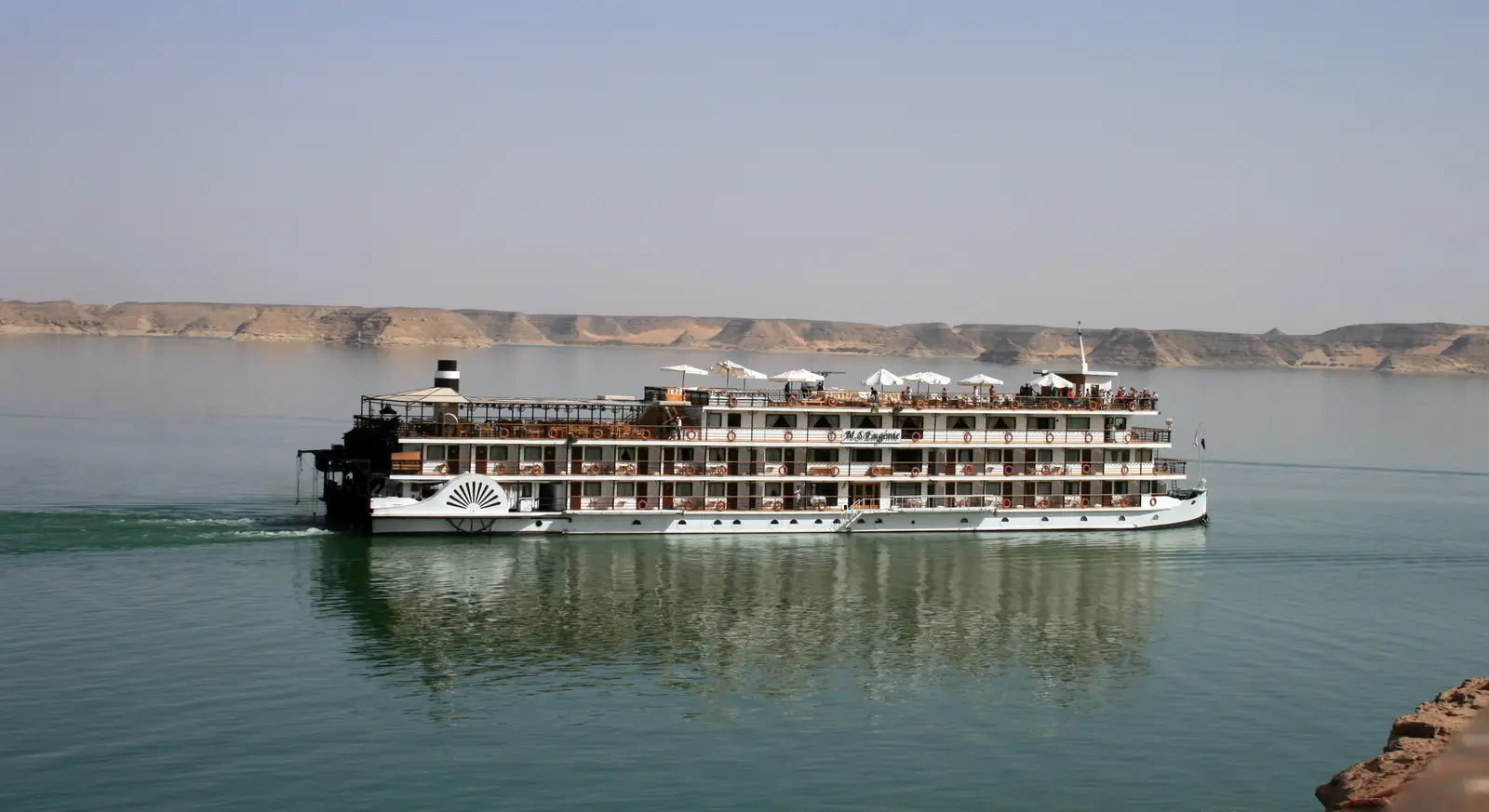
Lake nasser cruises sail the drowned Nubian valley between the Aswan High Dam and Abu Simbel, over three or four nights. Four temples rescued from the rising water stand on the shores, there are almost no other vessels, and the whole thing is a different proposition from the Nile.
What the Lake Is
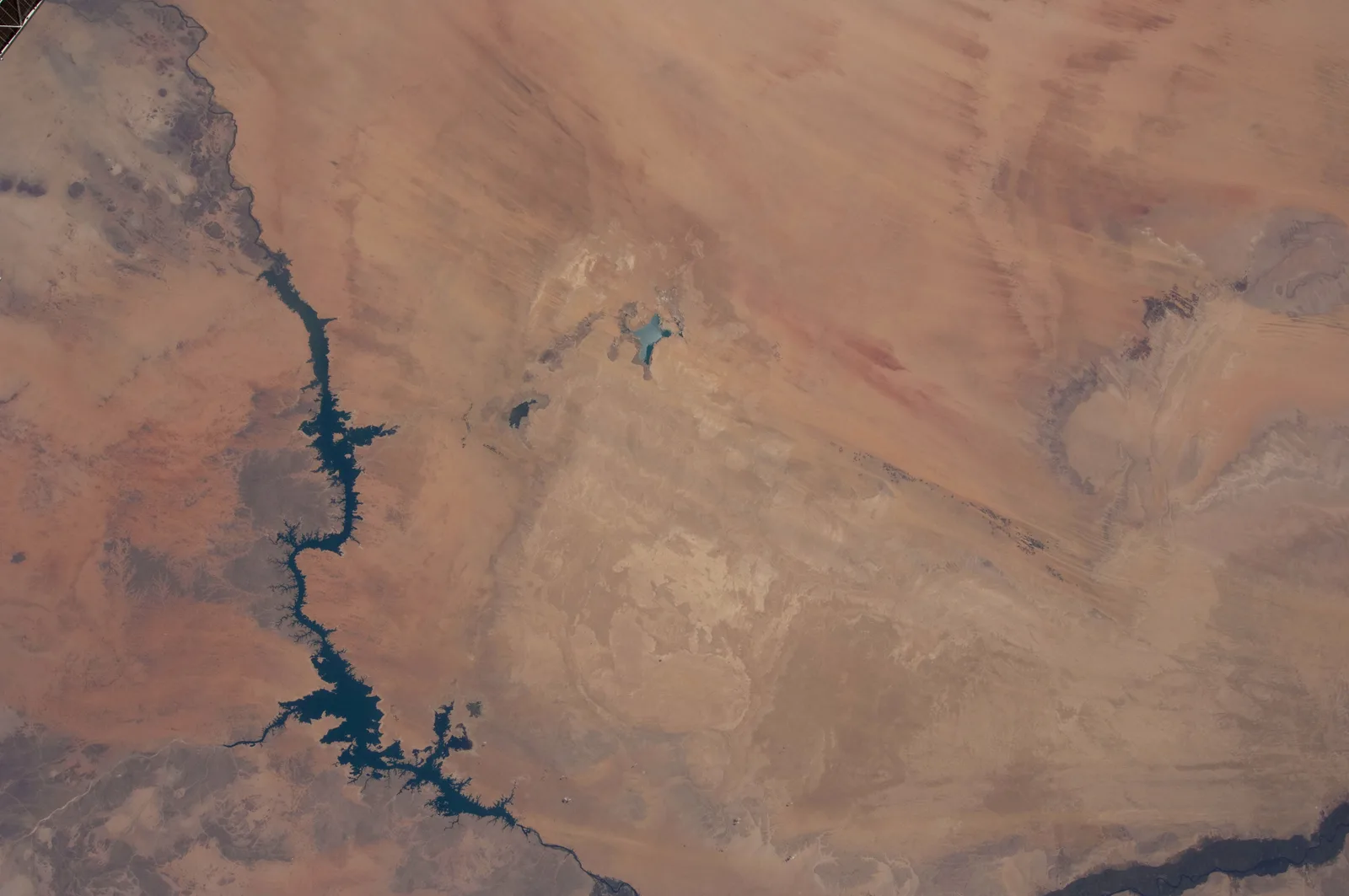
The reservoir behind the Aswan High Dam, about 500 kilometres long, with roughly a fifth of it across the border in Sudan where it is called Lake Nubia.
It was filled through the 1960s and 1970s. What it covered was Nubia: villages, farmland and a string of temples that had stood on the riverbank for three thousand years. The population was moved north and the temples were cut up and rebuilt on higher ground, which is the only reason any of them survive.
So the water is young and what stands beside it is very old, and the two facts sitting together are most of why the place feels the way it does.
The rescue was a UNESCO operation running through the 1960s, and it is the reason the organisation has the antiquities mandate it has today. Twenty two monuments were moved in total. Several went abroad as gifts to the countries that funded the work, which is why a Nubian temple stands in a New York museum courtyard.
The Temples on the Shore
Four rescued sites, plus Abu Simbel itself at the southern end.
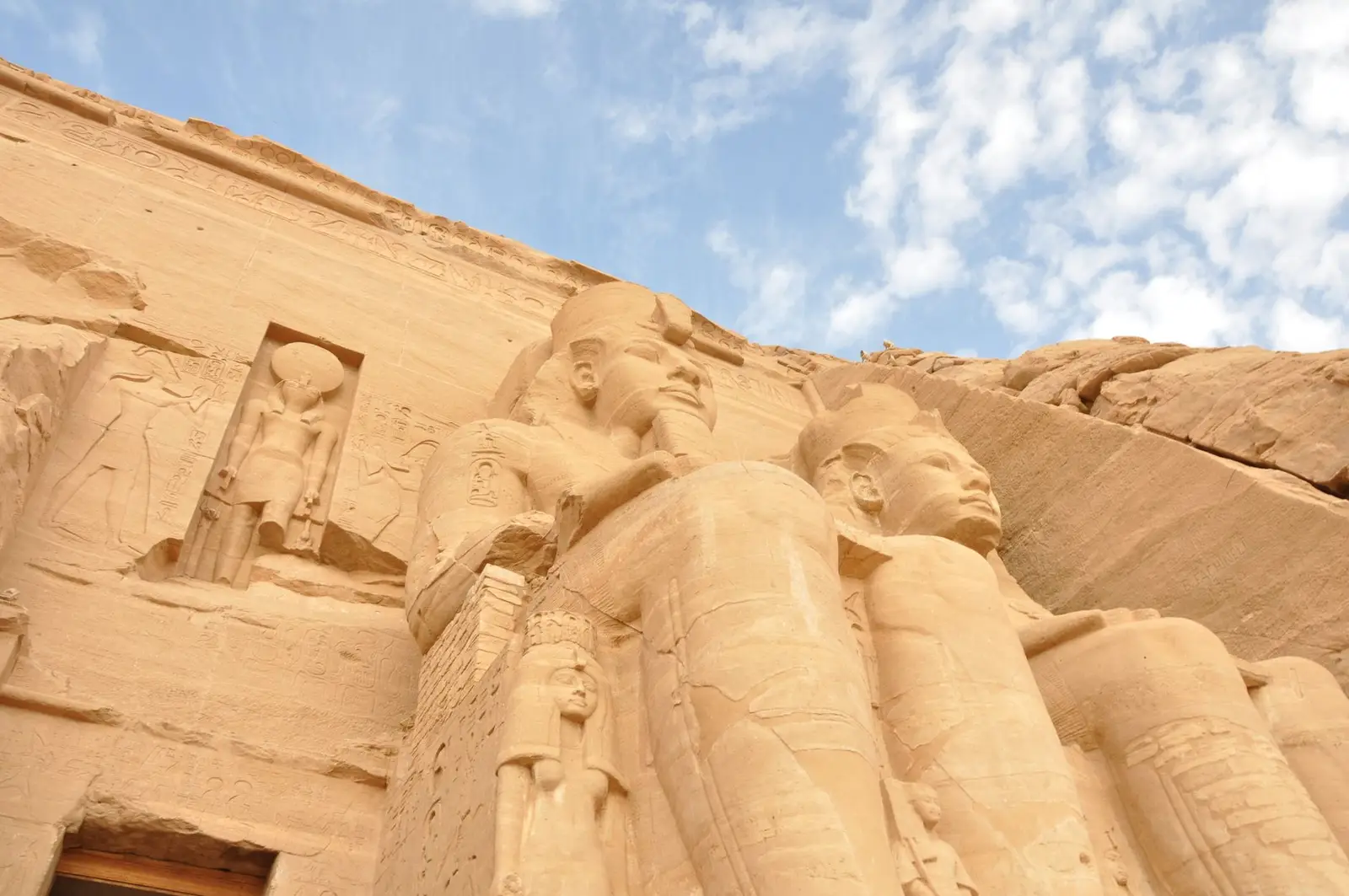
Kalabsha, Beit el Wali and Kertassi were moved to a headland just south of the dam and are usually seen on the first afternoon. New Sebua, Dakka and Maharraqa stand together further south. Amada and Derr, with the tomb of Pennut, sit beyond that, and Amada was moved in one piece on rails rather than being cut apart.
Then Abu Simbel, which almost everyone reaches by road or air from Aswan and which arrives from the water on this itinerary instead. Seeing it that way, at dawn, with the boat at anchor and nothing else on the lake, is the argument for the whole trip.
How Lake Nasser Cruise Ships Differ From Nile Boats
| The lake | The Nile | |
|---|---|---|
| Vessels working it | A handful | Hundreds |
| Nights | 3 or 4 | 3 to 7 |
| Moorings | At anchor, off shore | Quays, often several boats deep |
| Sites | Rescued Nubian temples and Abu Simbel | Esna, Edfu, Kom Ombo, the two cities |
| Ashore | Almost nothing, no towns | Villages, markets, working riverbank |
| Season | October to April, hotter than the north | October to April |
The emptiness is the point. Where a Nile boat ties up alongside others, a boat here drops anchor off a temple with no road to it and nothing else in sight.
The Route, and Which Direction
Aswan to Abu Simbel takes four nights; Abu Simbel back to Aswan takes three.
Southbound is the usual choice because it builds towards Abu Simbel rather than starting with it, and because the last morning at anchor off the great temples is a better ending than a beginning. Northbound suits you if you have already flown to Abu Simbel or want to end near the airport at Aswan.
Either way you finish where the classic route starts, which is the practical reason this works as an addition to a Nile trip rather than instead of one.
What Lake Nasser Cruise Boats Are Like
Small by cruise standards, and there are very few of them.
Cabins, a dining room, a sun deck, and not much else. No shops, no entertainment, no second restaurant. The sun deck is the social space and the temples are the programme.
Because so few vessels work the lake, availability rather than choice is the constraint. You are usually picking a date and taking what sails on it, which is the opposite of the Nile.
Ask what is included before you book. Full board is standard; drinks, temple fees and the crew tips usually are not.
Getting There and Away
Every version of this starts or ends at Aswan, and the far end is Abu Simbel.
Aswan has its own airport with frequent connections to Cairo and to Luxor, so the northern end is straightforward. Abu Simbel has a small airport served by short flights from Aswan, and the road between the two takes about three hours across empty desert and is usually driven in convoy in the early morning.
Which end you fly into changes the direction you sail, so settle the flights and the sailing together rather than in sequence. Whoever is building the trip should be doing both at once.
Fish, Birds and the Other Reason People Come
The water itself draws a second kind of visitor entirely.
Nile perch grow to considerable size here and the lake has a reputation among anglers that has nothing to do with temples. Fishing trips run separately from the temple itineraries, on different boats, and the two rarely mix.
Birdlife is the overlap. The shoreline is a stopping point on a major migration route and the early mornings at anchor are good for it without any effort on your part. Bring binoculars if that appeals; nobody on board will be surprised.
Crocodiles live in the lake, which is why nobody swims in it. That is worth saying plainly because the water looks inviting from a sun deck.
Who It Suits, and Who It Does Not
Second visits, and travellers who already know they want quiet.
If you have not yet seen Karnak, the Valley of the Kings or the Giza plateau, those come first. The lake is a remarkable few days and it is not a substitute for the headline sites, and a first trip that swaps one for the other usually regrets it.
It suits people who found the northern river busier than they expected. It suits photographers. It does not suit anyone who wants a town to walk into in the evening, because there is not one.
Families with young children generally do better on the Nile, where there is more happening and the days are shorter.
Anyone with limited mobility should raise it early. The temples here sit above the waterline on rebuilt platforms, the approaches are rough and there is no alternative route to most of them, so it is better planned around than discovered on the day.
What Lake Nasser Cruises Packages Usually Contain
The sailing, full board, the guide and the temple visits, with transfers at both ends.
Outside the price, as a rule: flights to or from Abu Simbel, drinks, entrance fees in some cases, and tipping. The Abu Simbel flight is the line worth checking first, because it is the largest of them and it is easy to assume it is included.
Visa and insurance are yours in every case, as anywhere.
Ask also whether the guide is an Egyptologist travelling with the boat or someone who joins at each temple. On a route this quiet the guide is a larger share of the experience than usual, because there is nothing else scheduled between the sites.
Adding It to a Classic Trip
A lake nasser cruise and stay arrangement is the usual shape: the southern sailing, then a hotel in Aswan, then the Nile going north.
The lake pairs naturally with a Nile cruise between Luxor and Aswan. See our Nile cruises and our Egypt tour packages for how it fits into a full itinerary.
That gives you two boats and two quite different weeks, with a night or two on land in between to change pace. It adds four or five days to a trip and is the reason most people who do it are travelling for a fortnight rather than ten days.
The classic route between the cities covers the northern half, and the comparison of boat categories covers what to ask about any vessel on either water.
When to Go
October to April, and the window is slightly tighter than on the Nile.
The lake sits further south and runs hotter. November to February is the comfortable core of it. October and April are workable with early starts, and the summer months are genuinely punishing this far down.
The Aswan guide covers the city where every version of this starts or ends, and our Nile cruise itineraries show the northern sailing that this attaches to.