Aswan is the one Egyptian city where the river is the attraction.
That sounds like a line from a brochure and it is not. Every other stop on a standard trip is a building you go and look at; here the granite islands, the sails, the light on the water and the desert starting at the far bank are the thing itself, and the monuments are arranged around it. Which is why most lists of things to do in aswan get the order wrong: they rank by what is easy to group into a morning rather than by what you would be sorry to have missed.
Here is the order that actually matters, and then how it collapses into one day, two or three.
1. Philae Temple
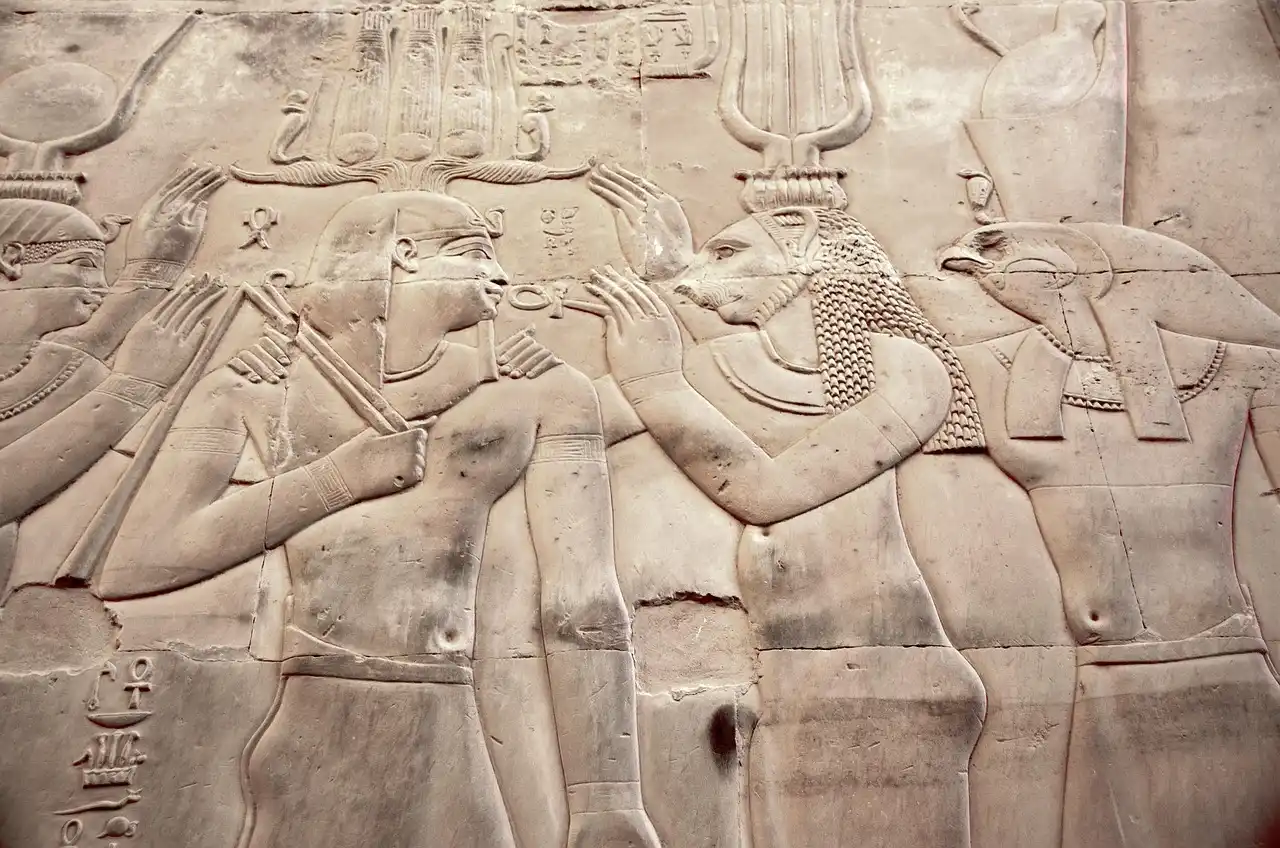
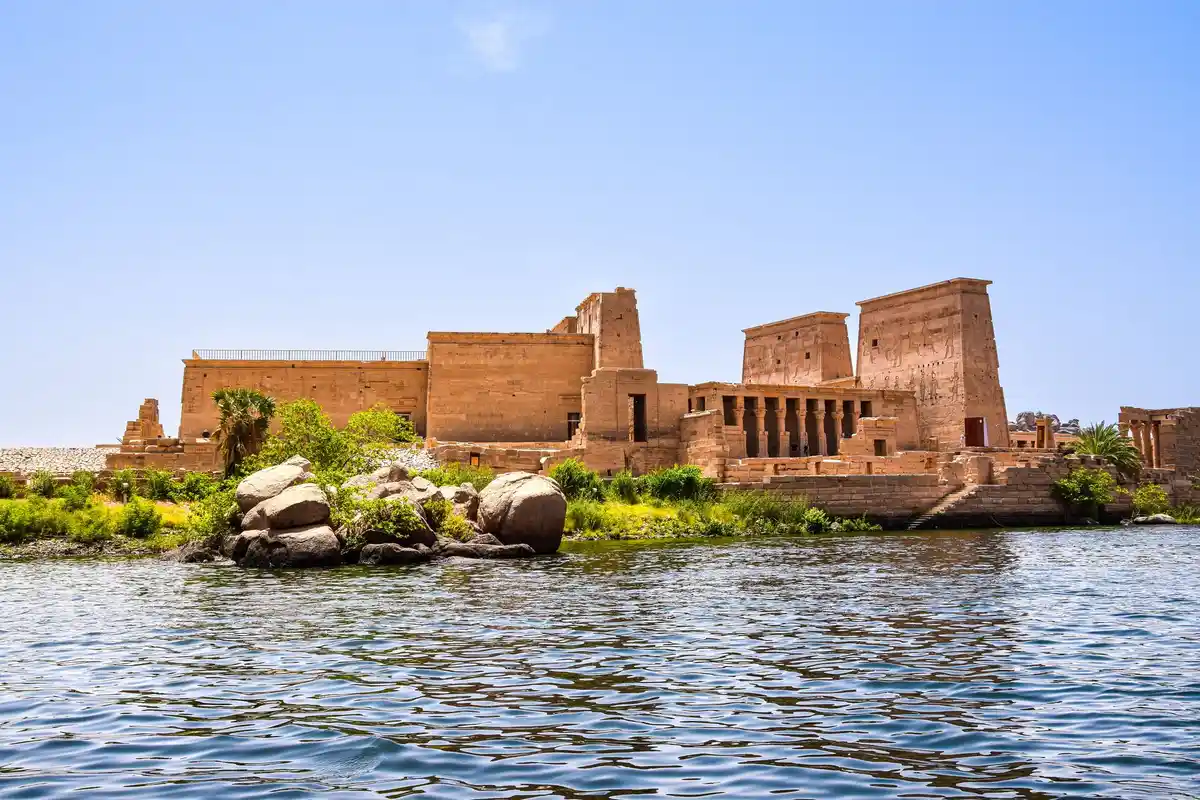
The first thing, on any length of stay. Philae is a Ptolemaic temple of Isis on an island, reached by a ten minute motorboat, and the approach across open water is half the experience.
It was moved. The original island flooded when the first Aswan dam was raised, leaving the temple underwater for most of the year for six decades, and in the 1970s the whole thing was cut into more than 40,000 blocks and rebuilt on Agilkia island nearby. The engineers reshaped Agilkia to match the original profile.
Go at opening or in the last two hours. The middle of the day here is an island of hot stone with almost no shade.
Allow ninety minutes ashore plus the boat each way. The sound and light show runs in the evening and divides opinion sharply: the temple lit at night is genuinely beautiful and the narration is not, so treat it as a second visit rather than a first.
2. A Felucca at Sunset
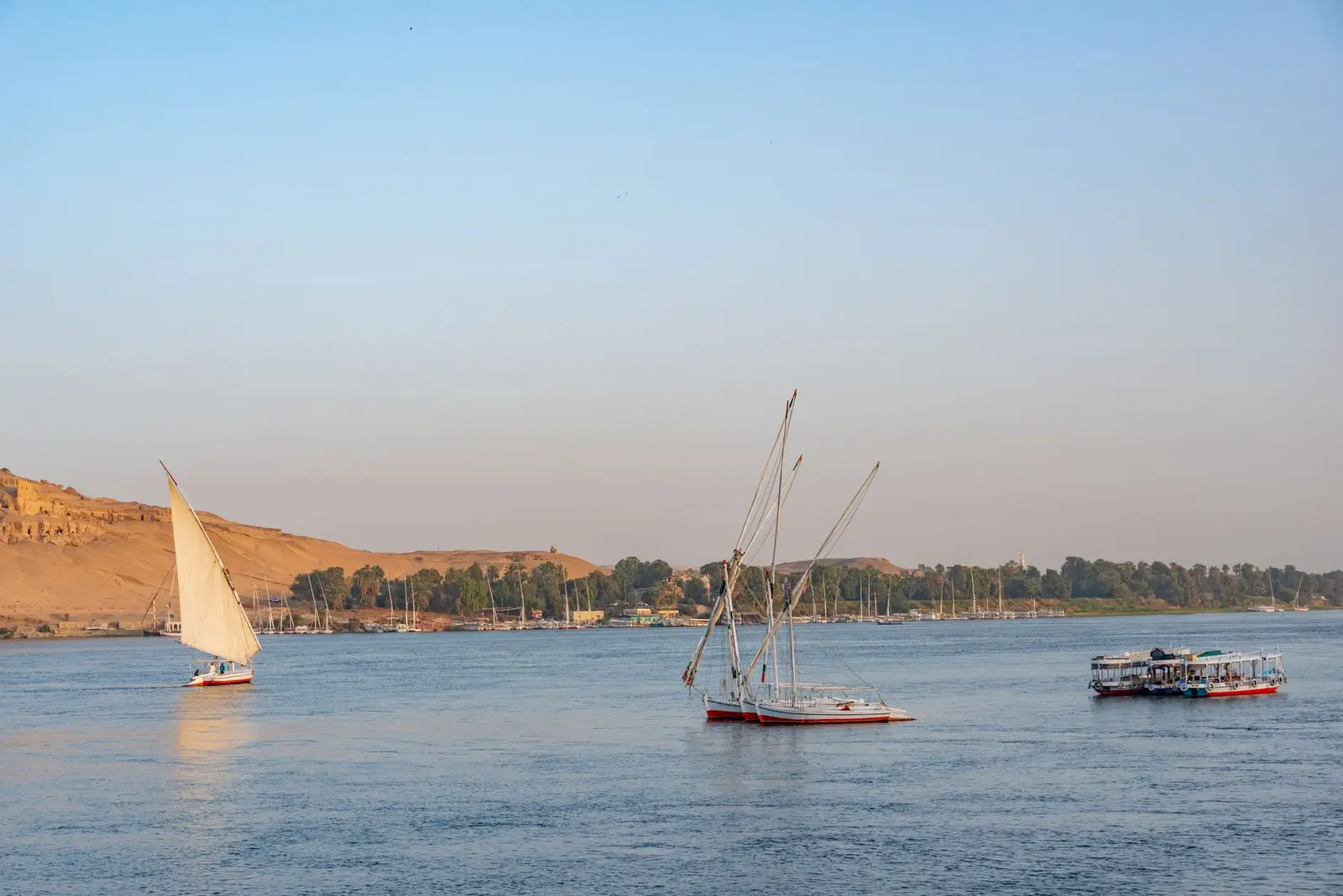
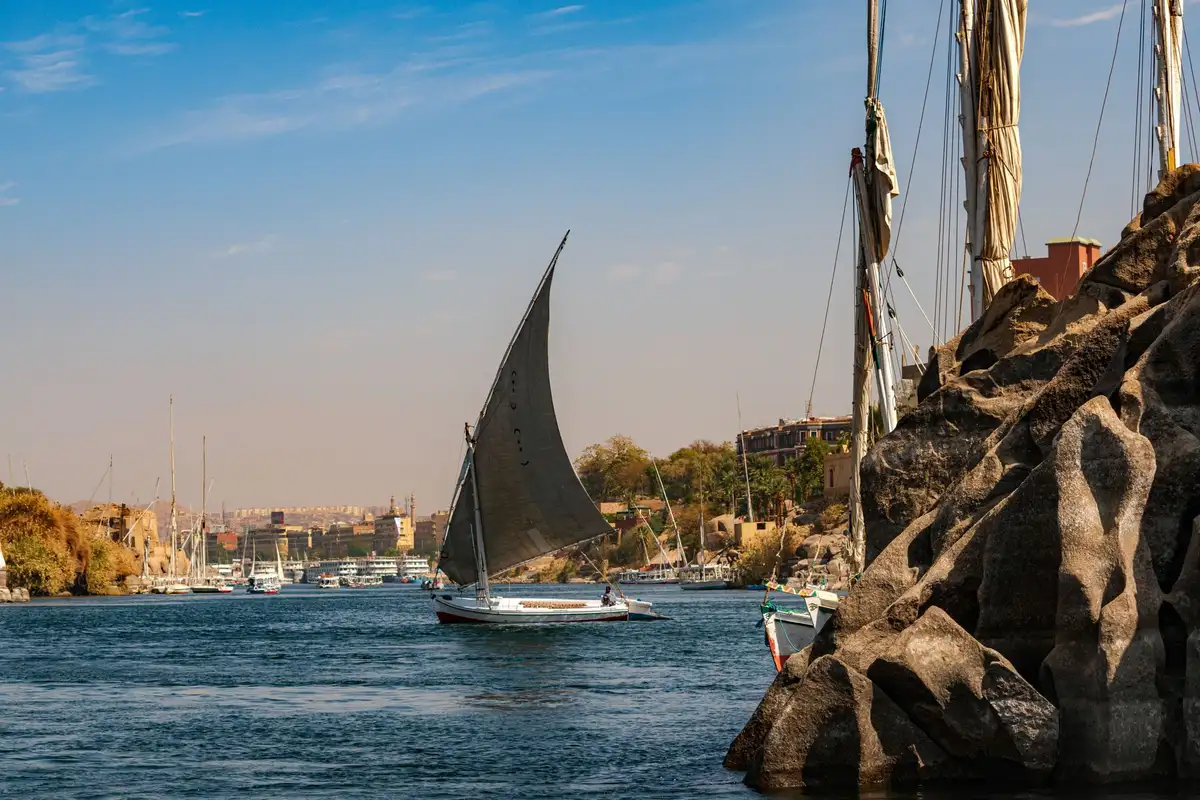
An hour on a sailing boat, no engine, between Elephantine and the west bank. This is the thing people remember a year later, and it is close to the cheapest item on the list.
The wind is reliable in the late afternoon and unreliable at other hours, which is why every boatman will push you toward five o'clock. They are right.
Agree the price and the duration before you step aboard, and be specific about whether you are stopping anywhere. An hour of sailing and a two hour trip with a village stop are different products at different prices.
3. The Nubian Villages
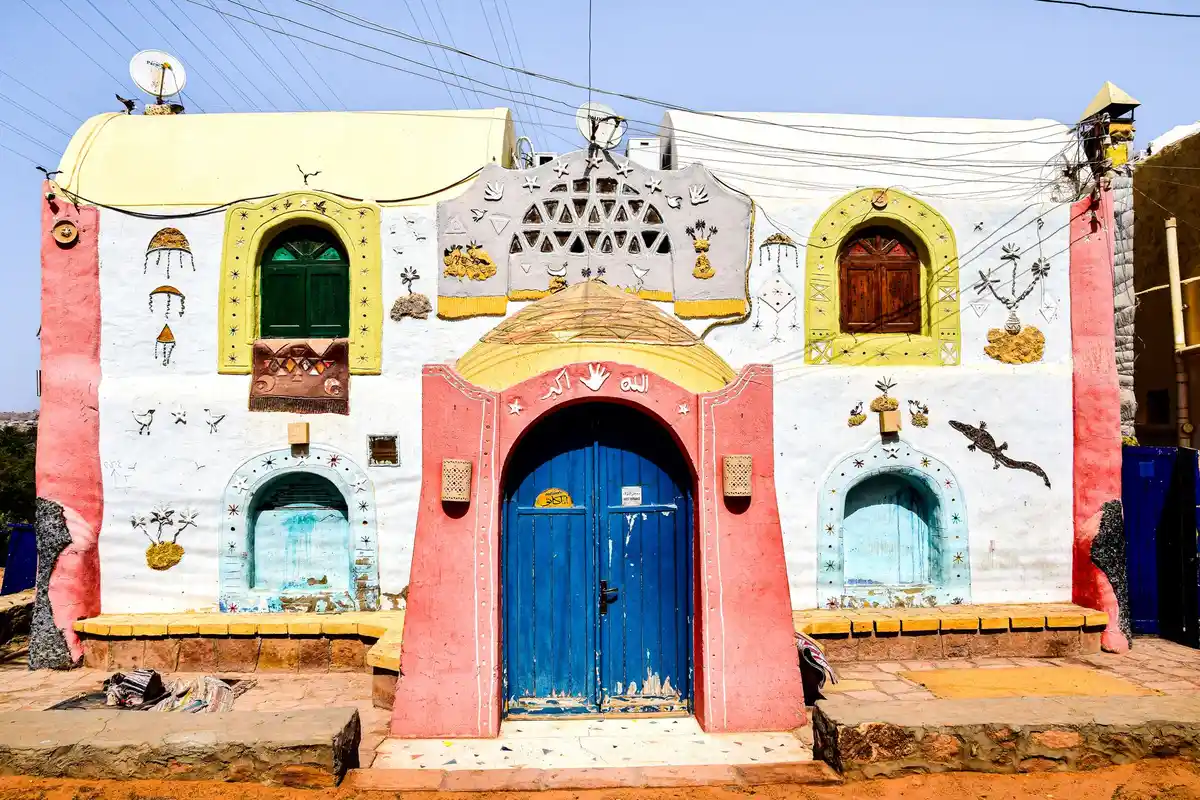
An afternoon in a living community rather than a monument, on the west bank at Gharb Soheil or on Elephantine at Koti. Tea in a family house, painted streets, a boat crossing each way.
It is the one half day here that is about people who live in Aswan now rather than people who died three thousand years ago, and for many visitors that is a relief by day three. The guide to visiting one covers what to expect and how to be a reasonable guest.
4. Elephantine Island
The island opposite the corniche, with two Nubian villages, a ruined town site, a museum and a nilometer cut into the rock at the water's edge.
Elephantine was the frontier town: the southern border of Egypt proper, the customs post, the garrison, and the place where the annual flood was first measured each year. The ruins are modest and the location is extraordinary.
The public ferry costs almost nothing and runs constantly from the corniche. Most visitors never take it, which is the main reason to take it.
5. The Unfinished Obelisk
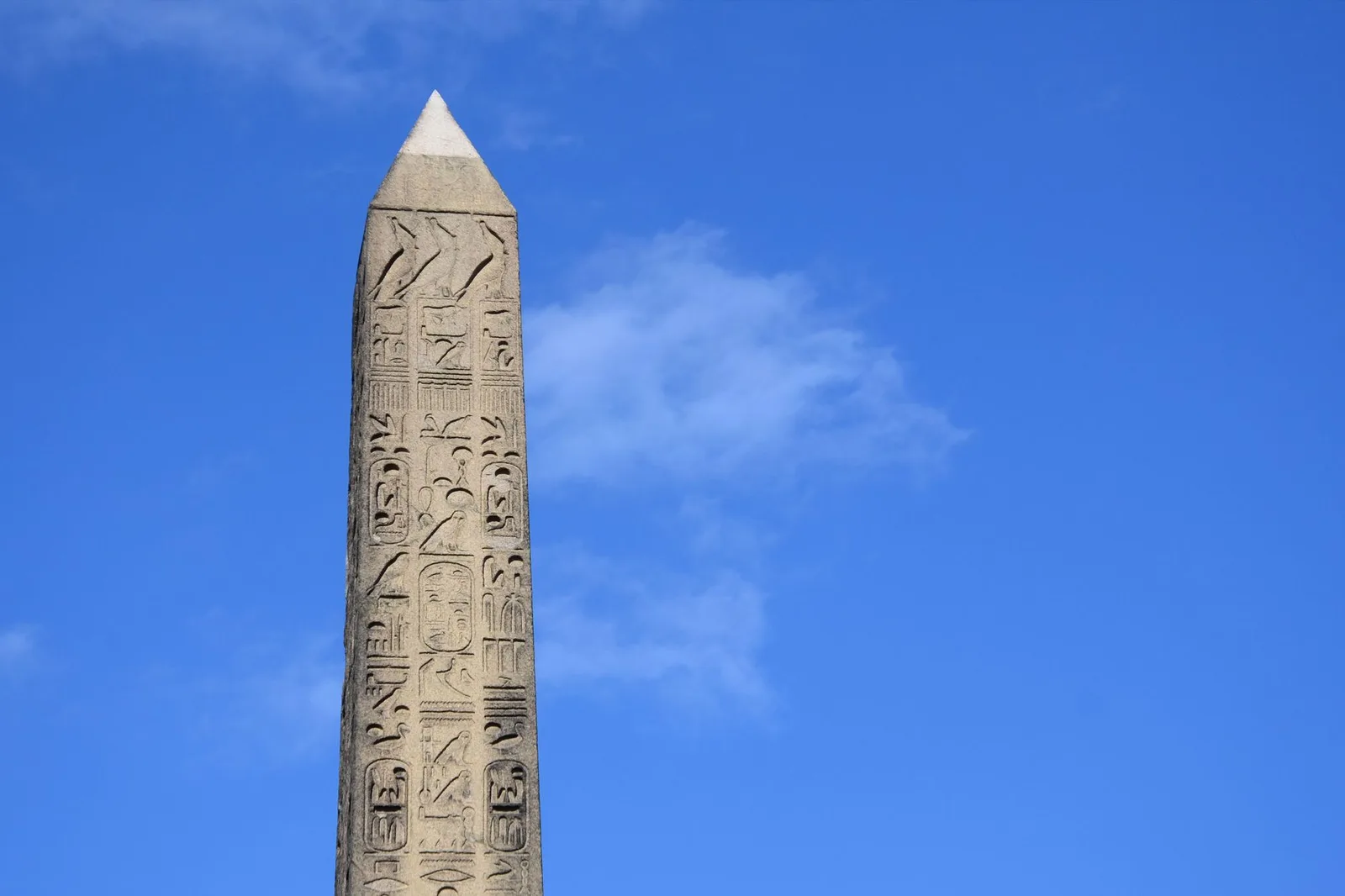
A granite obelisk still attached to the bedrock, abandoned when it cracked, lying in the quarry where it was being cut. Had it been raised it would have stood about 42 metres and weighed over a thousand tonnes, larger than any obelisk ever erected.
Thirty minutes is enough. What makes it worth those thirty minutes is that it is the only place you see the process rather than the product: the trenches, the pounding marks, the point where the stone failed and the whole project stopped.
Go early. It is an open quarry with no shade at all and it faces the sun for most of the day.
6. The High Dam and Lake Nasser
Usually bundled with Philae because they are close together. The dam itself is twenty minutes of looking at a very large embankment and reading a monument to the Soviet engineering partnership.
The lake behind it is the interesting part: 500 kilometres long, reaching into Sudan, the reason Abu Simbel and Philae both had to move and the reason some 50,000 Egyptian Nubians were resettled. Seeing it explains half the modern history of this region.
If your day is tight, this is the first thing to cut.
7. The Tombs of the Nobles and Qubbet el Hawa
On the west bank cliff facing the town, a row of Old and Middle Kingdom tombs cut for the governors of Elephantine, reached by a steep climbed staircase.
The tombs themselves are modest next to anything in Luxor. The climb, and the view back over the river, the islands and the town from the terrace outside them, is one of the best half hours in Aswan and almost nobody does it.
One tomb here is worth knowing about before you climb. Harkhuf was a governor who led four expeditions south into Nubia in the sixth dynasty, and the autobiography carved at his entrance quotes a letter from the boy king Pepi II telling him to take good care of the dancing pygmy he was bringing back. It is one of the oldest royal letters to survive, and it was written by an excited child.
8. The Monastery of St Simeon and the Aga Khan Mausoleum
A seventh century fortified monastery in the desert behind the west bank, reached by boat and then a short walk or a camel ride, with the domed mausoleum of Aga Khan III on the hillside nearby.
The monastery is substantially intact, with vaulted cells and a refectory, and there is usually nobody there. It pairs well with the Nobles' tombs on the same west bank half day.
9. The Nubian Museum
The best museum between Cairo and Abu Simbel, built in the 1990s to hold what was recovered before the flooding and to tell the Nubian story properly rather than as a footnote to pharaonic Egypt.
It is air conditioned, well lit and takes about an hour. Put it in the middle of a hot afternoon, which is the slot nothing outdoors can fill between May and September.
The section on the resettlement is the part to give time to. Photographs of the villages before the water, the salvage archaeology, the lists of what was moved and what was not. Most visitors arrive knowing Abu Simbel was relocated and leave understanding that a whole region was.
Ranking the Things to Do in Aswan Egypt Actually Rewards
Aswan punishes a packed schedule more than any other Egyptian city, because the heat is worse and the distances involve boats. Three sites in a day is a full day here. Five is a bad day.
So the ranking above is not a list to work through. It is an order of sacrifice: start at the top, stop when the day is full, and leave the rest rather than compressing everything into forty minute stops.
The other thing worth saying plainly is that two of the top three are not monuments. A sunset sail and an afternoon in a village beat six of the ancient sites on this list for most visitors, and almost every itinerary sold puts them last or leaves them out.
What to Cut, by How Long You Have
One full day: Philae at opening, the unfinished obelisk on the way back, the Nubian Museum through the hot hours, a felucca at five. That is the day. Do not try to add the dam.
Two days: add the Nubian village on the second afternoon and Elephantine by public ferry in the morning. If you want Abu Simbel, it eats one of these days entirely.
Three days: add the west bank half day, the Nobles' tombs and St Simeon, and keep the third afternoon free. The best things to do in aswan on a third day are usually nothing in particular, on a boat.
What Most Lists Get Wrong
They put the High Dam second because it is next to Philae. It is a twenty minute stop that ends up eating a morning with the driving and the security checks, and visitors regularly tell you afterwards that they saw a dam.
They also leave the felucca to the end as an optional extra. On a two day stay in this city, an hour on the water at sunset is worth more than any monument except Philae, and it is the one thing you cannot get in Luxor or Cairo.
And they schedule Abu Simbel as if it were an Aswan attraction. It is 280 kilometres away and it is a day, not an outing. The Abu Simbel guide covers the flight and road decision, and the honest summary is that it costs you a full day either way.
Practical Things That Save Time
Buy the Philae boat separately from the ticket. The boatmen work on a fixed rate per boat, not per person, so a group of four pays the same as one person and it is worth pairing up at the jetty.
Entry prices at the Aswan sites change most years and are card only now. Check the current rate before you go, or ask your operator to confirm it with your itinerary.
Almost everything worth doing here is on or across the water, so build days around boat movements rather than road distances. Two sites on the same bank are closer in practice than two sites the map puts side by side.
The Aswan destination guide has the site by site detail, and our Nile cruise itineraries generally give the city two nights rather than the single night most schedules allow, which is the difference between seeing Philae and seeing Aswan.
Last thing, and it is the sentence most visitors wish someone had told them. The corniche in the evening, walking north with the sun going down behind Elephantine, is free, takes twenty minutes and is better than several of the things on this list.