On the night of 6 January, while most of the Christian world has already packed away its decorations, the churches of Egypt fill to the doors for Coptic Christmas. Families arrive in their best clothes, the hymns begin in a language descended from the one carved on temple walls, and the service runs until well after midnight. Then six weeks of fasting end at once, over plates of lamb and rice in homes across the country.
This is Coptic Christmas, the feast of the Nativity as kept by Egypt's Coptic Orthodox Church. It is a national public holiday, celebrated by the oldest Christian community in Africa, and for a visitor who happens to be in Egypt in early January it is one of the most memorable things the country has to offer. This guide covers the feast itself. For how the whole festive season works, including 25 December, see our guide to Christmas in Egypt.
Why Coptic Christmas Is on 7 January
The Coptic Church dates its feasts by its own ancient calendar, which keeps the older Julian reckoning rather than the Gregorian reform that most of the world adopted from the sixteenth century onward. Christmas falls on the 29th day of the Coptic month of Kiahk, and the drift between the two calendars places that day on 7 January in the modern calendar.
Nothing about the event is in dispute. The Copts celebrate the same birth on the same reckoned day; the gap of thirteen days is purely a matter of which calendar is counting. The same is true of the other Orthodox churches that keep 7 January, from Russia to Ethiopia.
Who the Copts Are
The word Copt comes, through Arabic, from the Greek word for Egyptian. The Coptic Church traces its foundation to Saint Mark, who according to tradition brought Christianity to Alexandria in the first century, and Egypt was a largely Christian country for several centuries before the Arab conquest.
Today the Copts are the largest Christian community in the Middle East. Their church has its own Pope, based in Cairo, its own liturgical language, and a monastic tradition that began in the Egyptian desert and spread from there across the Christian world. Christmas is one of the great feasts of their year, second only to Easter.
The Month of Kiahk and the Nativity Fast
Christmas is the end of a long approach. The Coptic Nativity Fast lasts forty three days, beginning in late November. For its whole length observant Copts eat no meat, fish, eggs or dairy, a fast that is vegan in practice and strict in spirit.
The fast was once forty days long. Coptic tradition holds that three days were added in the tenth century to commemorate the moving of the Mokattam hill in Cairo, a miracle the church remembers in its own history, and the longer fast has been kept ever since.
The final weeks fall in the month of Kiahk, which the church dedicates to the Virgin Mary. Its evenings bring the Kiahk praises, long sung vigils of hymns in Coptic and Arabic that build towards the feast. Visitors who step into a Coptic church in late December may find one under way.
Coptic Orthodox Christmas: the Midnight Liturgy on 6 January
The Christmas Eve service is the heart of the feast. Families begin to arrive in the evening, the liturgy builds slowly through hymns, readings and prayers, and the Eucharist is celebrated late in the night. The faithful who have fasted for six weeks take communion, and only then does the fast end.
Much of the service is sung, and some of it in Coptic, the final stage of the ancient Egyptian language, written in an alphabet based on Greek. It is no longer spoken in daily life, but it survives in the church's hymns, and hearing it is the closest anyone can come to the sound of the language of the pharaohs.
In recent years the Pope has led the principal service at the Cathedral of the Nativity in Egypt's New Administrative Capital, among the largest cathedrals in the Middle East, with the President of Egypt usually attending to offer greetings. It is broadcast across the country, and attendance in person is largely by invitation.
Planning a journey to Egypt? Ask Hamdy on WhatsApp or share your dates for a personal reply within 24 hours.
Breaking the Fast
When the families come home, often after midnight, the fast ends at the table. The classic dish is fatta: toasted bread and rice layered in a rich broth with garlic and vinegar and crowned with lamb or beef. It is heavy by design, a meal for people who have gone without for weeks.
Coptic Christmas Day itself is for visiting. Relatives and neighbours call on one another, children receive new clothes and a little money, and boxes of kahk, the butter biscuits dusted with icing sugar that appear at every Egyptian feast, change hands between families of every faith. Muslim friends and colleagues call to offer greetings, a custom Egyptians are rightly proud of.
Where a Visitor Can Share the Feast
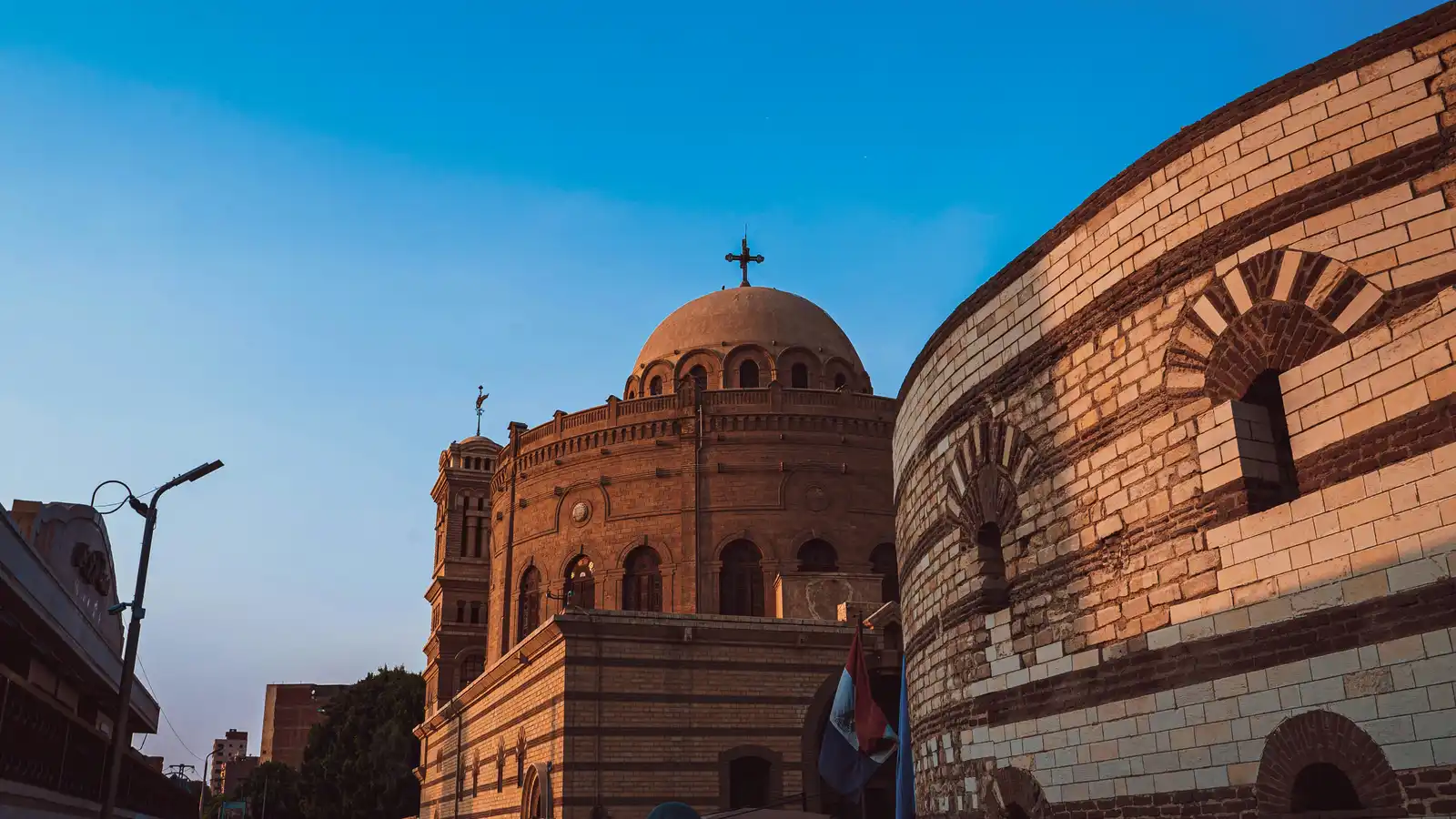
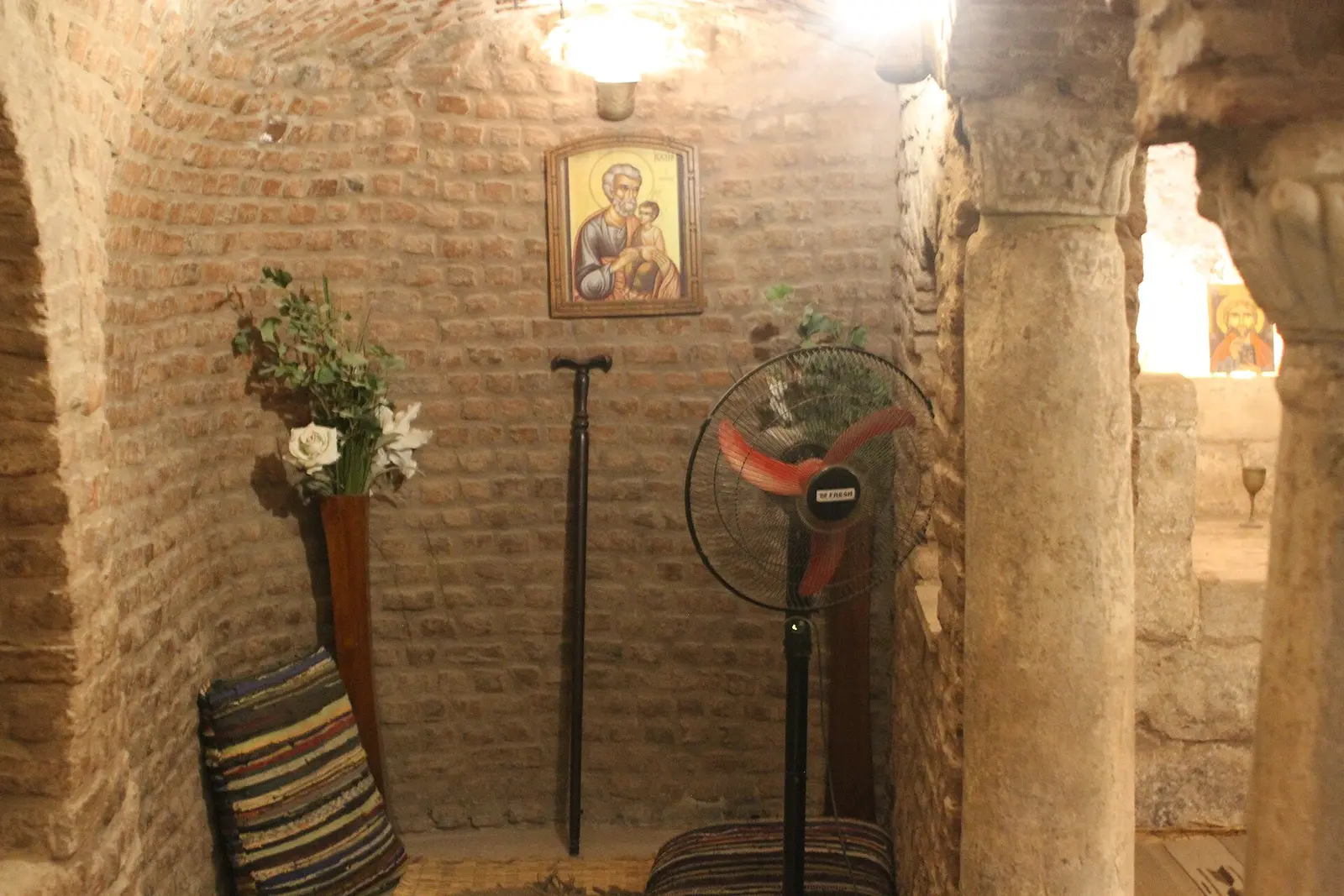
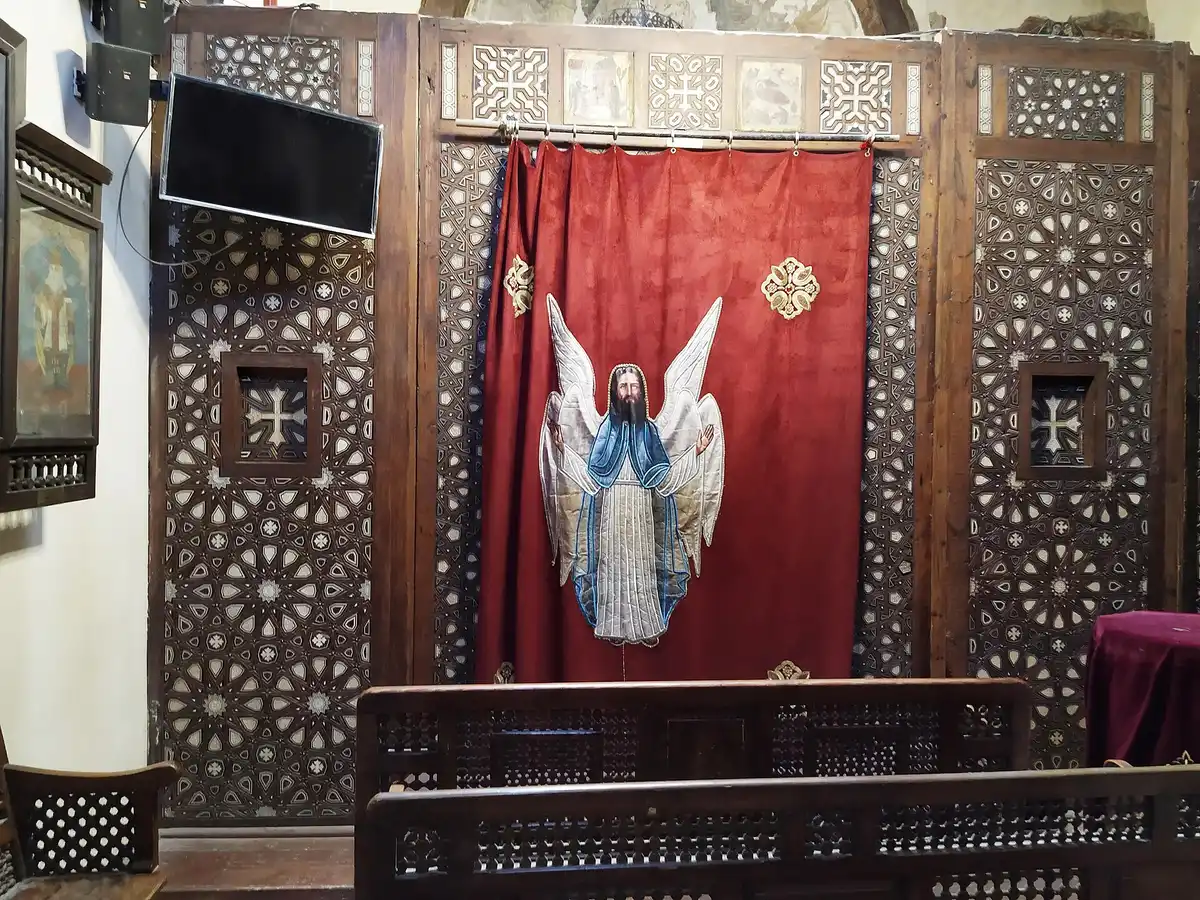
The most rewarding place to experience Coptic Christmas is a parish church rather than the great cathedral. In Coptic Cairo, the old Christian quarter built around the Roman fortress of Babylon, the Hanging Church and the Church of Saints Sergius and Bacchus are among the oldest churches in Egypt. Abu Serga, as the second is known, is built over the crypt where the Holy Family is said to have sheltered during their flight into Egypt.
Respectful visitors are generally welcome at Christmas Eve services, though each church sets its own arrangements and security is tight across the city that night. Go with a guide who knows the parish, confirm the timing that year, dress modestly, and plan to stay a while rather than slip in and out. A seat at the back for an hour gives you far more than a photograph from the door.
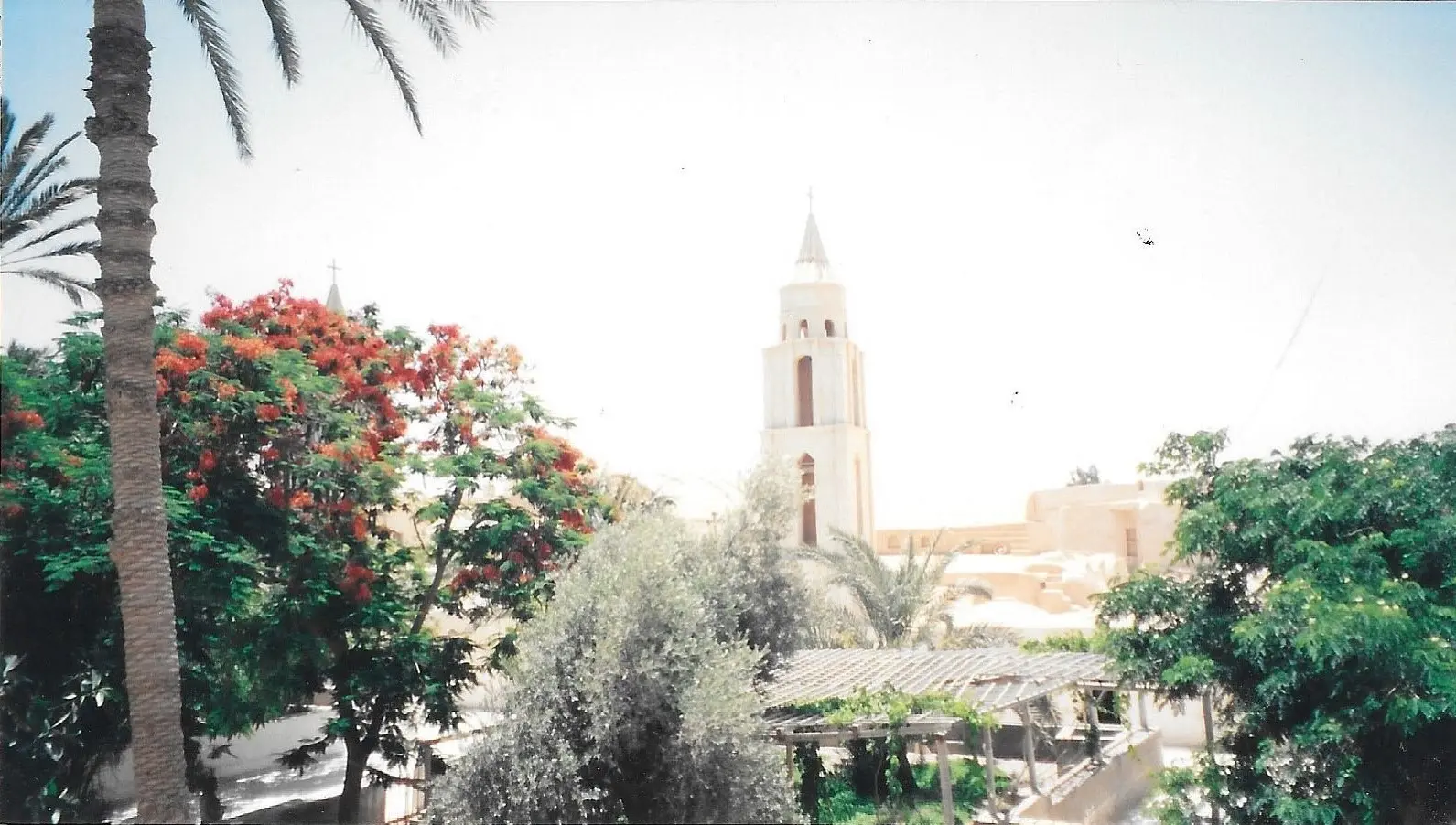
In the days around the feast, the desert monasteries of Wadi El Natrun, north west of Cairo, are a quieter way to meet the same tradition. Their communities have lived and prayed in the same place for many centuries, and they receive visitors throughout the year.
Etiquette for Visitors
Dress as you would for any service: shoulders and knees covered, and for women a light scarf is welcome though not usually required. Stand when the congregation stands, keep your phone silent and away, and never photograph worshippers without permission, during the liturgy above all.
If you are greeted, the Arabic for a happy Christmas is Eid Milad Magid, a glorious feast of the Nativity. Returning it, even haltingly, is always appreciated.
Planning a Journey Around 7 January
Coptic Christmas closes the festive season in Egypt. By the first week of January the holiday crowds of late December have started to thin, the weather is still mild and bright, and the sites are noticeably calmer. A journey that begins in Cairo after New Year and ends in Coptic Cairo on the night of 6 January is one of the best ways to see the country at its warmest, in every sense.
Our Christmas and New Year journeys can be shaped to finish in Cairo for Coptic Christmas. Tell us your dates and we will arrange the church, the guide and everything around them, or ask Hamdy on WhatsApp for a personal reply.