Five things change: the dates, the length, the pace, where you sleep, and which doors open at which hour. Everything else is the same country everybody else sees. That is the honest scope, and it is larger than it sounds because the fifth item is what most people are really buying.
Tailor-made egypt tours are sold as though the itinerary were infinitely variable. It is not. The Nile runs where it runs and Abu Simbel is where it is, and any route that ignores that wastes your days in transit.
What is genuinely variable is how the fixed geography is arranged around you.
What Tailor-Made Egypt Tours Actually Change
Start with the dates, because a fixed departure is the constraint that makes everything else worse.
Then the length, which is where most of the real design happens. Then the pace, meaning how many sites a day and whether there is a morning with nothing in it. Then the accommodation, which is a spectrum rather than a category. Then the access: before opening, after closing, and which guide.
Those five, arranged around your party rather than around a coach schedule, are the whole product.
What Does Not Change, and Should Not
The route, mostly, and anyone promising otherwise is selling you transit time as though it were sightseeing.
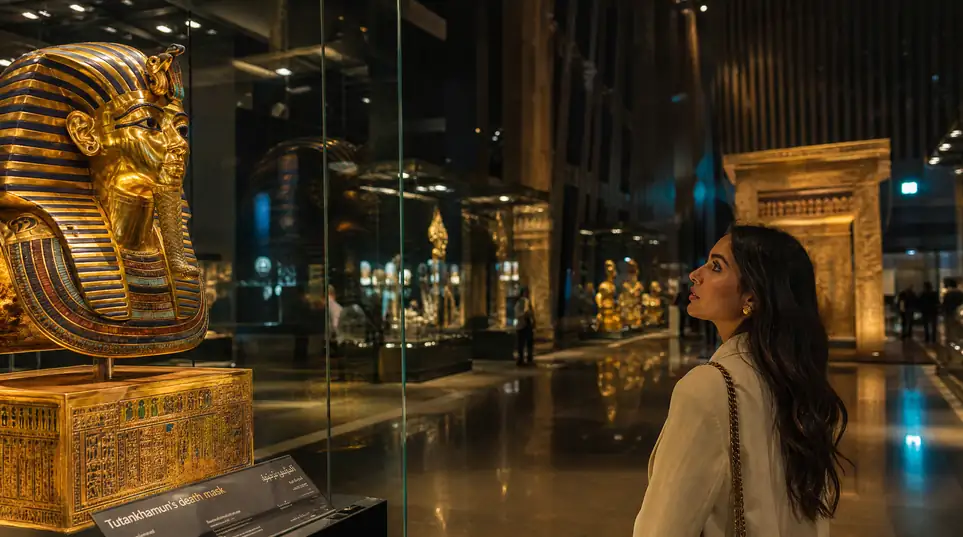
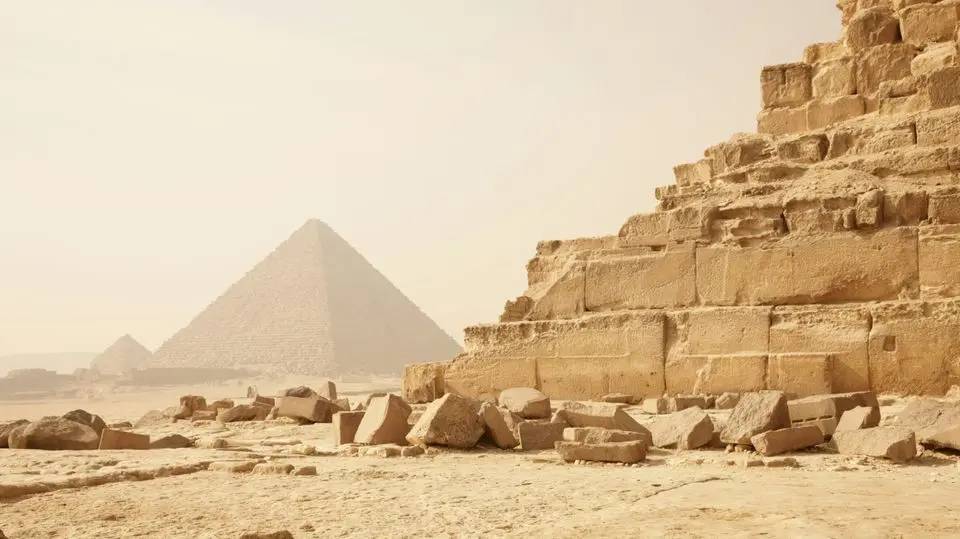
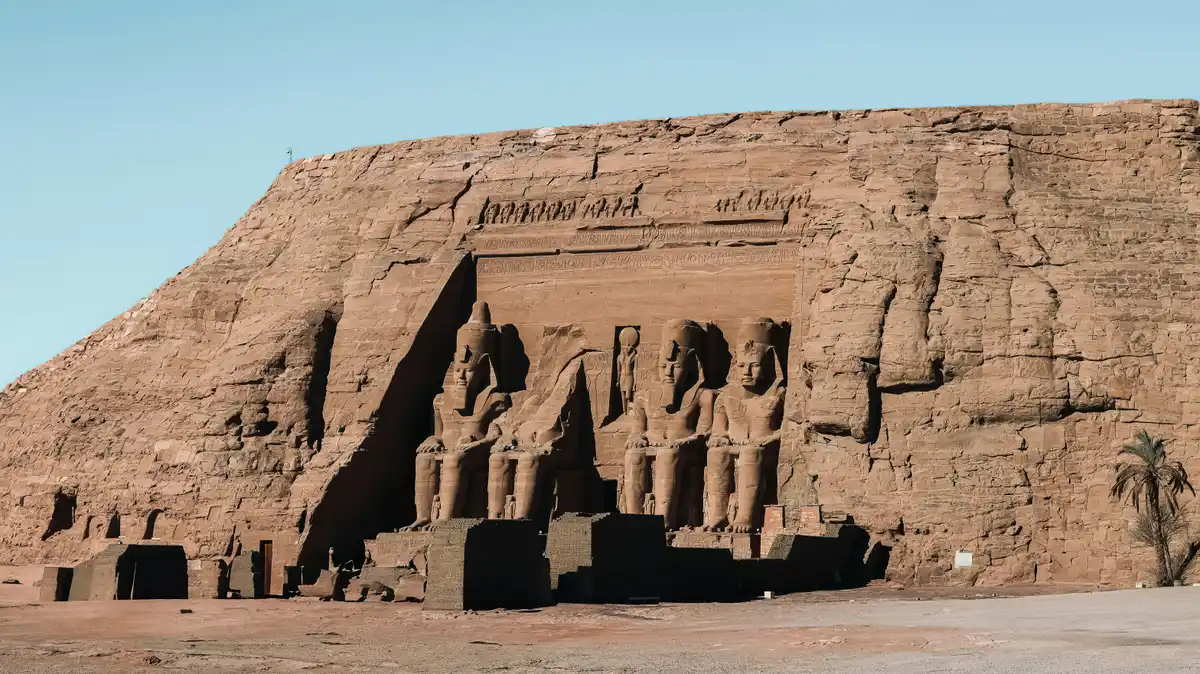
Cairo for the pyramid fields and the collections. Aswan to Luxor on the river, because the temples sit on the river. Abu Simbel as a flight or a very long drive from Aswan. That sequence is not a lack of imagination, it is the geography.
The good version of a custom trip does not reinvent that. It decides how many nights each part gets and what happens inside them.
The Five Things That Drive Egypt Tour Cost
Length, season, the boat, the access, and the size of your party. In roughly that order.
Ask any operator to break a quote down along those five lines. A single total tells you nothing and cannot be compared with another single total, because the two quotes are almost certainly making different assumptions on at least three of them.
Those five are what any quote for tailor-made egypt tours is actually made of, whoever is writing it and whatever it is called on the invoice.
What follows is what each one does.
Length
The most straightforward of the five and the one people underestimate.
Every extra night adds a room, a day of the guide and the driver, and usually a meal plan. Internal flights are the step changes: adding Abu Simbel or the Red Sea adds a flight rather than a drive, and that is a jump rather than a slope.
Our private itineraries run seven to fourteen days and start at 4,000 USD per person, which is the floor rather than the typical figure, and the paragraphs below are what moves a trip above it.
Season
December and January are the most expensive weeks of the year here, and the difference is not small.
Late October, November, February and March are excellent months at a lower price. May and September cost noticeably less again and demand early starts. July and August are the cheapest and the hardest.
Moving your dates by three weeks is frequently the single largest saving available, and it costs you nothing in what you see.
The Boat Is the Biggest Line
The river is four or five nights of the trip and often the largest single item in the quote.
A cabin on a large cruiser, a cabin on a boutique ship, a cabin on a shared dahabiya and a dahabiya chartered privately are four quite different numbers for the same stretch of water. The sightseeing is identical. What differs is how many people are on board with you and where it ties up at night.
The cruise guide compares the categories properly, and it is the decision worth spending the most time on.
Access, and Why It Is Not a Gimmick
Arranging a site before it opens or after it closes is the line people query most and understand least.
It is not an entrance ticket. It is a permission, it is not available everywhere or every day, and it carries a real cost because somebody is opening a monument outside its hours.
Whether it is worth it depends entirely on what you want from the trip. For a first visit with a camera and a specific idea of the photograph, it is the difference between the trip you imagined and the trip you got. For a returning traveller who has already had the plateau to themselves, it matters less.
Party Size
The one that works in your favour and is rarely mentioned.
A private guide, a private car and a private boat cost roughly the same whether two people or six are using them. Per person, a family or two couples travelling together pay considerably less for exactly the same arrangement.
Two travelling alone carry the whole of it, which is why a solo or couple quote looks high against a group departure advertised per seat. They are not the same product and the comparison misleads in both directions.
Where You Sleep Is a Spectrum
Accommodation is the line most often treated as one choice, and it is really a series of them.
A historic hotel with the pyramids in the window, a modern international property on the river, and a small place in a quieter quarter are three different trips at broadly similar prices. The room is rarely the variable that matters. The location is, because it decides how long you sit in a car each morning.
Ask where each proposed hotel actually sits rather than how many stars it carries. A property rated one level lower and fifteen minutes closer to where your day starts is usually the better trade.
The Parts People Regret Cutting
Three, and it is the same three every time.
The third night in Cairo, which is the day of Islamic and Coptic Cairo. The fifth night on the river, which is the one with nothing scheduled in it. And the step up from a shared boat to a private one, which is the largest number on the page and the one people most often wish they had paid.
Cut the Red Sea instead, if something has to go. It is the most replaceable part of the trip and the only part you can get a version of somewhere closer to home.
Egypt Tailor Made Tours Against a Fixed Itinerary
A published private route is cheaper to run and suits more people than the industry admits.
If your dates are flexible, your party is two adults and you have no strong preferences, a fixed private itinerary gives you the private car, the private guide and most of the benefit. The gap between that and a custom route is smaller than the marketing suggests.
Custom earns its cost when something is genuinely fixed or genuinely specific: a wedding anniversary in a particular week, a child who cannot do three temples before lunch, a returning visitor who has seen Giza and wants Dendera and Abydos instead, or a mobility requirement that has to be designed around rather than apologised for.
If none of those applies, say so and ask for the published route. A good operator will tell you the same thing.
How the Process Actually Runs
A conversation, a draft, two or three revisions, then a deposit.
Tailor-made egypt tours live or die on that first conversation. Everything after it is drafting.
The first call is the one that matters and it should be mostly questions. Here the owner takes that call himself and plans every itinerary from it, which is the reason the questions come before the price rather than after.
Expect the first draft to be wrong in one or two places. That is what a draft is for. The version that arrives perfect on the first attempt is usually a template with your dates typed into it.
What to Send in the First Email
Four things, and they are enough to produce a real draft rather than a brochure.
Your earliest and latest possible dates and how many nights you can be away. Who is travelling, including ages and anything that affects walking, heat or early mornings. What you most want to see, and more usefully what you do not care about. And a range you are working within, because withholding it produces a quote nobody can act on.
That last one is the item people leave out. It costs a round of revisions every time.
Questions That Sort One Quote From Another
Ask all of these in writing and compare the answers rather than the totals.
Which boat, and is it private or are we buying cabins on it. Is the guide the same person throughout. Which entrance fees are included.
Are the internal flights inside the price. And what is explicitly excluded.
Then one more that is worth more than the rest combined: who plans this, and will I speak to them.
Where to Start
With the dates and the number of nights, because every one of the five cost drivers above hangs off those two facts.
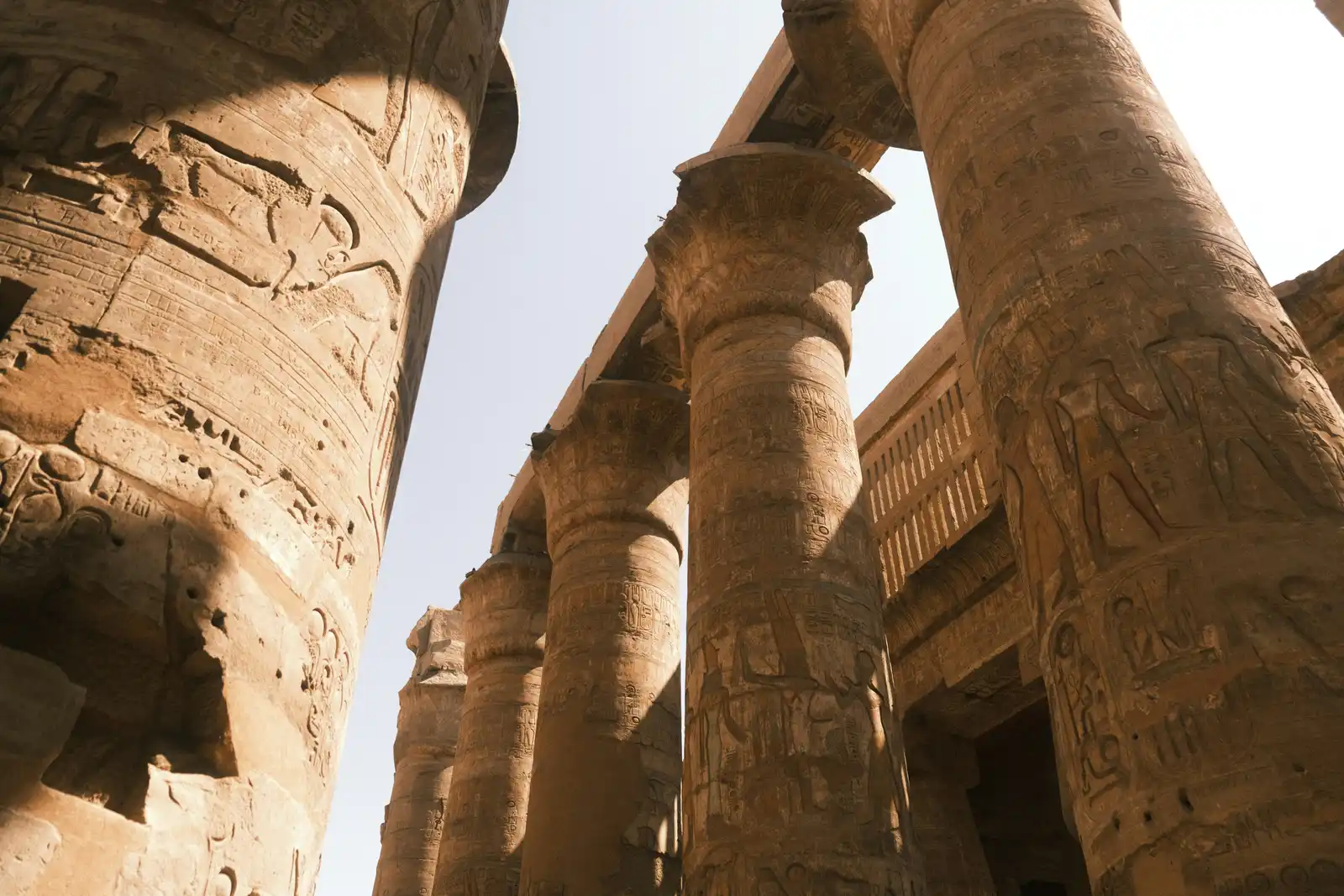
Then read the two pages that make the biggest difference to the shape of the trip. The overview of what a private journey here involves covers what the days actually contain, and the Luxor guide covers the part of the country where the extra nights usually go.
If a published route turns out to fit, take it. Our longer Egypt journeys are the fixed versions of exactly this, and the custom version starts from whichever of them is closest rather than from a blank page.