Closed shoes with grip, layers for cold mornings and hot afternoons, a scarf that covers shoulders and hair, high factor sun cream, and a thick stack of small notes for tipping. Everything else is replaceable in Cairo. Those five are the ones people wish they had brought.
The honest version of what to pack for egypt is shorter than most lists suggest, because the country has shops and because the winter here is not the tropics.
The one thing that catches almost everybody is the temperature swing. A December morning at Giza and a December afternoon in Aswan are two different climates on the same day.
The Bag, by Season
| When | Days | Early mornings and evenings | What the bag needs |
|---|---|---|---|
| December to February | Warm and pleasant | Genuinely cold, especially in Cairo | Layers, a fleece or a proper jacket, long trousers |
| March and November | Warm to hot | Mild | Layers, one light jacket, more short sleeves |
| April and October | Hot | Warm | Light everything, one layer for the river at night |
| May to September | Very hot | Warm | Loose, light, covering, and twice the sun protection |
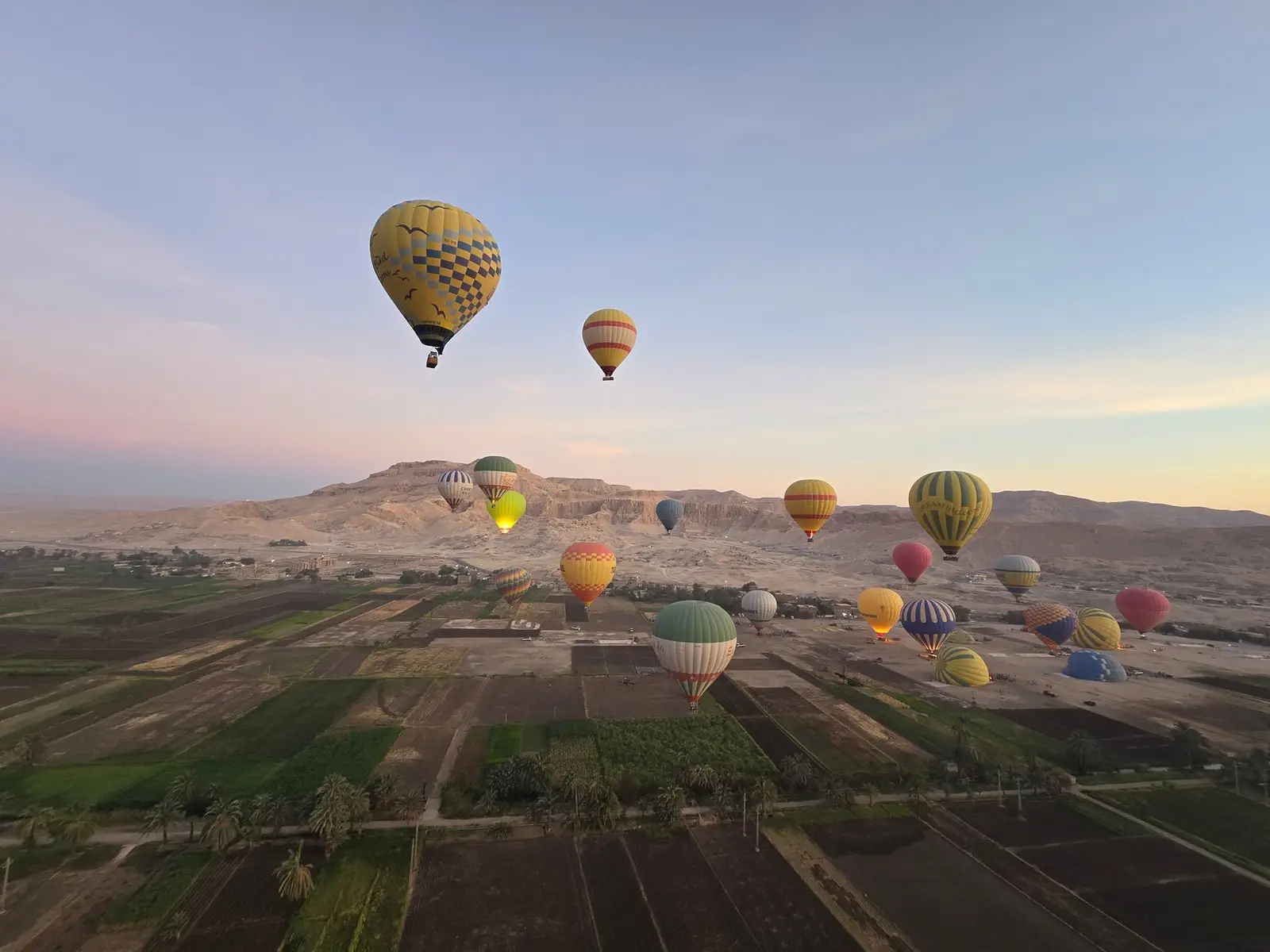
The column people ignore is the third one. Sunrise at a temple in January is cold enough to be uncomfortable in a shirt, and the balloon flight over Luxor takes off before dawn.
Clothes, and the One Rule Worth Following
Loose, light, and covering. All three at once, which sounds contradictory and is not.
Linen and cotton in light colours, long sleeves and long trousers or skirts. This is cooler in direct sun than bare arms, it is respectful in cities and at religious sites, and it means you are never the person being handed a shawl at a mosque door.
Pack one outfit you would be comfortable wearing to a good restaurant. Dinner on a dahabiya or in a Cairo hotel is not formal, and it is not the beach either.
Pale colours over dark ones, for the heat and for the dust. Everything here picks up a fine sand that shows more on black than on stone colours, and it brushes off rather than washing out.
Swimwear for the hotel pool and the Red Sea, worn there and not elsewhere.
Shoes, Which Matter More Than Anything Else
One pair of closed walking shoes with real grip, broken in before you fly.
The ground at Giza is sand and loose rock. The Valley of the Kings involves ramps and steps. Karnak is uneven stone and Islamic Cairo is uneven everything. Sandals are the single most common packing mistake on this trip.
Then one pair of sandals or slip ons for the boat, the hotel and the evening, and nothing else. Two pairs is enough and three is luggage you are carrying for no reason.
Socks, for the same reason as the shoes. Sandals plus a temple floor plus dust equals feet you will want to wash before dinner.
What to Pack for Egypt in December
The warmest clothes of any month on this page, which surprises people who booked expecting desert heat.
Days are comfortable and often lovely. Mornings and evenings in Cairo are cold, genuinely cold, and the wind on the Nile after dark makes it colder. Bring a real jacket rather than a token one, plus a jumper or fleece for under it.
December is also the busiest month, so nothing here saves you from queues. It only saves you from being cold in them.
What to Pack for Egypt in January
The same as December, and if anything slightly more of it.
January is the coldest month here. The daytime is still pleasant for sightseeing and that is exactly the trap: people pack for the day they were promised and then stand at a temple at seven in the morning wishing they had not.
A hat that keeps heat in as well as sun off is worth the space. So are socks, which sounds obvious until you have packed only sandals.
What to Pack for Egypt in February
Still a layered month, with the balance starting to shift.
Mornings remain cold and afternoons warm up more reliably than in January. The fleece still earns its place and the heavy jacket starts to feel optional, particularly if your trip is weighted towards Luxor and Aswan rather than Cairo.
February is quieter than the months either side of it, which is the real argument for going then.
What to Pack for Egypt in March
The easiest month to pack for, and one of the best to travel in.
Warm days, mild evenings, and one light layer covers the difference. Short sleeves become usable during the day and the jacket can stay at home in favour of something thinner.
Watch for the khamaseen, the dusty wind that can blow in spring. It is not dangerous and it is unpleasant if you wear contact lenses, so bring glasses as a backup and something to cover your face.
If You Are Going in Summer Anyway
Sometimes the dates are not negotiable, and the packing changes rather than the principle.
Loose long sleeves in the lightest fabric you own, a wide brimmed hat rather than a cap, sunglasses that actually block properly, and the highest factor sun cream you can find. A cooling cloth or a small towel you can wet is worth more than it sounds.
Double the water you would normally carry and add electrolyte sachets. The mistake in summer is never what you wore, it is what you did not drink.
The Boat and the Desert
Cabins are smaller than hotel rooms, so a soft bag beats a hard case if you have the choice.
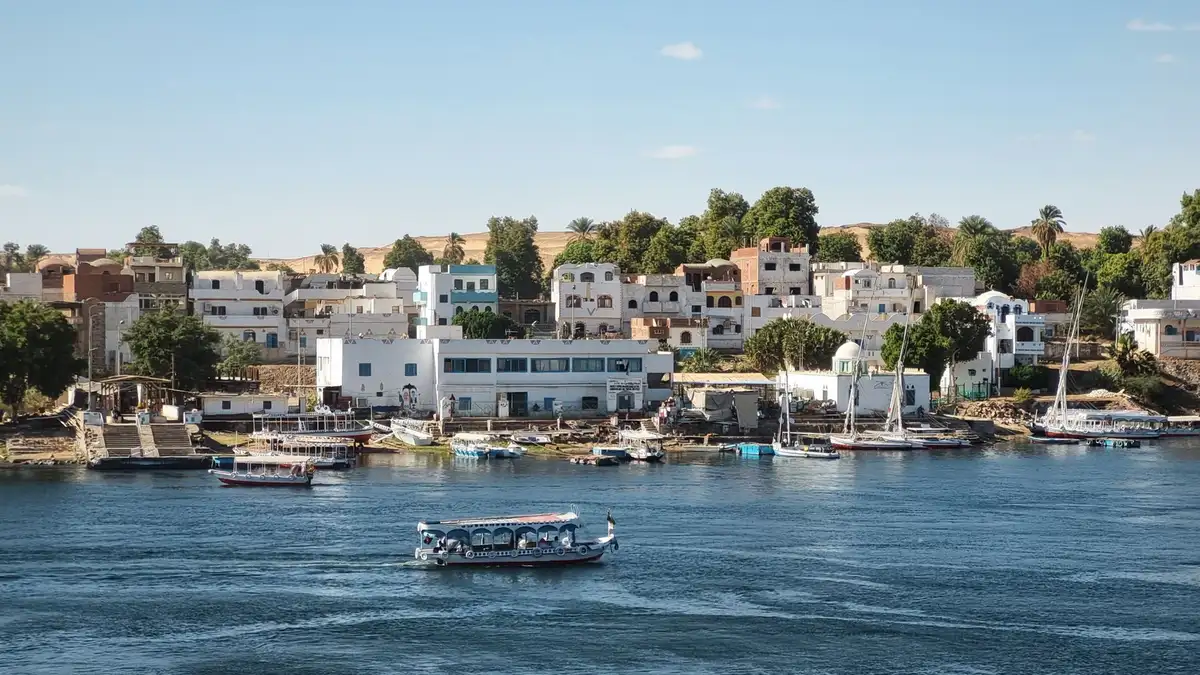
For the river: one warm layer for the deck after dark in any month, and a power bank, because sockets on a sailing boat are fewer and the generator may run to a schedule.
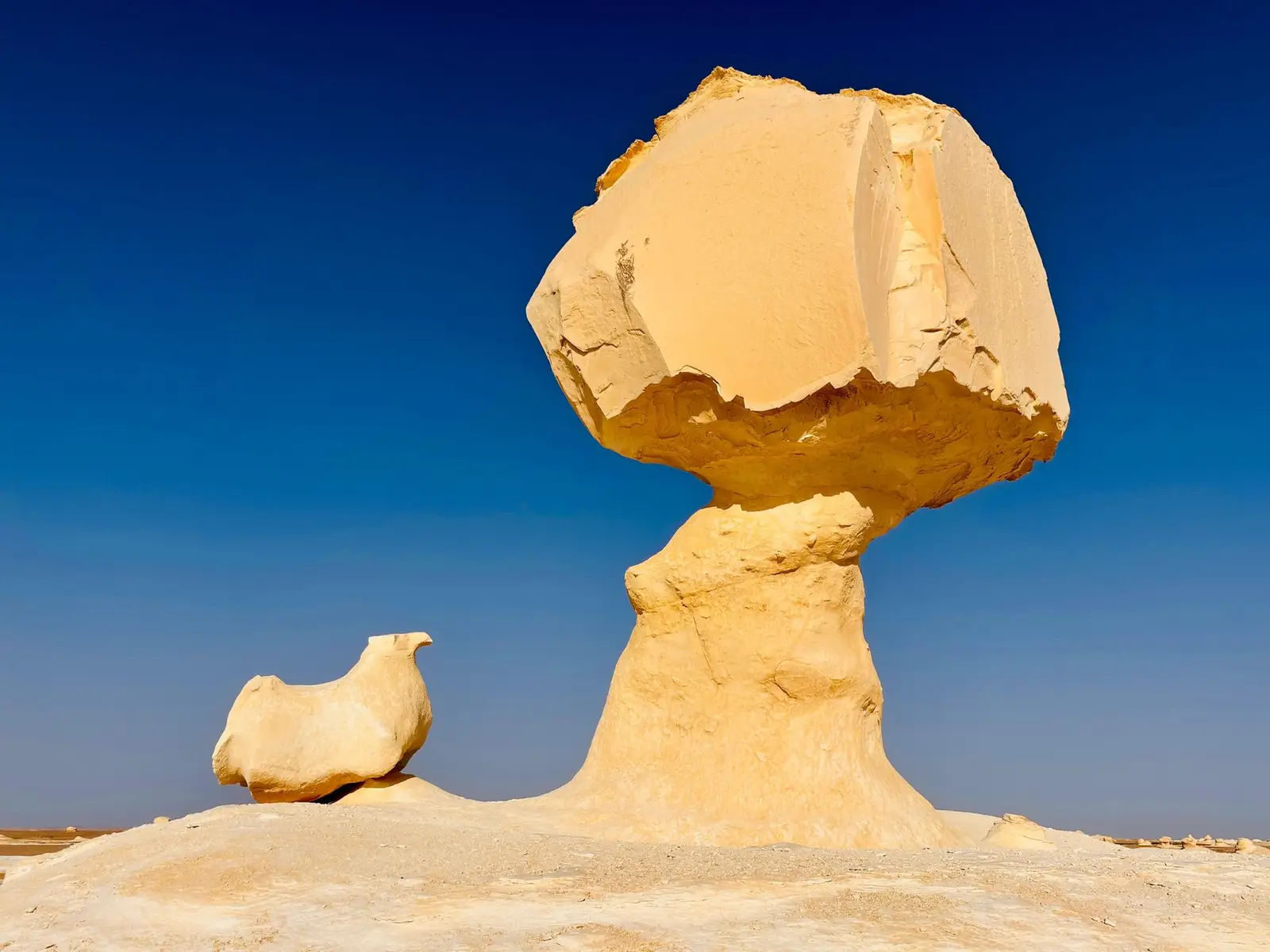
For the Western Desert: a head torch, a warm layer that would seem absurd in Cairo, and a scarf for the dust. Desert nights are cold in a way that catches out everyone who has only seen the daytime photographs.
The Small Bag Nobody Regrets
Rehydration sachets, whatever your doctor suggests for an upset stomach, plasters, hand sanitiser and tissues.
Tissues deserve their own line. Many public toilets do not supply paper and there is often an attendant expecting a small tip.
Prescription medicine travels in its original labelled packaging with a copy of the prescription. That is a customs matter and it is not the place to improvise.
The Day Bag
Separate from the suitcase, and it is the bag that decides whether a morning is comfortable.
Water, sun cream, the scarf, tissues, hand sanitiser, small notes, sunglasses, a power bank and a photocopy of your passport. That is the whole list, and it fits into something small.
A small backpack beats a shoulder bag on a long morning, and a bag that closes properly beats one that does not in a crowd.
Leave the real passport in the hotel safe unless you are flying that day or a guide has asked for it. A copy covers every ordinary situation, and losing a copy costs nothing at all.
What to Leave at Home
The drone, first and above everything. Drones are routinely confiscated at Egyptian airports and recovering one is a process rather than a conversation.
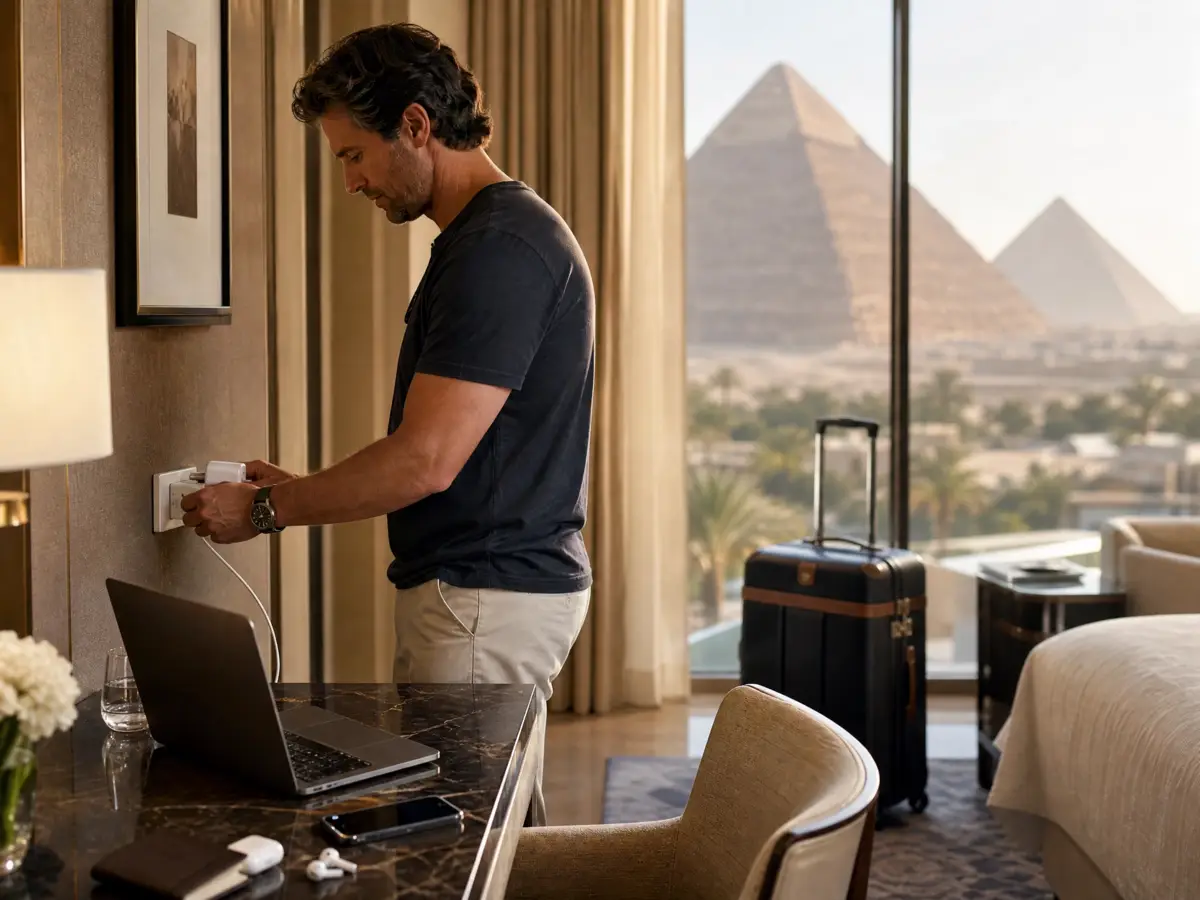
Heavy hair appliances, unless the label says 100 to 240 volts. The hotels used on this sort of trip supply decent hair dryers and a single voltage one from the United States will not survive the socket.
Most of the clothes you packed. Laundry is fast and cheap here, hotels and boats both do it, and a week's worth covers a fortnight comfortably.
Before You Close the Case
Three checks, and none of them is clothing.
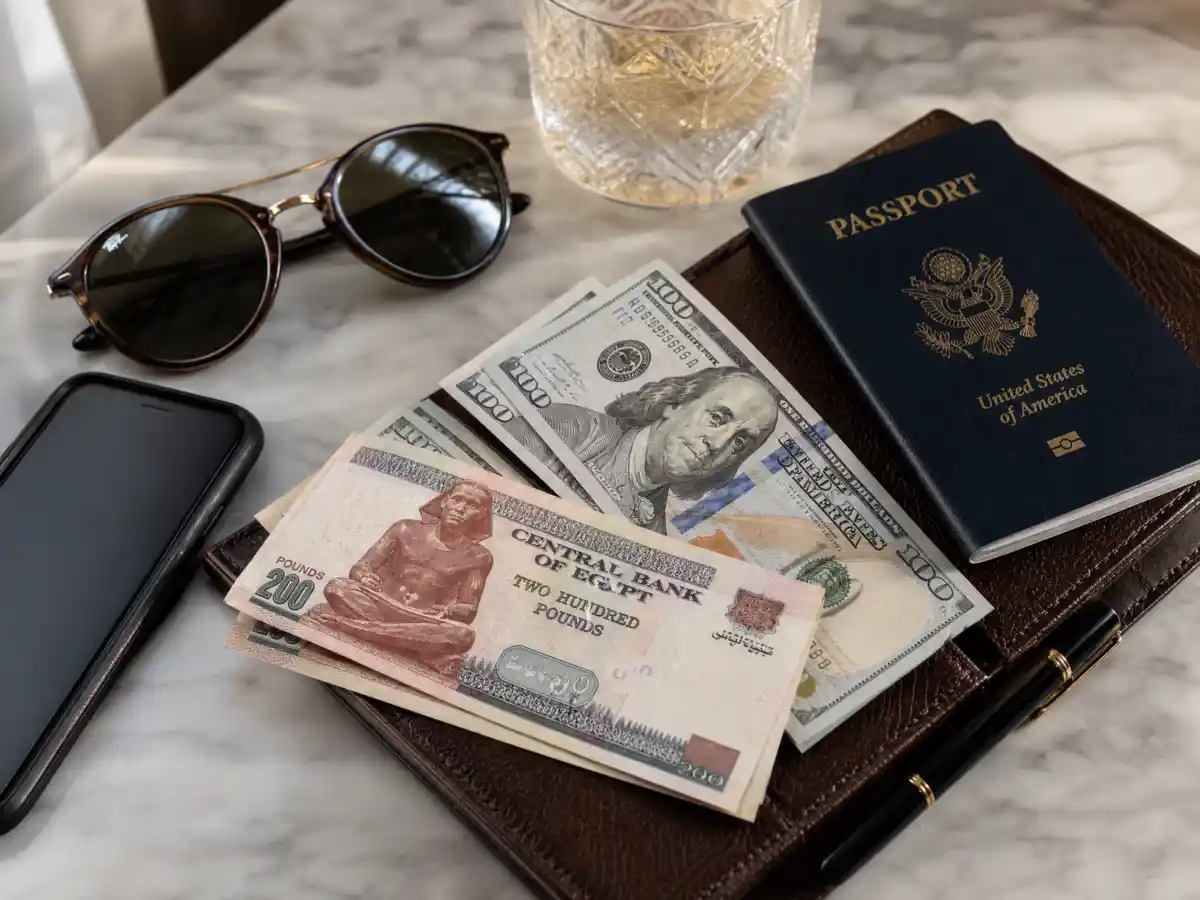
Passport expiry at least six months beyond your arrival date. Small notes for tipping, obtained before you need them rather than by breaking a large one at every stop. And the adapter, because the sockets here take a round two pin plug.
The plug article covers which adapter and why the voltage matters more than the shape, and the practical notes cover the tipping, the water and the rest of the daily rhythm.
The Luxor guide shows the ground you will actually be walking on, which is the best argument for the shoes. Guests on our longer Egypt tours get a briefing tuned to the month they are travelling in, and it is mostly this page with the irrelevant months removed.