Carry small notes for tipping, drink only bottled or filtered water, cover shoulders and knees at religious sites, and treat every quoted price as an opening position. Those four cover most of the difference between a smooth day here and a frustrating one. The rest is detail.
Most egypt travel tips are written by people who spent a week here. These are the things that come up every day, roughly in the order they come up.
Tipping Is Constant, and It Is Not Optional
Baksheesh runs through everything, and misreading it is the single most common source of friction for visitors.
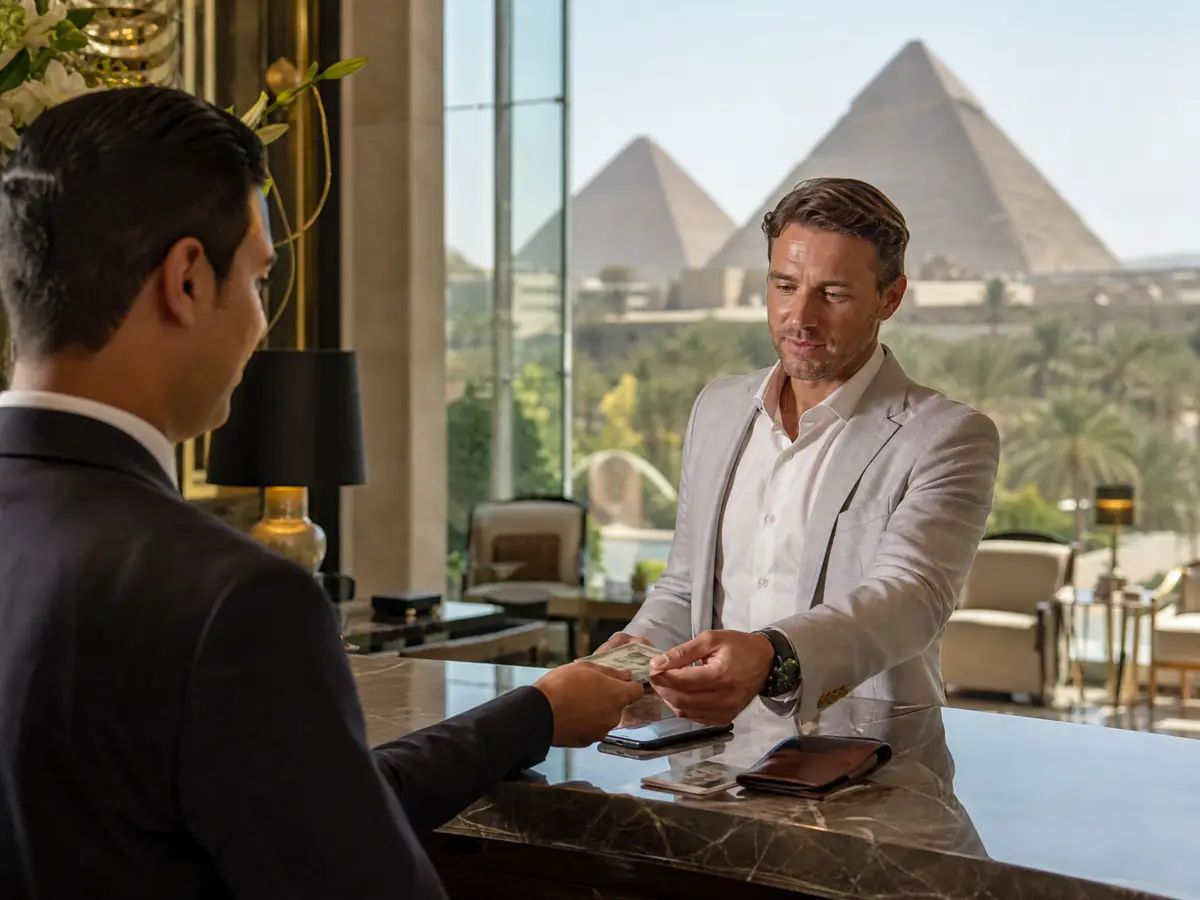
It is given for a service rendered: the man who carries your bag, the attendant who keeps an eye on the bathroom, the boatman, the driver, the guide. It is small, it is frequent, and it is normal. Treating it as a scam will make your whole trip feel like one.
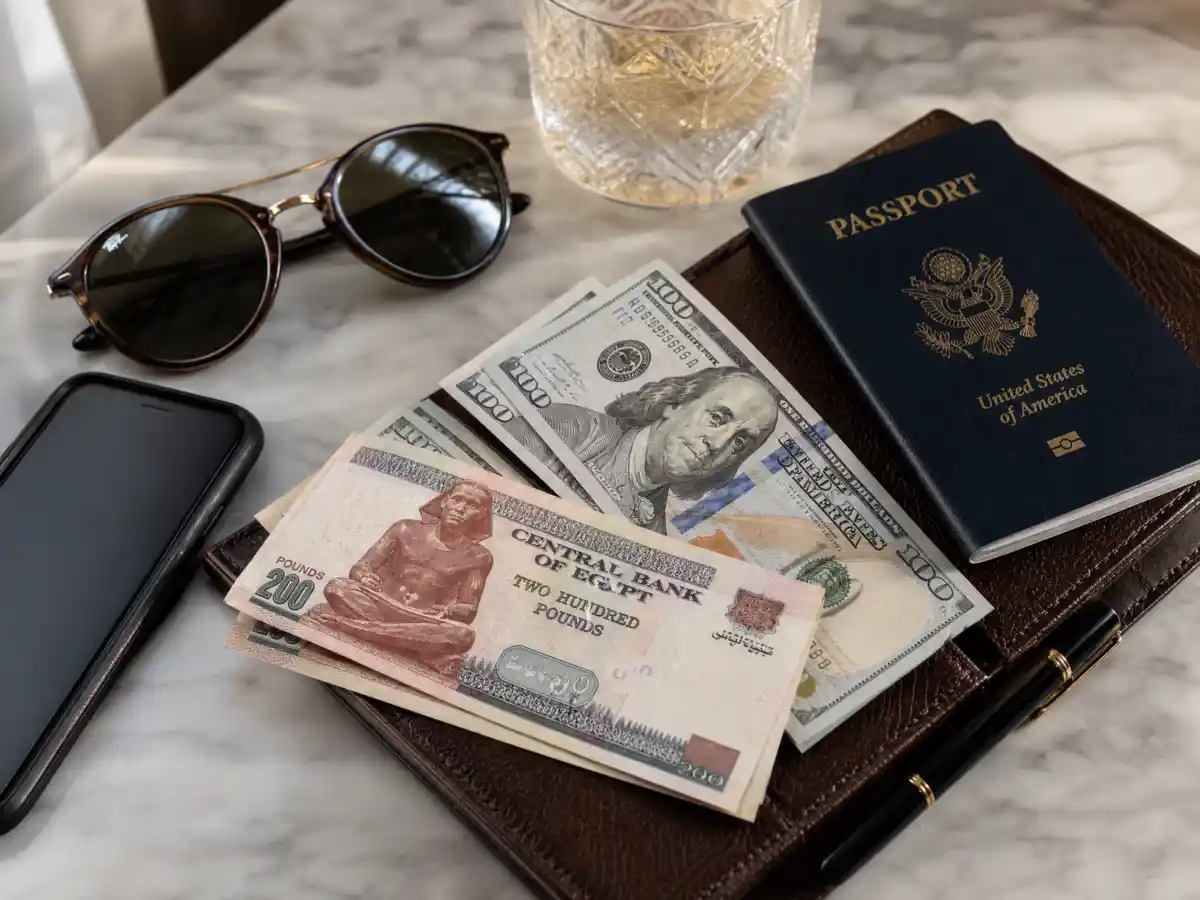
Carry a thick wad of the smallest notes you can get and keep them somewhere separate from your real money. Breaking a large note for every small service is the thing that makes tipping annoying, not the tipping itself.
For guides and drivers on a longer trip, one sum at the end is normal and easier for everyone.
Nobody expects a particular amount and nobody is counting. A small note handed over without ceremony is the whole transaction.
Cash, Cards and Where Each Actually Works
Cards work in hotels, good restaurants and larger shops. Everywhere else is cash.
Withdraw from a bank ATM rather than a standalone machine in a shop lobby, and take out a decent amount at a time so you are not paying a fee every day. Tell your bank you are travelling or expect the first attempt to be blocked.
Keep a small amount of US dollars as backup. It is not for spending, it is for the situations where nothing else works.
The currency article covers where to change money and where not to, which is a longer answer than it sounds.
Water: the One Rule Nobody Should Bend
Bottled or filtered, including for brushing your teeth, for the whole trip.
This is not about the tap water being dramatic. It is about a different mineral and bacterial profile from the one you are used to, and the outcome of ignoring it is two days you did not plan for.
Check the seal on the bottle. Skip ice in places you have not chosen carefully. Good hotels and the boats filter their own supply and will tell you so if you ask.
Carry a bottle with you at all times in the warm months, and drink from it before you feel thirsty. Dehydration at Giza and in the Valley of the Kings is far more common than anything you eat.
What to Wear, and Where It Matters
Egypt is more relaxed than people expect and more conservative than a resort brochure suggests.
At hotels and on the Red Sea, wear whatever you would anywhere. In Cairo, at temples and walking around cities, shoulders and knees covered is comfortable and respectful, and it is also cooler than the alternative once you try it.
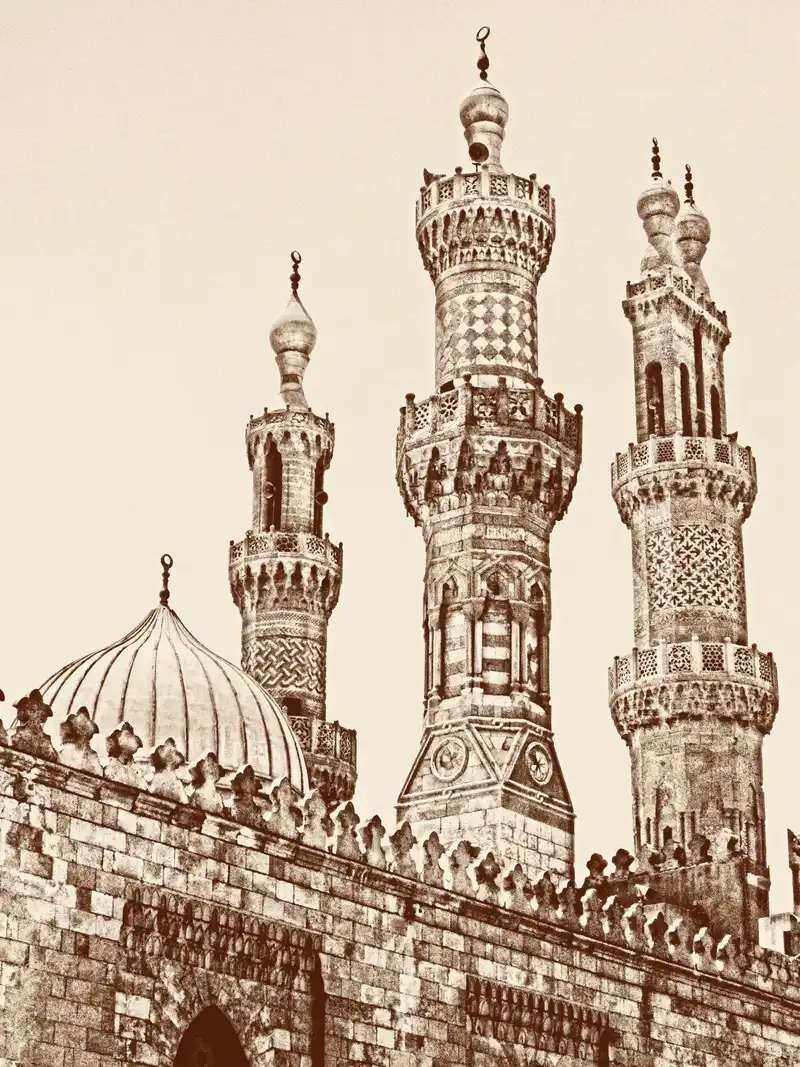
Mosques require covered arms and legs for everyone, and covered hair for women. Carry a scarf and it becomes a non issue. Shoes come off at the door.
Closed shoes with grip for every site, without exception. Sand, loose rock and worn stone steps are not sandal territory.
Friday, Prayer Times and the Rhythm of the Week
Friday is the day off, not Sunday.
Mosques close to visitors around midday prayers on Friday and the traffic pattern across Cairo changes. Museums and monuments stay open. Some government offices and smaller shops close or open late.
The call to prayer sounds five times a day across the whole country and it will wake you the first morning. By the third it is the thing people say they miss afterwards.
Haggling Without Enjoying It Too Much
In markets and with taxis, the first price is an opening position and both of you know it.
Decide what the thing is worth to you, offer well below it, settle somewhere in between, and be prepared to walk away cheerfully. Walking away is a normal move rather than an insult, and it frequently ends with a better price called after you.
Fixed price shops exist and are marked. Do not haggle in them, and do not haggle over small amounts with someone whose day it will genuinely affect.
Never accept anything described as a free gift. It is not one.
Photography, Drones and Where the Line Sits
Photograph the monuments freely. Some tombs and museums charge a camera ticket and some ban photography outright, and both are enforced.
Ask before photographing people. Most will say yes and some will then ask for a tip, which is fair enough.
Do not photograph military installations, police, bridges, airports or anything that looks official. This is taken seriously in a way that surprises visitors.
Leave the drone at home. Drones are routinely confiscated at Egyptian airports and getting one back is a process rather than a conversation.
Cairo Egypt Travel Tips: Getting Across the City
Cairo traffic is the thing nobody prepares you for, and it changes how you plan a day.
Ride hailing apps work well and remove the fare negotiation entirely, which on a hot afternoon is worth the small premium. Street taxis need the price agreed before you get in. The metro is fast, cheap and has carriages reserved for women.
Crossing the road is a genuine skill. Walk at a steady predictable pace and let the traffic flow around you. Stopping suddenly in the middle is the only way to get it wrong.
Allow twice the journey time you think you need between four and eight in the evening.
Heat, and How to Work Around It
Between May and September the middle of the day is not usable for sightseeing, and pretending otherwise ruins trips.
Start at opening, stop by noon, rest, and go out again after four. This is how people actually live here and it is not a compromise, it is the correct schedule.
Hat, sunglasses, high factor sun cream, and more water than seems reasonable. There is no shade on the Giza plateau, none in the Valley of the Kings, and very little at Karnak.
The heat in Aswan and Luxor is drier than the heat in Cairo, which makes it both more bearable and more dangerous, because you sweat without ever noticing that you are.
Food, and What Is Worth Ordering
Egyptian food is considerably better than its reputation abroad, and almost none of the good version reaches a hotel buffet.
Koshari is the national dish and costs almost nothing: rice, lentils, pasta, fried onions and a tomato sauce that changes from shop to shop. Ful and taameya are breakfast. Molokhia divides visitors sharply and is worth trying once. Fresh bread arrives at every table and is genuinely good.
Ask your guide where they eat rather than where they take people. The two answers are often different, and the first one is better.
Juice stands are everywhere and are excellent, with the usual caution about ice and about fruit washed somewhere you have not chosen.
A Little Arabic Goes Further Than You Think
Nobody expects you to speak it, and four words change how you are treated.
Shukran for thank you, min fadlak for please, la shukran for no thank you, and salaam alaikum as a greeting. That is the whole list and it is genuinely enough.
La shukran, said once with a smile and then not repeated or discussed, is the most useful phrase on this page. It is the polite close to a conversation you did not want to start.
The Small Practical Things
Carry tissues. Many public toilets do not supply paper, and there is often a small charge and an attendant who should be tipped.
Bring hand sanitiser and use it before eating rather than after.
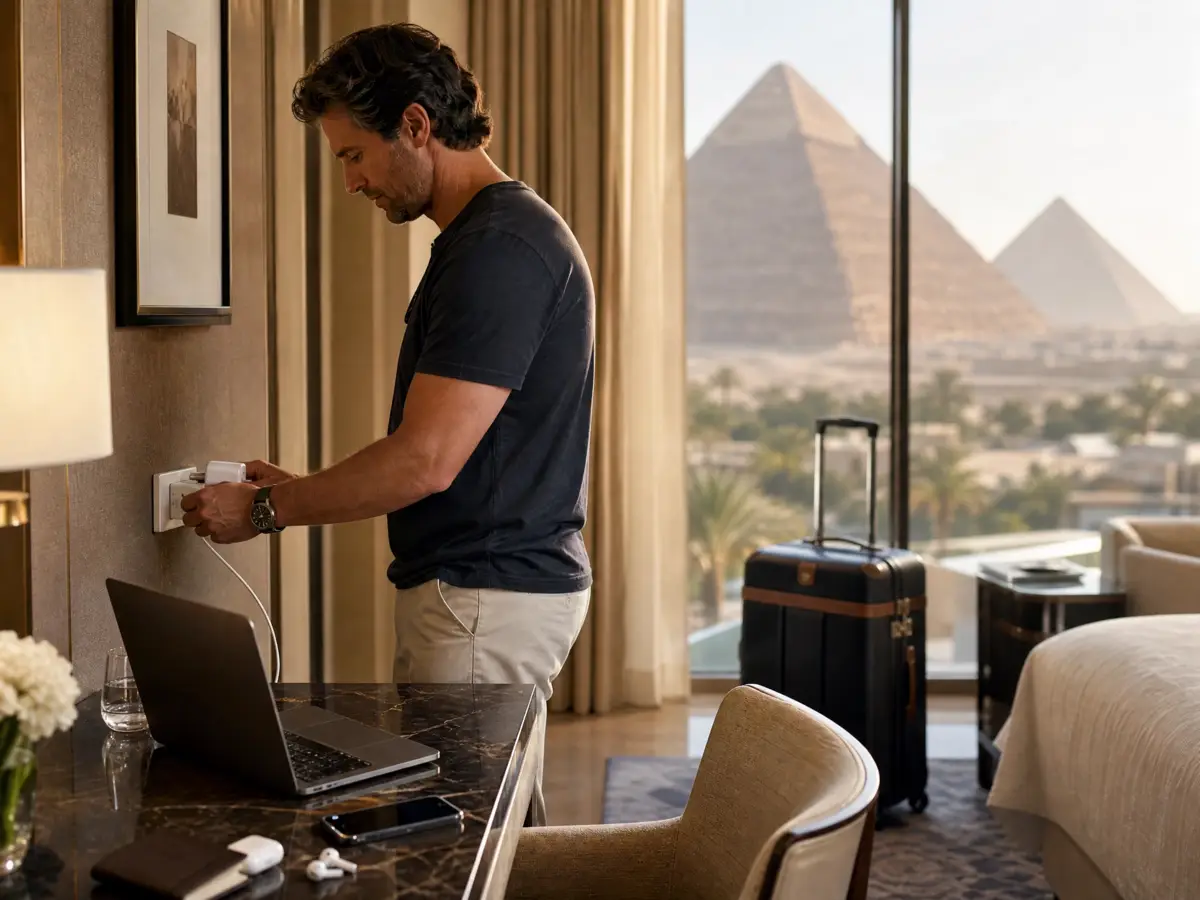
Get a local SIM or an eSIM at the airport. Data is cheap, and maps plus a ride hailing app solve a large share of the problems on this page.
Download an offline map of Cairo and Luxor before you go. Signal inside the older parts of the city is not reliable, and the alleys of Islamic Cairo are exactly where you will want it.
Bring a small torch or use the one on your phone. Several tombs are lit for atmosphere rather than for reading the wall in front of you.
Security Checks Are Routine Here
There are metal detectors at hotel entrances, museums and most monuments, and armed police at the major sites.
This registers as alarming on the first day and stops registering by the third. It is routine rather than a response to anything happening that week, and the officers are generally friendly and often curious about where you are from.
Keep your passport or a copy of it on you. Convoys on certain desert routes are a permit matter rather than a danger signal, and whoever is running your trip deals with them.
Ramadan, If Your Dates Fall in It
The dates move each year, so check them against your trip rather than assuming.
Monuments and hotels operate normally. Restaurants outside hotels may close during daylight, hours shift, and the whole country slows in the afternoon and comes alive after sunset.
It is a genuinely good time to visit if you are curious and a frustrating one if you want everything on a normal schedule. Eat and drink discreetly in public during fasting hours.
What Turns Out Not to Matter
Most of the things people worry about before arriving.
Language is not a barrier in the tourism industry. Getting lost is hard when you have a driver. The food is excellent and the hygiene at the level of hotel and boat used on these trips is not a concern. Nobody minds that you are a foreigner.
Solo travellers and women travelling together do this constantly and describe the attention as tiring rather than threatening. That is worth knowing in advance rather than discovering.
The useful travel tips for egypt are all small and practical, and the large anxieties mostly evaporate on the second day.
Where to Put This Next
These are the things that matter once you have arrived. The things that matter before you leave are a different list.
The packing guide covers what to bring, including the scarf and the small notes mentioned above, and the Cairo guide covers the city itself in the detail this page does not.
Guests on our longer Egypt tours have a guide who handles most of what is on this page before it becomes a question, which is the real argument for one. The rest of these egypt travel tips are worth knowing anyway, because the good days are the ones where you are not asking anybody anything.