The water is 22 degrees in February and 29 in August. That single fact shapes more of the planning than anything else.
People planning an egypt diving red sea week for the first time usually ask about sharks, then about wrecks, then about whether they need a licence. The more useful questions are when to come, how many days to allow, and whether the diving goes before or after the ancient sites. Those three decide whether the trip works.
This is a primer, not a sales page. Dive centres operate out of every resort town on the coast and they are the people to book with.
What Diving in Egypt Red Sea Waters Is Like
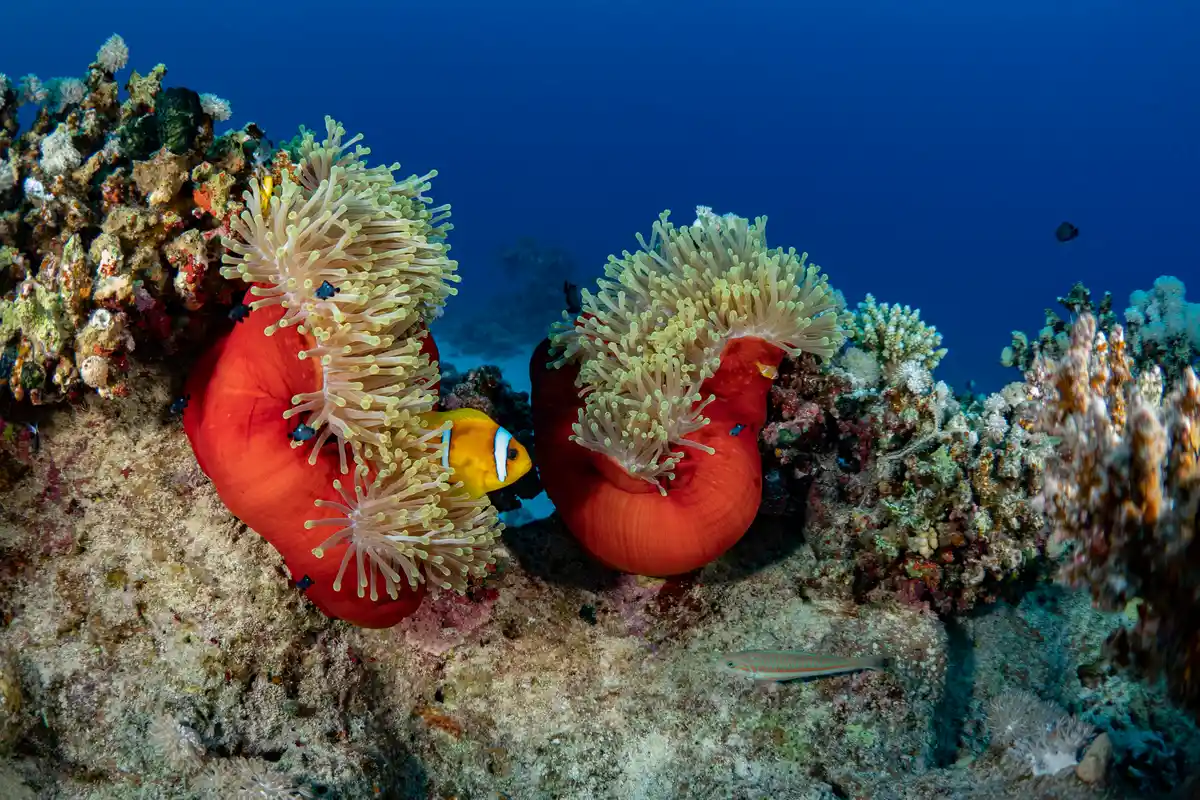
Clear, warm, and busy with fish in a way that surprises people who learned to dive in the Atlantic. Visibility commonly runs twenty to thirty metres and sometimes more. Hard coral cover on the better reefs is still good, and the fish life is dense rather than large: anthias in clouds, fusiliers, bannerfish, the occasional napoleon wrasse coming in to look at you.
The coast has almost no river running into it, which is why the water is so clear. It is also effectively tideless compared with the Atlantic, and there is very little rain.
Conditions are gentle at the inshore sites and can be serious offshore. Elphinstone, the Brothers and Daedalus sit in open water with current, and they are not beginner dives whatever a brochure says.
Anyone diving the Red Sea Egypt coast for the first time tends to underestimate how much of the interest is in the small things. Nudibranchs on the wall, a crocodilefish flat on the sand pretending to be sand, octopus in the rubble at the reef edge. The big animals make the photographs and the small ones make the dive.
Seasons, Month by Month
Water temperature bottoms out in February and March at around 21 to 23 degrees, which most people dive in a five millimetre suit. It climbs through spring, sits near 28 or 29 from July to September, and falls away slowly through autumn.
Air temperature is the other half of the picture. July and August on this coast are genuinely hot, which is fine on a boat and unpleasant on land. The surface interval in August is spent looking for shade.
Spring and autumn are the sweet spot. March to May and September to November give you warm water, tolerable air, and the best chance of calm crossings. Winter diving is perfectly good and the reefs are quieter, but wind can cancel offshore days at short notice.
The month by month guide to visiting Egypt covers how this lines up with Luxor and Aswan, which run on the opposite logic: the desert sites are best in the months when the sea is coolest.
The Wrecks
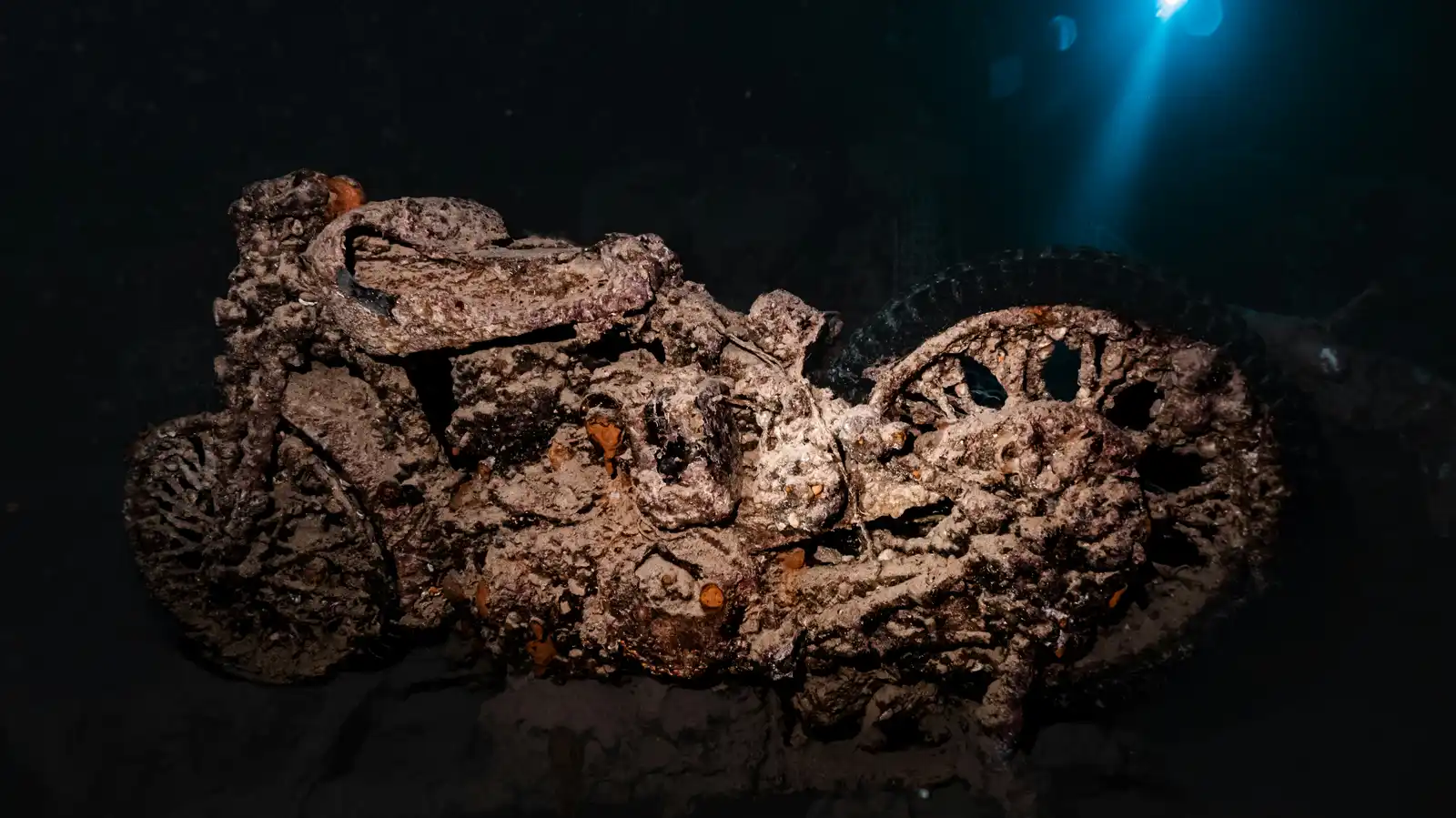
The Thistlegorm is the reason a lot of people come. A British merchant ship carrying war supplies, bombed and sunk in the Strait of Gubal in October 1941, sitting upright in about thirty metres with motorcycles, trucks, rifles and railway rolling stock still in the holds.
It is reachable as a long day boat trip from Sharm el Sheikh and on overnight or liveaboard itineraries from Hurghada. It is also crowded, and the best dives on it are the early ones before the other boats arrive.
Abu Nuhas is the other wreck site worth the fuel. A reef on the northern shipping approach that has collected four wrecks over the last hundred and fifty years, the Giannis D and the Carnatic being the two most dived. The Carnatic went down in 1869 and its wooden ribs have gone soft and coral covered, which makes it look more like a reef than a ship.
Scuba diving egypt red sea wrecks is mostly recreational depth work. Thistlegorm's deck is shallow enough to spend real time on, and the holds are open.
The Reefs and the Big Animals
Ras Mohammed, at the southern tip of Sinai, is the classic wall diving: Shark and Yolanda reefs, strong current, big schools of barracuda and jacks in summer.
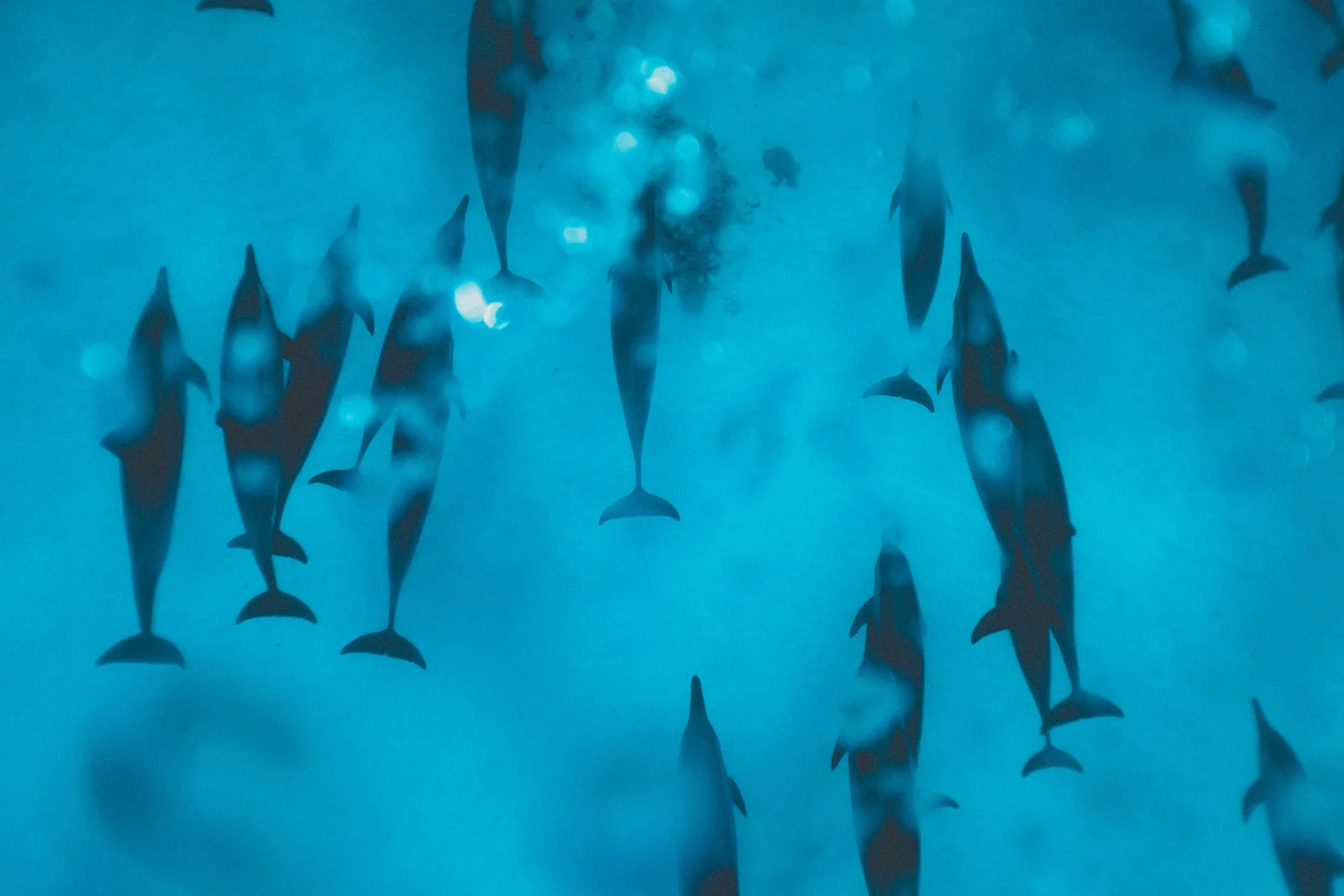
From Marsa Alam southwards the character changes. Elphinstone is an offshore pinnacle with oceanic whitetip sharks around in autumn. Sha'ab Samadai, usually called Dolphin House, holds a resident pod of spinner dolphins in a protected lagoon with access rules that limit how close boats and swimmers go.
Dugongs graze the seagrass beds around Marsa Abu Dabbab. Sightings are luck, not a schedule.
Further north the Giftun islands off Hurghada are the everyday diving: easy reefs, good for a first day back in the water after a few years out.
If You Have Never Dived
Two options. A supervised introductory dive takes an afternoon and gets you to about six metres with an instructor holding on, and it is enough to know whether you want more. A full open water certification takes three to four days including theory, pool sessions and four open water dives.
Doing the course here is common and the conditions are about as forgiving as they get: warm, clear, shallow entry points, and house reefs you can walk into from the beach at several resorts.
Snorkelling is not a consolation prize on this coast. The reef tops sit in three to five metres of water with the same fish on them, and a good snorkel day off a boat sees most of what the divers saw.
Where Egypt Diving Red Sea Trips Start
Hurghada has the most flights, the most dive centres and the shortest transfers, which is why it is the default. El Gouna is quieter and twenty minutes north. Safaga is a working port with good reefs and very little else.
Marsa Alam is three or four hours further south and is where the diving gets serious. Fewer boats, better reefs, longer journeys.
Liveaboards are the other model entirely. A week on a boat covers the offshore reefs that day trips cannot reach, sleeps you above the site so the first dive is at sunrise, and takes you out of contact with land for the duration. An egypt diving red sea itinerary built around a liveaboard is a different holiday from one built around a hotel, and mixing the two in a single week rarely works.
Sharm el Sheikh sits across the gulf in Sinai with Ras Mohammed on its doorstep and the shortest run to Thistlegorm. The Hurghada area guide covers what the town itself is like, including the parts of it that have nothing to do with the water.
Fitting Diving Red Sea Egypt Days Into a Wider Trip
Almost always at the end. A diving red sea egypt block after Cairo, Luxor and Aswan works because the order matches your energy: the temples need early starts and concentration, the coast does not.
Three days is the practical minimum for a dive stop. Two is one weather day away from being none.
There is a case for the other order. If the group contains one diver and three people who would rather be by a pool, putting the coast first means the divers arrive rested and the rest of the party is not counting down to the beach through four temples. It is a group composition question, not a logistics one.
Allow for the flying rule when you build the last leg. The usual guidance is at least eighteen hours between your final dive and a flight, and many operators ask for twenty four after several days of repetitive diving. That means your last dive day cannot be the day before an international departure, and it is the single most common planning mistake on this coast.
Our longer Egypt itineraries put the sea at the end for the same reason.
What to Sort Out Before You Fly
Bring your certification card and your logbook. Centres will ask for both, and a card without recent logged dives usually means a check dive before they put you on a boat, which costs you a morning.
Dive insurance that specifically covers diving is worth having and normal travel policies often exclude it. Check the wording rather than assuming.
If you have not been in the water for more than a year, book a refresher for your first morning and treat it as part of the plan rather than an admission of anything. It turns a wasted first morning into a good one.
Last thing: pack a three millimetre suit for summer and a five for winter, or confirm the rental sizes in advance. Standing on a boat deck in February in a suit that does not fit is a long two hours.