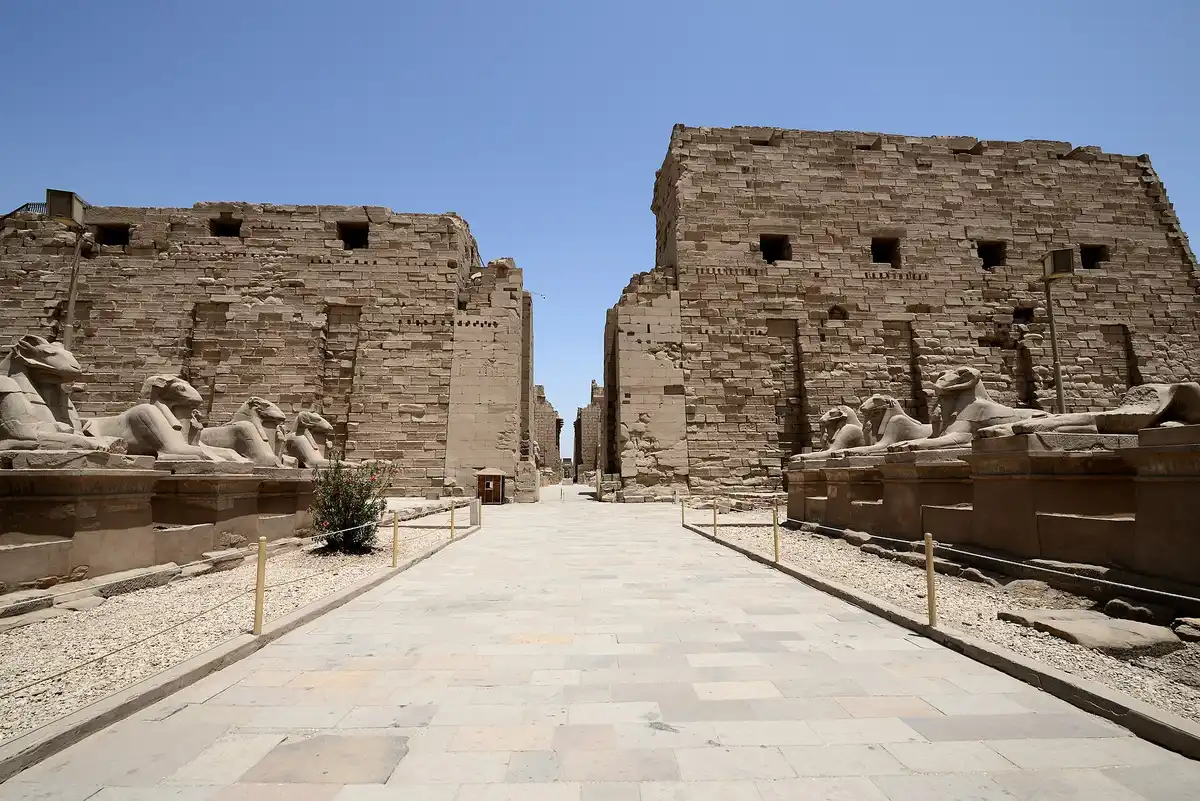
Egypt weather in January is mild, dry and bright across most of the country, and for sightseeing it is close to ideal. The festive crowds of late December thin out after the first week, the light stays low and golden, and the temples that are punishing in summer can be explored in comfort at any hour of the day.
January is also the coolest month of the year, and that catches some visitors out. Days are warm in the sun, but nights in Upper Egypt and the desert are genuinely cold, and the Mediterranean coast sees its heaviest rain. This guide goes region by region, with average temperatures in Fahrenheit and Celsius, and then turns to what the weather means for planning a January journey.
Egypt in January at a Glance
Across most of Egypt, January brings sunny days with highs in the mid sixties to low seventies Fahrenheit, around 18 to 23°C, and nights in the mid forties to low fifties, around 7 to 11°C. Outside Alexandria and the north coast, rain is rare. The gap between day and night is wider than in any other month, so the right clothes matter more than the forecast.
All figures below are long term averages. A cooler or warmer week is always possible, so treat them as a guide to packing rather than a promise.
Cairo Weather in January
Cairo in January is cool and pleasant. Average highs are around 66°F (19°C) and nights fall to around 50°F (10°C). There are usually two or three days with a light shower, and around seven hours of sunshine a day. Mornings can be grey and hazy until the sun burns through.
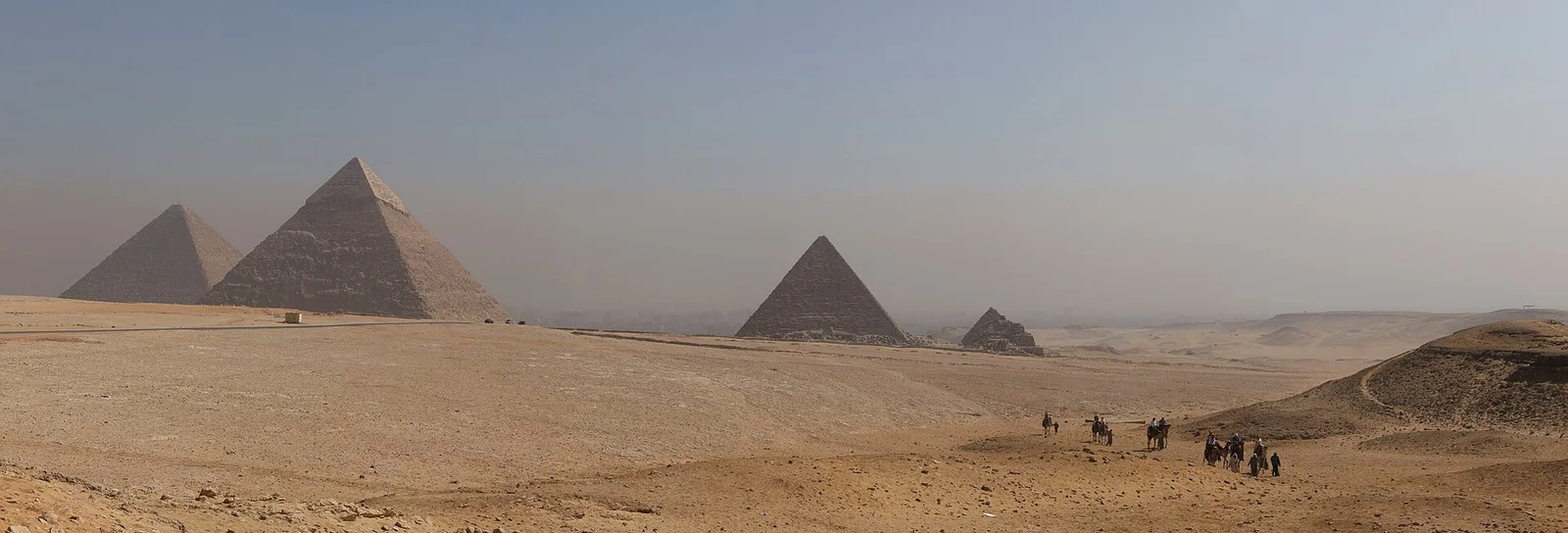
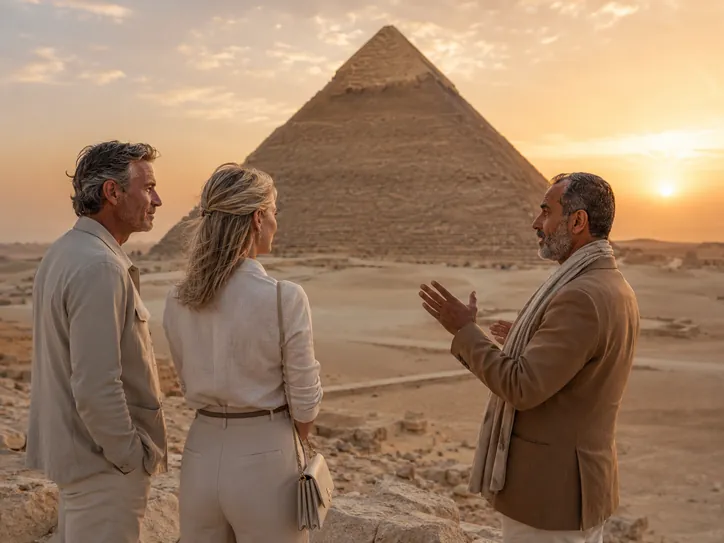
It is excellent weather for the Pyramids of Giza and the Grand Egyptian Museum. The plateau has no shade, and in January you can walk it at midday without thinking about the heat. Bring a light jacket for early starts and for evenings in the city, when the temperature drops quickly after sunset.
Luxor in January
Luxor has the widest swing of any major site. Highs average around 73°F (23°C), so afternoons on the West Bank feel warm, but nights fall to around 45°F (7°C), and the hour before dawn can feel colder still. Rain is almost unknown.
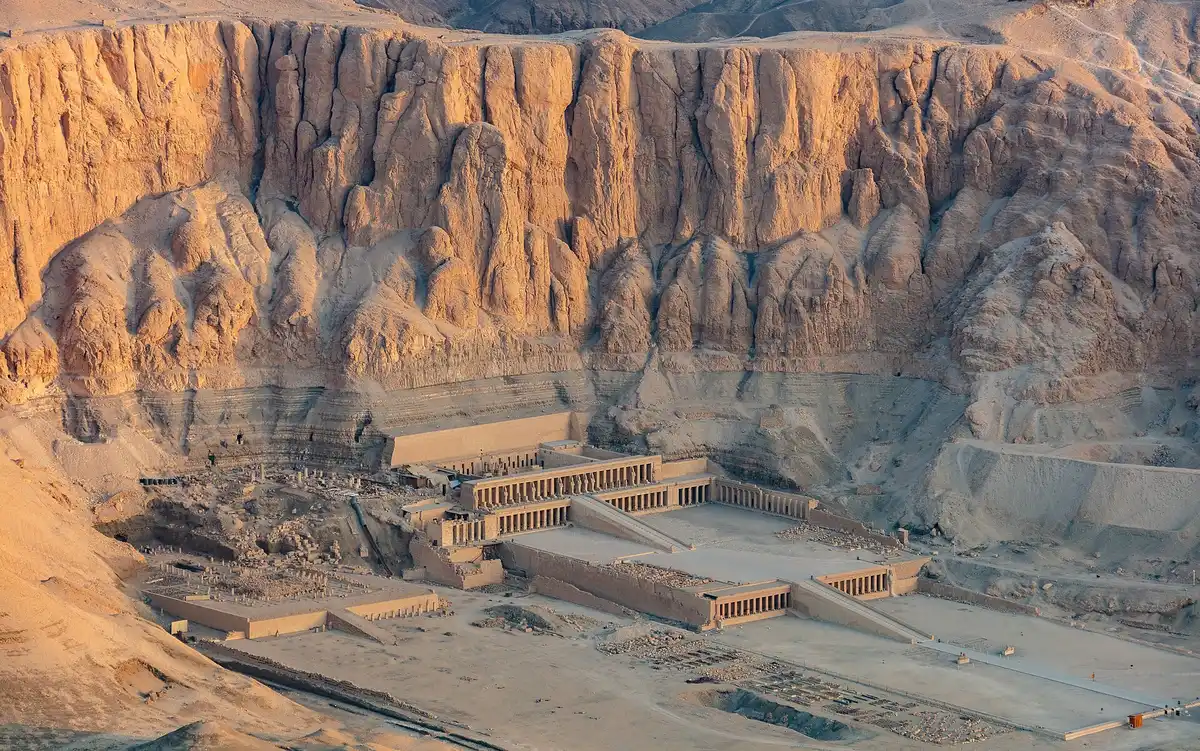
For Karnak, the Valley of the Kings and the temples of the West Bank, the days are perfect. The early start is the one thing to dress for: a sunrise hot air balloon flight launches in the coldest part of the day, and a warm jacket, scarf and closed shoes make the difference between enjoying the view and counting the minutes.
Aswan in January
Aswan is the sunniest place in Egypt in January, with around ten hours of sunshine a day and no rain at all. Highs average around 73°F (23°C) and nights around 50°F (10°C), a little milder than Luxor after dark.
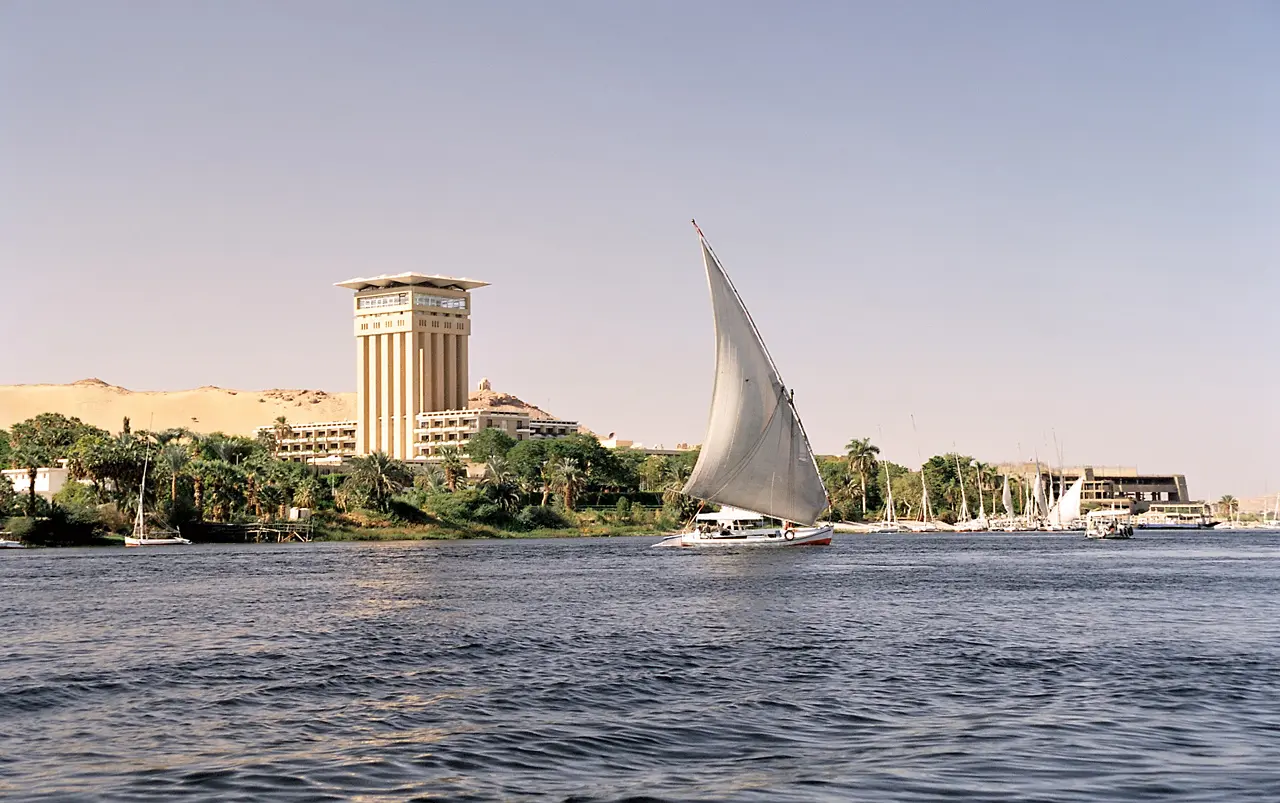
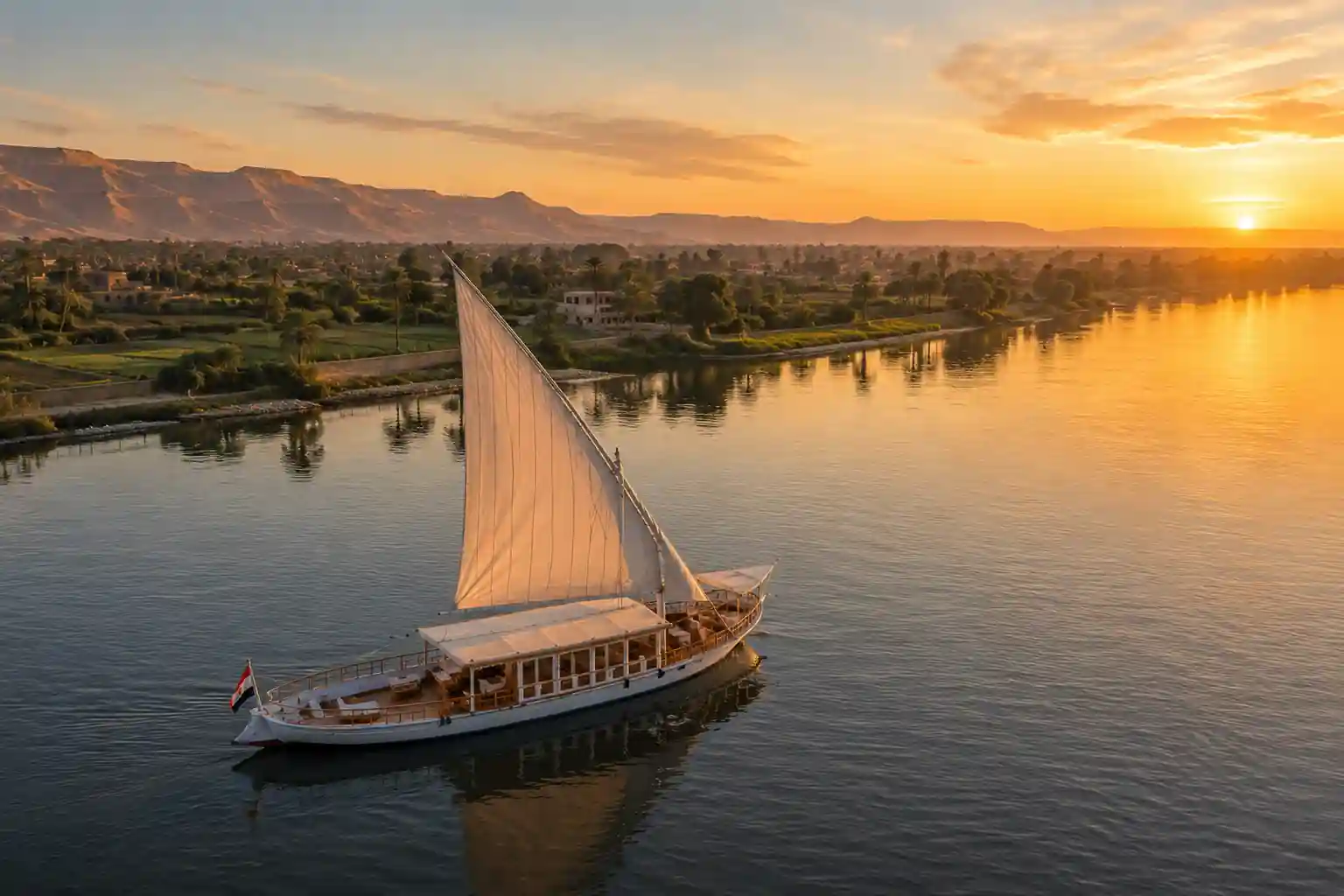
A felucca on the Nile at sunset, the temple of Philae and the Nubian villages on the West Bank all sit easily in this weather. Abu Simbel, further south, can feel noticeably warmer by midday, so carry water and a hat even in winter.
On the Nile Between Luxor and Aswan
January is one of the calmest and most comfortable months to sail. Days on deck are warm and clear, the river is quiet, and evenings are cool enough that boats bring out blankets after dinner. With the holiday rush over, the first weeks of January are often easier to book than late December, though the best cabins still go early. Our guide to the best luxury Nile cruises compares the boats, including the small dahabiyas that suit this season best.
Planning a journey to Egypt? Ask Hamdy on WhatsApp or share your dates for a personal reply within 24 hours.
Alexandria and the Mediterranean Coast
Alexandria is the exception. January is its wettest month, with around nine rainy days and about 70 mm of rain, and the sea is often grey and rough. Highs average around 64°F (18°C) and nights around 48°F (9°C), and the wind off the water makes it feel cooler.
The city is still worth the trip. The Bibliotheca Alexandrina, the museums and the catacombs are indoors or sheltered, and a day trip from Cairo works well if you keep the plans flexible and pack a waterproof layer.
The Red Sea in January
The Red Sea coast stays dry and sunny all month. In Hurghada, highs average around 72°F (22°C) and nights around 52°F (11°C). Sharm el Sheikh, on the Sinai coast, has warmer nights at around 57°F (14°C). The sea at both is around 72°F (22°C).
That is cool for a long swim but comfortable for snorkelling in a light wetsuit, and visibility for diving is excellent. A few quiet days on the coast after the temples is a good way to finish a January journey, as long as you plan on sunshine rather than beach heat.
The Western Desert
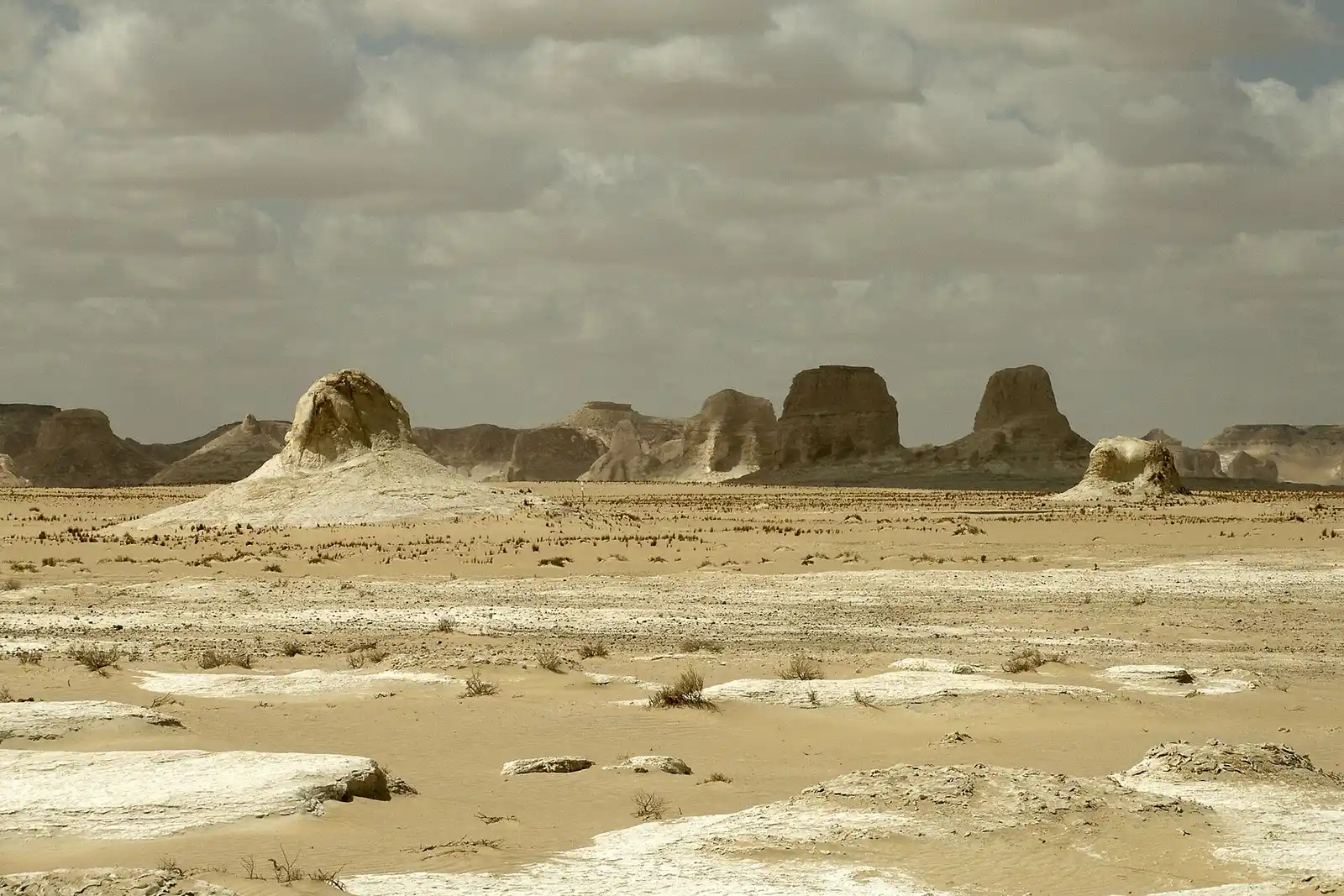
In the oases of the Western Desert, such as Siwa and Bahariya, January days are pleasant at around 66°F (19°C), but nights fall to around 45°F (7°C) in town and can approach freezing in the open desert. A night camping in the White Desert is unforgettable in January, with the clearest skies of the year, but it needs a proper warm jacket, a hat and warm layers to sleep in.
What to Pack for Egypt in January
Think in layers. Light, breathable clothes for warm afternoons, a fleece or warm jacket for mornings, evenings and anything on the water or in the desert, and a scarf that works both against the evening chill and for covering shoulders in mosques and churches. Sunglasses, a hat and sunscreen still matter, because the winter sun is strong and many sites have little shade. For a fuller list, see what to pack for Egypt.
Crowds, Holidays and the Coptic Christmas
January is still high season, but it feels different from December. The New Year crowds leave in the first days of the month, families head home after the school holidays, and from the second week the sites and hotels are noticeably calmer. For many travellers that makes mid and late January the sweet spot of the winter.
The month opens with one of Egypt's great feasts. Coptic Christmas falls on 7 January, with midnight services in churches across the country on the night of the 6th. A journey that begins after New Year and includes that night in Coptic Cairo is a memorable way to start the year. Our Christmas and New Year journeys can be shaped around it.
Is January a Good Time to Visit Egypt?
Yes, for most travellers it is one of the best months of the year. The temples, tombs and museums are comfortable all day, the Nile is calm, the desert is at its clearest, and after the first week the crowds ease. The only things to plan for are cold mornings and nights, and rain if your route includes Alexandria.
To compare Egypt weather in January with December and the rest of the year, see our guides to Egypt weather in December and the best time to visit Egypt. If January suits your calendar, tell us your dates or ask Hamdy on WhatsApp, and we will shape a private journey around the season.