Ask an Egyptian when Christmas is and you may get two answers, because Christmas in Egypt is celebrated twice. The country's Coptic Orthodox Christians, the largest Christian community in the Middle East, celebrate the birth of Christ on 7 January. Catholics, Protestants and most of the foreign community celebrate on 25 December. Hotels decorate for the first, churches fill for the second, and the fortnight in between happens to be some of the gentlest weather of the Egyptian year.
For a traveller that makes Christmas in Egypt less a single day than a season, running from the lights going up in Cairo's hotels in early December to the last bells of the Coptic feast in January. This guide explains how the two Christmases work, what you will see if you are here for either, and how to shape the trip around them.
Why Egypt Celebrates Christmas Twice
The difference is a calendar, not a disagreement about the event. The Coptic Orthodox Church still reckons its feasts by the older Julian calendar, which now runs thirteen days behind the Gregorian calendar used for everyday life. The 29th of the Coptic month of Kiahk, the church's Christmas Day, therefore falls on 7 January in the modern calendar.
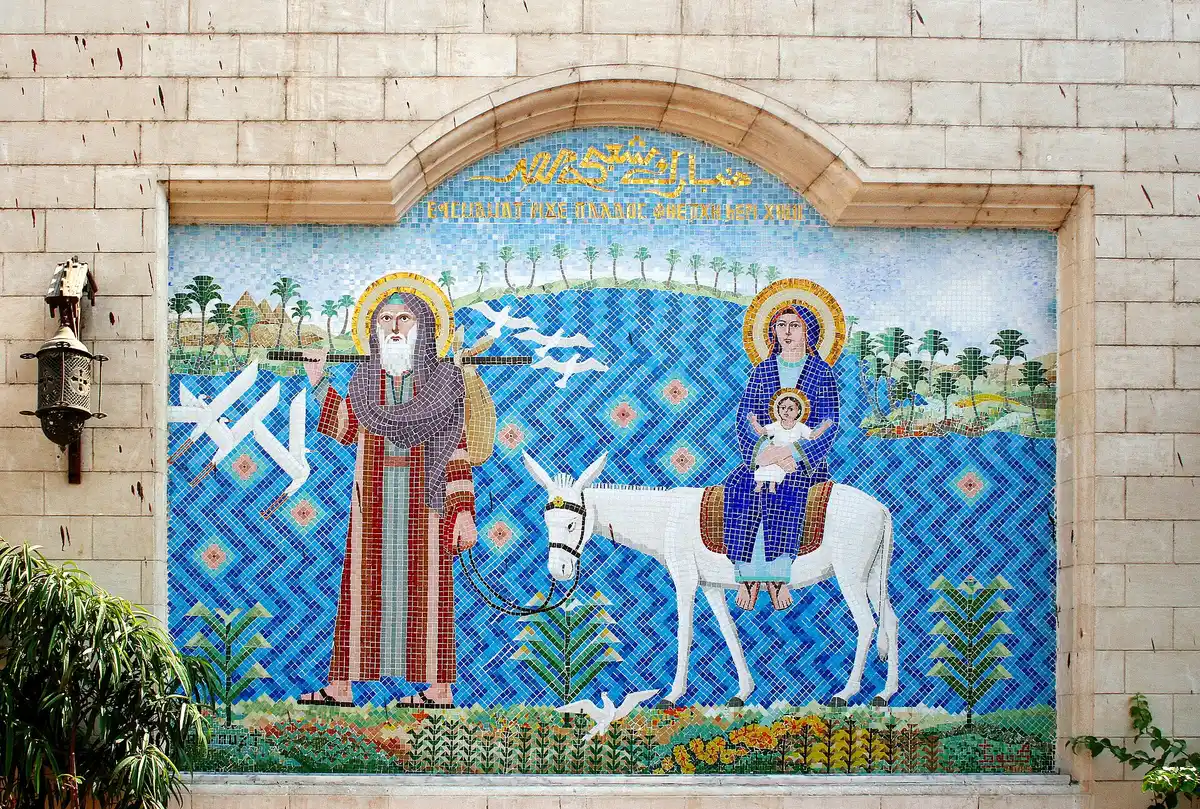
The Coptic Church traces itself to Saint Mark, who is said to have brought Christianity to Alexandria in the first century, and Egypt's Christians are a significant minority of the population. Since the early 2000s, 7 January has been a national public holiday, observed by Egyptians of every faith. The 25th of December is not a public holiday, but in the hotels, the international churches and the expatriate districts of Cairo it is unmistakably Christmas.
Christmas Customs in Egypt: the Nativity Fast
Coptic Christmas is preceded by a fast of forty three days, which begins in late November and ends on the night of 6 January. During it, observant Copts eat no meat, fish, eggs or dairy, so the food of the season is vegan for weeks: lentils, beans, rice, vegetables cooked in oil, and the bean dishes Egyptians eat year round.
You will notice it more than you might expect. Bakeries and restaurants in Christian neighbourhoods advertise fasting menus, and a Coptic guide or driver may quietly decline the lamb at lunch. It is worth knowing, both as a courtesy and because the end of the fast is what gives Christmas Eve its sense of release.
Christmas Eve Mass on 6 January
The heart of Coptic Christmas is the liturgy on the night of 6 January. Families arrive in the evening, the service runs late into the night and often past midnight, and the church only empties in the small hours. The language moves between Arabic and Coptic, the last stage of the ancient Egyptian language, which survives in the church's hymns.
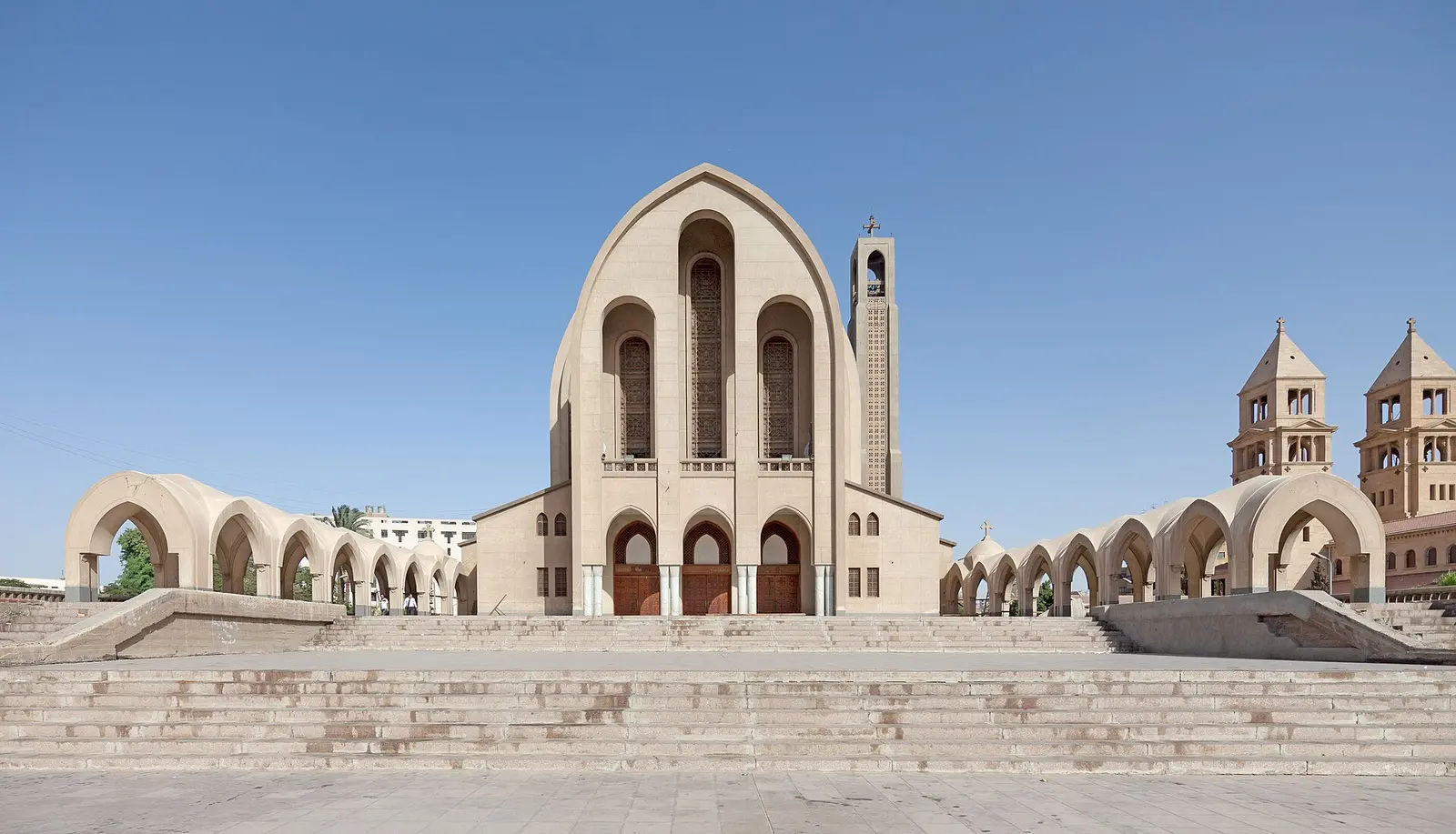
In recent years the Pope of the Coptic Church has led the principal service at the Cathedral of the Nativity in Egypt's New Administrative Capital, broadcast across the country and attended by senior officials. Security is tight and attendance there is largely by invitation. For a visitor, a parish church is the realistic and often the more moving choice. Churches in Coptic Cairo and in districts such as Heliopolis and Zamalek hold their own services, and respectful visitors are generally welcome. Dress modestly, expect a security check at the gate, and go with a guide who knows the parish and can confirm the timing that year.
Egyptian Christmas Traditions: Kahk, Fatta and the Christmas Table
When the service ends, the fast ends with it. The meal that follows is built around fatta, layers of toasted bread and rice soaked in broth and vinegar with garlic, topped with lamb or beef. It is rich, deliberately so, after six weeks without meat.
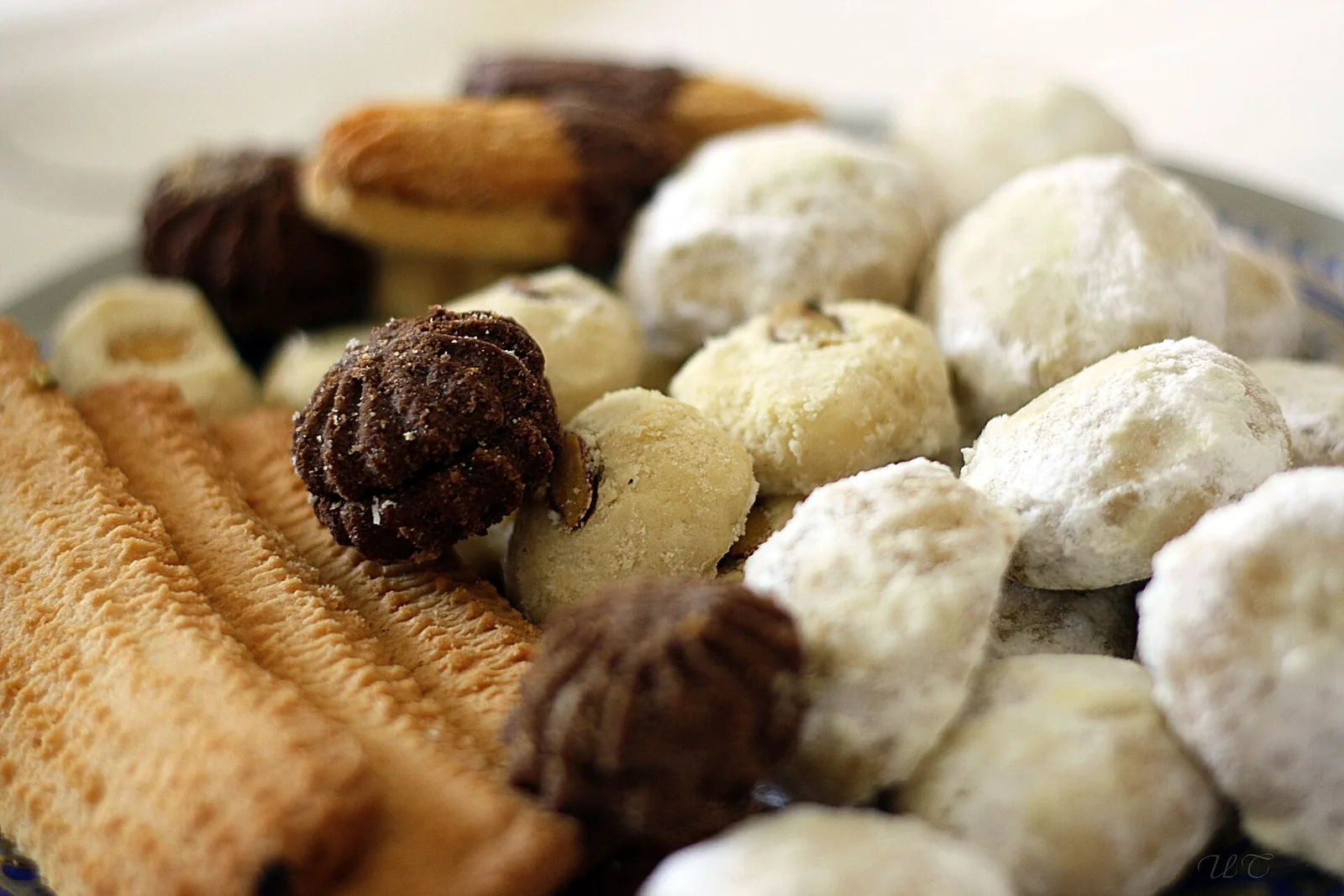
Of all the Christmas traditions in Egypt, the one visitors meet first is kahk, small round biscuits made with butter and dusted thickly with icing sugar, sometimes filled with dates or nuts. Kahk is shared at Muslim feasts too, and boxes of it travel between neighbours and colleagues of both faiths. If you are invited into an Egyptian home over the holidays, it is what you will be offered first.
The greeting you will hear is Eid Milad Magid, a glorious feast of the Nativity. Children receive new clothes and a little money, and in the shops Father Christmas appears as Baba Noel.
Planning a journey to Egypt? Ask Hamdy on WhatsApp or share your dates for a personal reply within 24 hours.
25 December in Cairo and Along the Nile
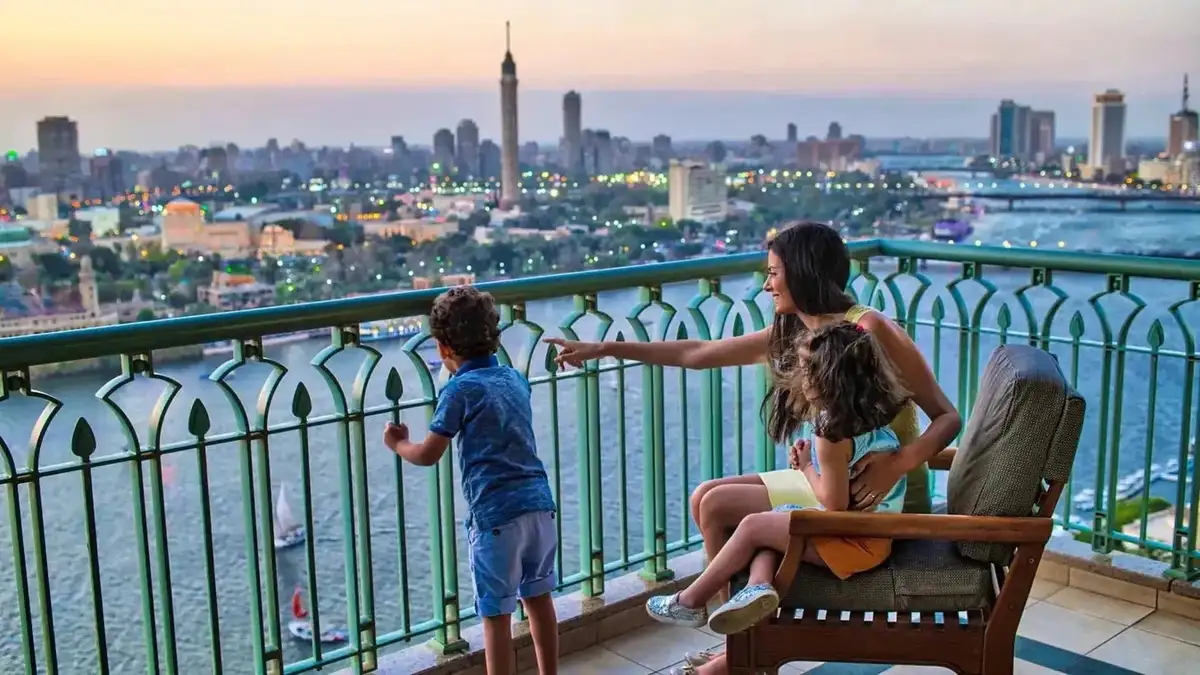
For international visitors, the 25th is the more familiar Christmas. The large hotels in Cairo, Luxor and Aswan put up trees in their lobbies, hold Christmas Eve dinners and Christmas Day lunches, and fill their restaurants with families who have flown in for the holidays. Catholic and Anglican churches in Cairo hold services in English, among them All Saints Cathedral in Zamalek.
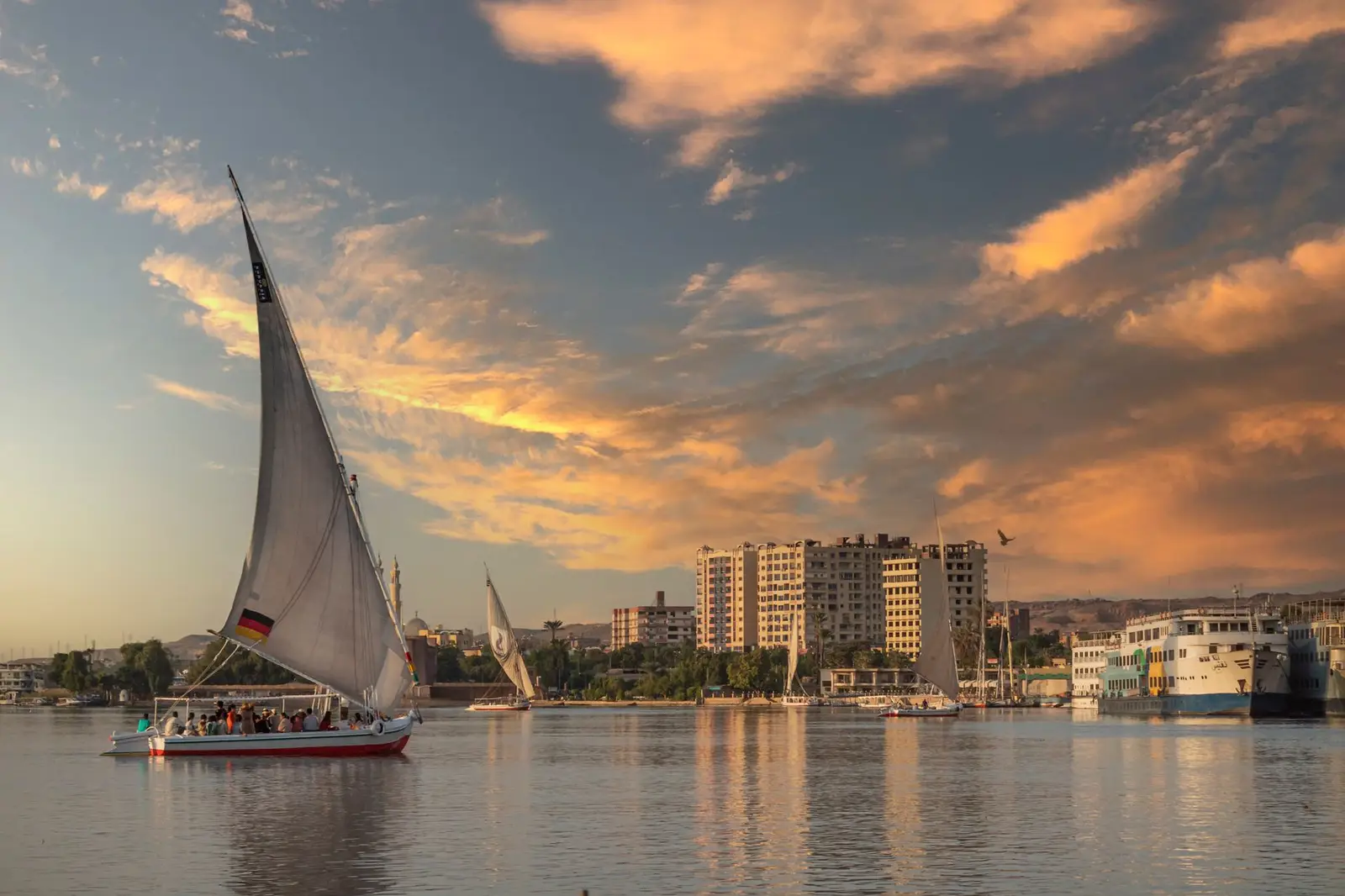
On the Nile, cruise ships and dahabiyas sailing between Luxor and Aswan over Christmas usually mark the evening with a festive dinner on board. It is a quieter way to spend the day than a hotel ballroom, and for many families it is the reason they come.
New Year's Eve, Between the Two Christmases
New Year's Eve falls neatly between the two feasts, and it is the busiest night of the season. Hotels across Cairo hold gala dinners, the best of them with a view of the Pyramids or the river, and the Nile cruise ships hold their own celebrations on deck. Tables book out early, and the days around it are the most expensive and most sought after of the winter.
The first days of January are calmer. Families start to head home, the weather stays bright, and by the time Coptic Christmas arrives on the 7th the sites are noticeably quieter than they were a week before.
What Opens and What Closes
Very little closes for a traveller. The great archaeological sites, the museums and the hotels stay open through the season, including on both Christmas Days. On 7 January, as a public holiday, government offices and banks close and traffic in Cairo is lighter than usual, while families fill the parks and the riverside in the afternoon.
The real constraint is not closures but demand. The weeks from Christmas to early January are the peak of the Egyptian high season, so the best rooms, the finest cabins on the Nile and the most experienced Egyptologists are committed months ahead. Planning early is the single most useful thing you can do.
Weather and What to Pack
December and January are mild and dry across most of Egypt. Days in Cairo are pleasantly warm, roughly in the high sixties to low seventies Fahrenheit, while Luxor and Aswan are a few degrees warmer in the afternoon. The nights are another matter, especially in the desert and on the river, where they can turn cold enough to need a proper jacket.
Pack for both: light layers for the sites, something warm for the evenings, and one smart outfit for a festive dinner. Modest clothing covering shoulders and knees is needed for churches and mosques, and comfortable shoes matter more than anything else on the list.
Spending the Festive Season in Egypt
The way most of our guests use the season is to let the calendar shape the route. Begin in Cairo for the Pyramids and the museums, sail south on the Nile across Christmas or New Year, and finish in Aswan or by the Red Sea while the rest of the world is still in winter. If you are here on 6 January, a night at a Coptic Christmas service is something very few visitors ever see.
Families often choose the seven day family journey or the longer itinerary that ends on the Red Sea, couples the nine days on the Nile, and travellers who want the river to themselves a private dahabiya sailing. Whichever you choose, the festive weeks are the ones to plan first.
Ready to spend Christmas and New Year in Egypt? Tell us your dates and we will shape a private journey around them, or ask Hamdy on WhatsApp for a personal reply.
Planning to travel over the holidays? See our luxury Egypt tour packages and family tours.