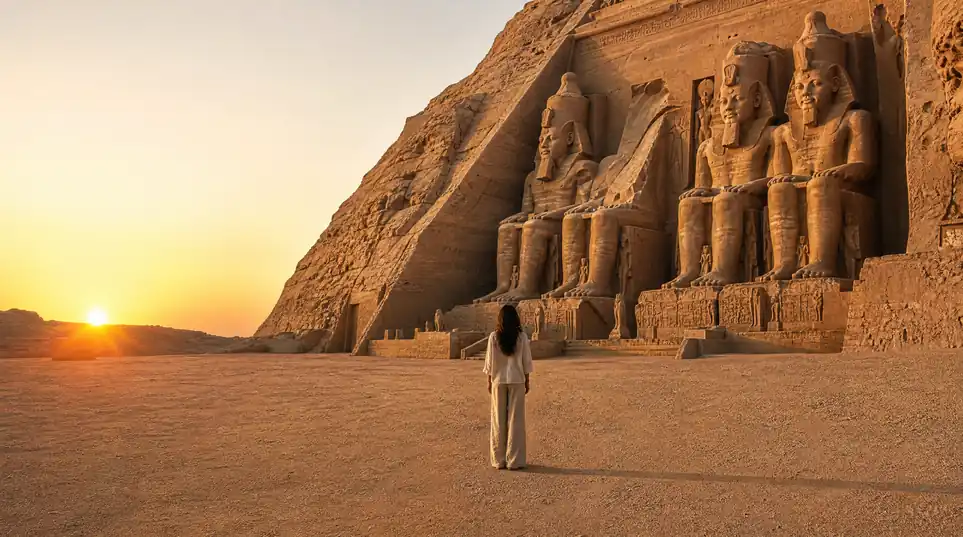
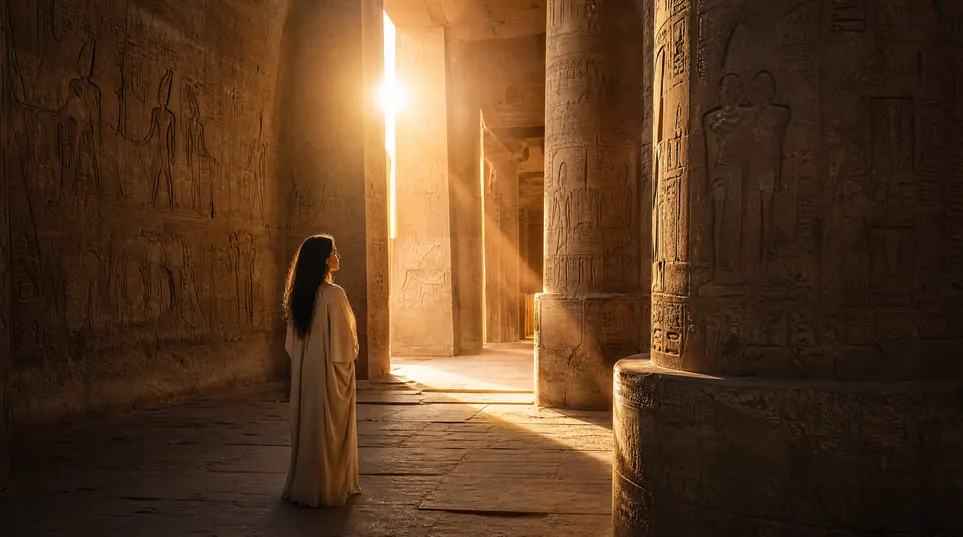
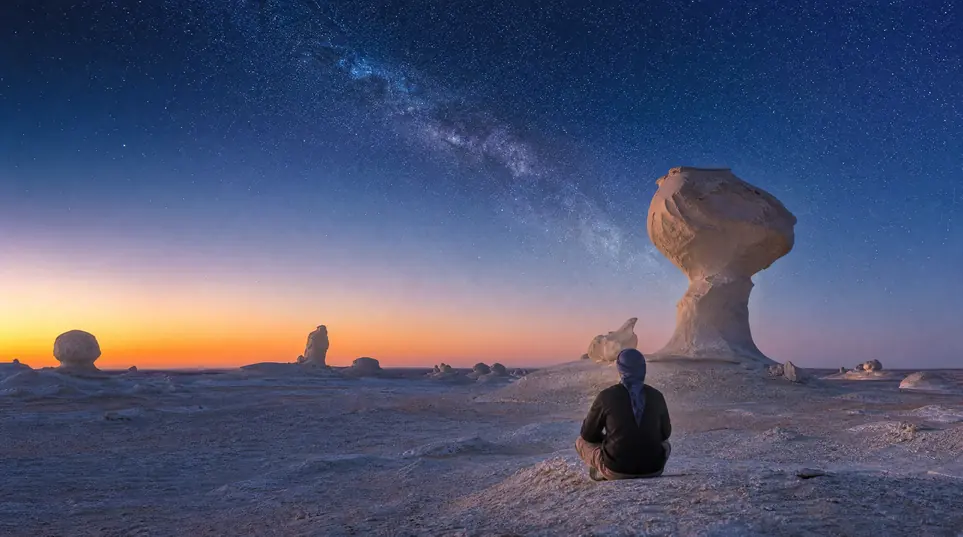
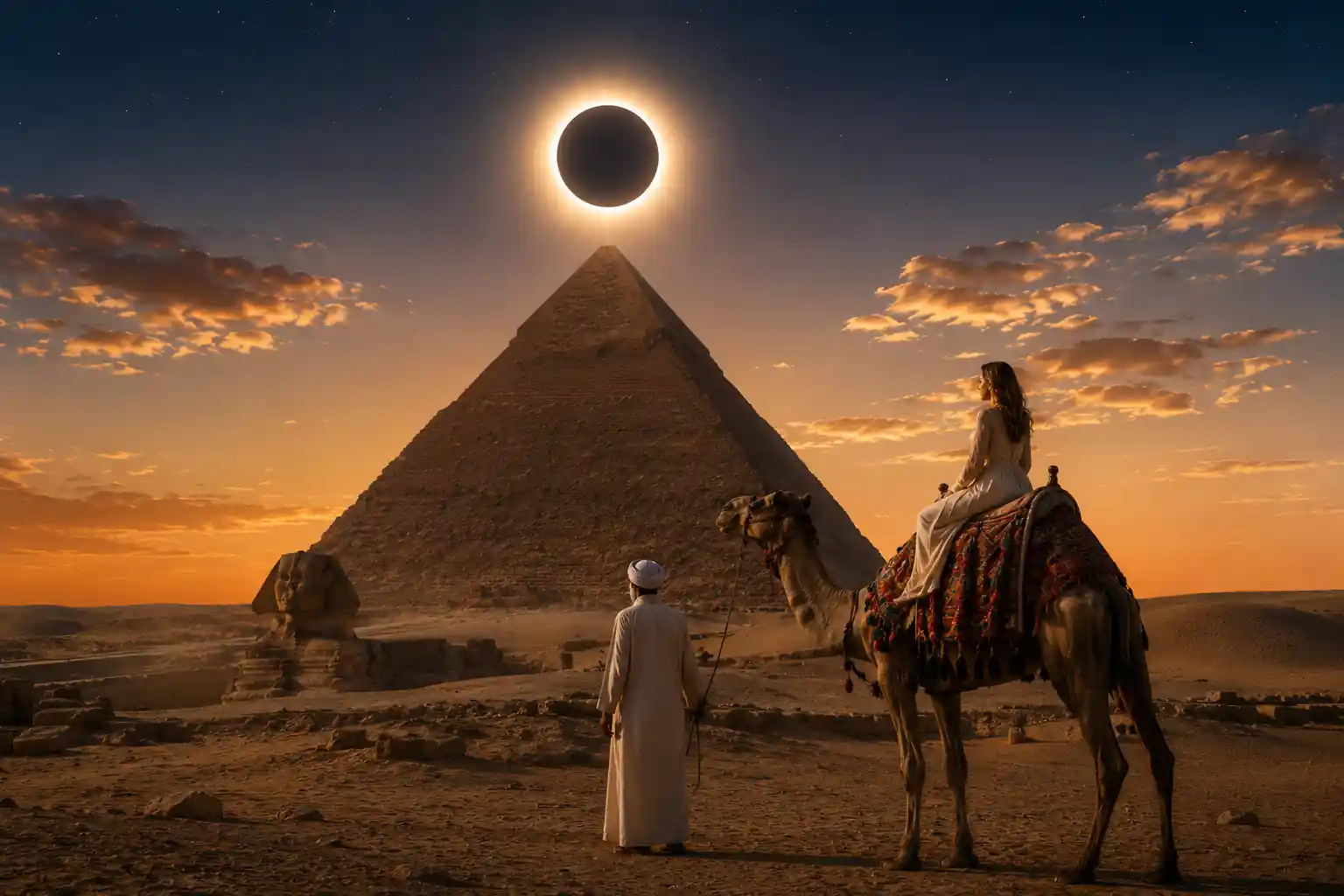
 Solar Eclipse Egypt
Egypt Solar Eclipse 2027 | Luxury Eclipse Tour in Luxor
7 Days / 6 Nights • Limited to 8-16
Itinerary
Cairo • Giza • Luxor
From$15,495 per person.
View Journey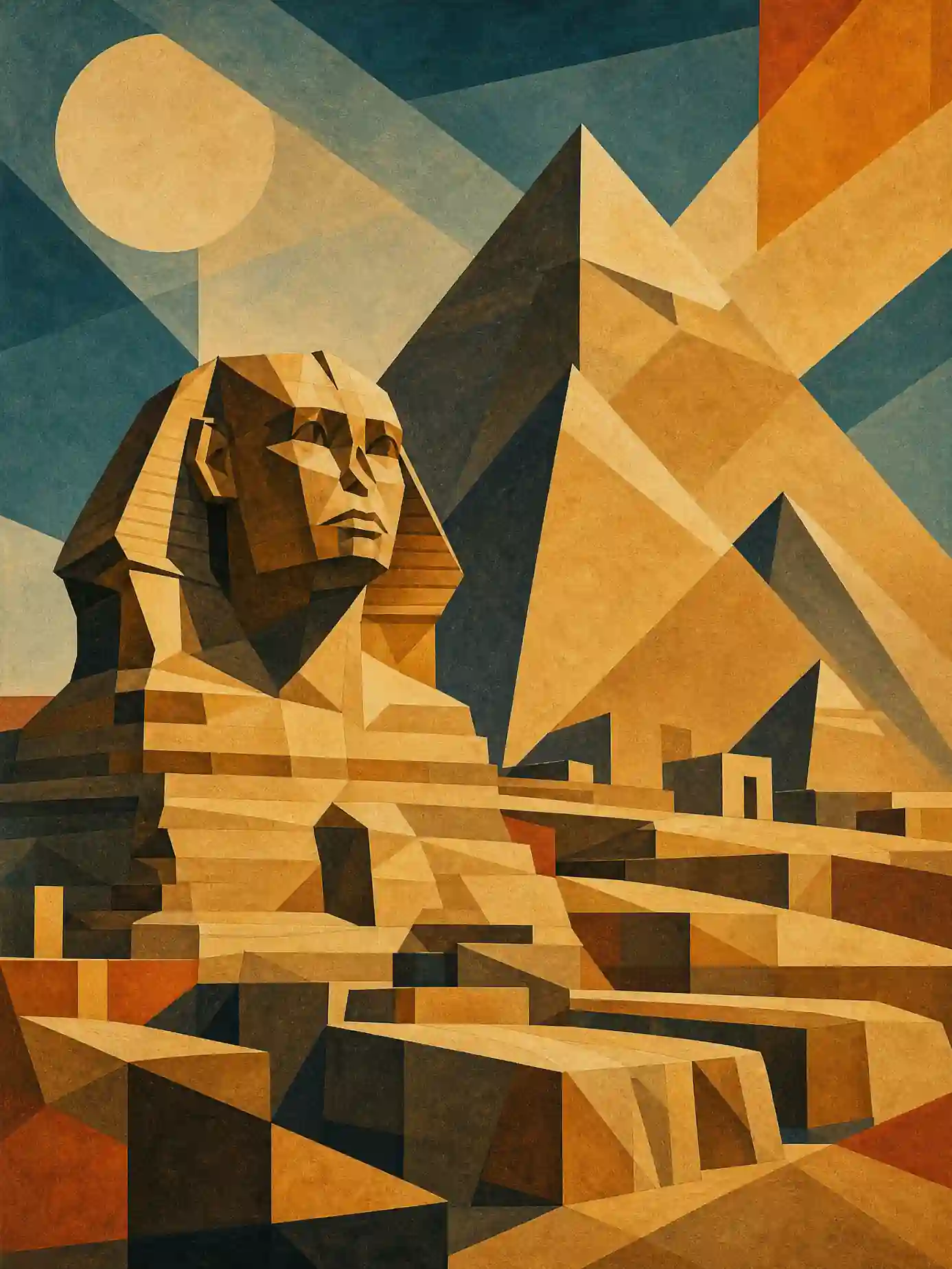
Cairo, Egypt: where 4,500-year-old pyramids meet a thousand medieval minarets along the Nile.
Cairo is Egypt's ancient capital, built where the last surviving pyramid of the ancient world rises beside a city layered with five thousand years of continuous history. Medieval mosques, Coptic churches, and the treasures of the pharaohs coexist within a single sprawling metropolis. Few cities on Earth compress this much civilization into one skyline.
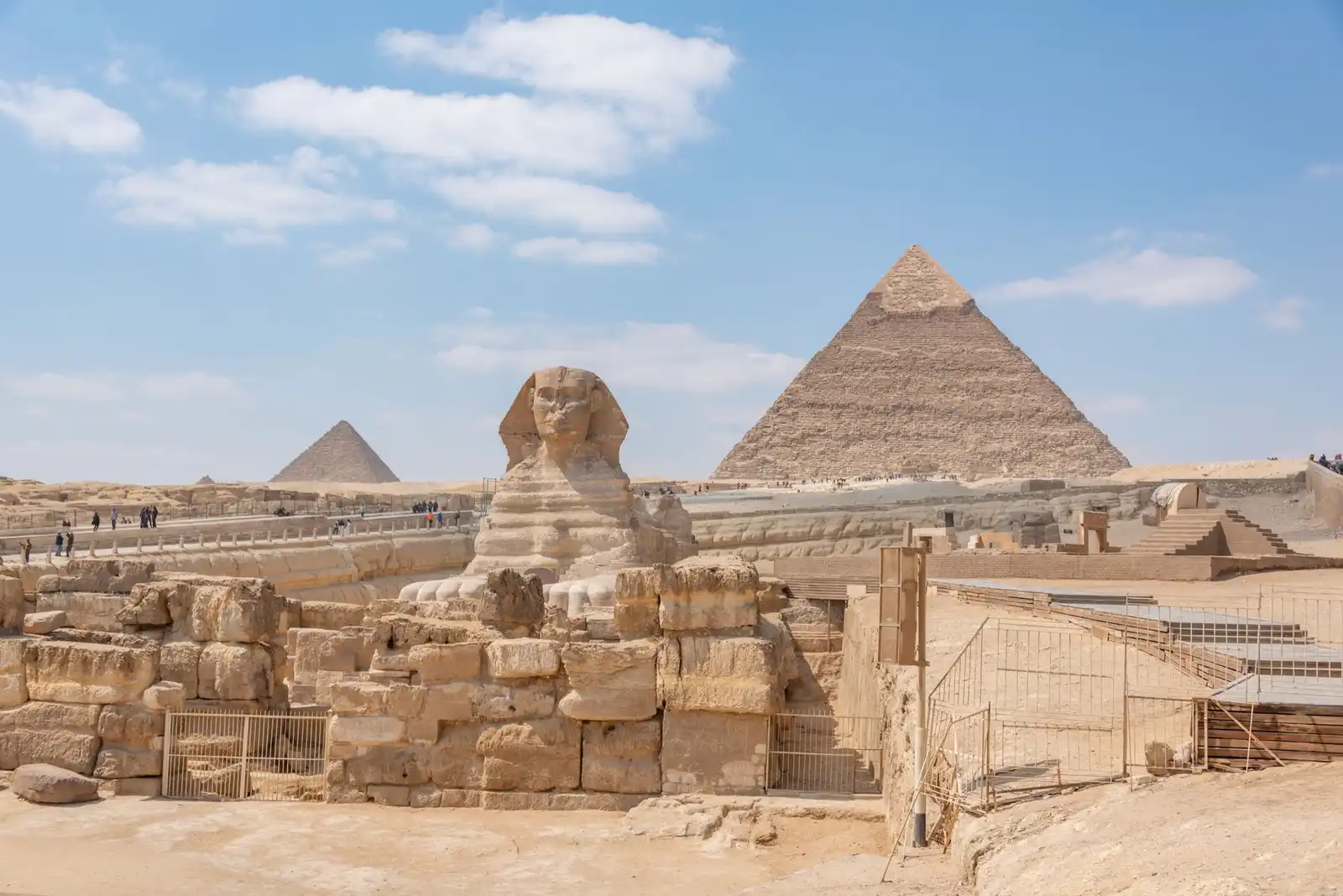
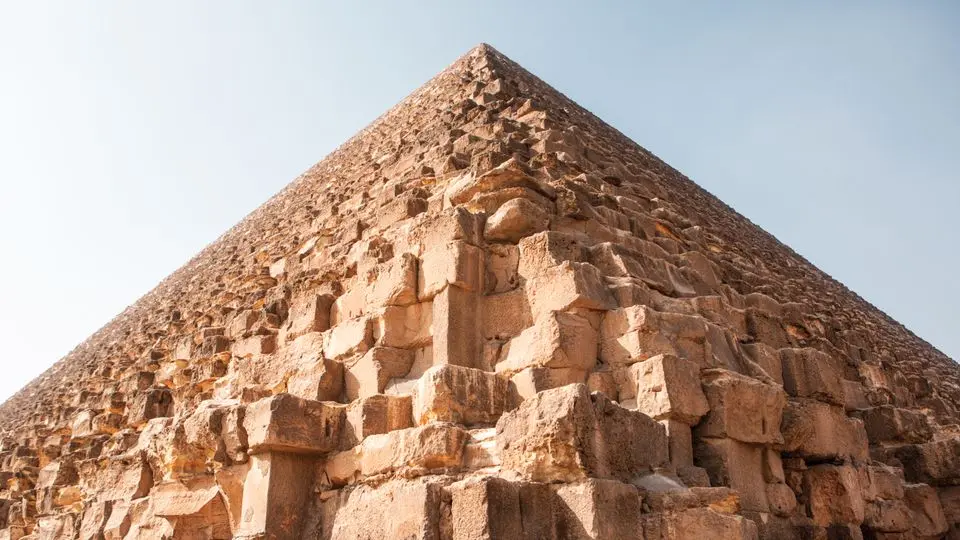
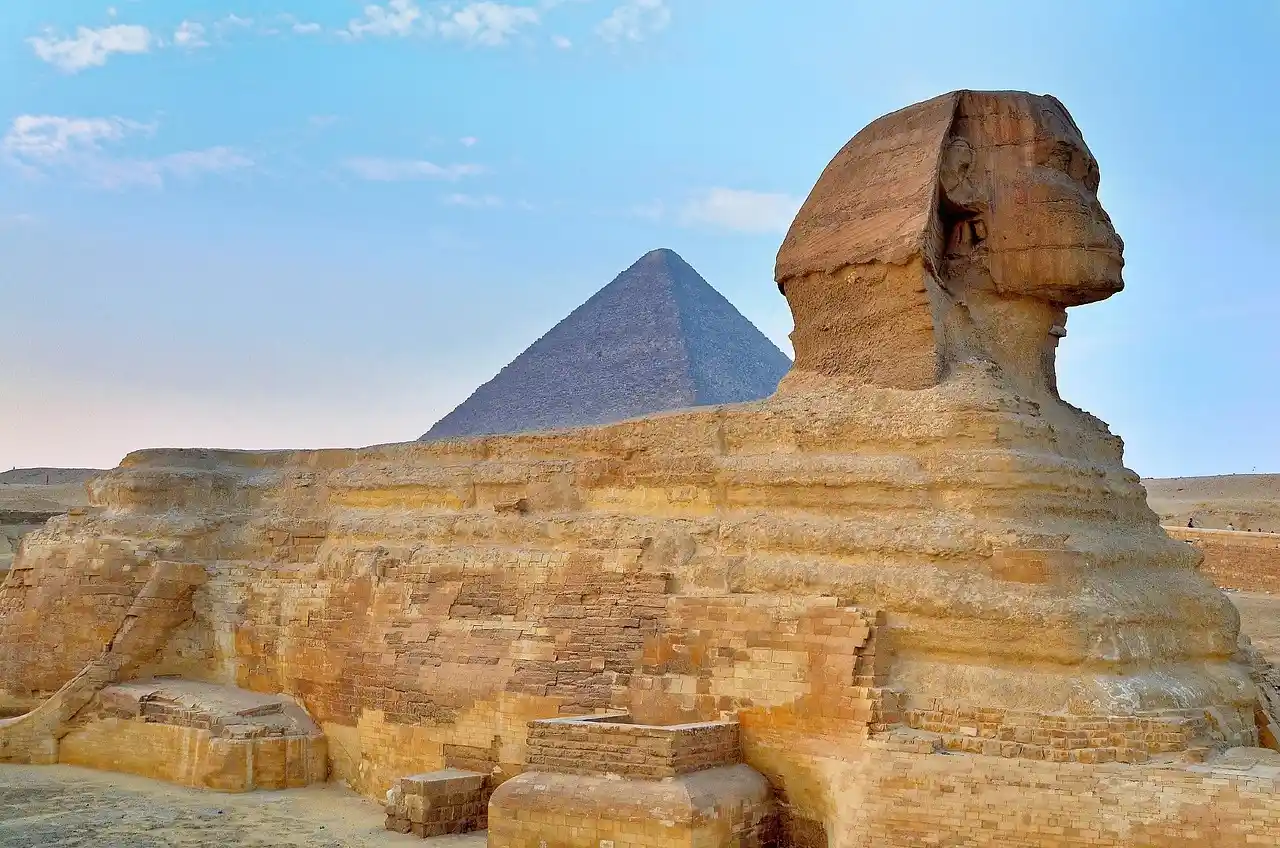
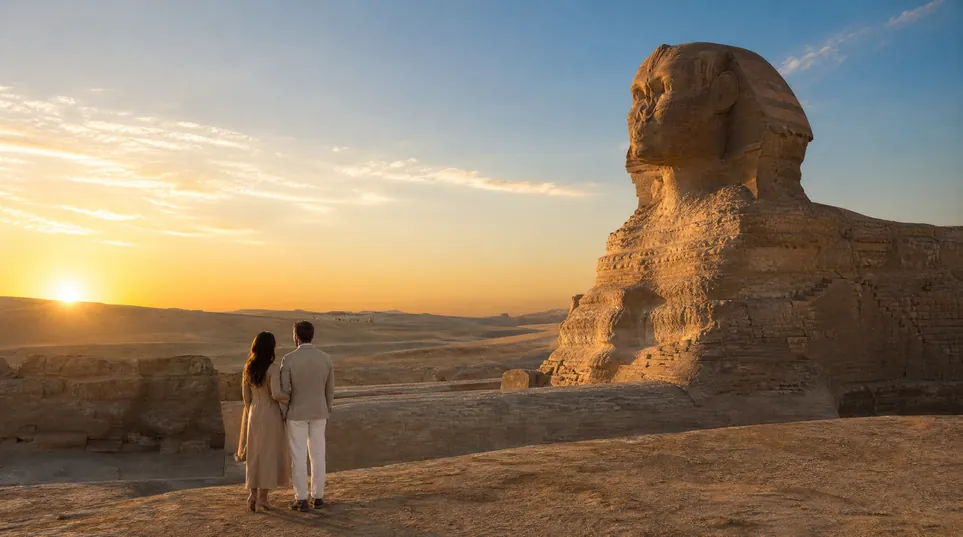
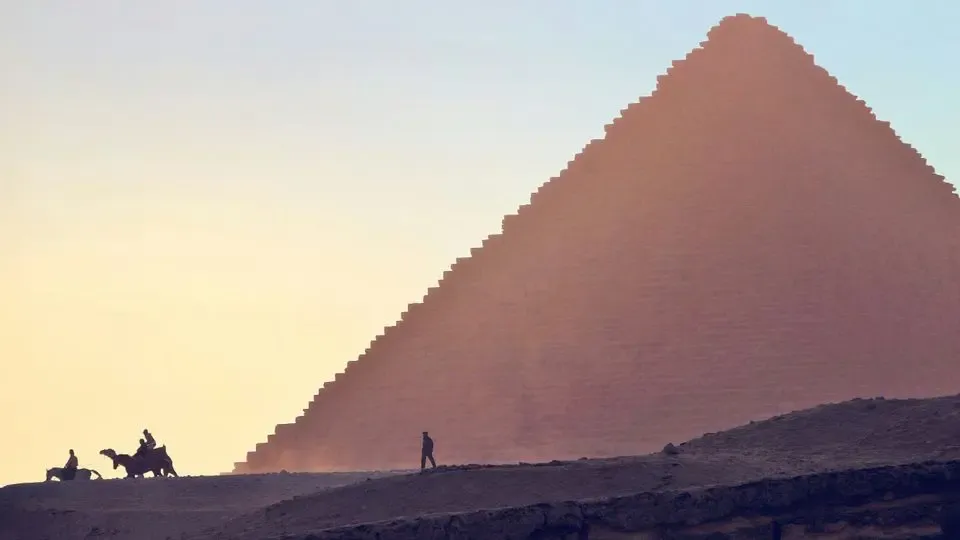
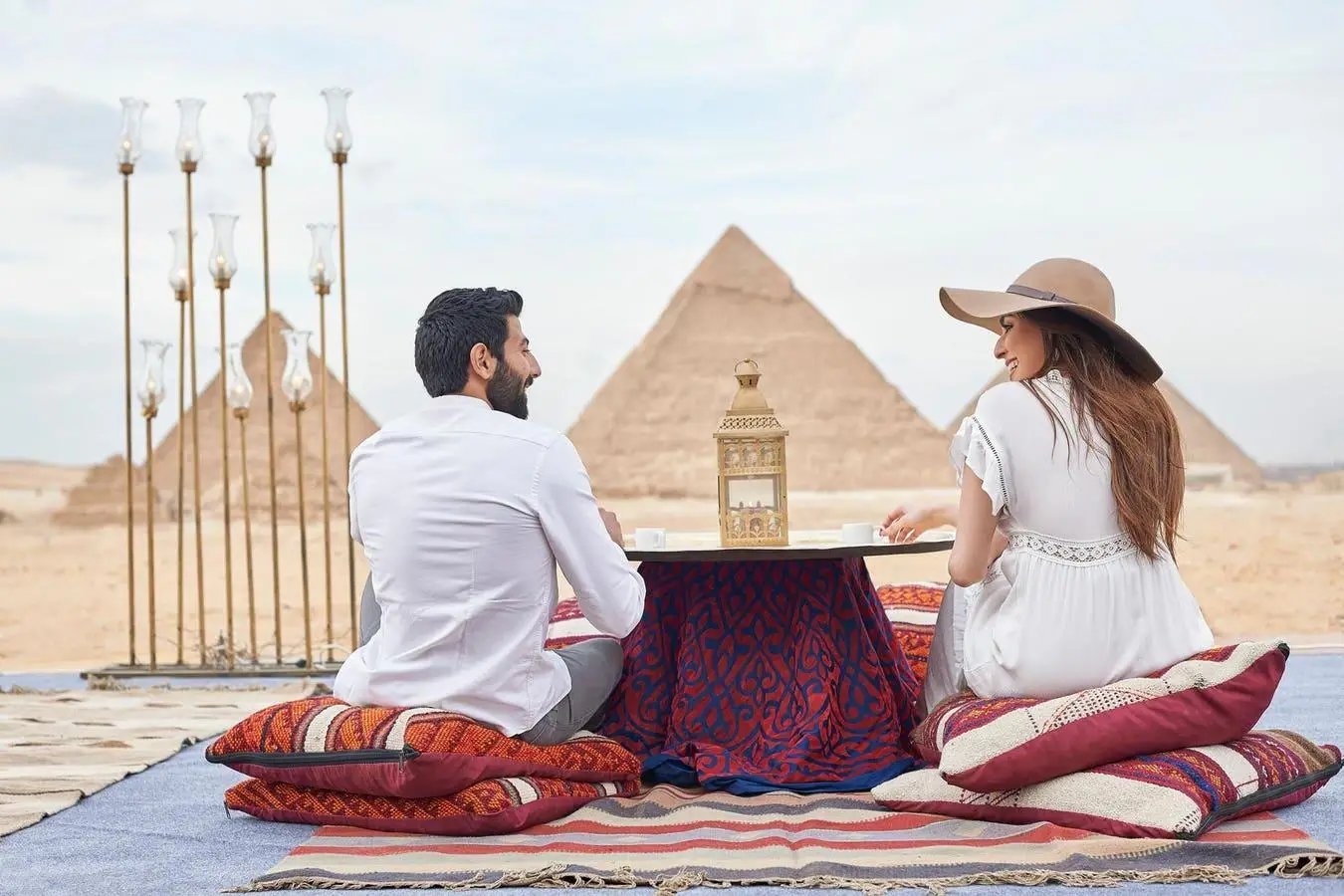
The Pyramids of Giza, the last surviving Wonder of the Ancient World, have risen from the desert for 4,500 years beside the eternally watchful Great Sphinx.
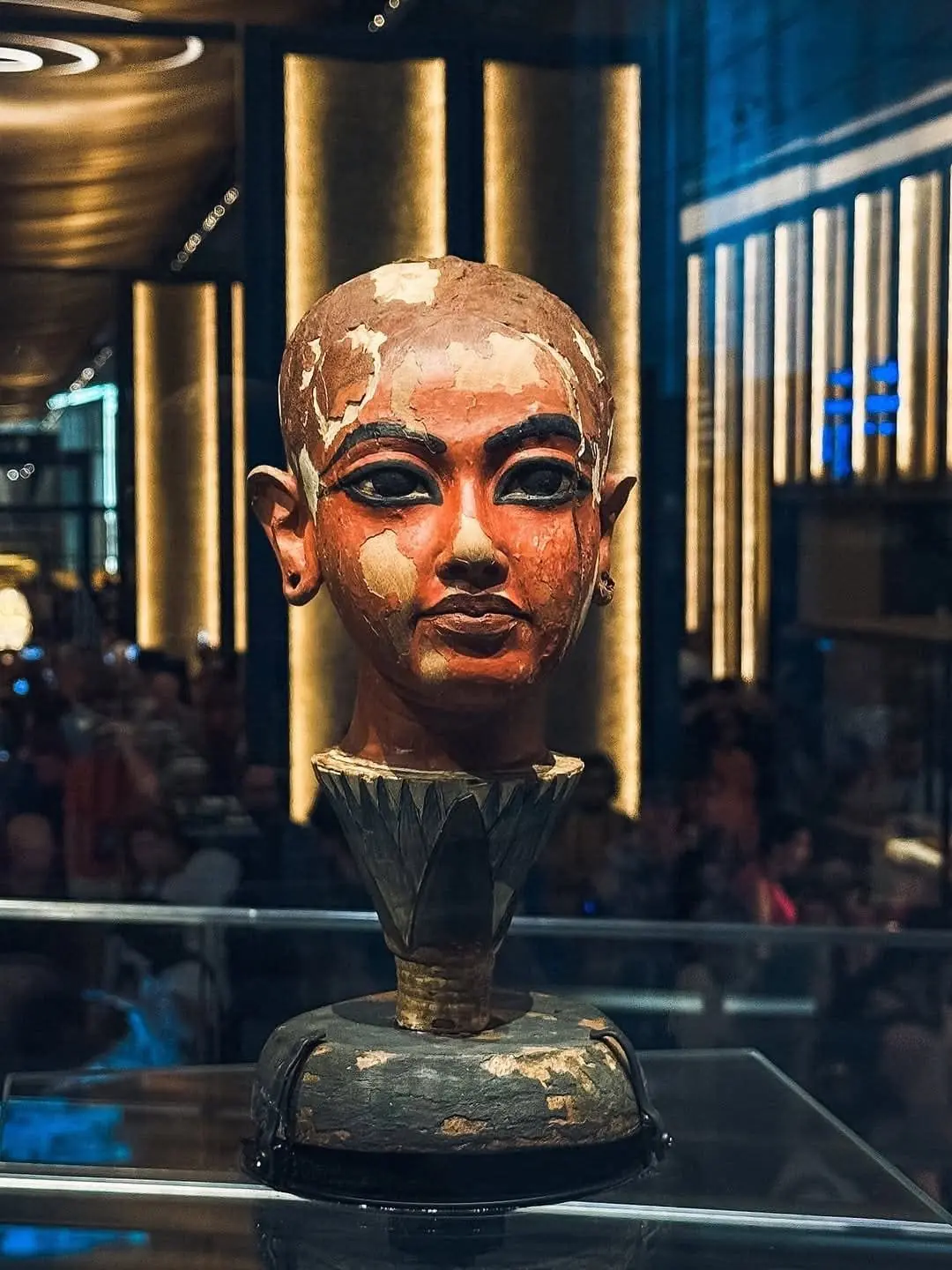
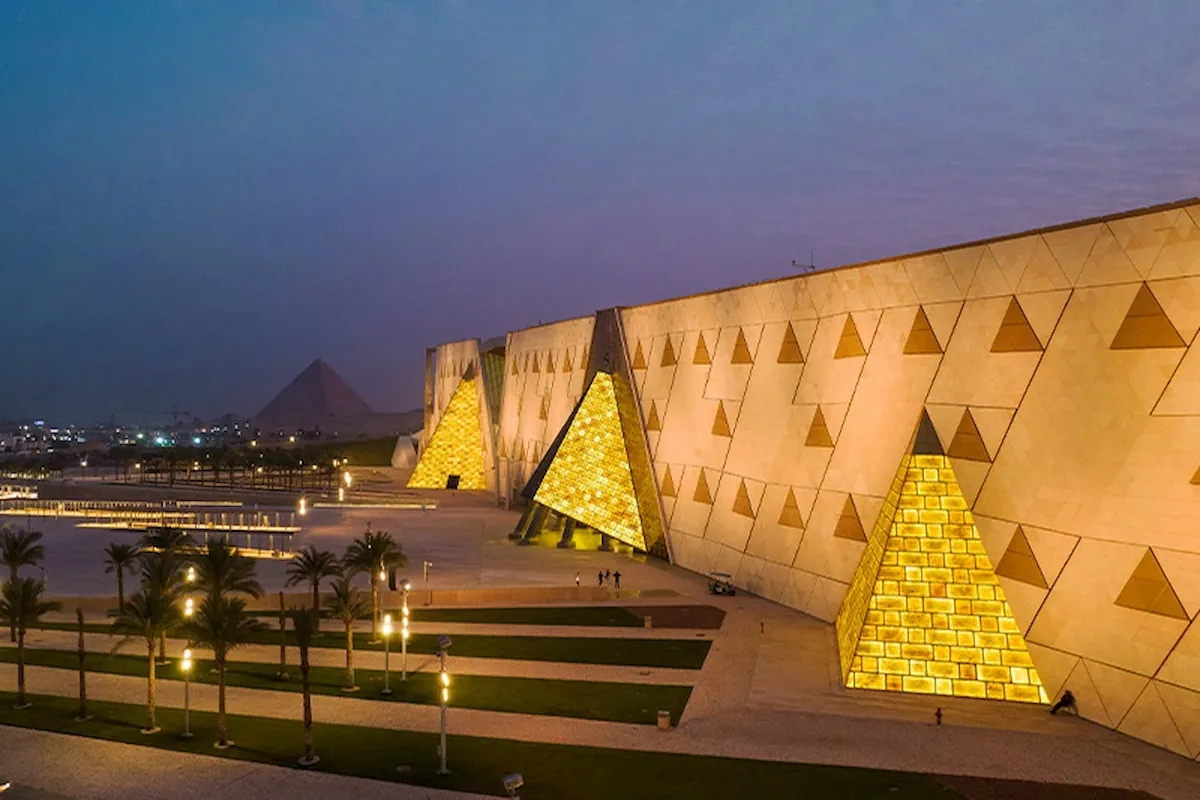
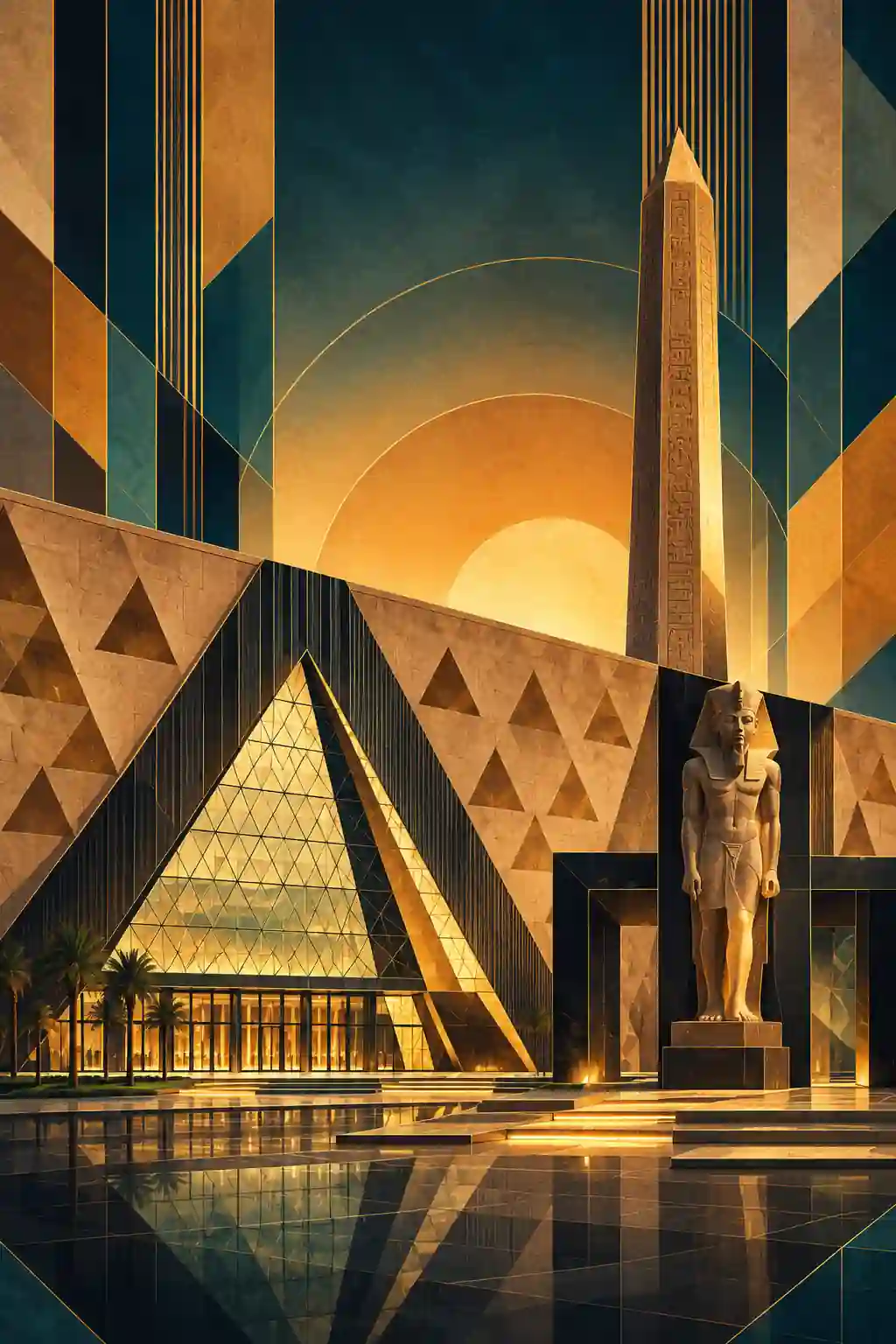
The Grand Egyptian Museum, the largest archaeological institution on Earth, unites Tutankhamun's complete treasures for the first time beneath a colossal statue of Ramesses II.
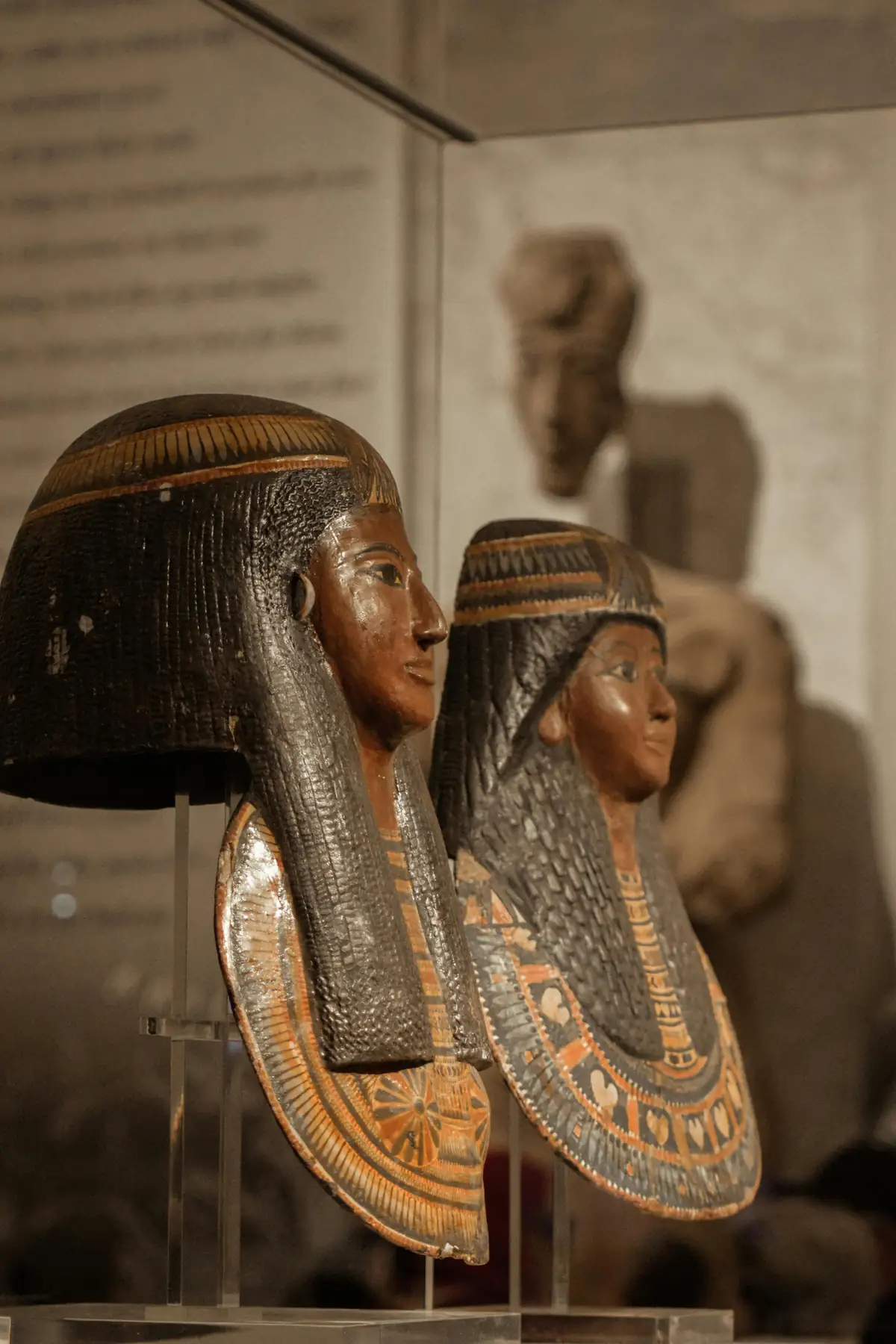
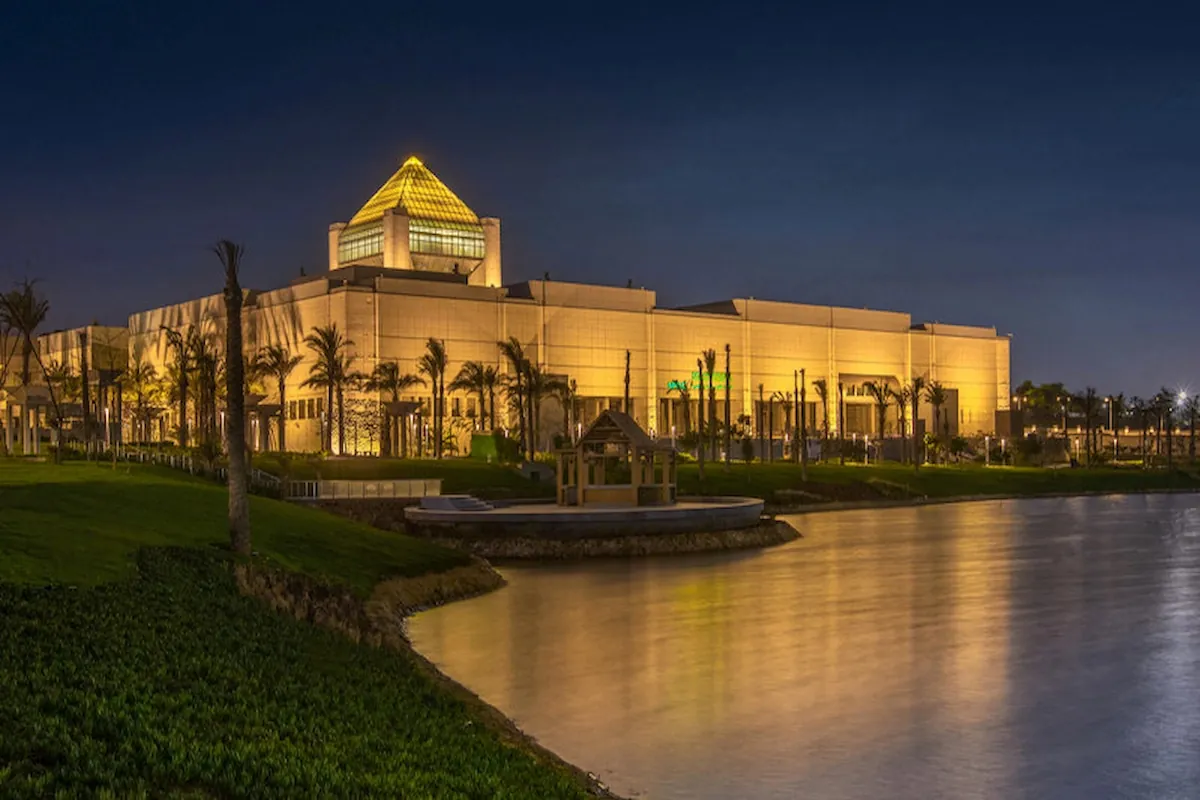
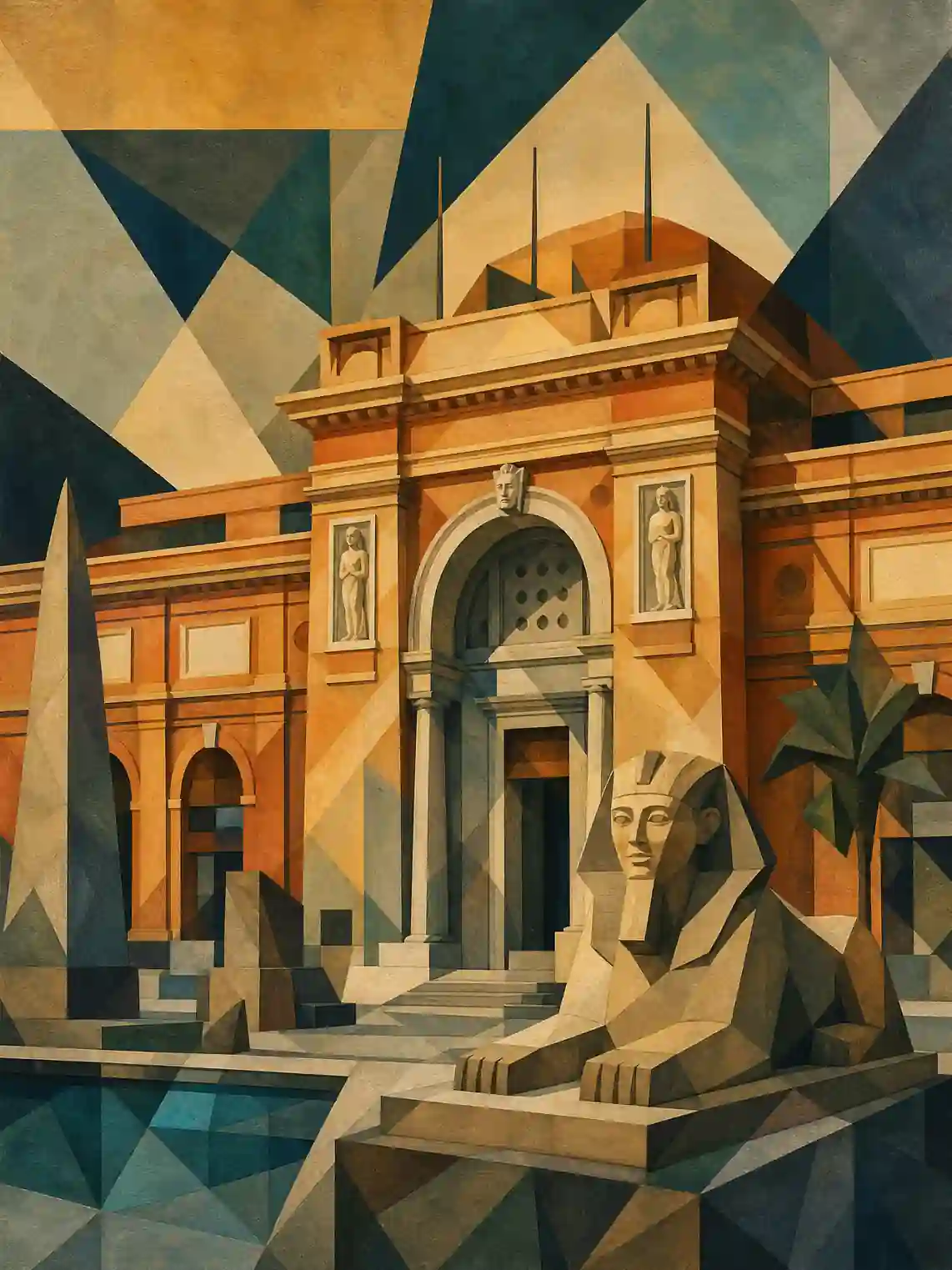
The Egyptian Museum in Cairo has guarded 120,000 ancient treasures within its Belle Époque halls for over a century, from royal mummies to painted coffins.
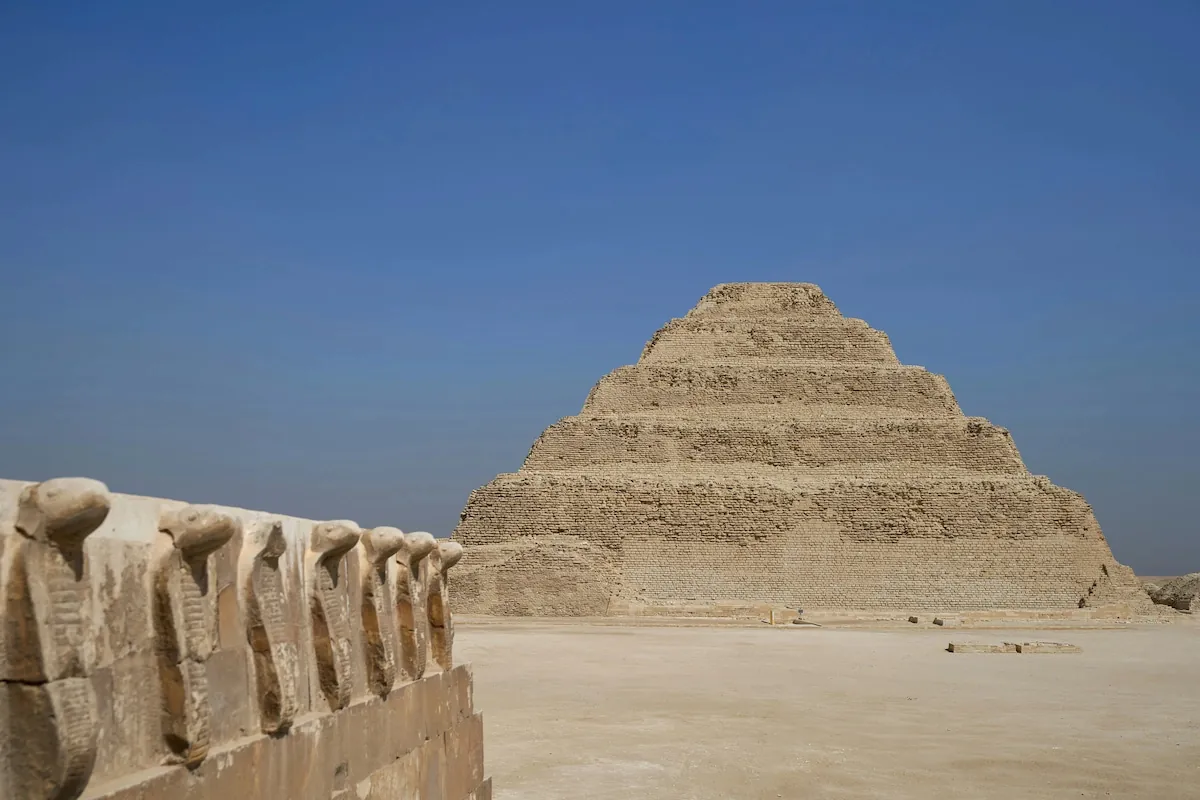
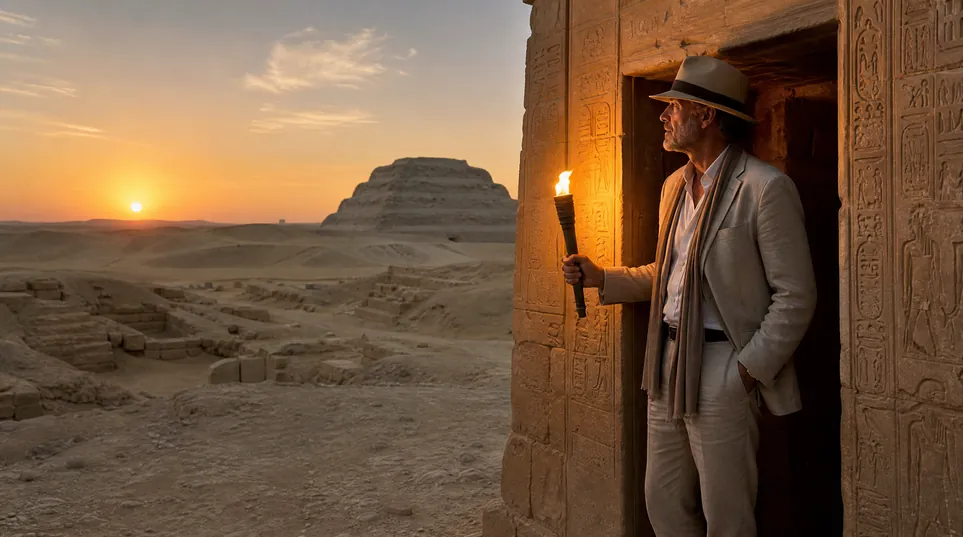
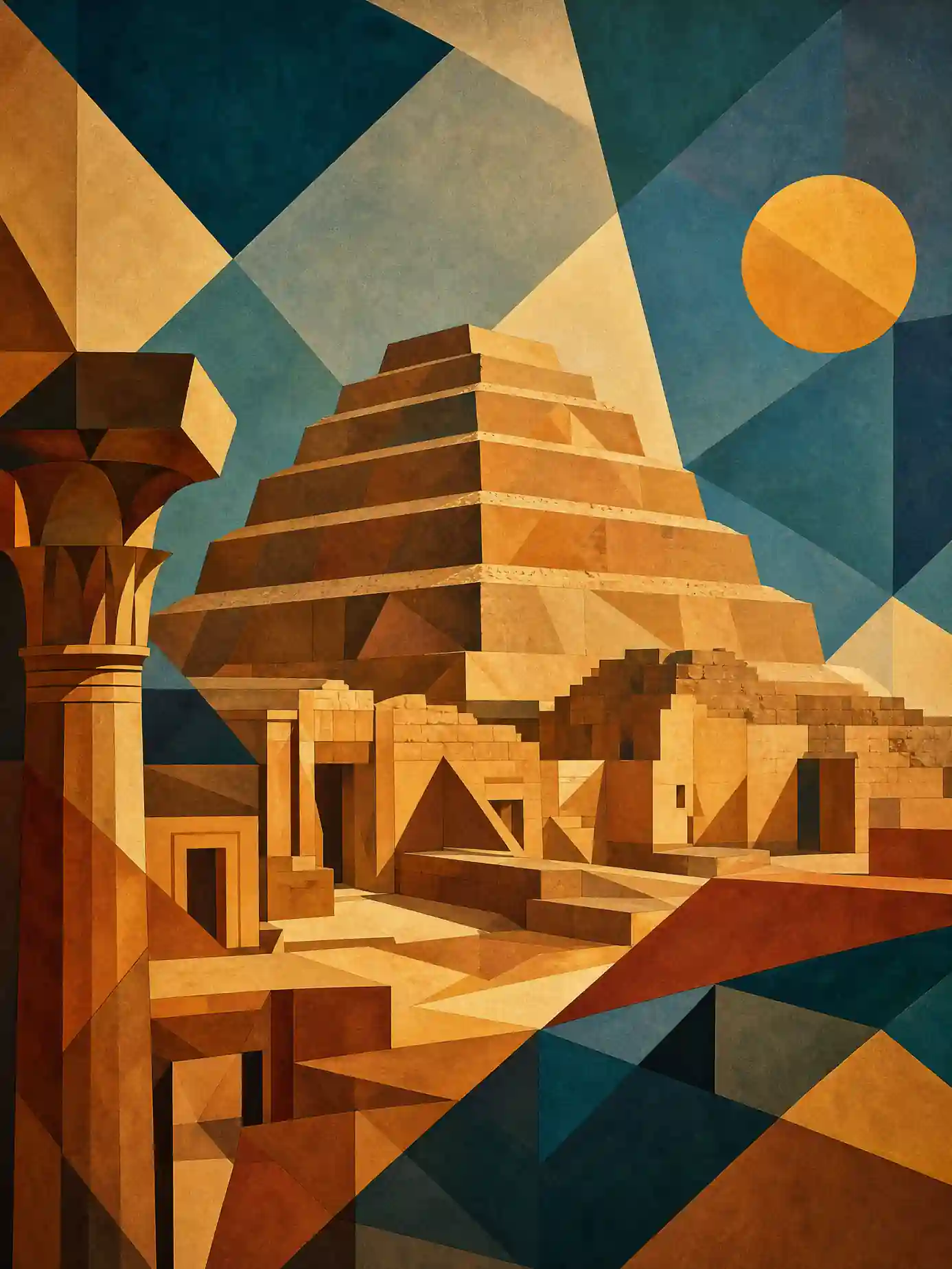
The Step Pyramid of Djoser at Saqqara, built around 2650 BC, stands as the world's oldest monumental stone structure and the prototype for every pyramid that followed.
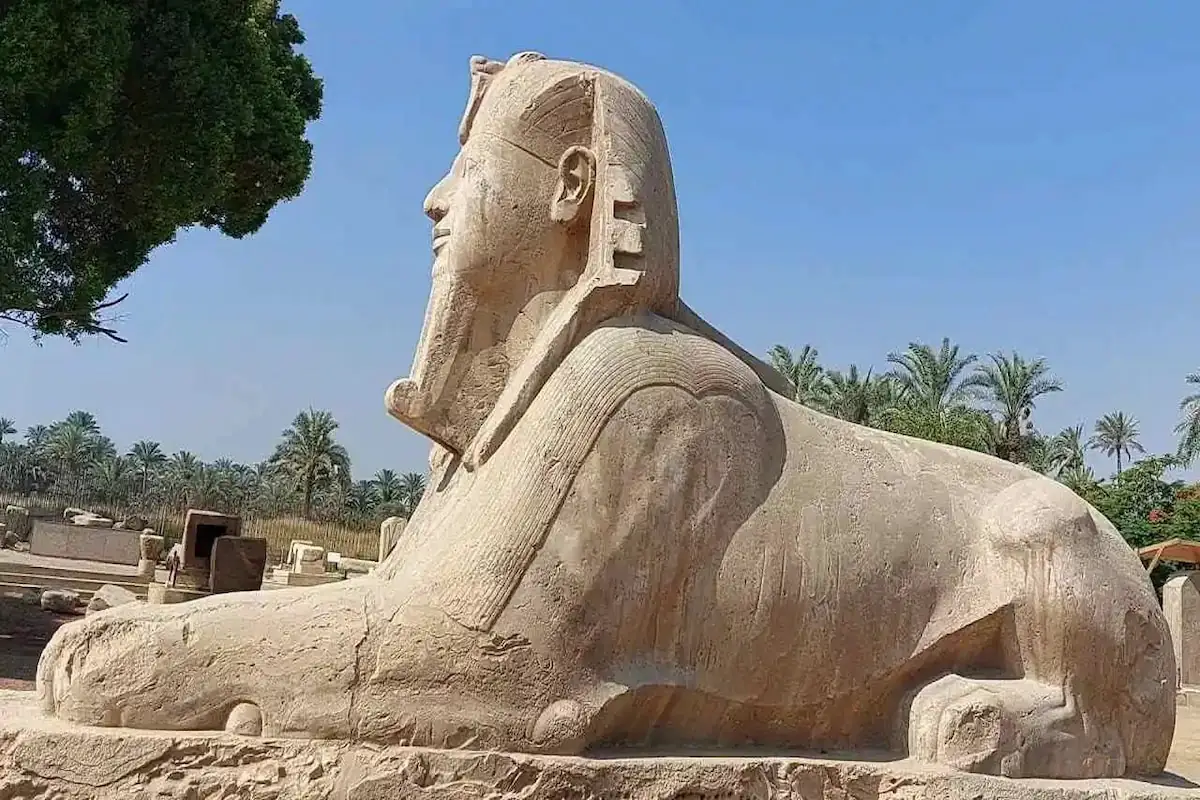
Memphis, Egypt's ancient first capital founded around 3100 BC, endures at Mit Rahina through a colossal recumbent Ramesses II statue and an alabaster sphinx.
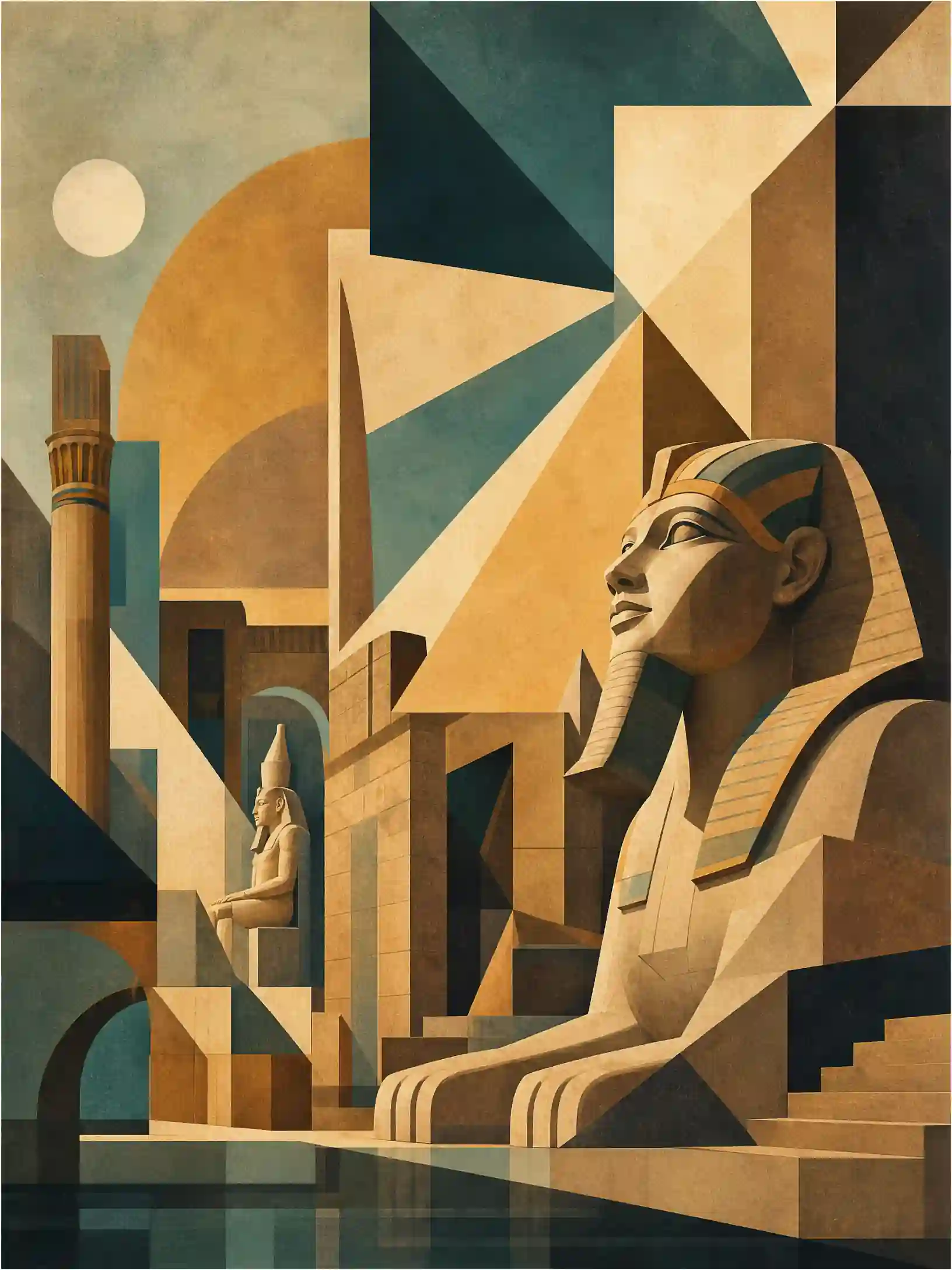
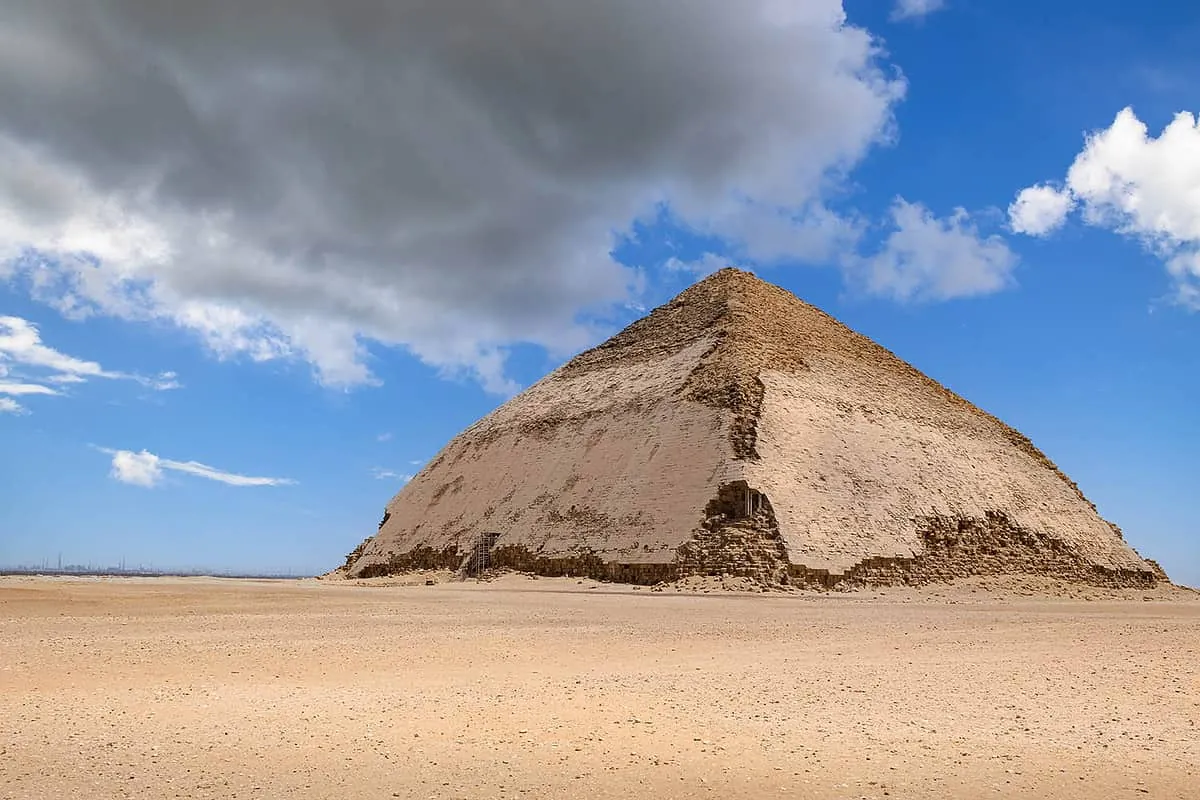
The Dahshur Pyramids reveal pyramid-building's experimental dawn: the dramatically angled Bent Pyramid and the Red Pyramid, Egypt's first true smooth-sided predecessor to the Great Pyramid.
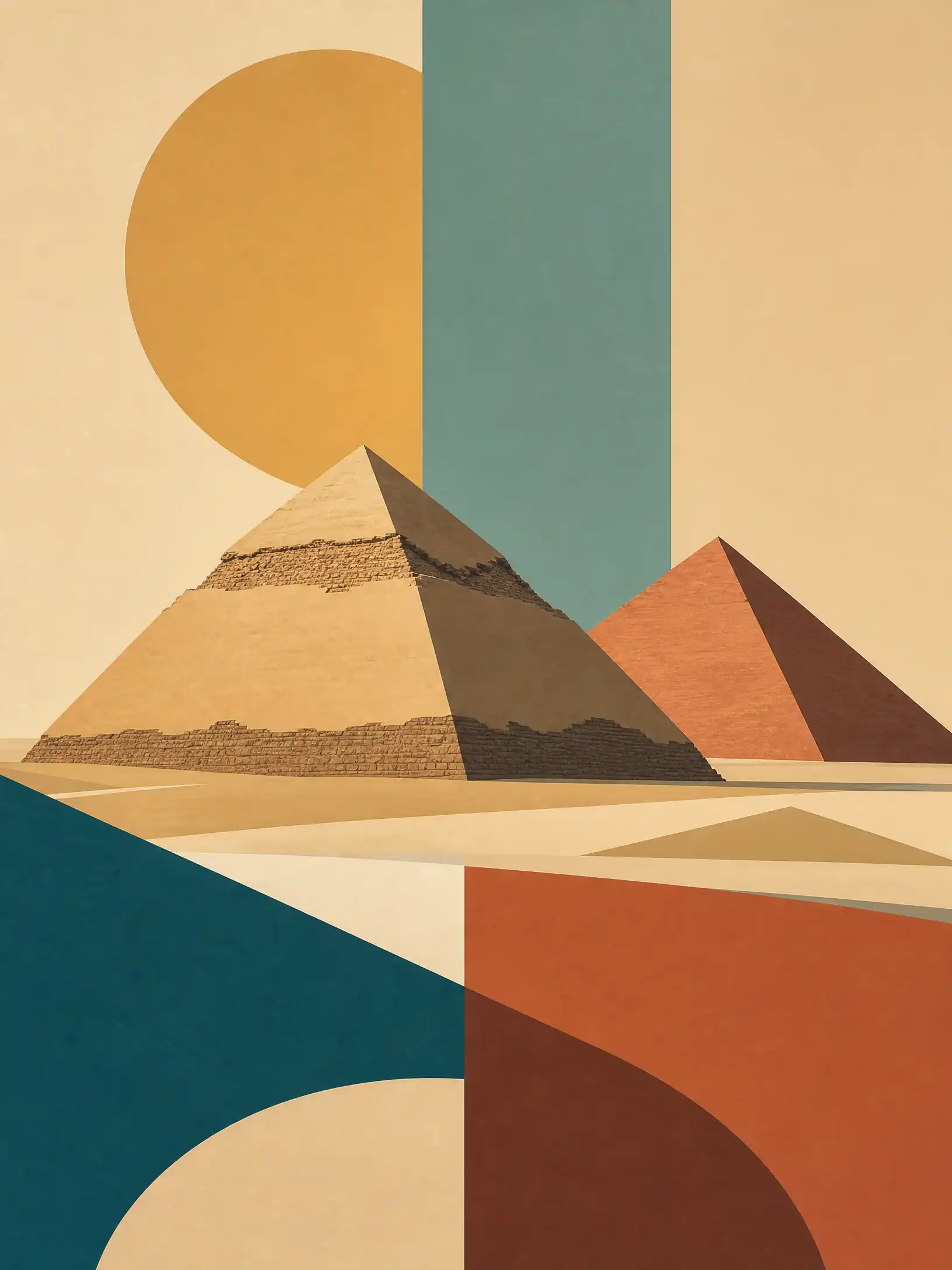
The Cairo Citadel, a medieval fortress built by Saladin in 1176, served as the seat of Egyptian government for nearly 700 consecutive years above the city.
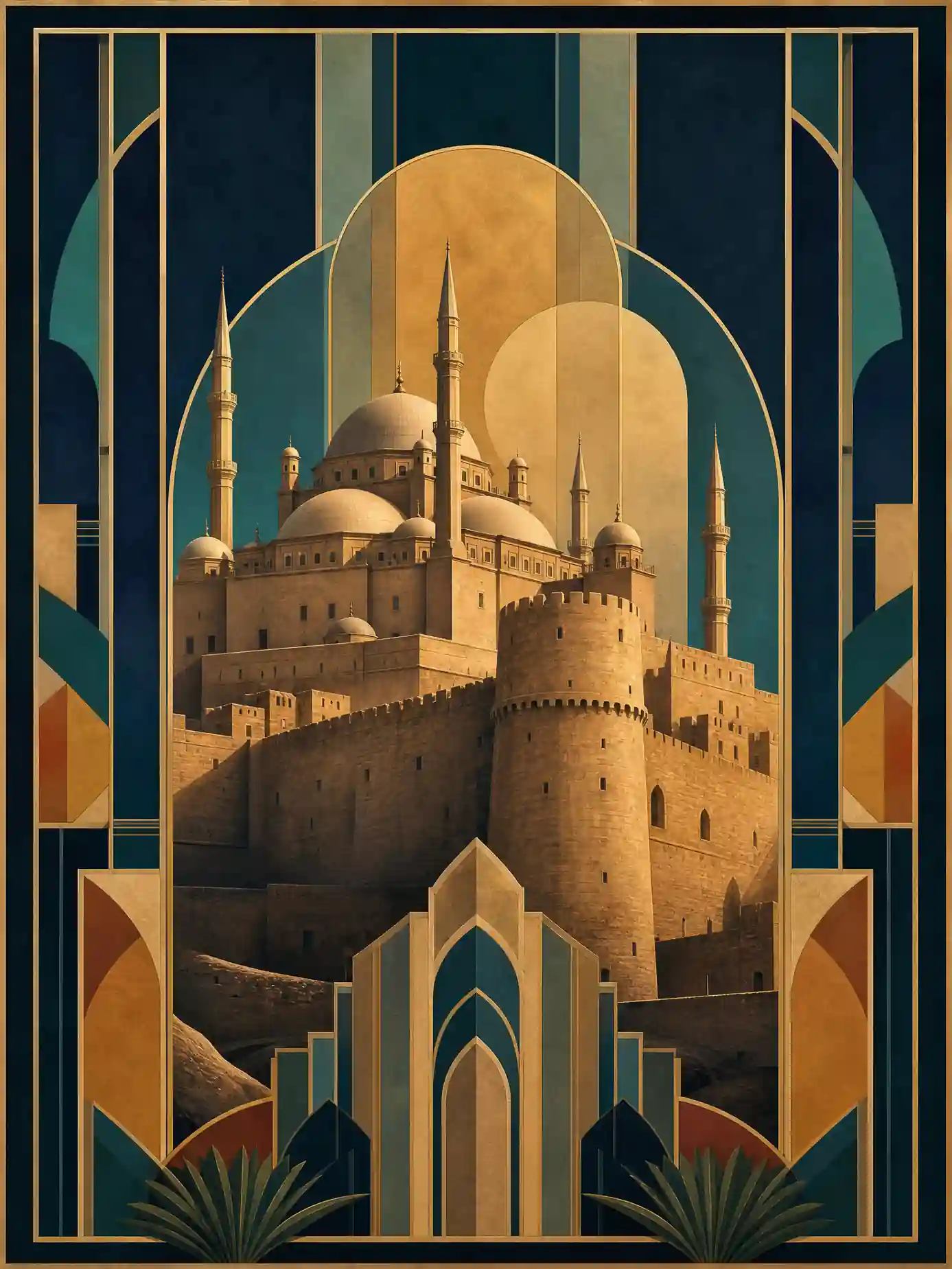
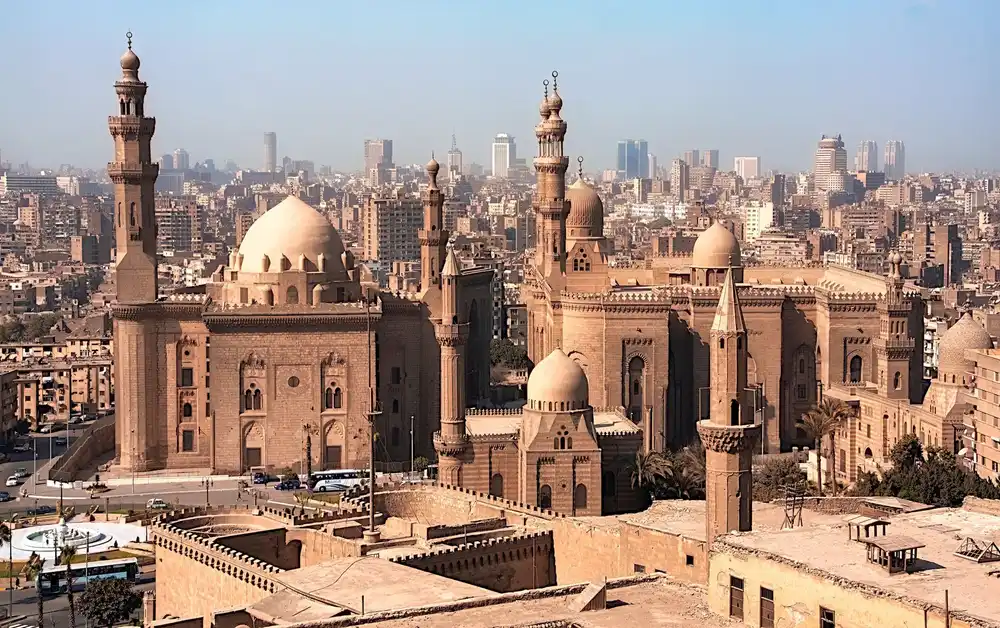
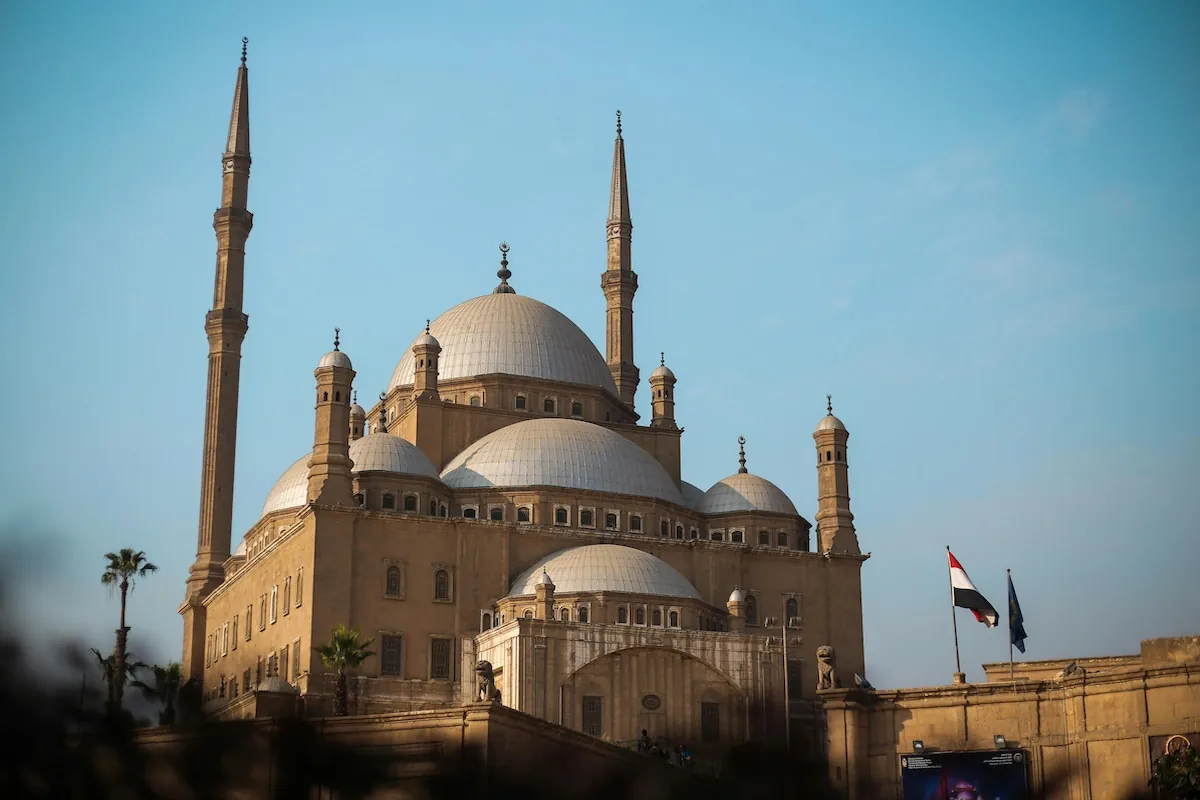
The Mohamed Ali Mosque, known as the Alabaster Mosque, crowns the Citadel with Ottoman domes and pencil minarets built between 1830 and 1848 in luminous stone.
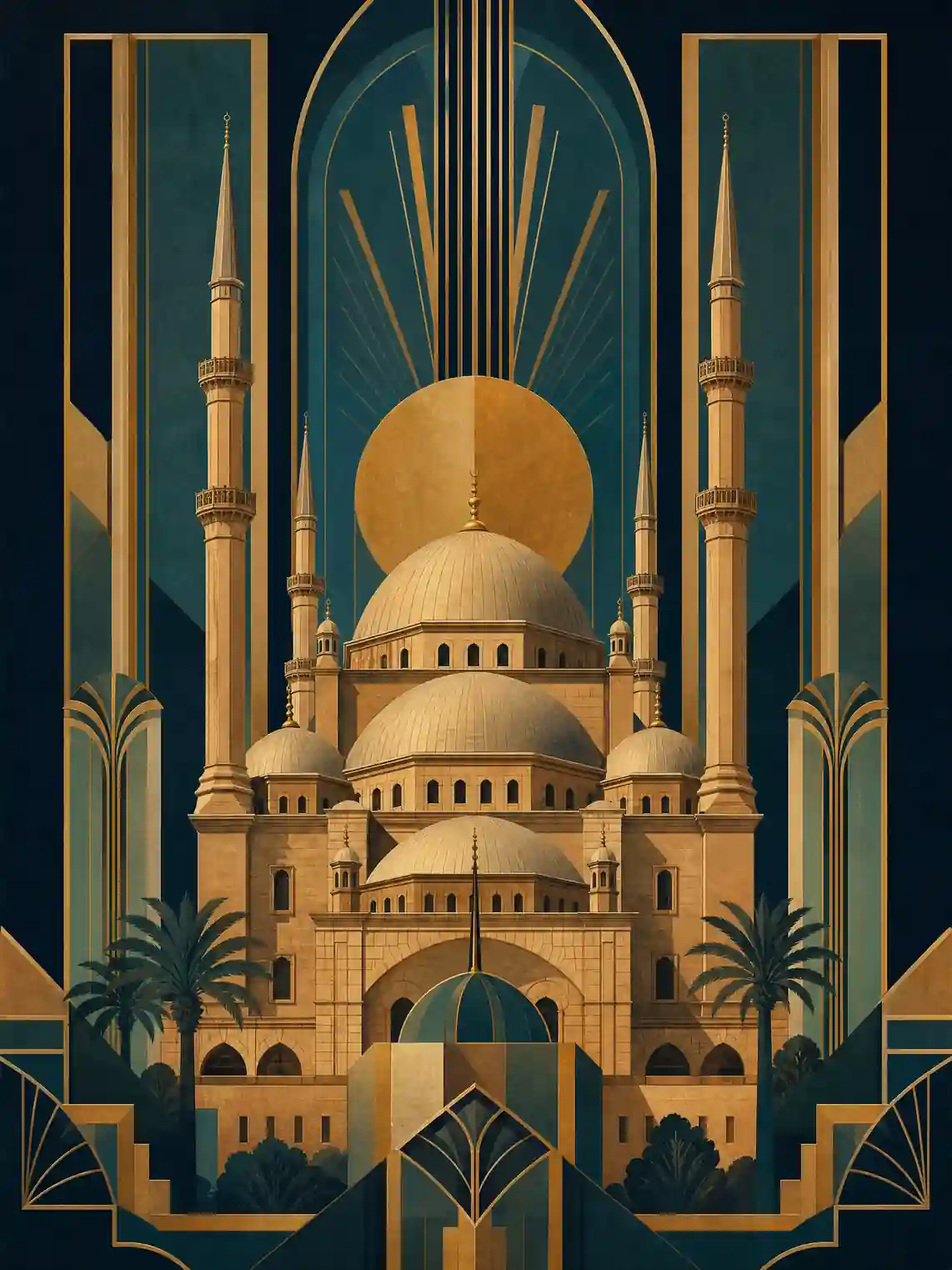
Sultan Hassan Mosque, completed in 1363, is Mamluk architecture's supreme achievement, its 38-meter entrance portal among the tallest and most theatrical in all Islamic design.
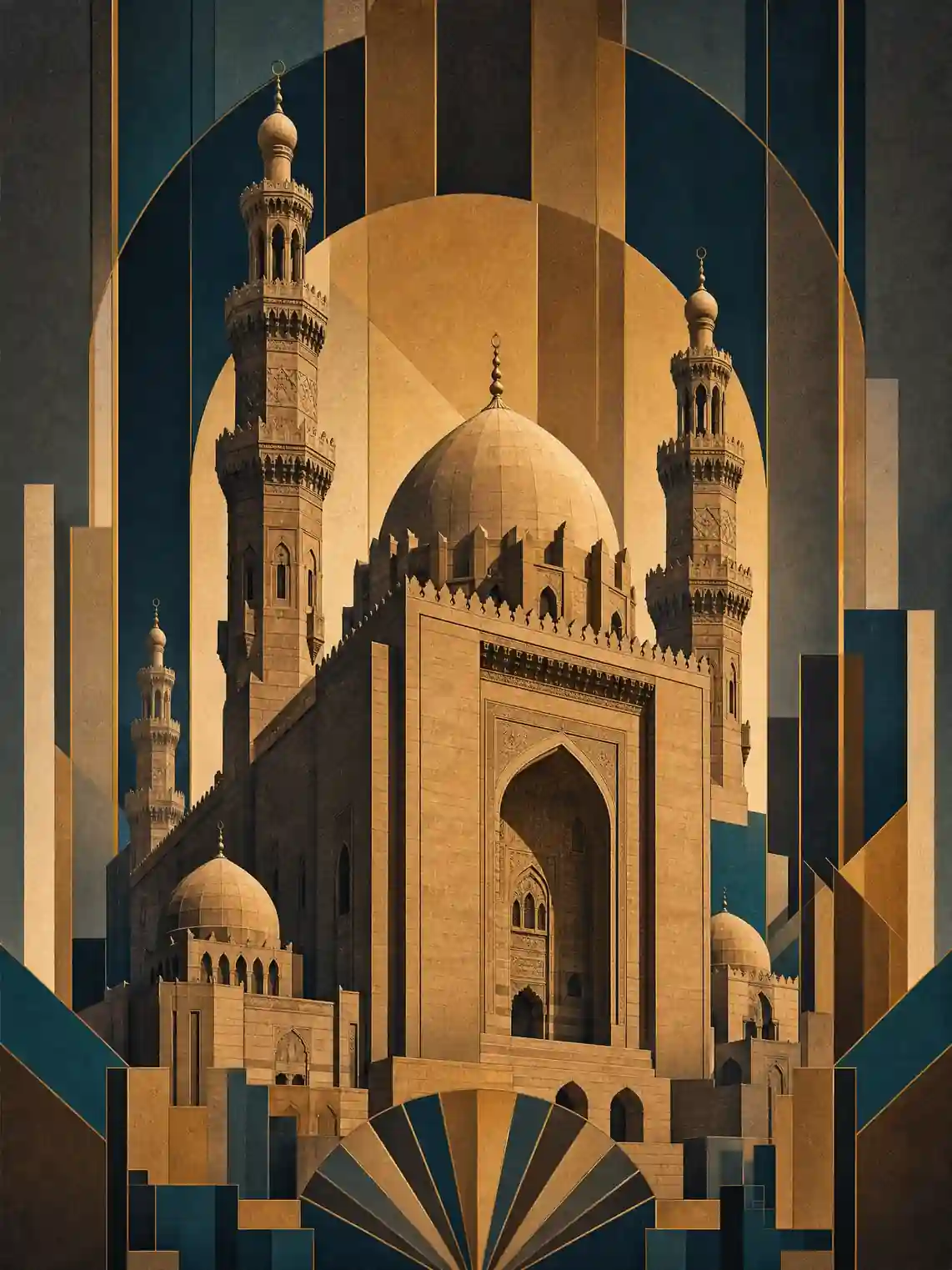
Al-Rifai Mosque, completed in 1912, serves as Egypt's royal mausoleum, holding King Farouk's tomb beneath a vast dome of imperial marble and ornate decoration.
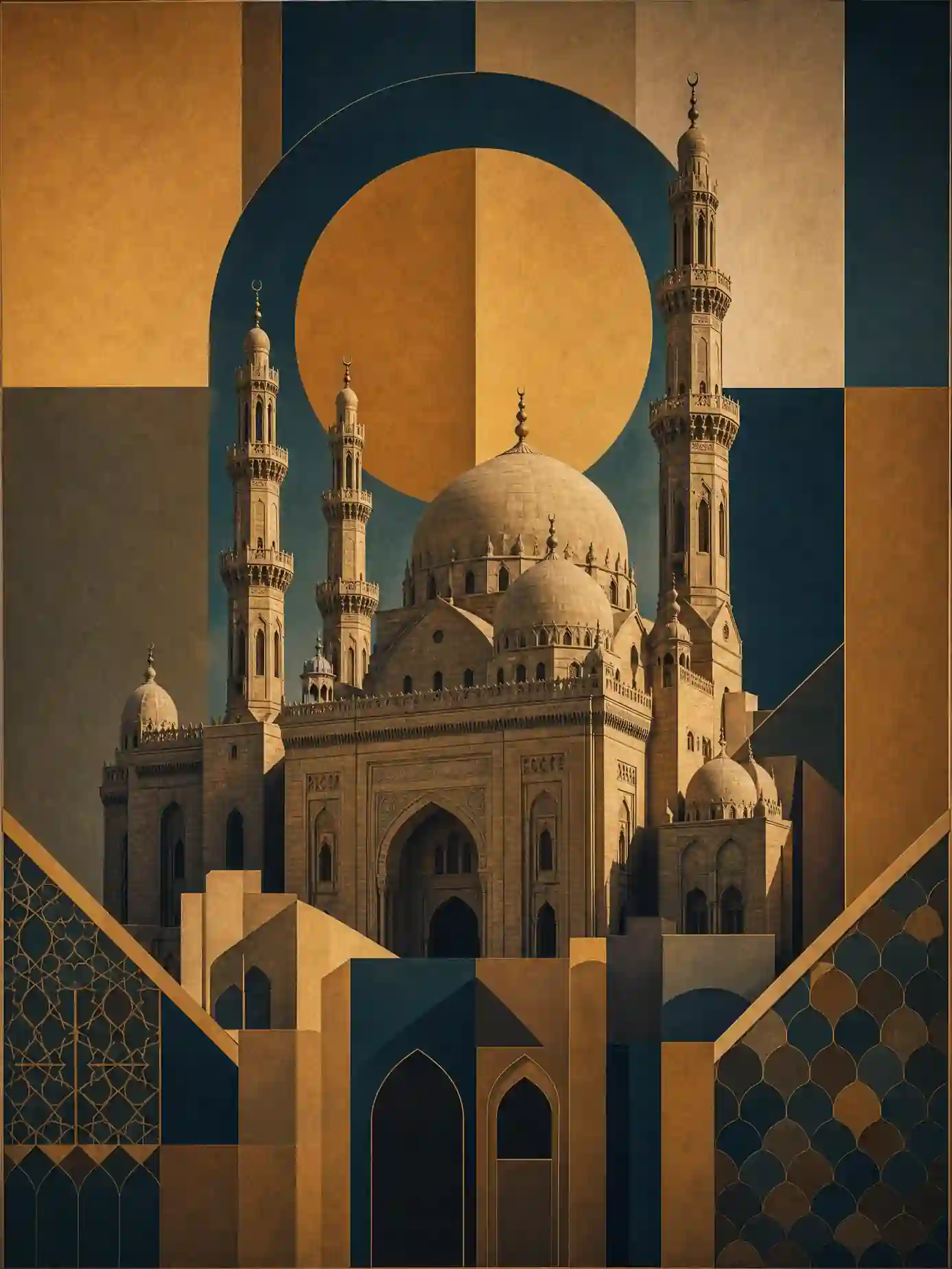
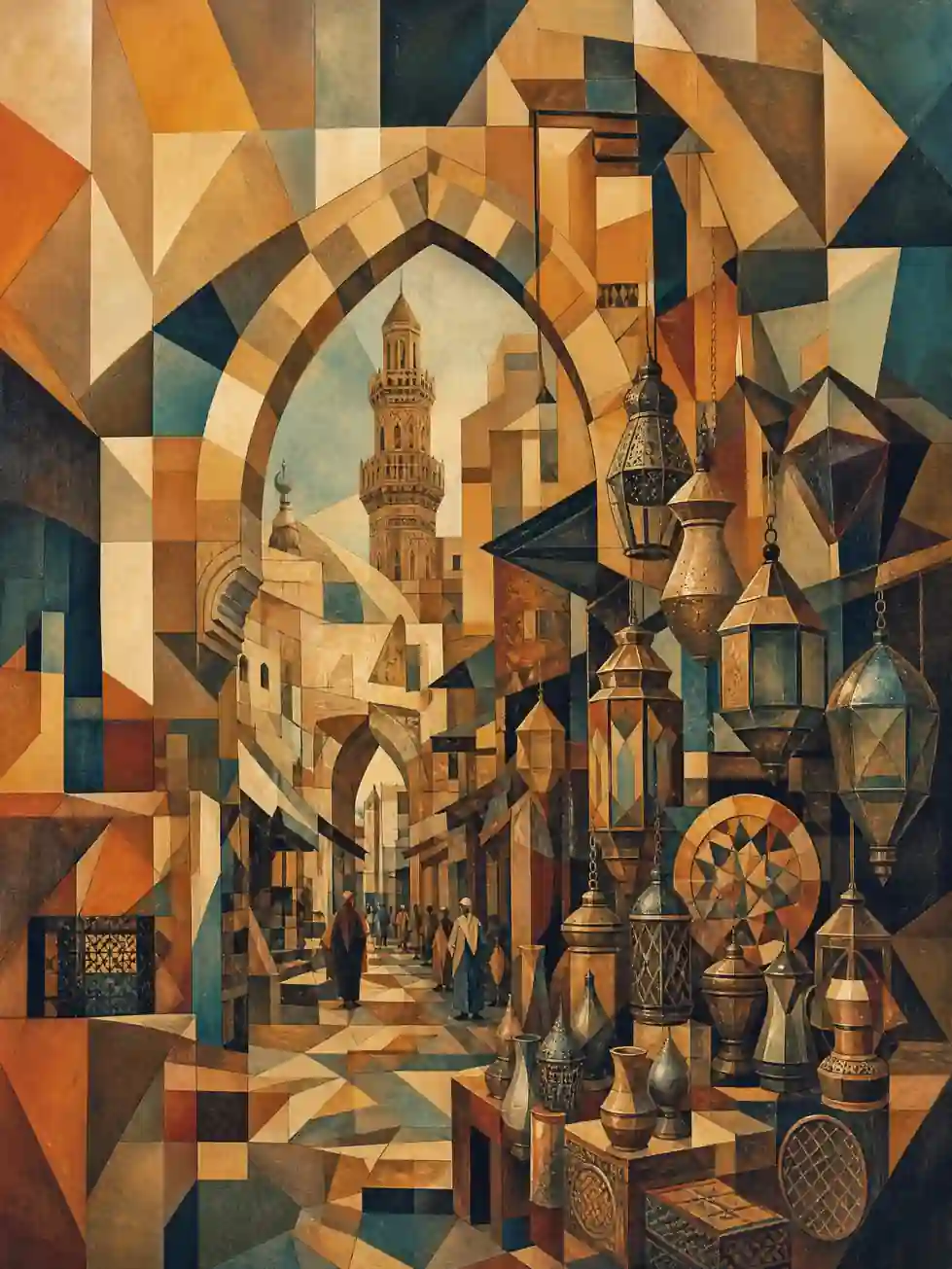
Khan el-Khalili has traded continuously since 1382, its labyrinthine lanes of goldsmiths, spice merchants, and perfumers forming one of the Arab world's most atmospheric marketplaces.
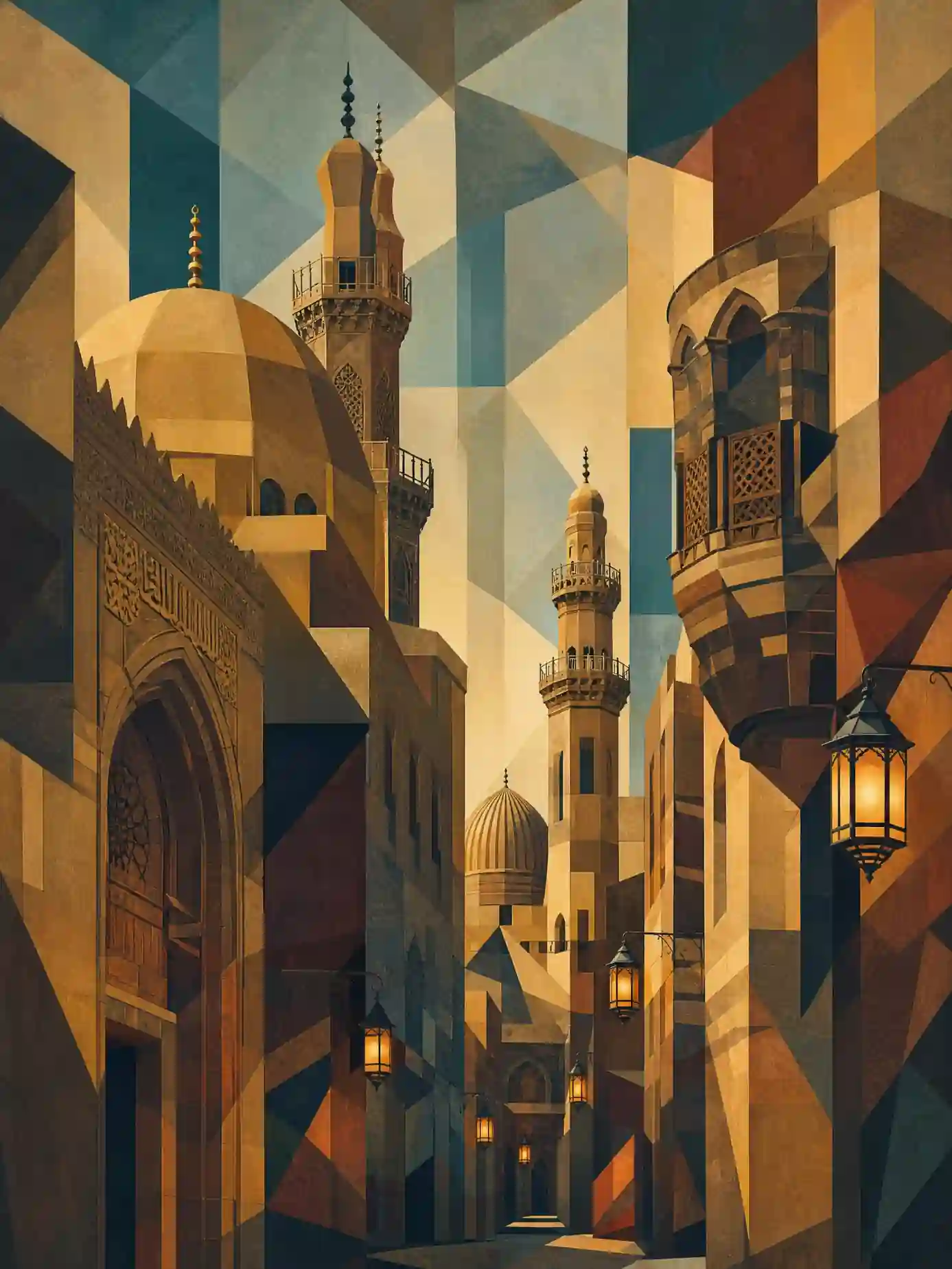
Al-Muizz Street, built in the 10th century as the Fatimid capital's ceremonial spine, holds the highest concentration of medieval Islamic monuments found anywhere in the world.
Al-Azhar Mosque, founded in 970 AD, remains Sunni Islam's spiritual heart and home to the oldest continuously operating university on Earth, layered across ten centuries.
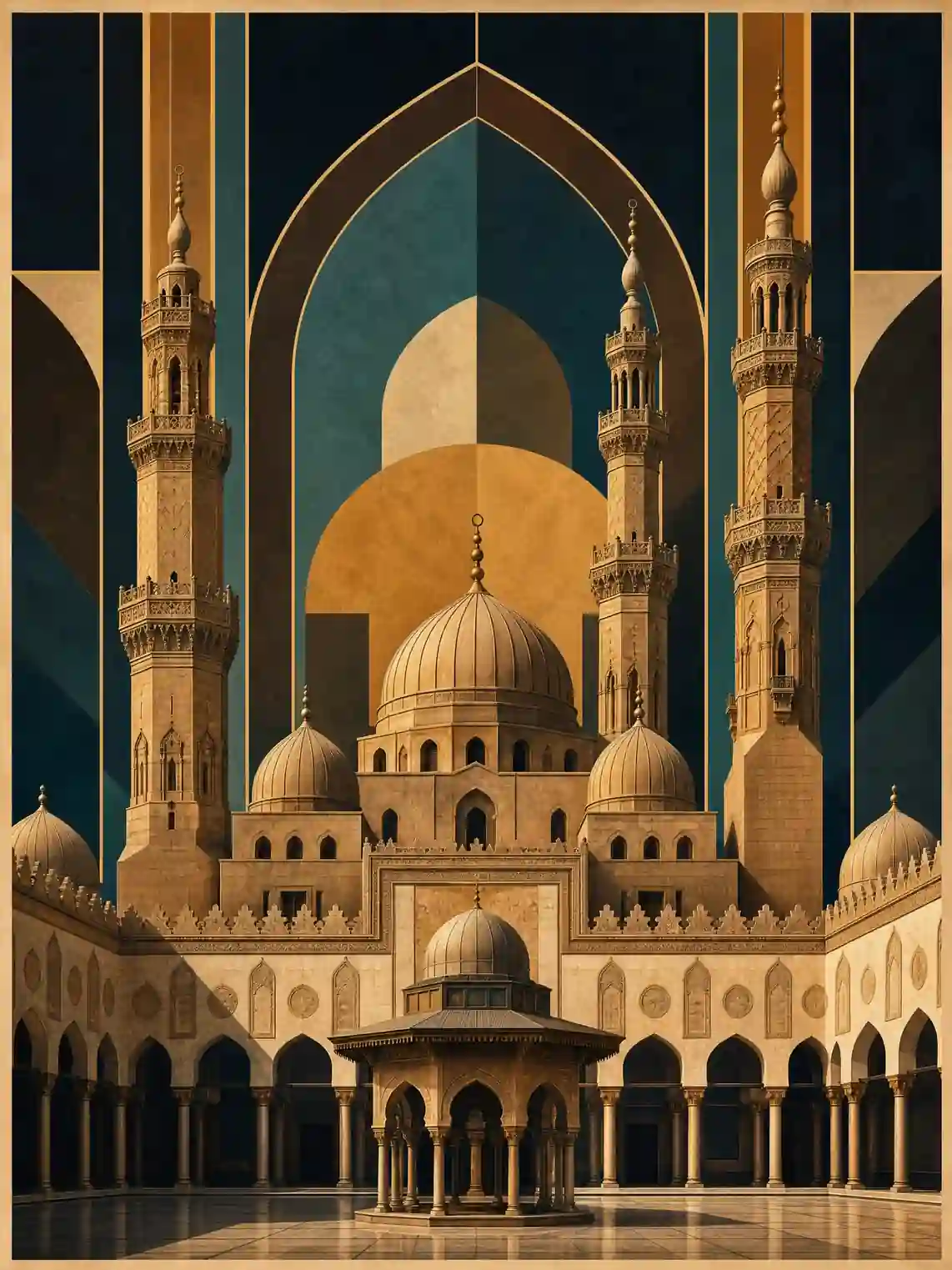
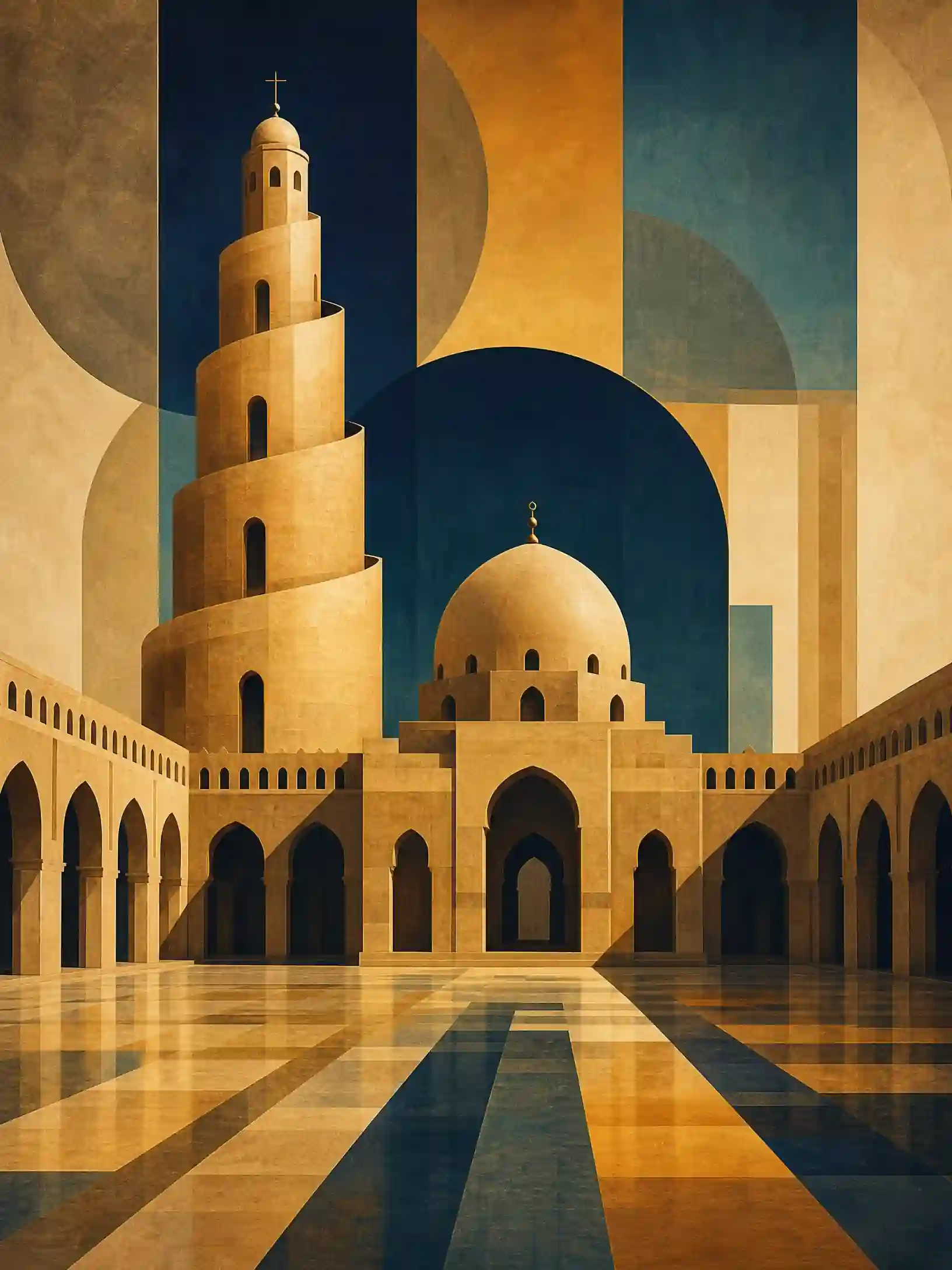
Ibn Tulun Mosque, built between 876 and 879 AD, is Cairo's oldest intact mosque, its spiraling minaret echoing Samarra across eleven centuries of quiet grandeur.
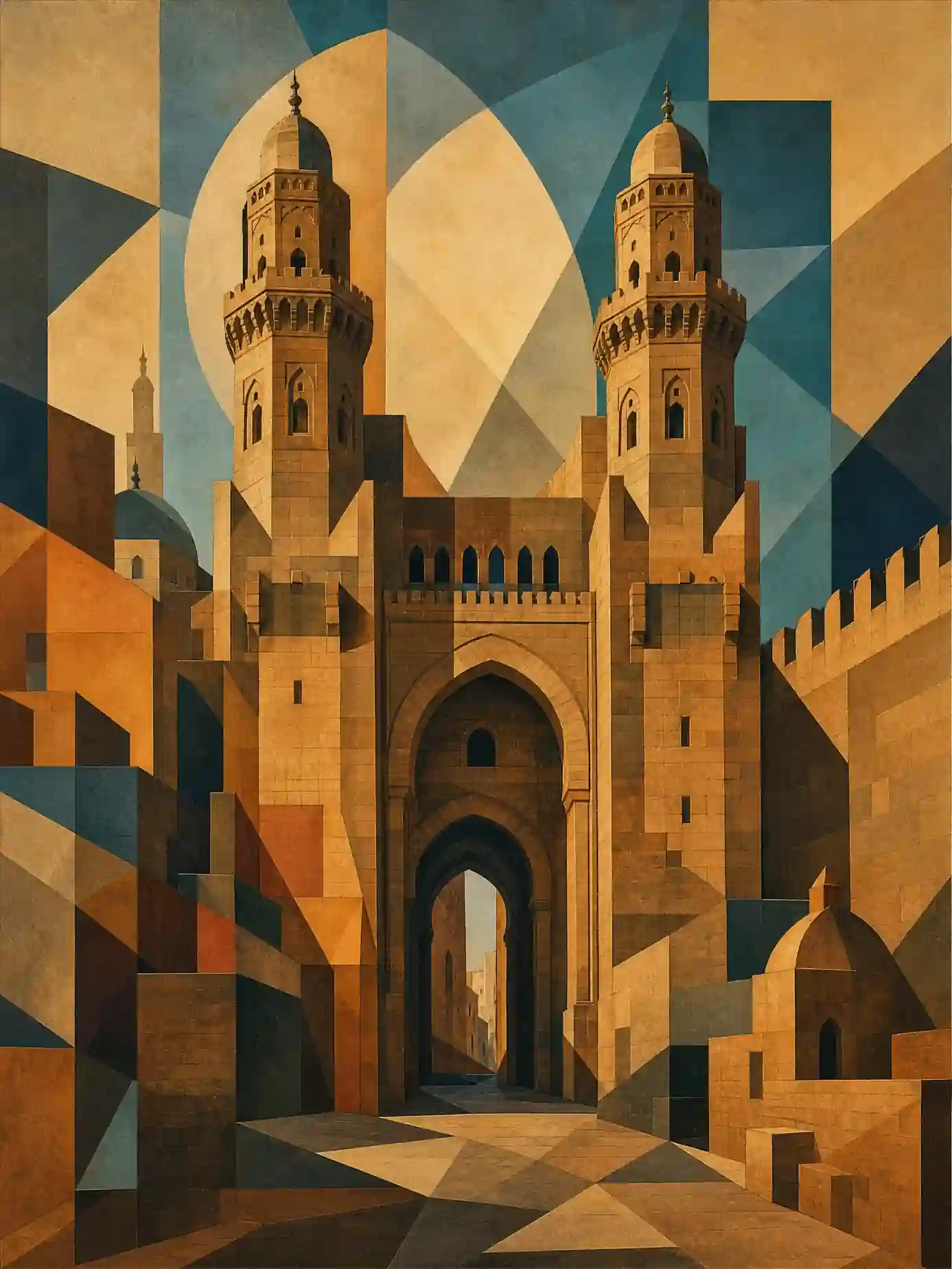
Bab Zuweila, a double-towered Fatimid gateway raised in 1092, survives as one of medieval Cairo's three great gates alongside the city's best-preserved ancient walls.
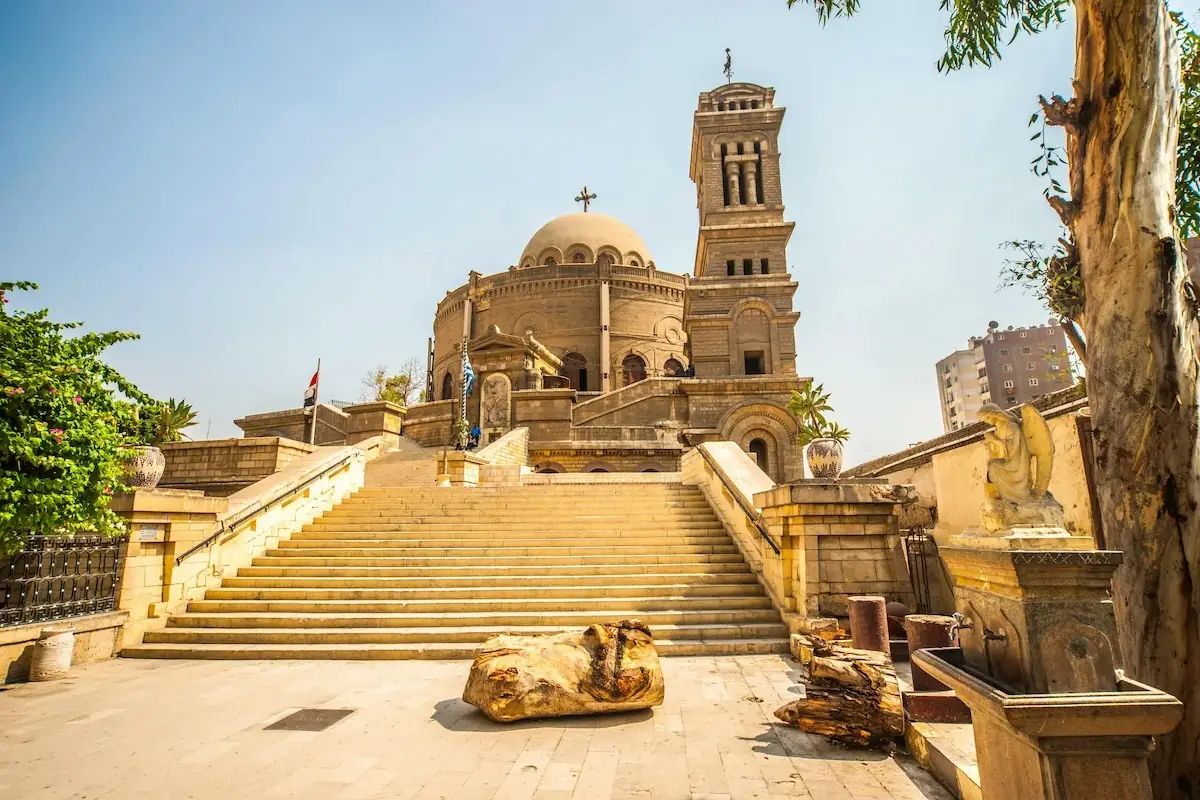
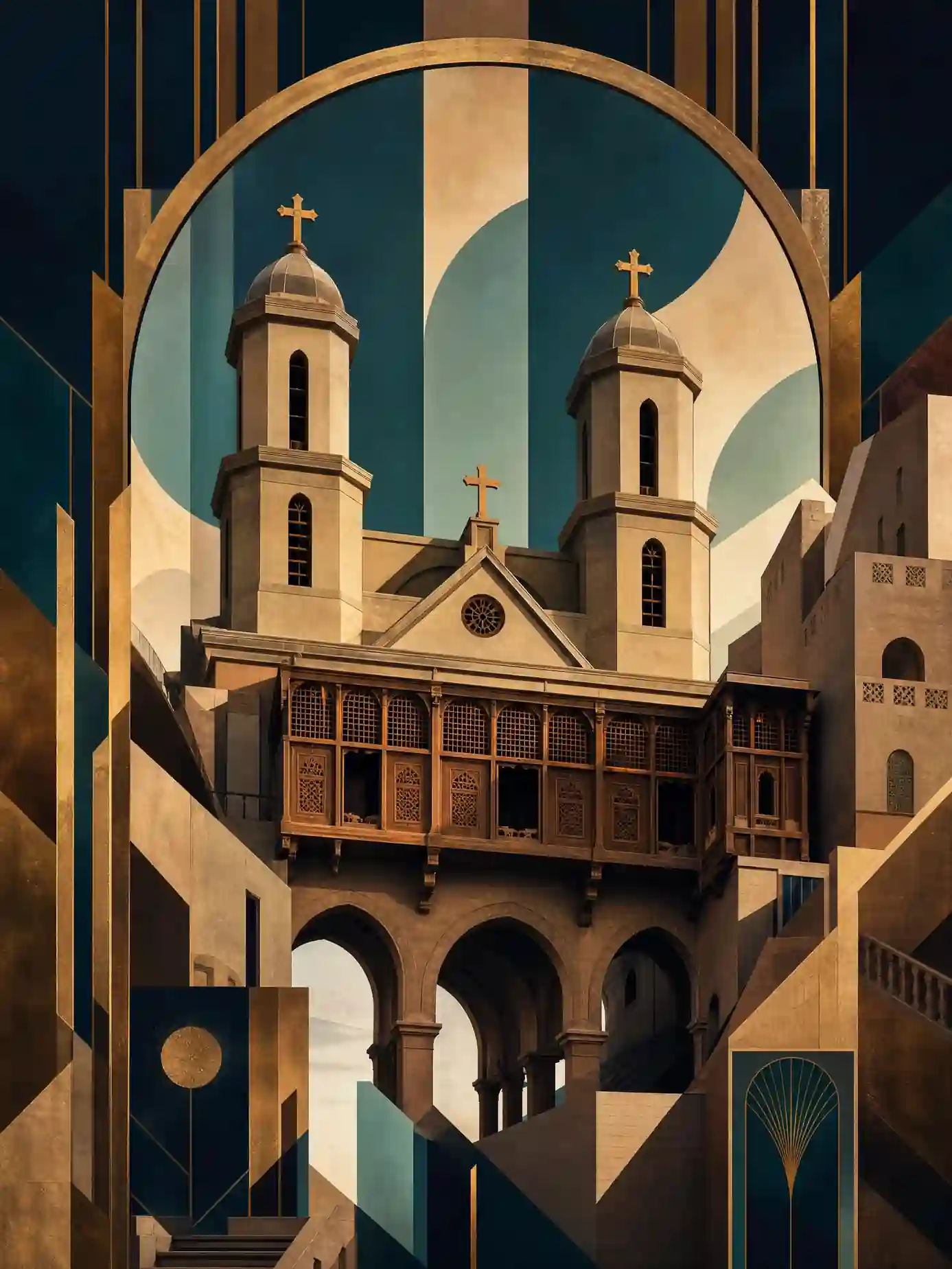
The Hanging Church, suspended above the Roman fortress of Babylon since the 7th century, ranks among the world's oldest Christian sanctuaries with its ivory-inlaid altar screen.
The Coptic Museum holds the world's finest collection of Coptic Christian art, over 16,000 objects tracing Egypt's transformation from pharaonic legacy to Christian civilization.
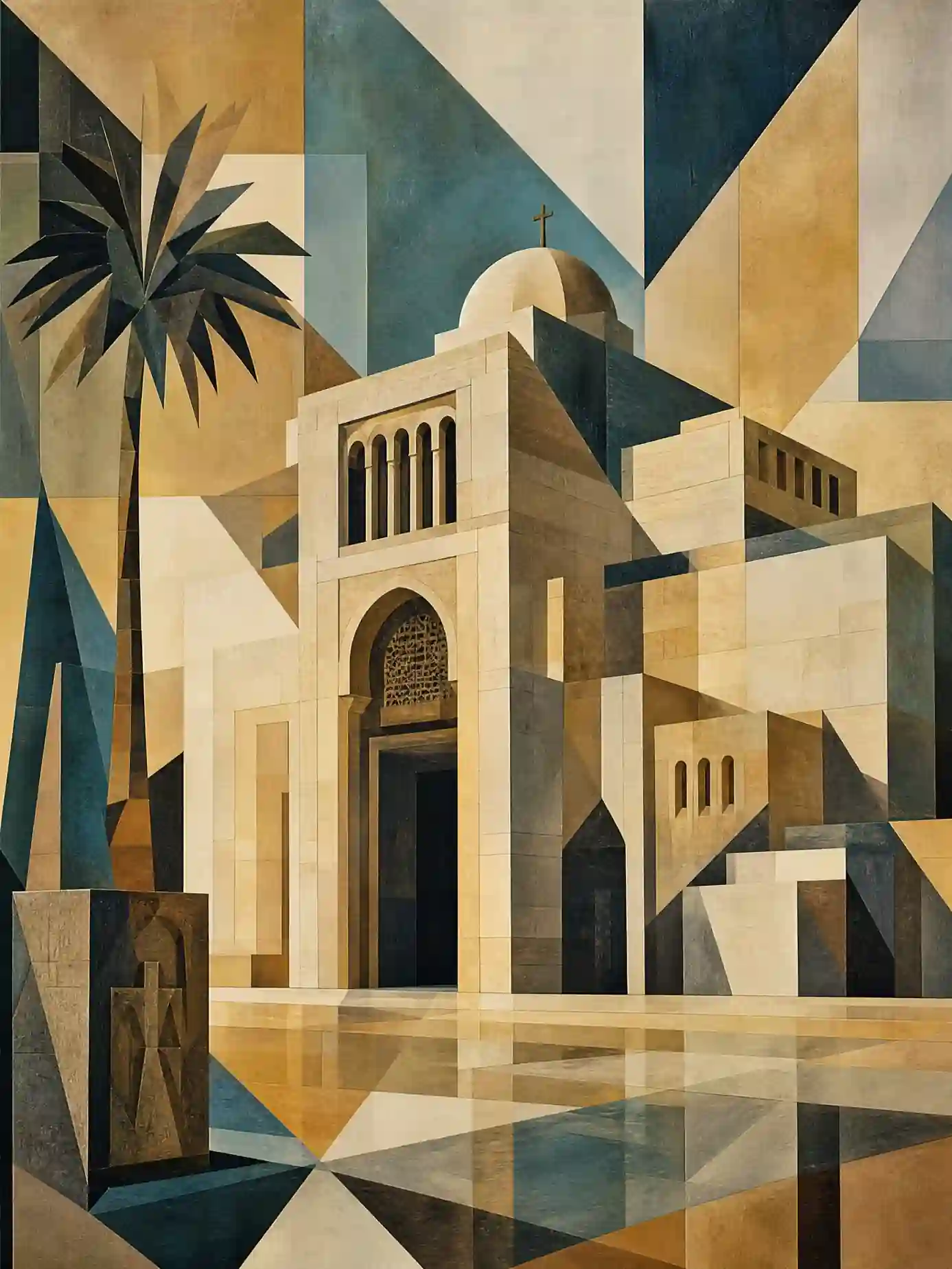
Ben Ezra Synagogue, among Egypt's oldest Jewish sites, gained scholarly fame in 1896 when 300,000 medieval manuscripts were discovered hidden within its historic attic.
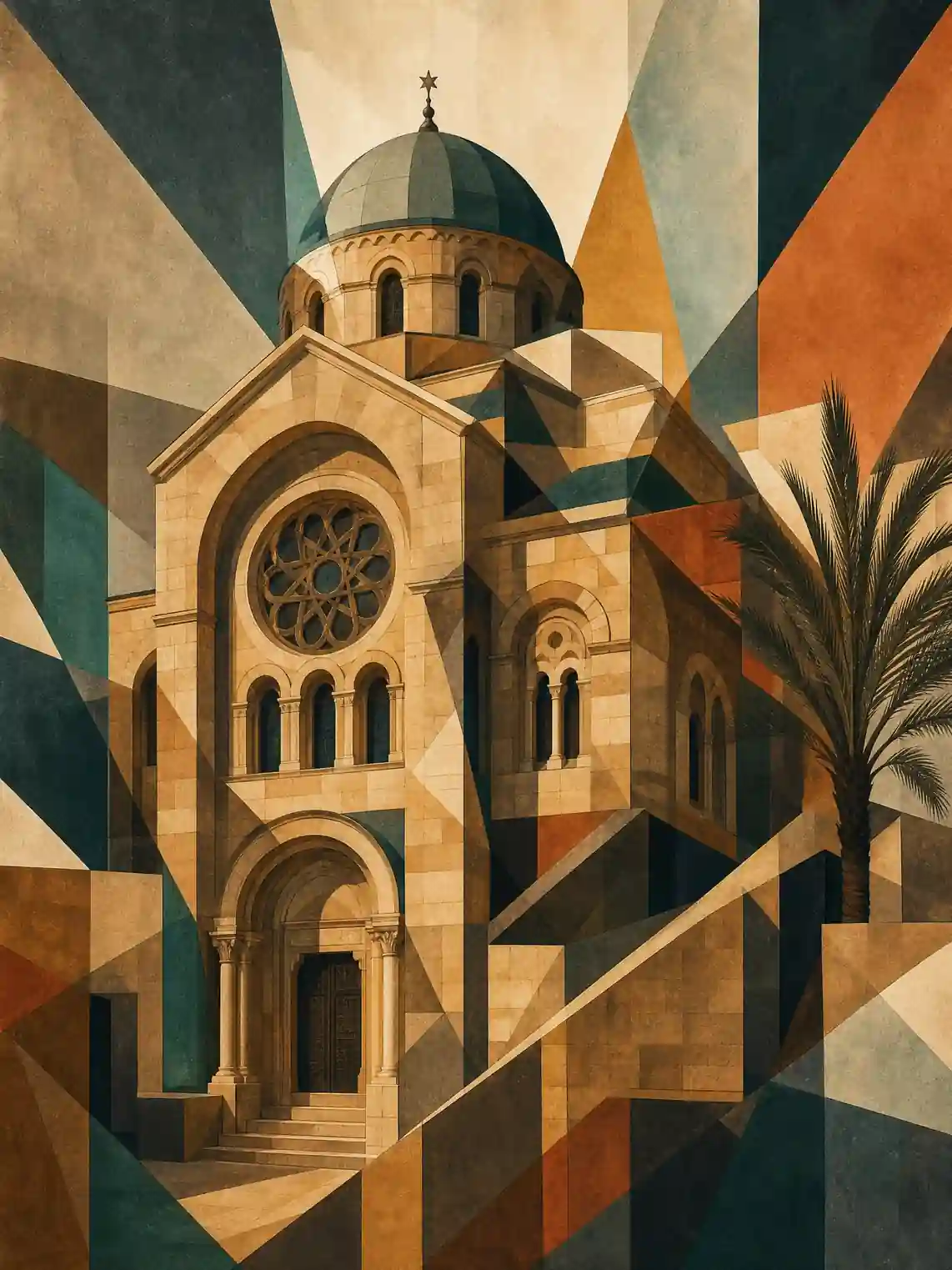
Abu Serga Church, built in the 4th or 5th century AD, marks the traditional resting place of the Holy Family and ranks among Coptic Christianity's most sacred sites.
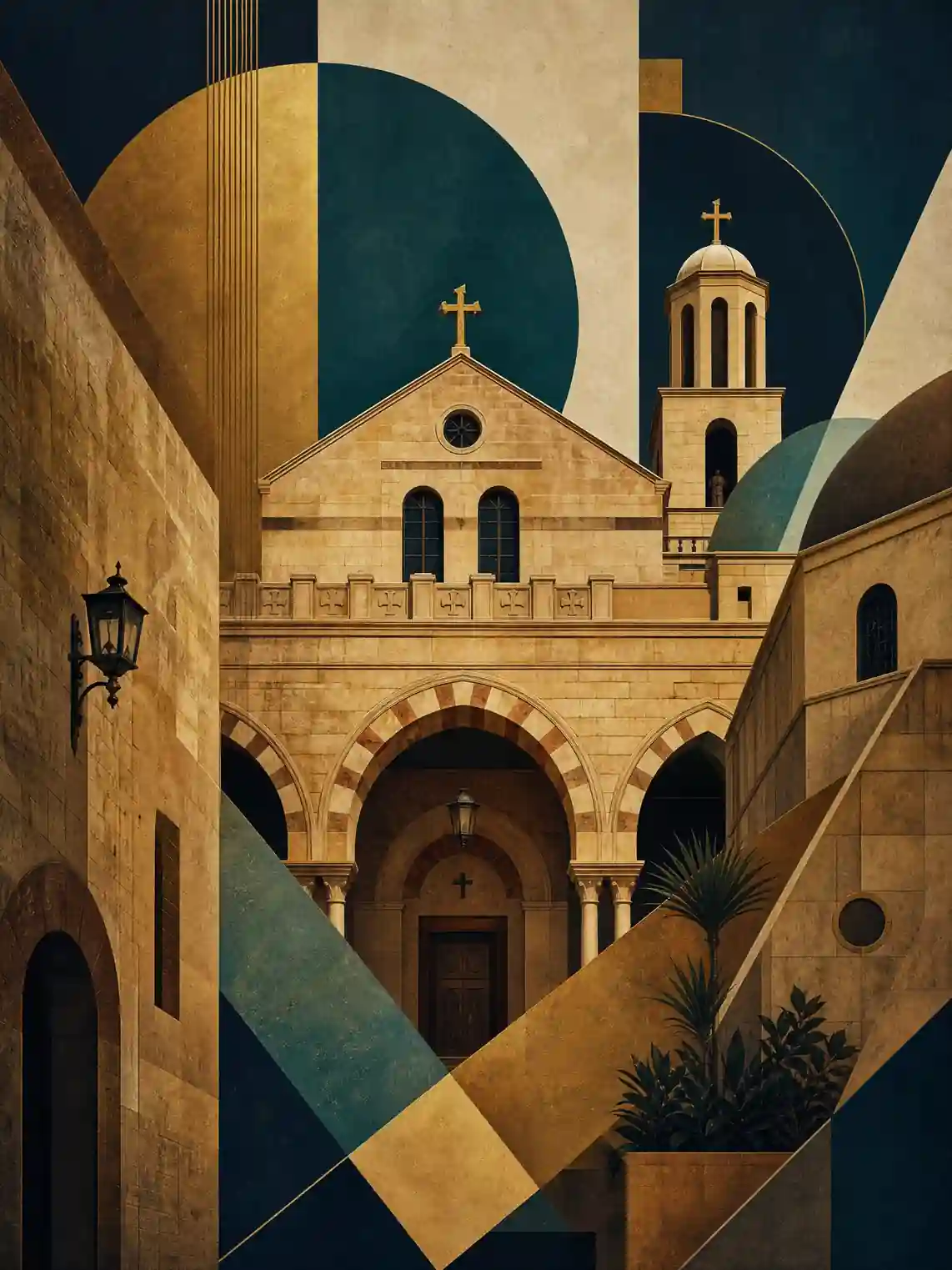
The Church of St. Barbara, raised in the late 7th century, preserves one of Cairo's finest triple-apsed sanctuaries alongside a rare collection of ancient Coptic icons.
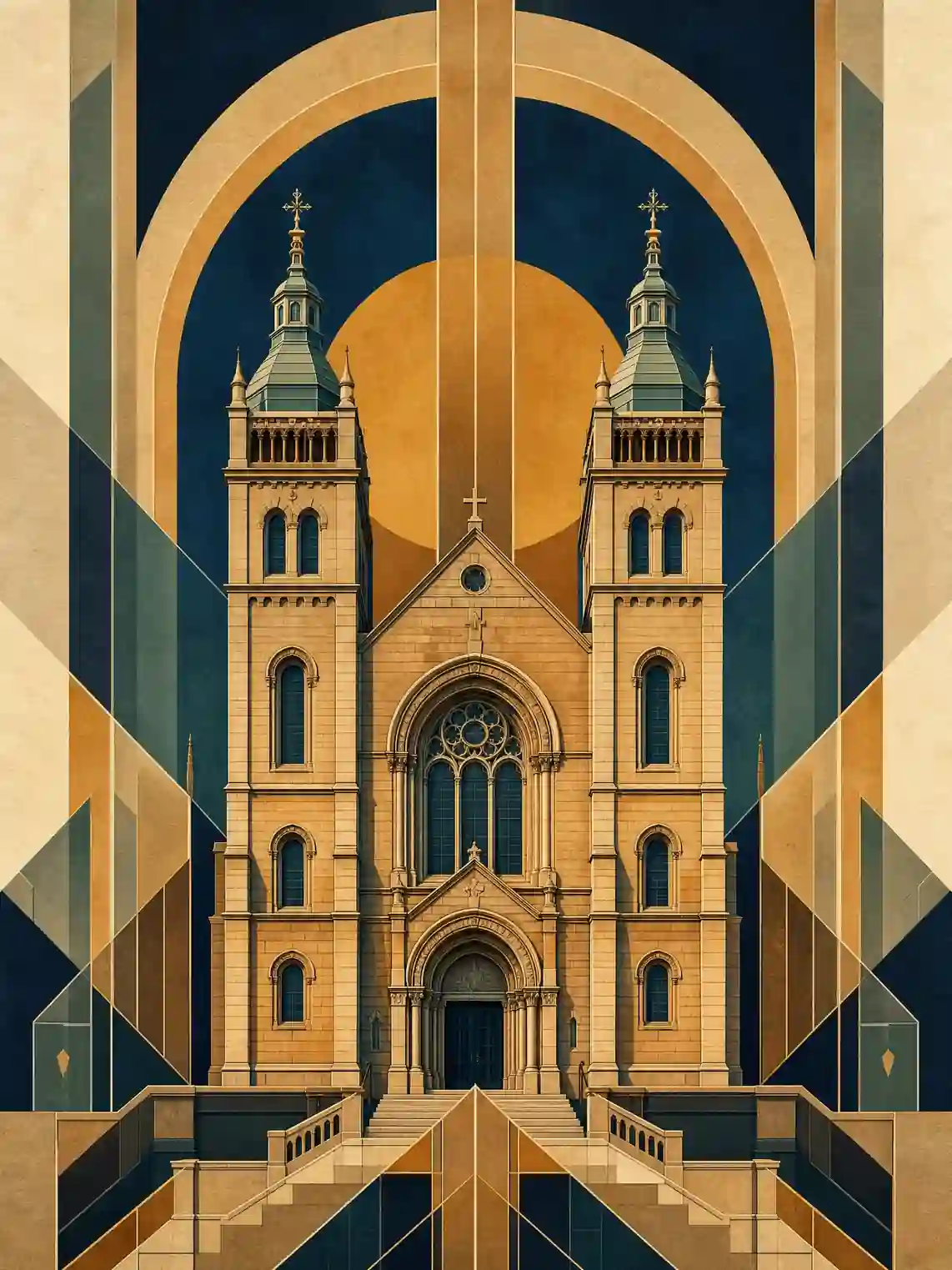
Al-Azhar Park, a 30-hectare garden opened in 2005 atop five centuries of buried refuse, crowns a hilltop offering historic Cairo's most sweeping panoramic skyline.
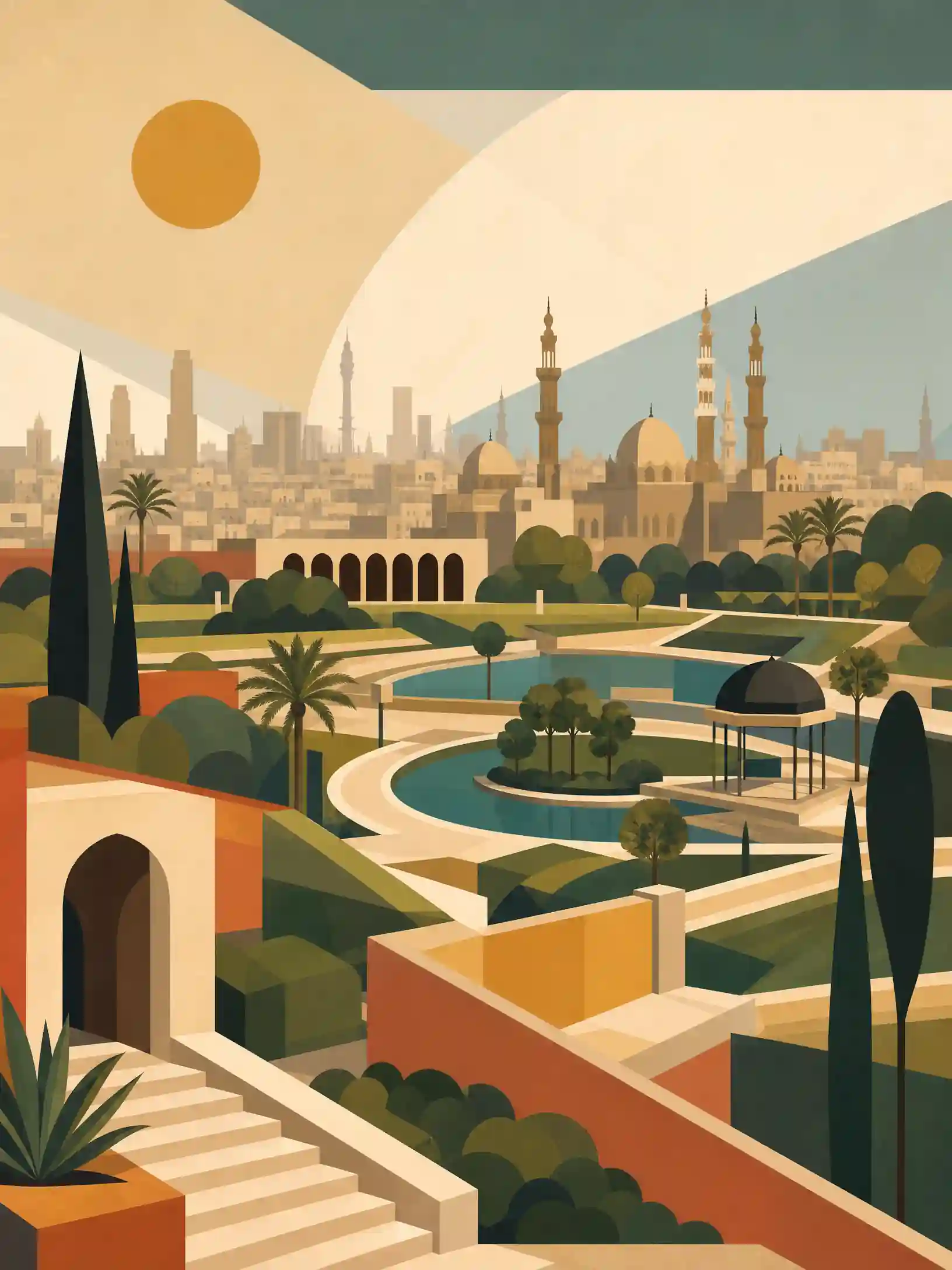
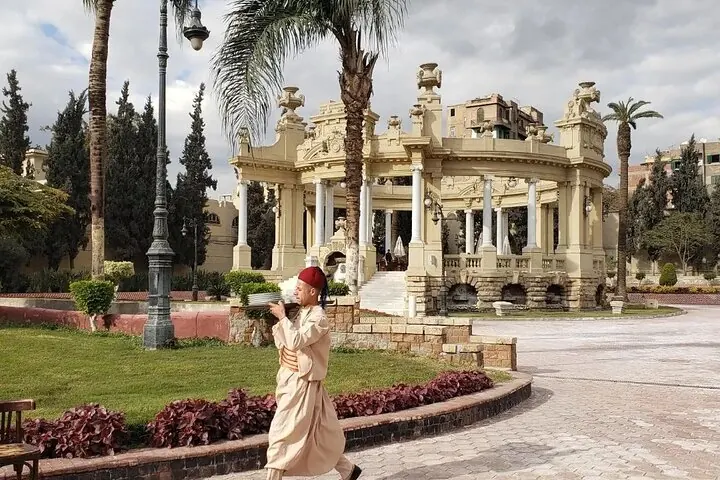
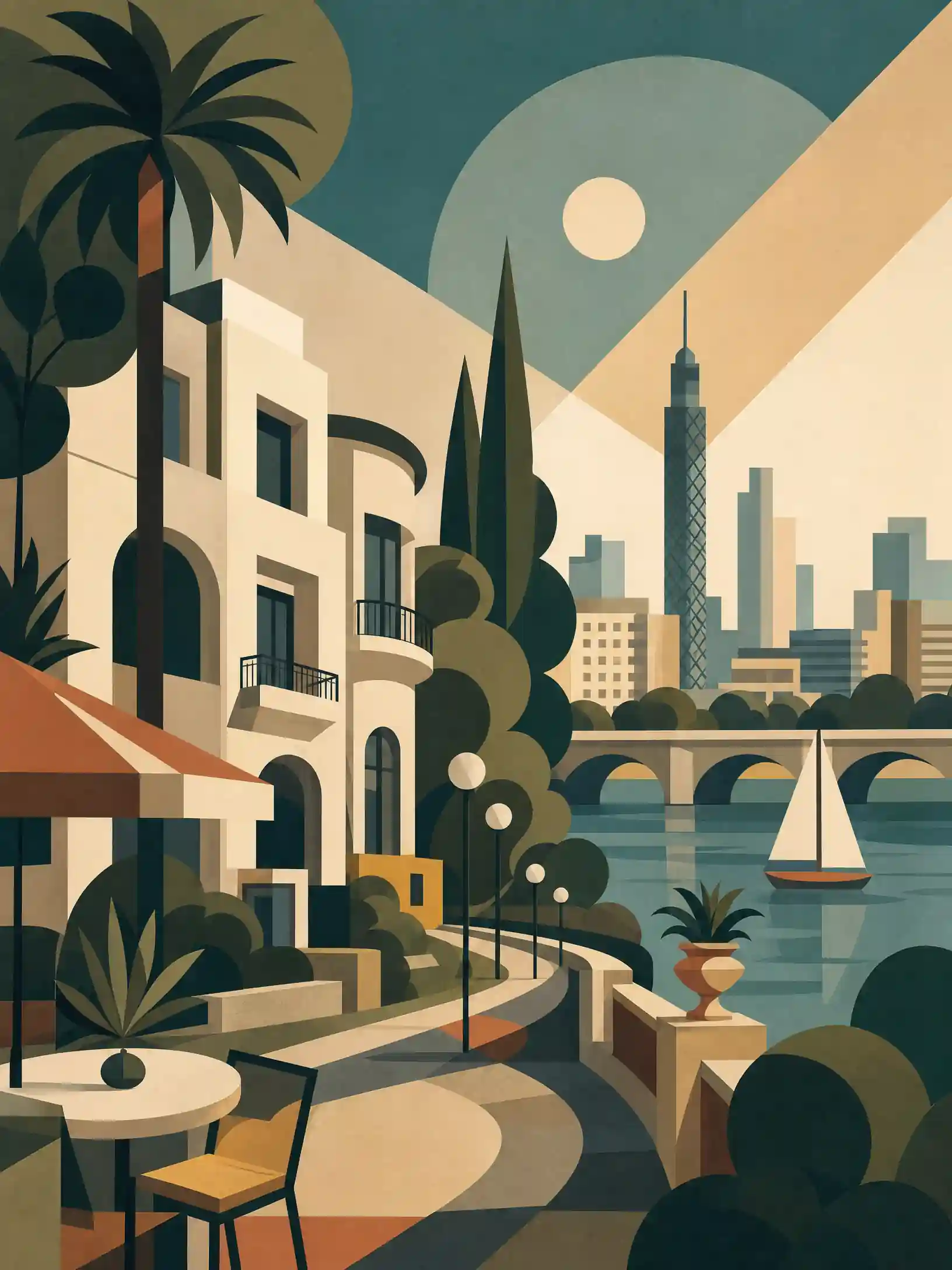
Zamalek, a leafy Nile island lined with villas and embassies, has embodied Cairo's cosmopolitan refinement for over a century through its galleries, cafes, and tree-shaded streets.
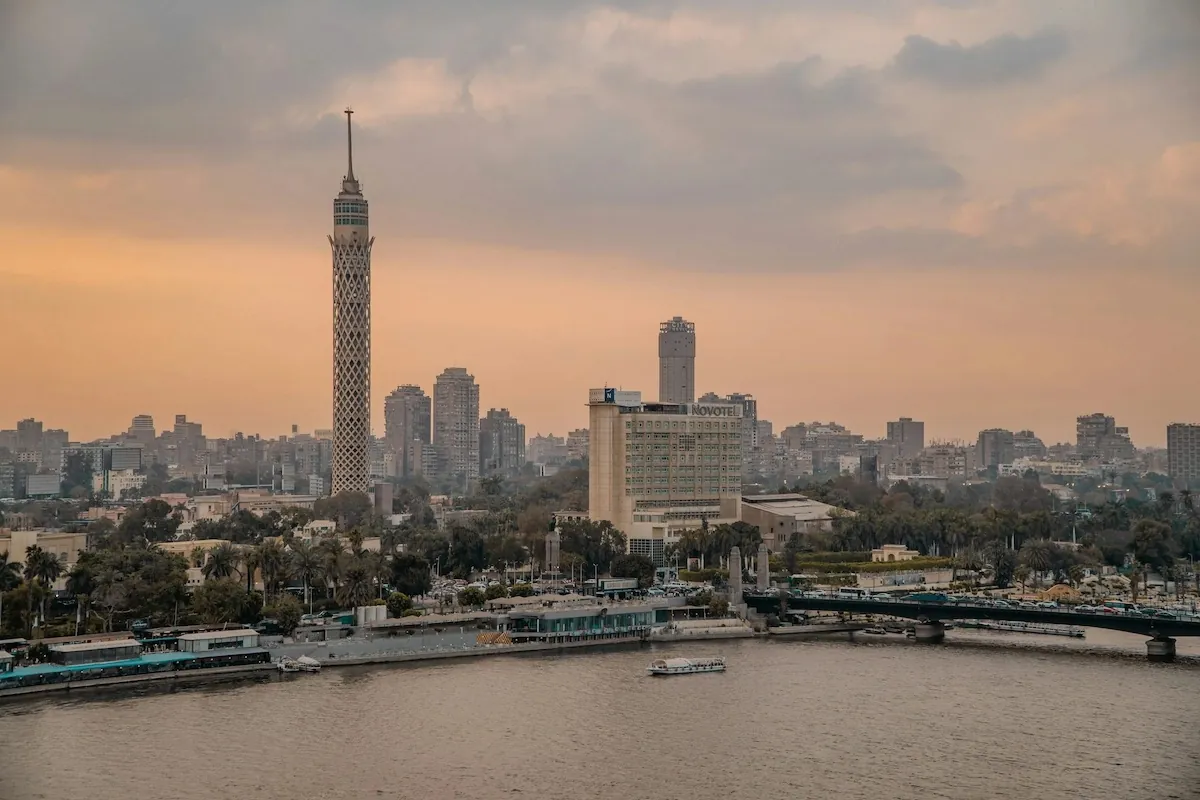
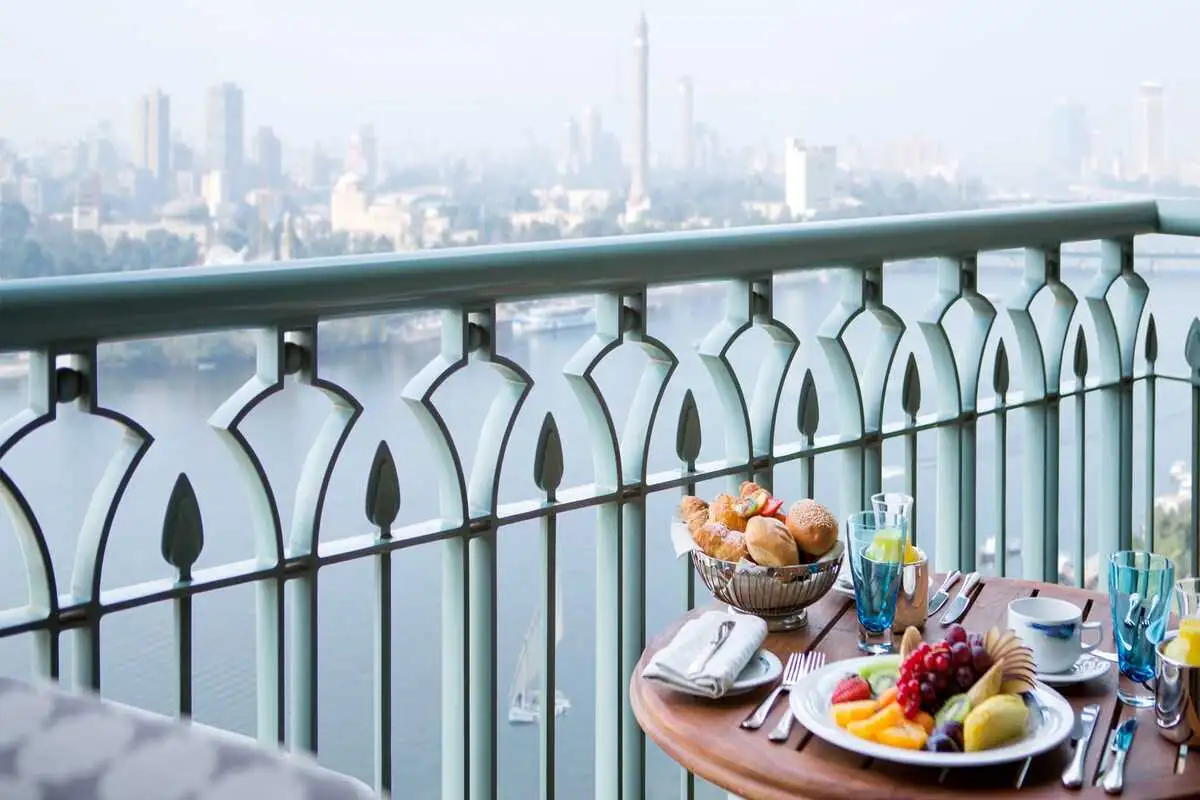
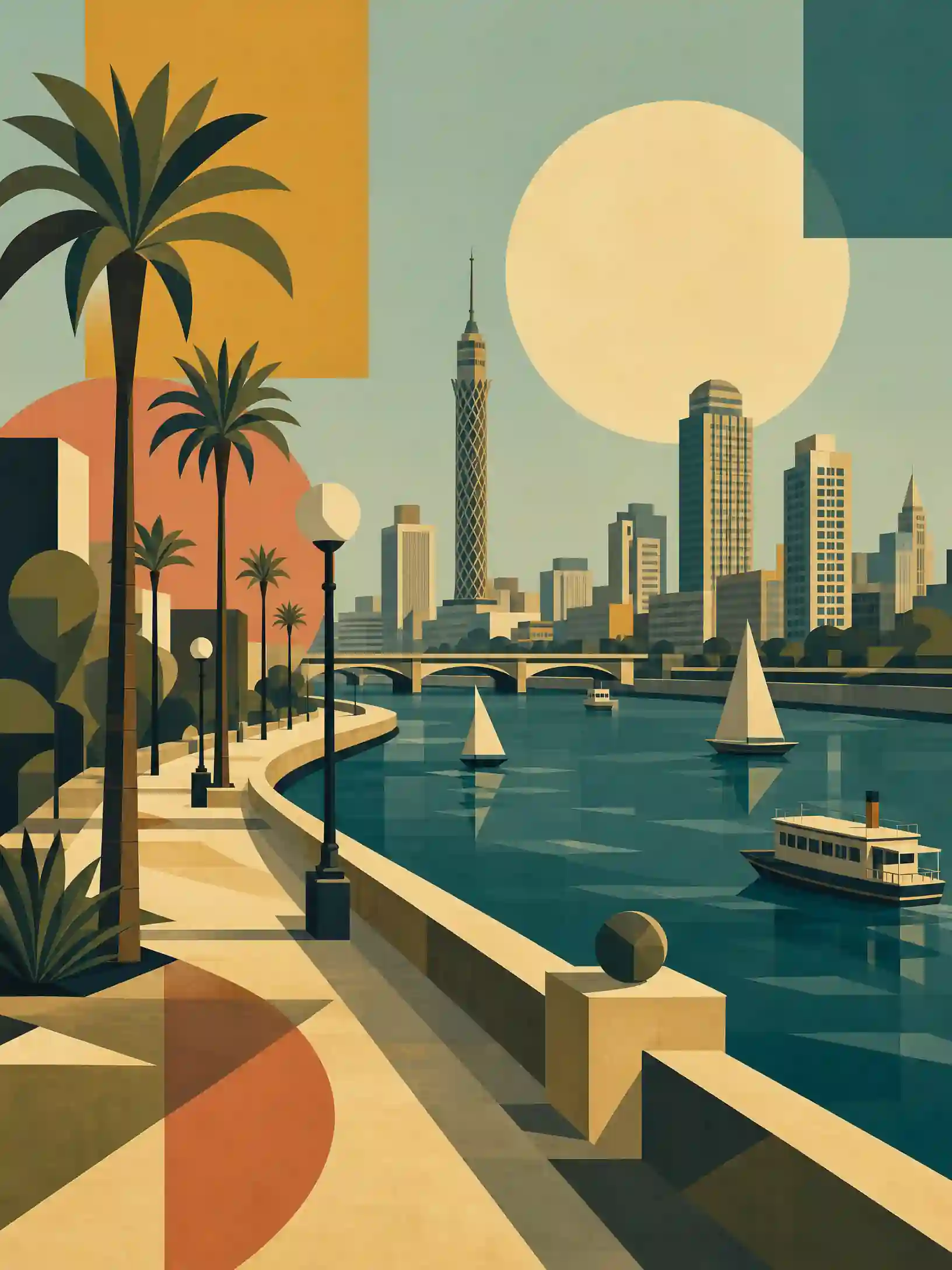
The Nile Corniche, Cairo's grand riverside boulevard, turns gold at sunset as the city's towers glow against the water in one of Africa's most atmospheric promenades.
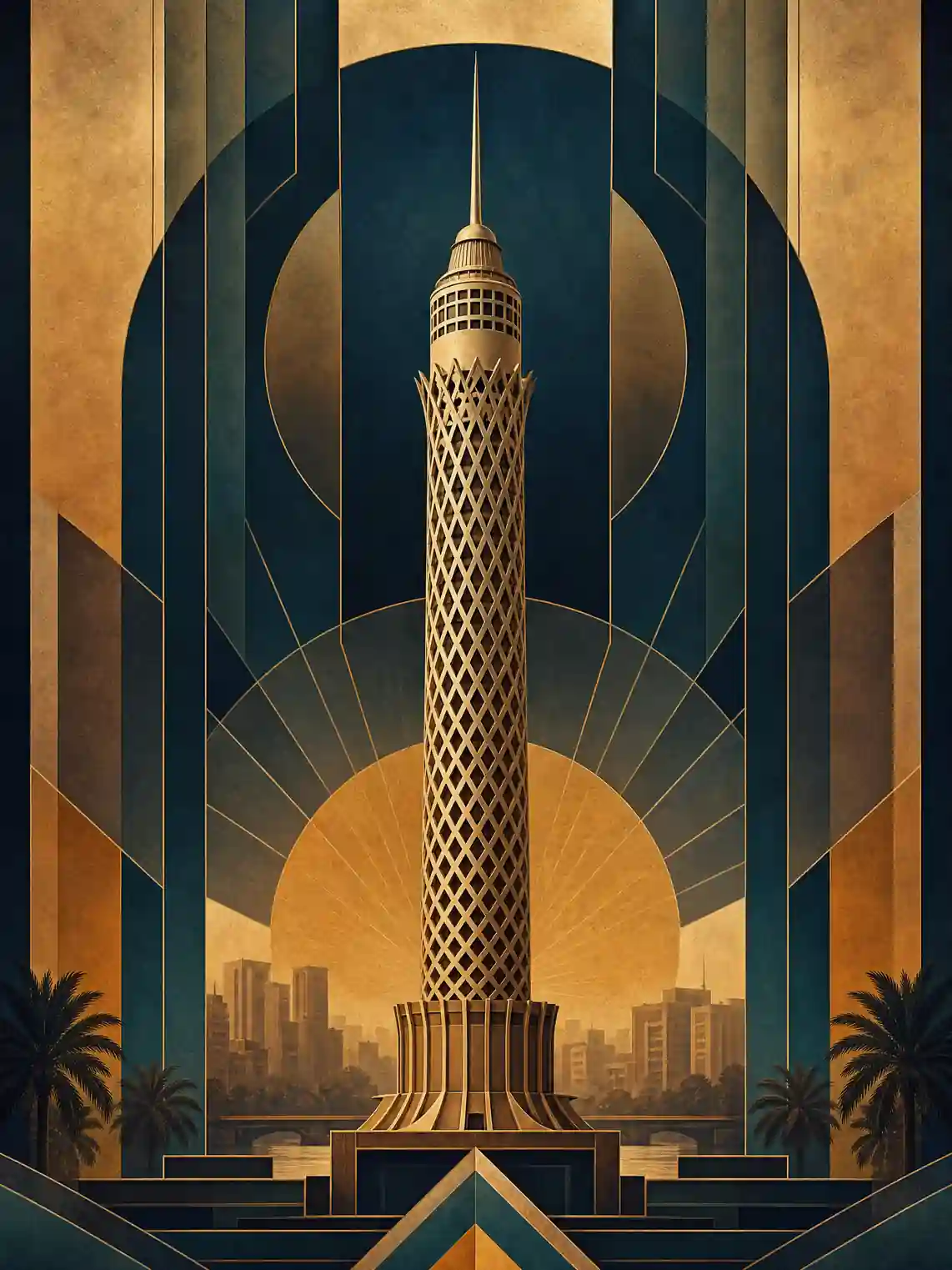
Cairo Tower, rising 187 meters above Gezira Island, stands as Africa's tallest structure north of the equator, its lotus-inspired lattice built between 1956 and 1961.
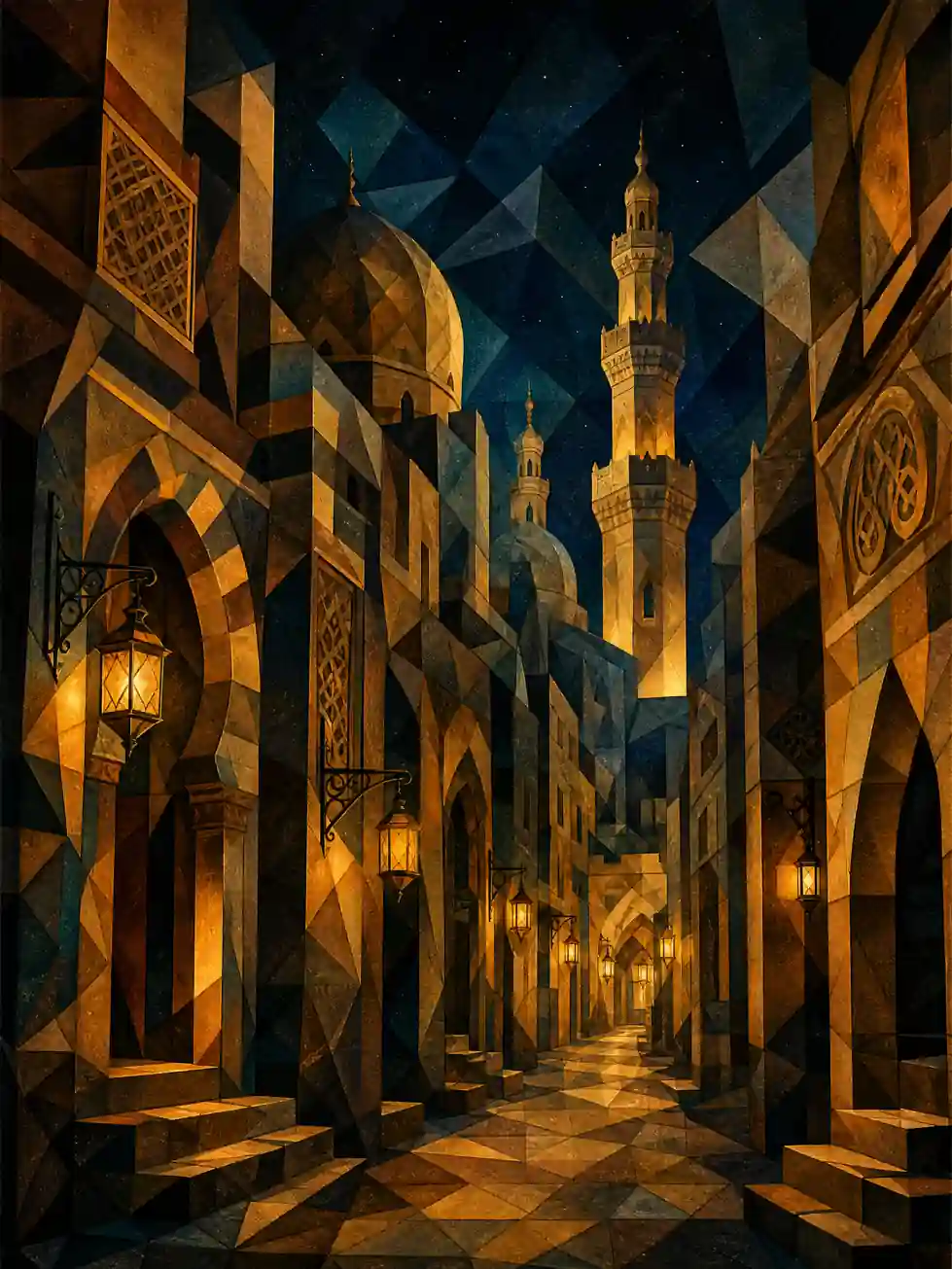
Al-Muizz Street at night transforms into Islamic Cairo's most theatrical scene, when golden lantern light, echoing prayer calls, and drifting shisha smoke animate the medieval lanes near Khan el-Khalili.
October to March
4-6 days
Cairo & Giza
Let our specialists create a bespoke itinerary that captures the magic of this extraordinary destination.