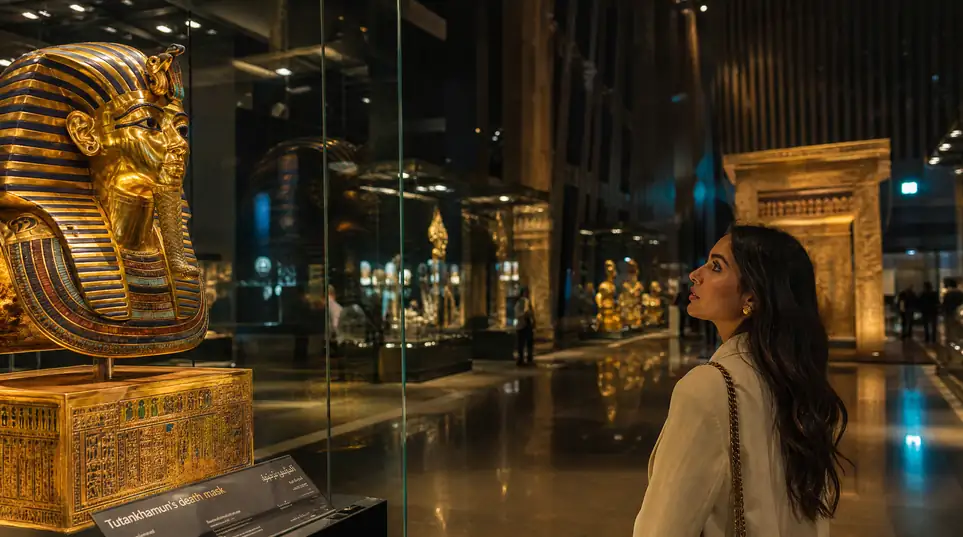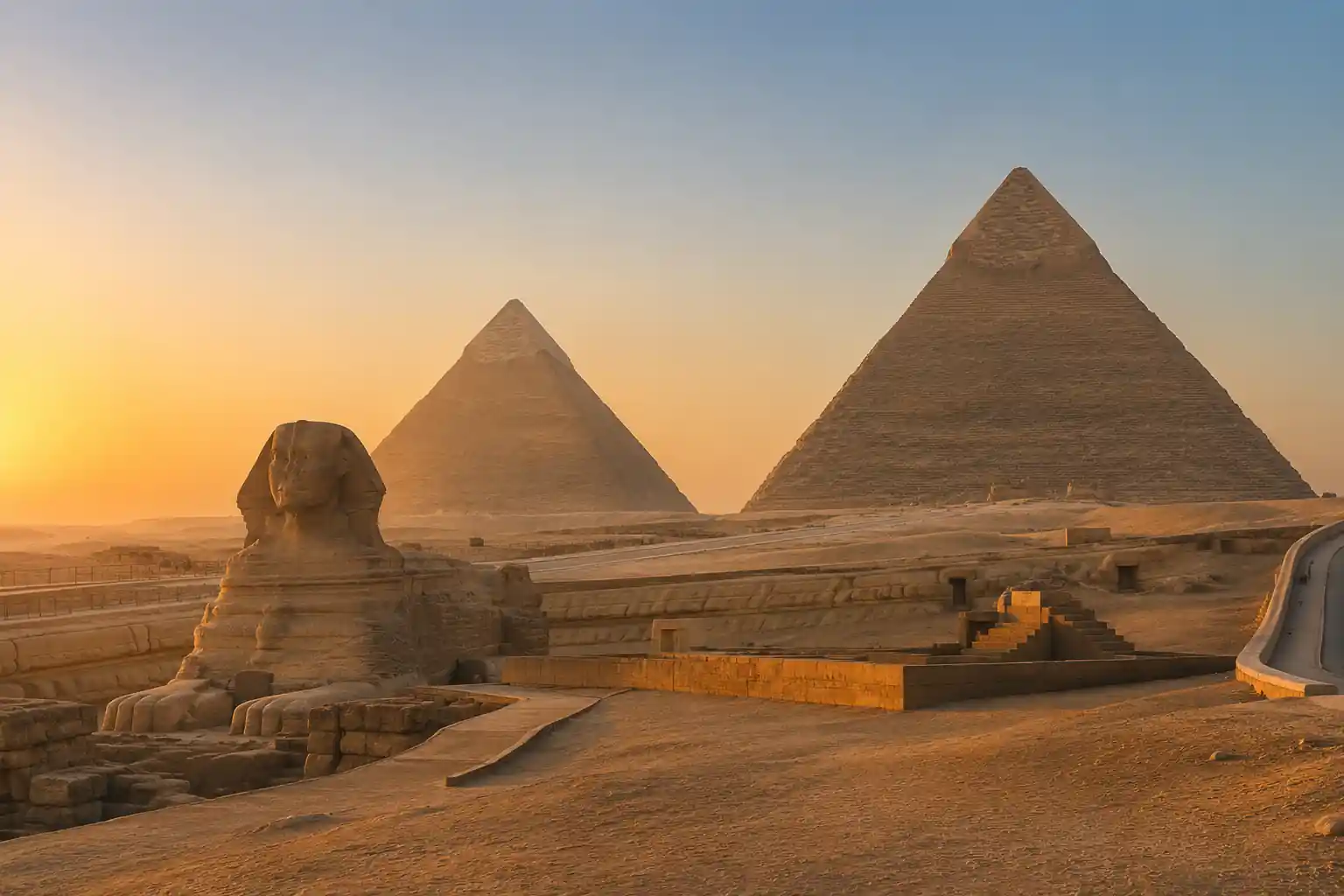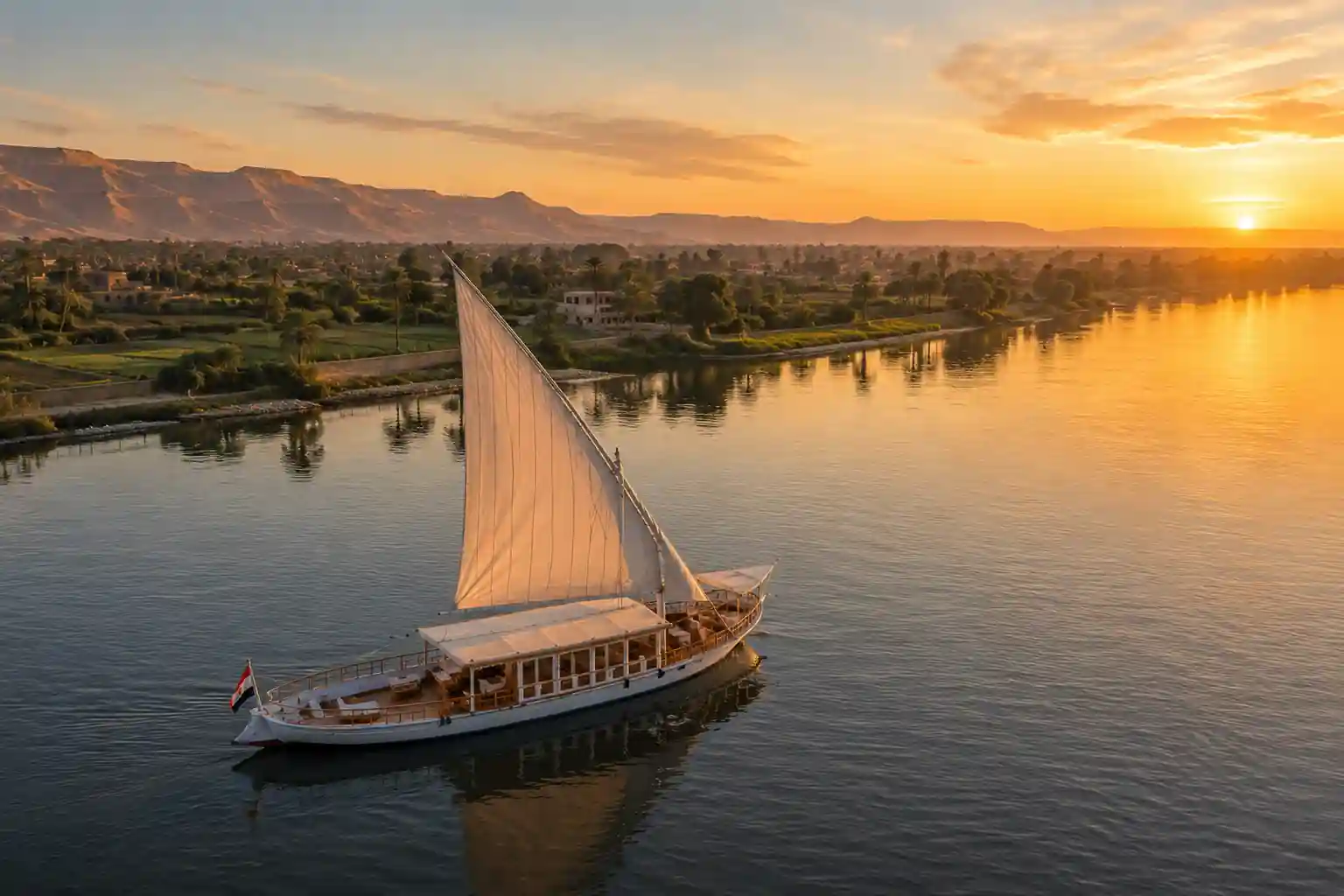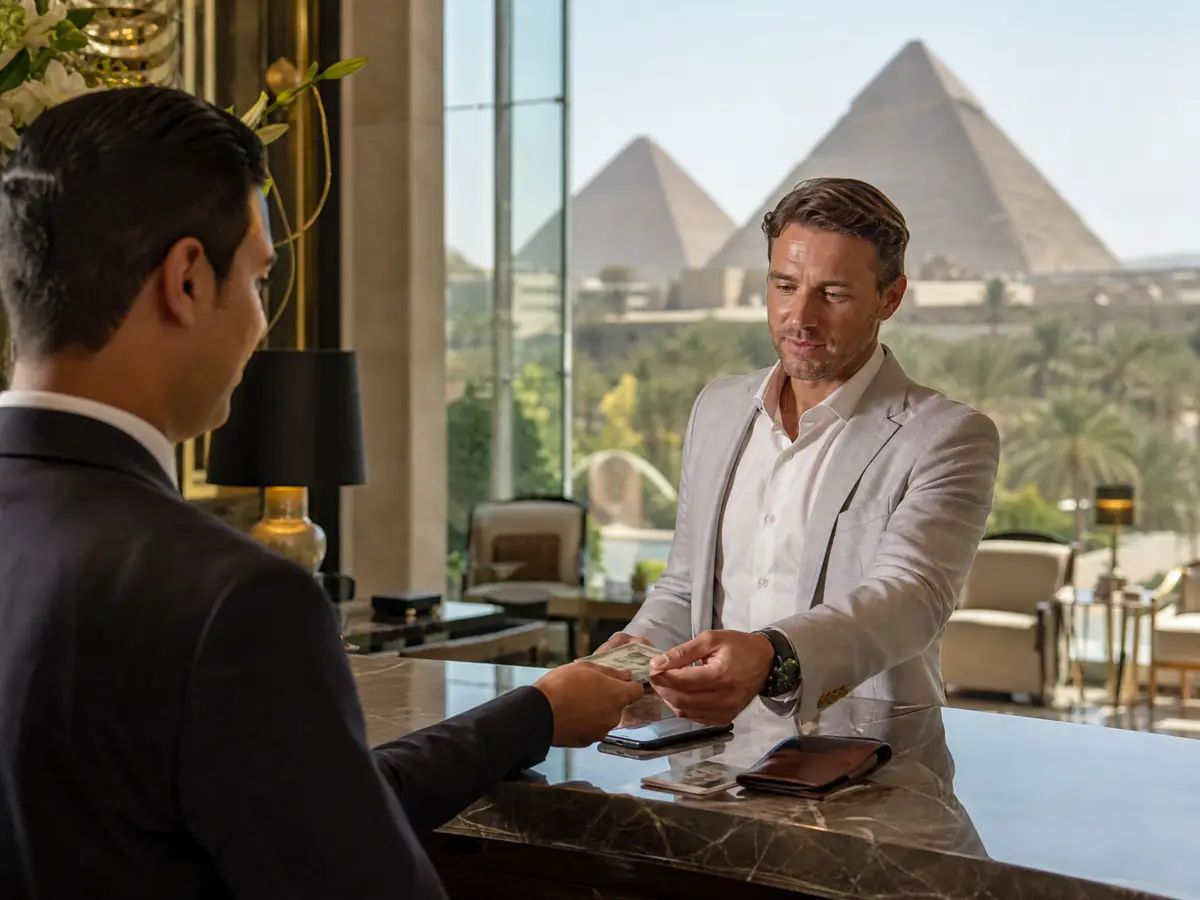
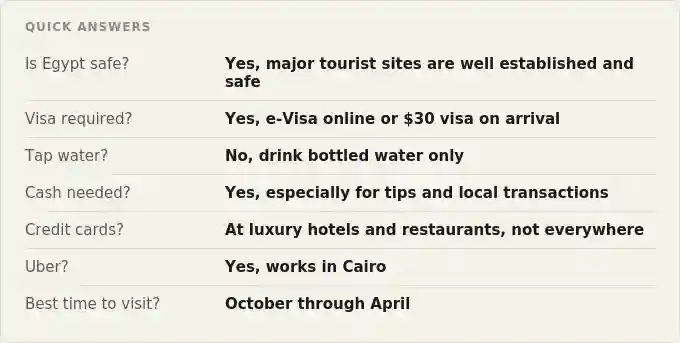
Egypt is unlike anywhere else in the world. The scale of what you encounter the Pyramids, the Valley of the Kings, the Nile, the Grand Egyptian Museum is genuinely difficult to prepare for emotionally. The practical preparation, however, is straightforward. This guide covers everything Americans need to know before traveling to Egypt for the first time: what to expect, what to bring, how money works, how transportation works, what to wear, and what the common mistakes are that experienced travelers wish they had known before their first visit.
This guide is written by an Egypt luxury tour operator. The perspective is practical what actually matters on the ground, not a general overview of Egypt's history and culture. That will reveal itself when you arrive.
1. Is Egypt safe for American tourists?
Egypt's major tourist destinations Cairo, Giza, Luxor, Aswan, and Abu Simbel are well-established, heavily visited international destinations that welcome millions of travelers each year. The US State Department monitors Egypt's security situation continuously; check the current travel advisory at travel.state.gov before your trip, as conditions can change.
The practical safety experience of American travelers on private Egypt itineraries staying at five-star hotels, traveling with a private Egyptologist and driver, visiting sites at structured times is consistently positive. The most common issues travelers encounter are not safety-related but logistical: navigating the taxi situation at tourist sites, managing persistent vendor approaches at markets, and the general intensity of Cairo as a city of twenty million people.
Common tourist scams worth knowing: unofficial "guides" who offer to take you inside sites for a fee (use only your licensed Egyptologist or official site guides); taxi drivers who claim your hotel is "closed" or "moved" to redirect you to a commission-paying guesthouse (know your hotel address in advance); and vendors at sites who offer gifts that then require payment. A private driver and Egyptologist eliminate all of these situations by design you are never navigating tourist areas independently or negotiating transportation on the street.
2. Visa requirements for Americans
US citizens require a visa to enter Egypt. There are two options. The Egypt e-Visa, obtained online through the official portal (visa2egypt.gov.eg) before travel, costs approximately $25 and is processed within 24–72 hours. Print or save the approval digitally before departure. The visa on arrival at Cairo International Airport costs $30 USD, paid at a bank counter before immigration a straightforward process taking fifteen to twenty minutes.
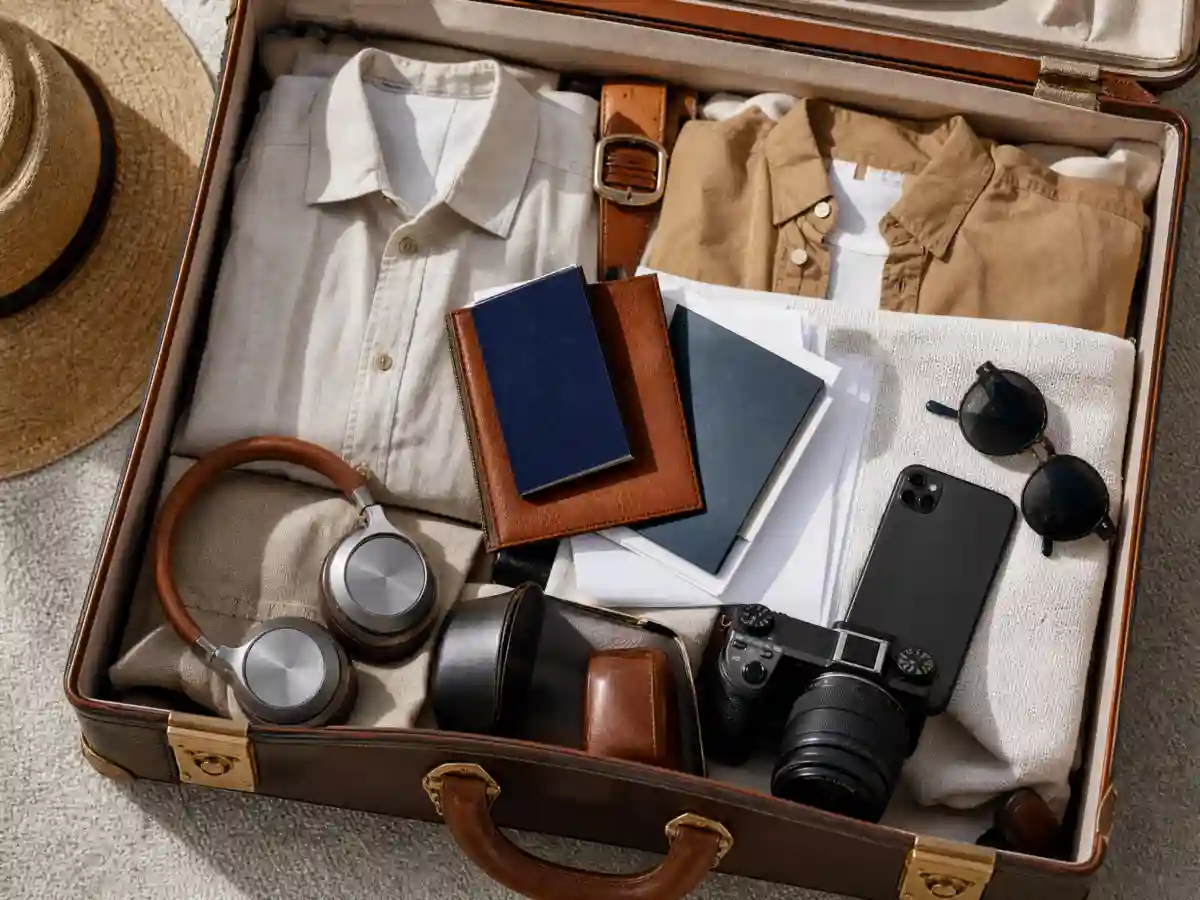
Your passport must be valid for at least six months beyond your Egypt travel dates. Airlines enforce this and will not board passengers whose passport validity is insufficient. Check your expiration date before booking.
3. When to visit Egypt
October through April is the optimal window for most visitors. January and November offer the best combination of comfortable temperatures, good light quality for photography, and manageable crowds at archaeological sites. Summer (June–August) is very hot at outdoor sites but offers the best hotel rates and the quietest conditions at the Pyramids and Valley of the Kings.
→ Full guide: Best Time to Visit Egypt
4. Money — currency, cash, and cards
Egypt uses the Egyptian Pound (EGP). US dollars are accepted at luxury hotels, private tour operators, and some upscale restaurants but Egyptian pounds are required for local transactions, markets, and everyday spending. Carry a mix of both.
Credit cards (Visa and Mastercard) work reliably at five-star hotels, fine dining restaurants, and private tour operators. Outside the luxury travel infrastructure local markets, street vendors, local taxis, smaller restaurants cash is required. Notify your bank before traveling to prevent your card being flagged as a suspicious transaction.
For tips, small-denomination USD bills ($1, $5, $10) are the most practical currency. Egyptian pounds work equally well for smaller tips. ATMs are available in Cairo, Luxor, and Aswan and dispense Egyptian pounds from international cards. Always decline the ATM's offer to convert your withdrawal to USD the rate applied is significantly less favorable than your bank's rate.
→ Full guide: What Currency Does Egypt Use
5. Tipping in Egypt — who, how much, and when
Tipping is culturally important in Egypt and practically significant for the people who work in tourism. On a private Egypt journey, you will tip regularly throughout. The key figures: a private Egyptologist typically receives $20–30 USD per day; a private driver, $10–15 per day; hotel porters, $2–5 per bag; housekeeping at luxury properties, $5–10 per night; restaurant servers, 10–15% of the bill.
Keep small bills in a dedicated pocket separate from your main wallet so tips are immediately accessible without fumbling. Running out of small denominations is the most common tipping frustration on Egypt trips. Bring more $1 and $5 bills than you think you need.
6. Tap water and food safety
Do not drink tap water in Egypt this applies regardless of where you are staying. All luxury hotels and Nile cruises provide bottled water in rooms and at meals as standard. Your private vehicle carries bottled water for site visits. Use bottled water consistently throughout your journey, including for brushing teeth.
Food at Egypt's five-star hotels and the upscale restaurants included in private iLuxury Egypt itineraries is safe and of high quality. Egyptian cuisine mezze, grilled meats, fresh bread, koshari is genuinely excellent and worth experiencing at quality restaurants. Street food and market food carries more variability; if your itinerary includes local market experiences, your Egyptologist will advise on what is safe and what to avoid.
7. What to wear in Egypt
Egypt's dress considerations are governed by three contexts: outdoor archaeological sites, religious sites, and luxury hotels and restaurants.
At ancient Egyptian archaeological sites the Pyramids, Valley of the Kings, Karnak, Abu Simbel there is no dress requirement. Comfortable, lightweight clothing is the priority. Long sleeves in natural fabrics (linen, cotton) provide sun protection while remaining cooler than they appear the Egyptian sun is stronger than most American travelers expect, even in winter.
At Islamic religious sites mosques, and Egypt's Islamic Cairo area covered shoulders and knees are required for both men and women. Women are expected to cover their hair. A lightweight scarf that packs flat covers all these situations without adding meaningful weight to your bag.
At luxury hotels and fine dining restaurants, smart-casual is the standard for evenings. One smart outfit a blazer and trousers for men, a dress or smart separates for women covers every dinner situation on a private Egypt luxury itinerary.
→ Full guide: Egypt Packing List
8. Electronics and power
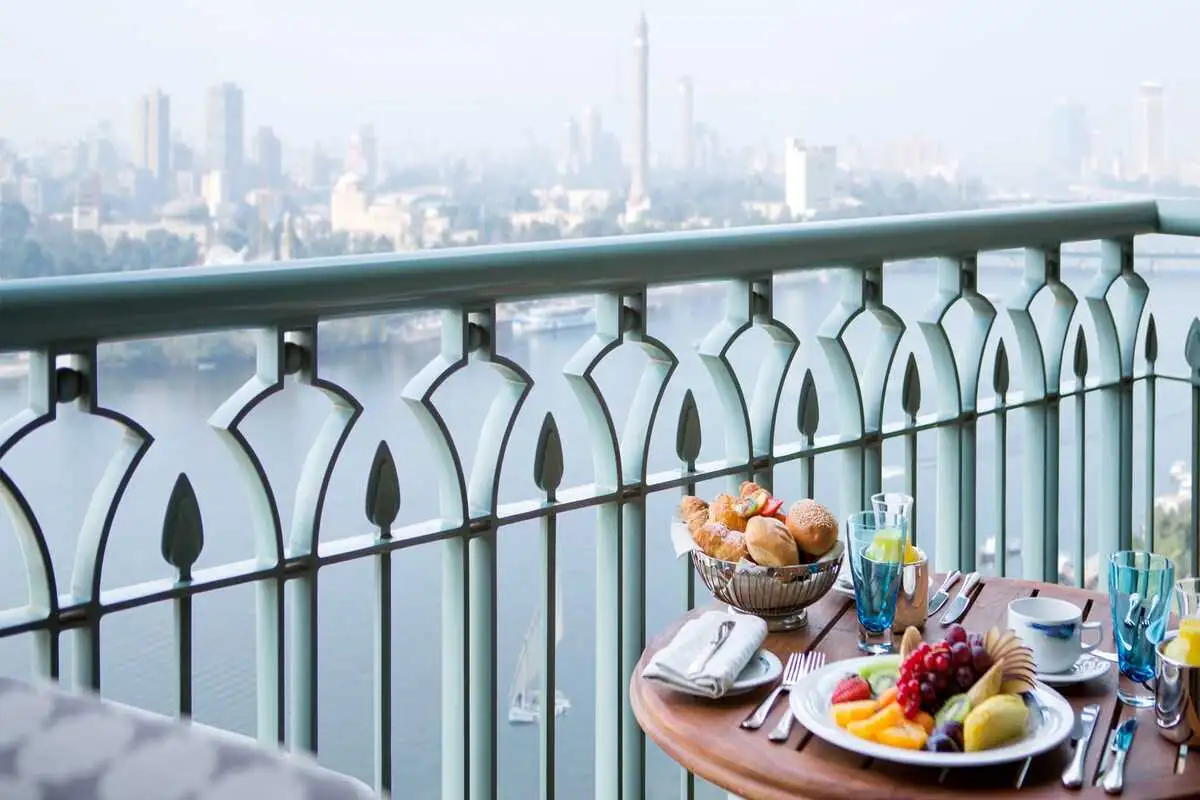
Egypt uses Type C and Type F outlets at 220V. US plugs do not fit Egyptian outlets a universal travel adapter is required. Most modern electronics (iPhones, MacBooks, camera chargers, power banks) are dual-voltage and work with an adapter only, without a voltage converter. Hair dryers are the main exception Egypt's five-star hotels provide them in every room, so leave yours at home.
→ Full guide: Egypt Plug Type
9. Internet, SIM cards, and staying connected
Egypt's major cities have good mobile internet coverage on 4G networks. The main carriers are Vodafone Egypt, Orange Egypt, and WE (Telecom Egypt). A local SIM card purchased at Cairo Airport on arrival provides the most reliable and cost-effective connectivity a tourist SIM with data costs approximately $5–15 USD and is available at carrier booths in the arrivals hall.
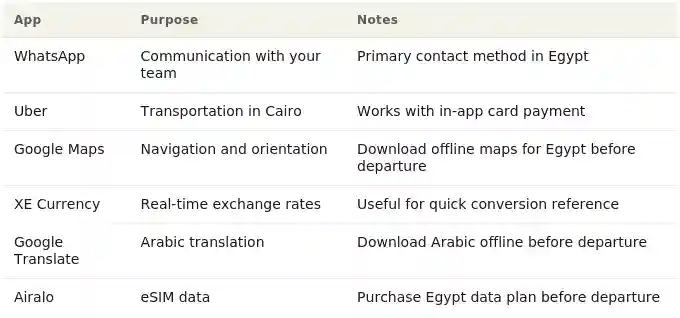
For travelers who prefer not to swap SIM cards, eSIM options through apps like Airalo provide data coverage in Egypt before departure. Five-star hotels provide WiFi throughout their properties. Your private vehicle may or may not have a WiFi hotspot confirm with your iLuxury Egypt team if this matters to your specific arrangements.
WhatsApp is the primary communication tool in Egypt your Egyptologist, driver, and iLuxury Egypt concierge will communicate with you via WhatsApp throughout your journey. Ensuring WhatsApp is installed and functional before you land is a practical first step.
10. Transportation in Egypt
Within Cairo
Uber operates in Cairo and works reliably with in-app card payment a significant practical advantage over street taxis, which require cash and negotiation. Careem (acquired by Uber) operates similarly. For iLuxury Egypt guests, a private driver is provided throughout the itinerary, eliminating the need to use taxis or ride-hailing apps for the journey's structured activities. Uber is useful for independent movement during free time.
Cairo traffic is significant and unpredictable. Travel times across the city vary enormously by time of day. Your driver and iLuxury Egypt team plan departure times based on real-time traffic conditions following this guidance rather than independent timing is the reliable approach.
Between cities
Domestic flights connect Cairo, Luxor, and Aswan in approximately one hour. For a private Egypt itinerary, flying between cities is standard overland driving between Cairo and Luxor takes eight to ten hours and is not the appropriate choice for a luxury itinerary. Domestic flight bookings are arranged by your iLuxury Egypt team as part of the overall itinerary.
The Nile cruise between Luxor and Aswan is the third transportation option a journey that takes three to five days by cruise vessel and is simultaneously the transport and a central experience of the journey. A private Dahabiya sailing is the most intimate version.
11. Language
Arabic is Egypt's official language. At five-star hotels, airports, major tourist sites, and with any guide or driver arranged through iLuxury Egypt, English is spoken reliably. Outside the luxury travel infrastructure local markets, smaller restaurants, local taxis English is less consistent.
A few Arabic words produce disproportionate goodwill: "Shukran" (thank you), "Laa shukran" (no thank you useful at market vendor approaches), and "Sabah el-khair" (good morning) are the most practically useful. Your Egyptologist will handle any language situation that arises during your journey.
12. Cultural etiquette Americans should know
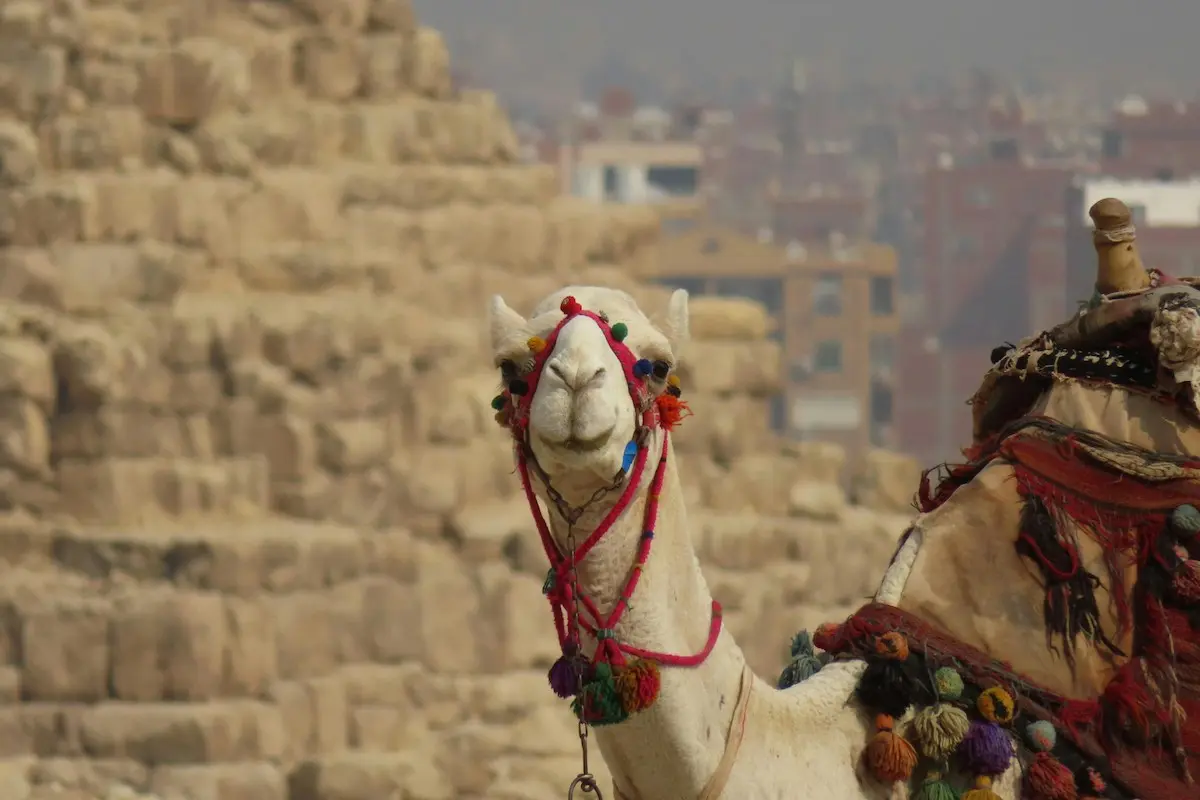
Ask before photographing people. At markets and local areas, photographing individuals without asking first is considered intrusive. A gesture of the camera and a questioning look usually produces either a nod or a wave off both are clear. Your Egyptologist can assist with this interaction in Arabic.
Inside mosques, remove shoes before entering and follow the behavioral standards of a place of active worship. Photography is usually permitted in non-prayer areas but confirm before shooting.
Egypt is a predominantly Muslim country with conservative social norms in public spaces outside the luxury hotel environment. Public displays of affection between couples are best kept minimal outside of hotel grounds. This is a practical social observation, not a legal requirement.
Accepting tea or coffee when offered by a host or shopkeeper is a cultural courtesy. You are not obligated to purchase anything by accepting hospitality, but the offer itself carries social significance and declining abruptly is less gracious than accepting briefly.
13. Health preparation
No vaccines are required for entry to Egypt from the United States. Several are commonly recommended including Hepatitis A and ensuring routine vaccines are current. Consult a travel medicine physician four to eight weeks before departure. Bring a full supply of any prescription medication you take regularly plus a five-day buffer. Do not count on finding specific medications in Egypt.
Travel insurance with emergency medical coverage and medical evacuation is strongly recommended. Air evacuation from a remote site to Cairo, or from Egypt to the United States, can exceed $100,000 without coverage.
→ Full guide: Vaccines for Egypt Travel
→ Full guide: Egypt Travel Insurance
14. Common mistakes first-time visitors make
Visiting in summer without adjusting expectations. Temperatures in Luxor and Aswan in July exceed 110°F. Summer is possible but requires early morning site visits and honest acceptance of afternoon heat limitations. Travelers who arrive expecting the same outdoor experience as January are consistently disappointed.
Not carrying enough small-denomination cash. The tipping economy of a private Egypt itinerary runs on $1, $5, and $10 bills. Running out of small notes on day three of a ten-day trip is a consistent and avoidable frustration.
Wearing new shoes to archaeological sites. The Giza Plateau, Valley of the Kings, and Karnak involve significant walking on uneven surfaces. New shoes produce blisters by day two. Bring broken-in walking shoes only.
Not notifying the bank before travel. A frozen credit card in Cairo is inconvenient and requires a phone call to a US bank during Egyptian business hours, which may not align with US customer service availability. Takes thirty seconds to prevent.
Booking the cheapest tour option. Private Egypt itineraries at the budget end of the market consistently deliver a different experience than private itineraries at the quality end in guide knowledge, vehicle quality, site access timing, and hotel selection. The difference between a $3,000 Egypt trip and a $12,000 Egypt trip is not just comfort level; it is the experience itself.
15. Useful apps before you travel
16. Luxury traveler specifics
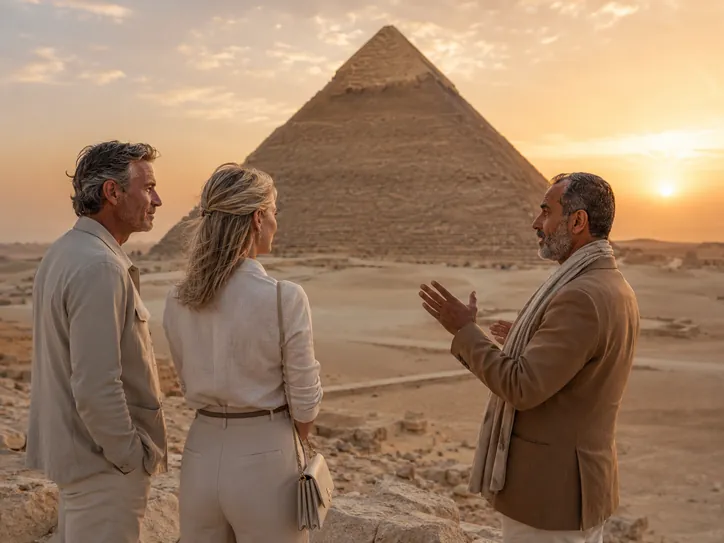
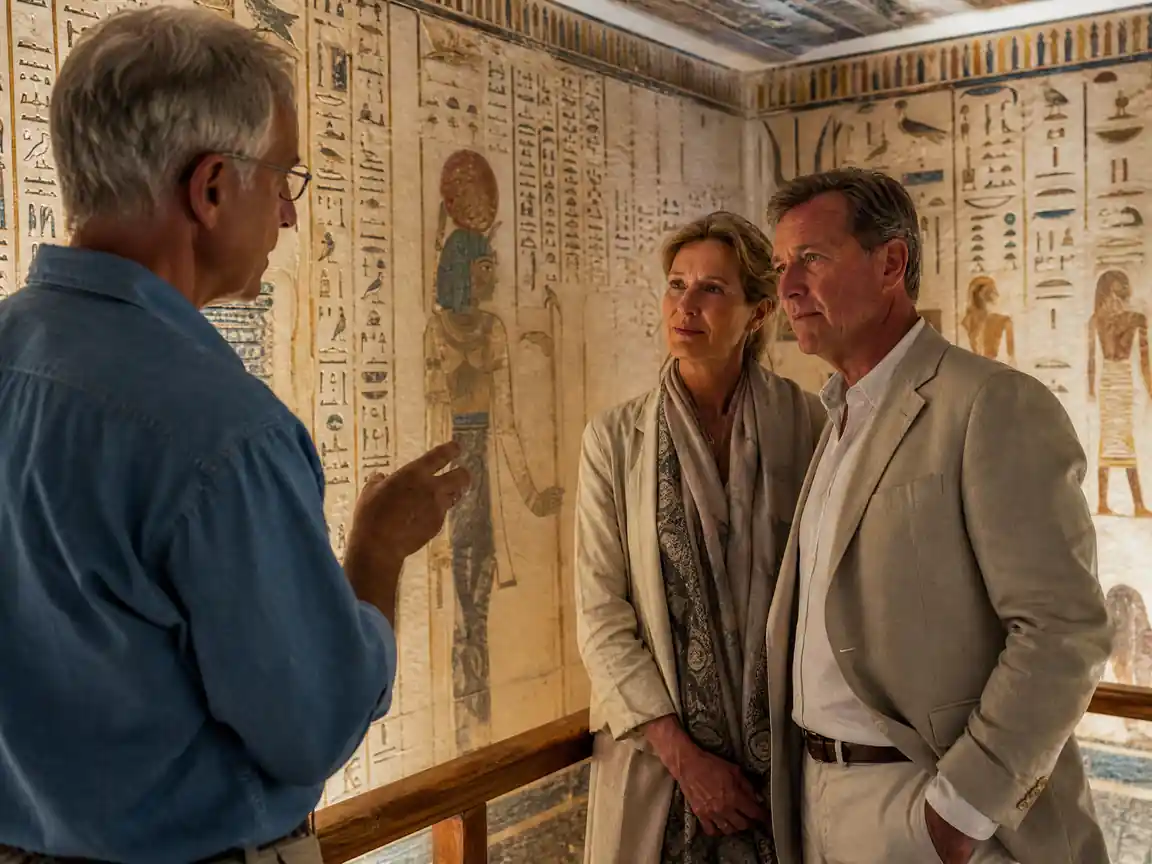
A private Egypt journey arranged through iLuxury Egypt differs from standard tourist travel in ways that are worth understanding before arrival. Your Egyptologist is not a licensed tour guide they are a scholar with an academic background in Egyptology who can read hieroglyphics, interpret archaeological context, and explain the scholarly debates that surround the sites you visit. This is a fundamentally different level of engagement with what you are seeing.
Your driver is confirmed before your flight lands. Your hotel arrangements are communicated in advance to each property. Your restaurant requirements dietary restrictions, preferences are confirmed before you arrive. The pre-trip consultation that iLuxury Egypt conducts before your departure covers every practical detail of the journey so that your experience of Egypt can be focused entirely on Egypt.
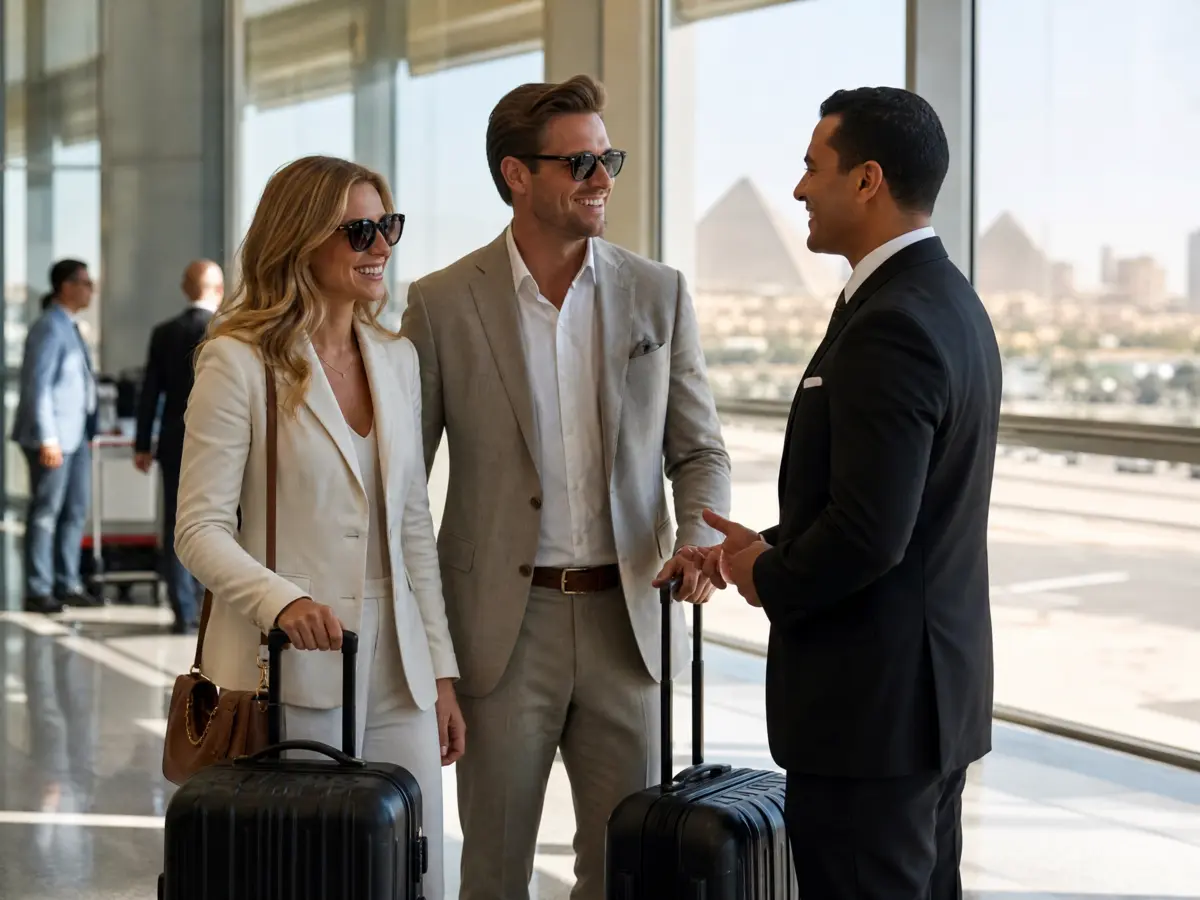
Airport meet-and-greet on arrival means a representative is positioned inside the terminal before you clear immigration. This is not a driver waiting at the curb it is a person inside the arrivals process who assists with the visa on arrival if needed and escorts you through the airport to your vehicle. The difference in the first hour of an Egypt trip between this and navigating Cairo Airport independently after a fourteen-hour flight is considerable.
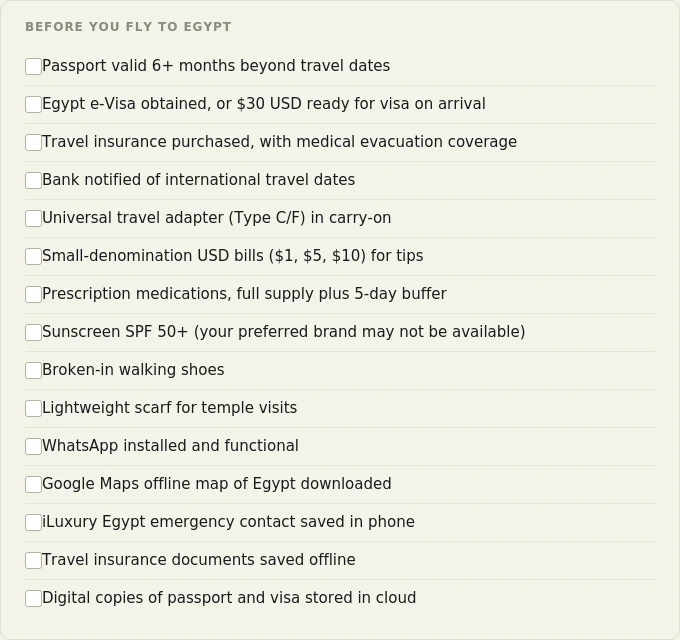
17. Pre-departure checklist
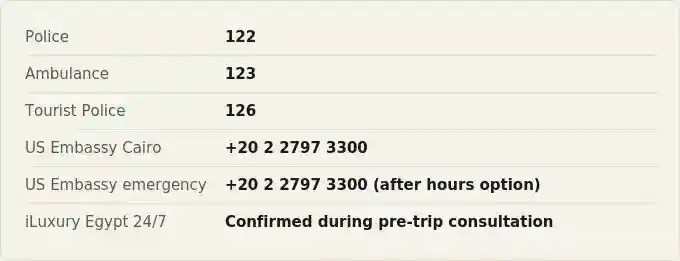
18. Emergency numbers in Egypt
Frequently asked questions
Is Egypt safe for American tourists?
Egypt's major tourist sites Cairo, Luxor, Aswan, and the archaeological areas between them are well-established international destinations that welcome millions of visitors each year. Check the current US State Department travel advisory at travel.state.gov before your trip. Travelers on private itineraries with a licensed operator, staying at five-star properties, have a consistently positive safety experience.
Do Americans need a visa for Egypt?
Yes. US citizens obtain either an e-Visa online before travel (approximately $25, processed in 24–72 hours) or a visa on arrival at Cairo Airport ($30 USD, paid at the bank counter before immigration). Your passport must be valid for at least six months beyond your travel dates.
Can Americans drink tap water in Egypt?
No. Tap water is not recommended for drinking by international travelers, regardless of where you are staying. All luxury hotels, Nile cruises, and private vehicles carry bottled water as standard. Use bottled water consistently throughout your journey.
Should I bring cash to Egypt?
Yes particularly small-denomination USD bills for tipping ($1, $5, $10) and Egyptian pounds for local transactions. Credit cards work at luxury hotels and upscale restaurants. Cash is required for tips, local markets, smaller restaurants, and most transactions outside the luxury travel infrastructure.
Is Uber available in Cairo?
Yes. Uber operates in Cairo and accepts in-app card payment. It is a reliable and practical option for independent transportation within the city. Outside Cairo, private driver arrangements through your tour operator are the practical solution.
What should I wear in Egypt?
Lightweight, comfortable clothing for archaeological sites. Covered shoulders and knees and hair for women at Islamic religious sites. Smart-casual for luxury hotel dinners. A lightweight scarf covers all modesty requirements and packs flat. Broken-in walking shoes are the single most important clothing item for an Egypt trip.
What is the best month to visit Egypt?
January and November are consistently the strongest months for a private Egypt luxury itinerary comfortable temperatures, excellent light quality, and manageable crowds. October through April is the overall recommended window. Summer offers the quietest sites and best hotel rates but requires heat management at outdoor locations.
Is tipping expected in Egypt?
Yes tipping is culturally important and practically significant. Budget $20–30 USD per day for your private Egyptologist, $10–15 for your driver, and $5–10 per night for hotel housekeeping. Carry small-denomination bills at all times. Running short of small notes for tips is the most common money frustration on Egypt trips.
Do I need travel insurance for Egypt?
Strongly recommended. Travel insurance is not required for entry, but a luxury Egypt itinerary involves significant non-refundable commitments, and medical evacuation from a remote archaeological site can exceed $100,000 without coverage. Purchase insurance as soon as you make your first non-refundable payment.
What are the most important things to know before traveling to Egypt?
Drink only bottled water. Bring small-denomination USD for tips. Notify your bank before travel. Pack broken-in walking shoes. Carry a lightweight scarf. Purchase travel insurance immediately after booking. Visit outdoor sites in the morning. Book luxury properties and private guides at least three to six months ahead for peak season travel.
Planning a private Egypt journey and want a complete pre-trip briefing tailored to your specific itinerary, travel dates, and the experiences you want to have?