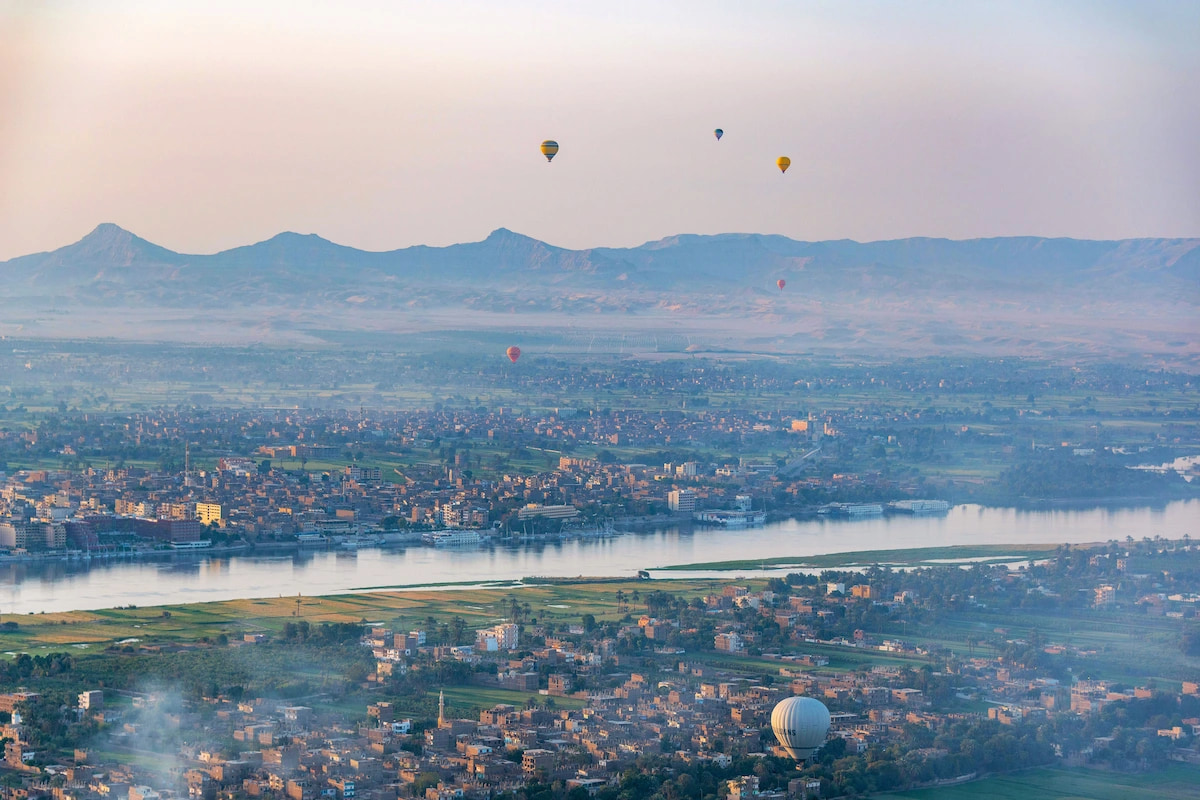
Best Time to Visit
October to April - mild temperatures, ideal for temple exploration without extreme heat
Region
Upper Egypt
Recommended Duration
3-4 days (5-7 days for comprehensive exploration)
Difficulty
Easy
Discover LUXOR
Walk where pharaohs walked through the ancient city of Thebes, where every sunset illuminates temples older than time itself. Cross the Nile to the Valley of the Kings, stand between colossal statues, and witness one-third of the world's antiquities concentrated in one breathtaking destination.
LUXOR Highlights
Explore the treasures that make LUXOR one of Egypt's most captivating destinations.

Karnak Temple Complex
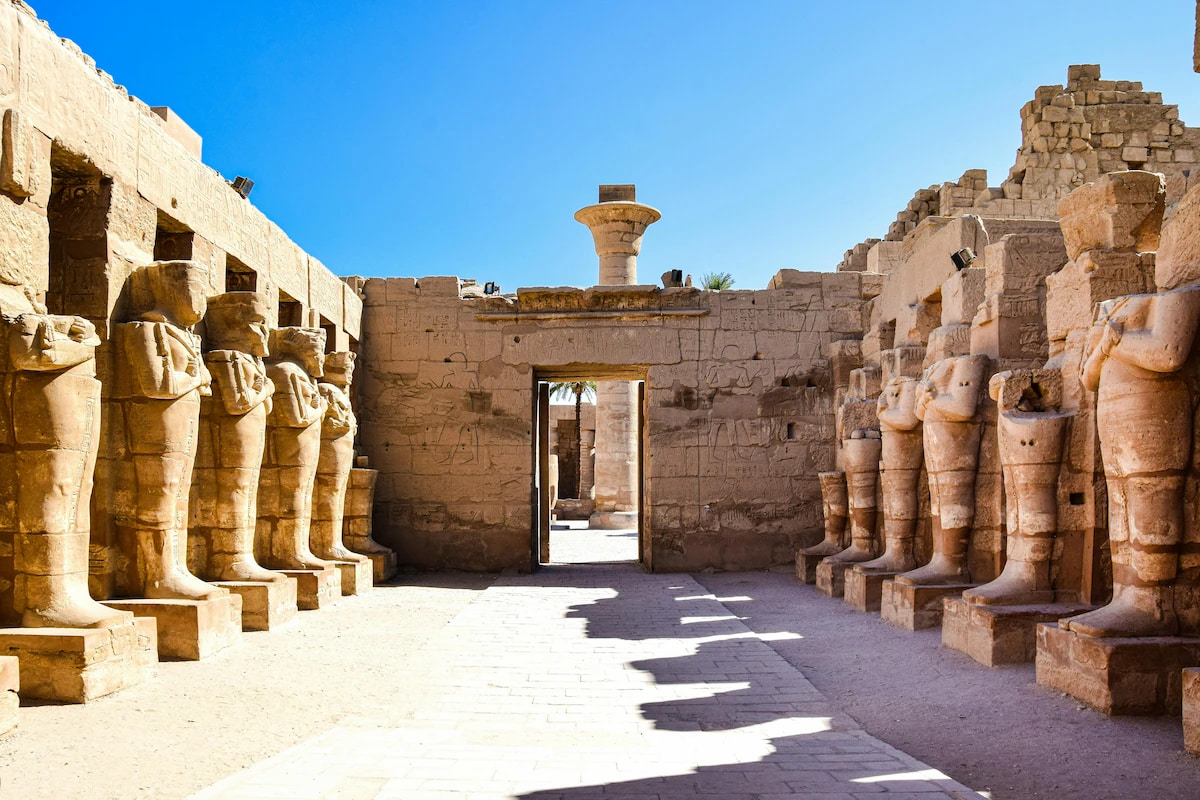
Walk through humanity's largest religious complex, where 134 towering columns create a petrified forest of stone. Built over 2,000 years by successive pharaohs, this sprawling masterpiece features the sacred lake, towering obelisks, and hieroglyphs covering every surface. Evening sound and light shows bring ancient rituals magically alive.
Luxor Temple
Rising magnificently along the Nile Corniche, this temple glows golden under nighttime floodlights. Built by Amenhotep III and Ramesses II, it features the dramatic Avenue of Sphinxes, towering statues, and a mosque built atop ancient ruins. Walk where pharaohs celebrated the Opet Festival for 3,400 years.
Luxor Museum
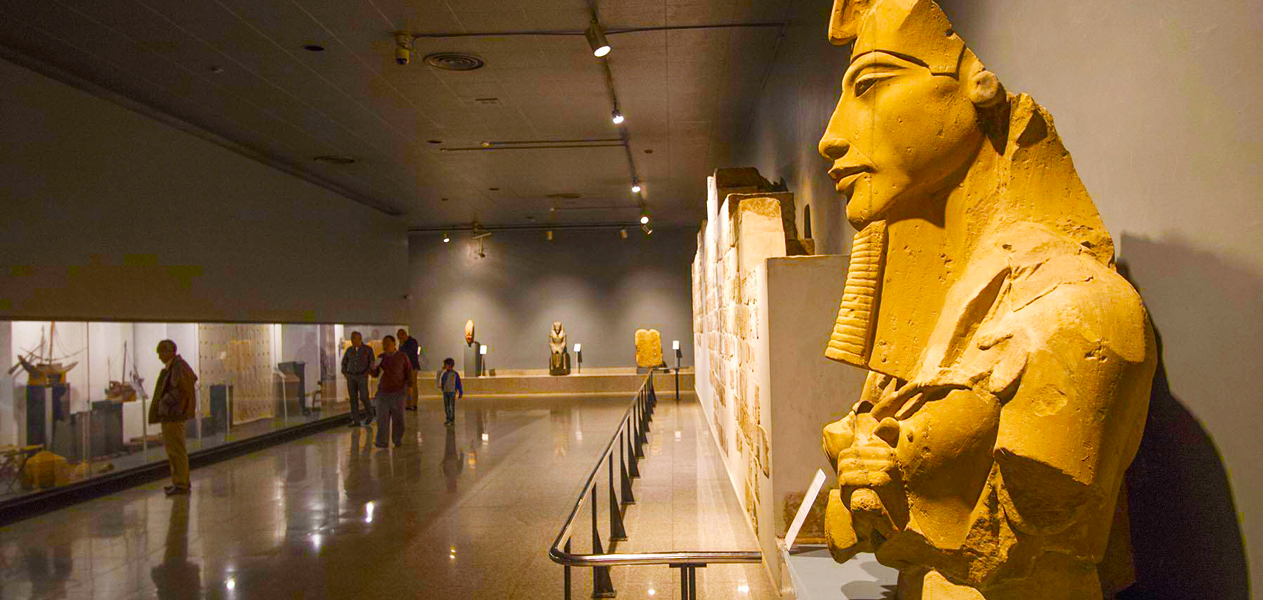
This world-class museum showcases Thebes' finest treasures in stunning modern displays. Exquisitely preserved statues, jewelry, and artifacts—including finds from Tutankhamun's tomb are beautifully presented with context. The mummy exhibit and cache of royal statues discovered at Luxor Temple make this essential viewing for understanding ancient Egypt.
Mummification Museum
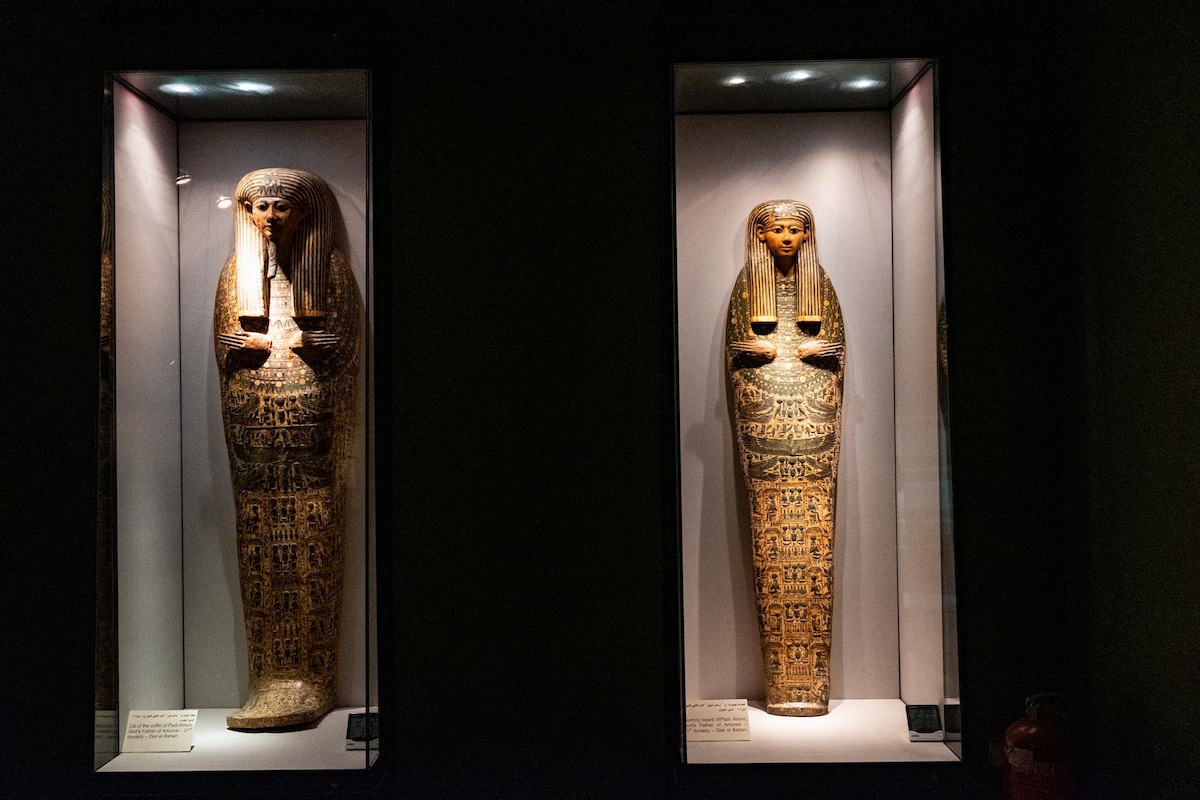
Uncover the sacred art and gruesome details of ancient Egyptian mummification. Actual mummified animals, preservation tools, and Canopic jars reveal the 70-day process of preparing bodies for eternity. This small but fascinating museum demystifies death rituals that obsessed a civilization for millennia, making mummies more understandable.
Avenue of Sphinxes
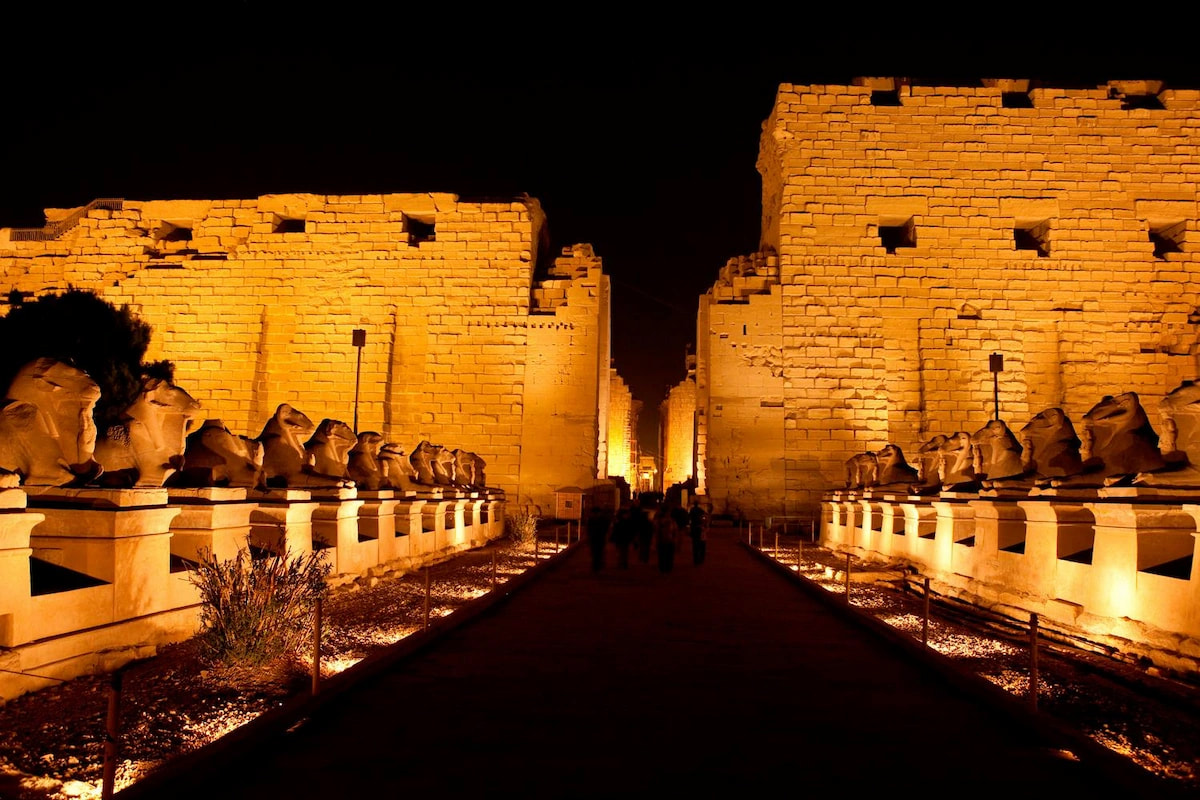
Walk the recently restored 2.7-kilometer ceremonial road lined with over 1,000 sphinx statues connecting Karnak to Luxor Temple. Once traversed by pharaohs during sacred processions, this ancient highway lay buried for centuries. Today's dramatic illumination transforms evening strolls into magical journeys through time alongside stone guardians.

Valley of the Kings
Descend into the legendary necropolis where 63 pharaonic tombs tunnel into limestone cliffs, including Tutankhamun's treasure-filled resting place. Vibrant hieroglyphs and painted ceilings depicting the journey to the afterlife still glow after 3,000 years. Each tomb reveals ancient Egypt's obsession with death, resurrection, and eternal glory.
Valley of the Queens (Tomb of Nefertari)
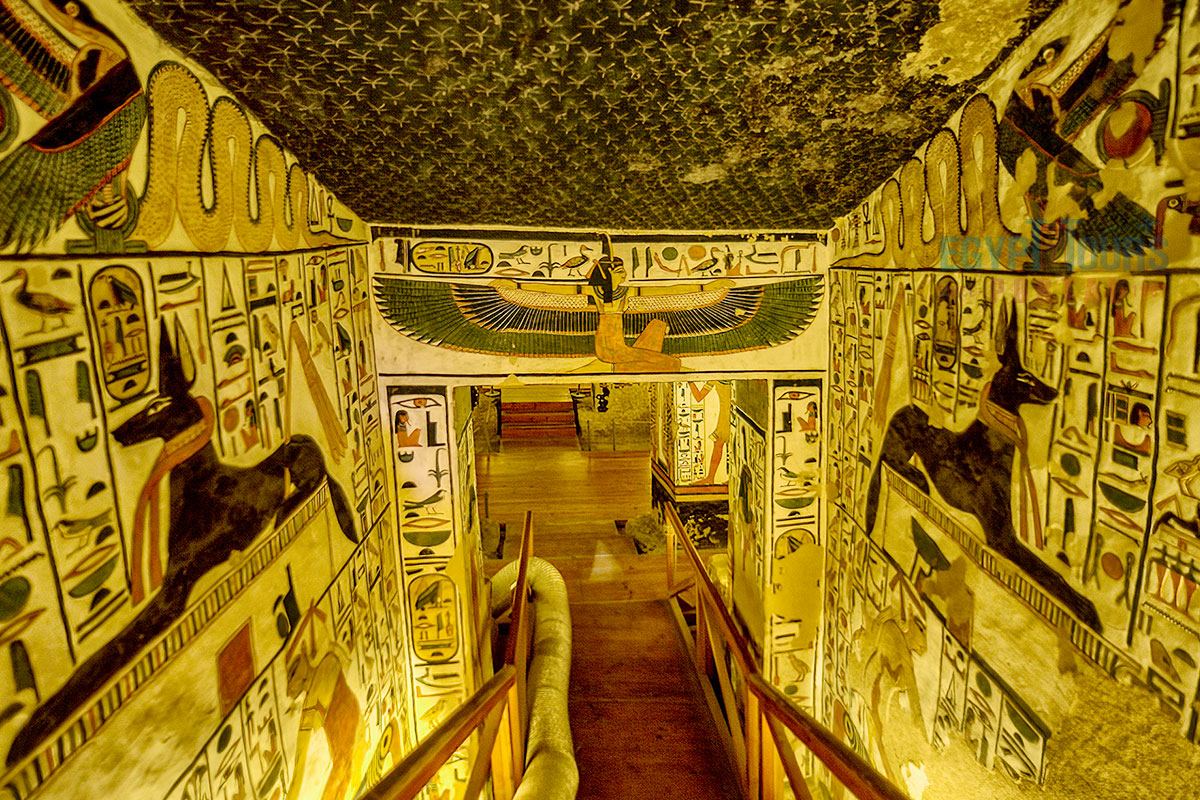
Queen Nefertari's tomb is ancient Egypt's most beautifully painted burial chamber an underground Sistine Chapel of the pharaonic world. Brilliant colors depicting the queen's journey through the afterlife remain breathtakingly vivid. Limited daily access and additional fees preserve this fragile masterpiece for future generations to witness.
Temple of Hatshepsut (Deir el-Bahari)
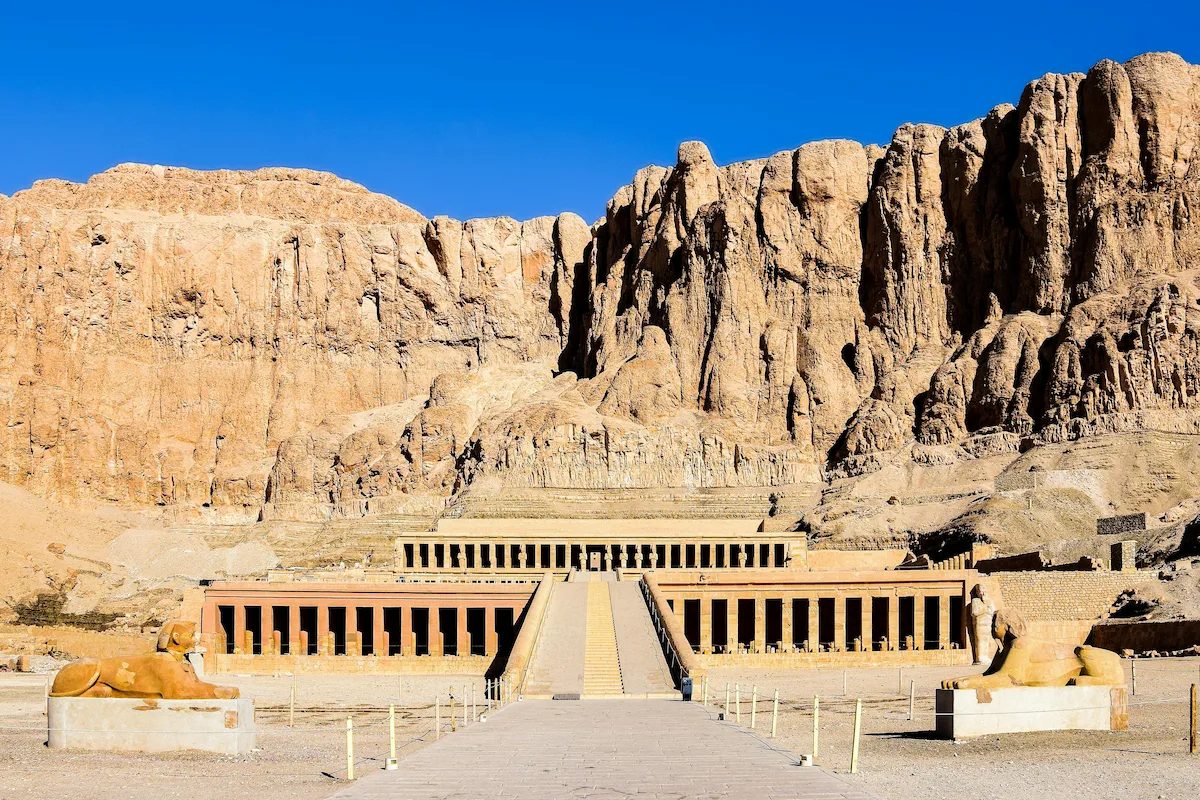
Egypt's most powerful female pharaoh's mortuary temple rises in three dramatic terraces against towering cliffs. Its unique modern-looking architecture, built 3,500 years ago, features colonnaded halls and stunning reliefs depicting Hatshepsut's divine birth and trading expeditions. The desert setting at sunrise creates unforgettable photographic moments.
Colossi of Memnon
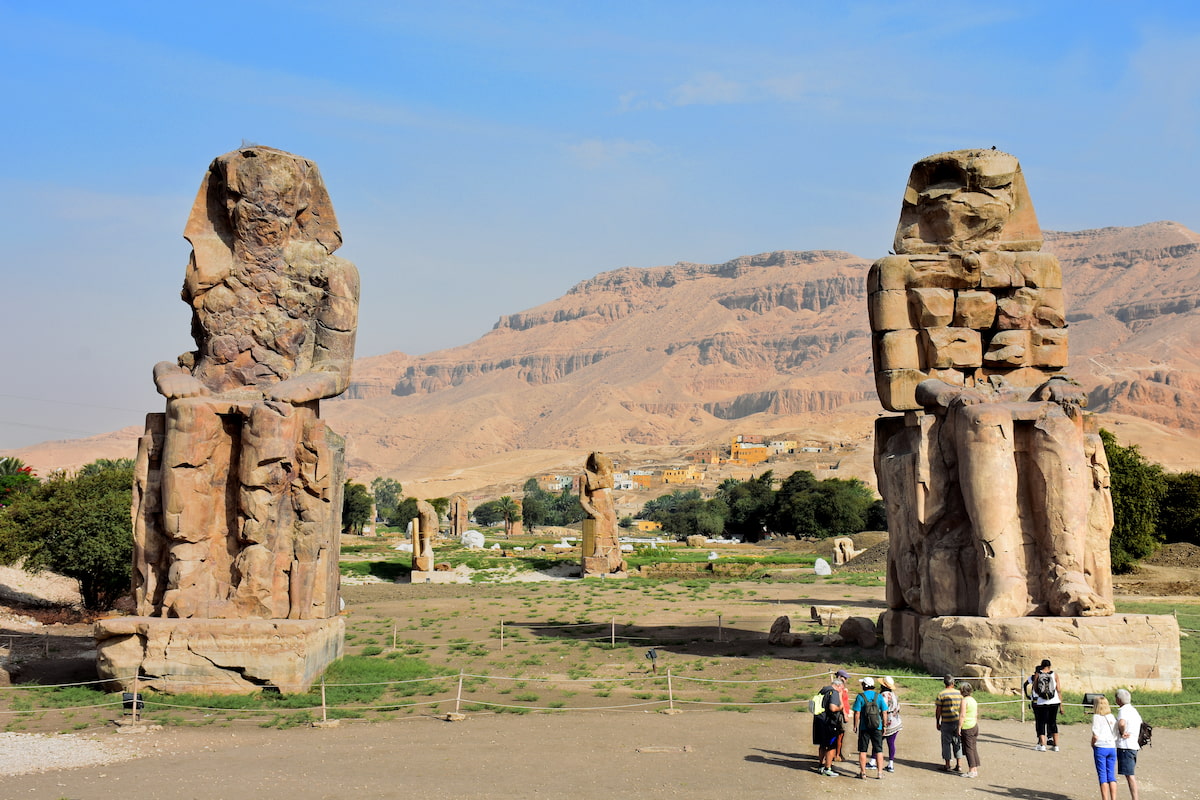
Two massive seated statues of Amenhotep III each weighing 720 tons—rise 18 meters from the Theban plain. Once guardians of a vanished mortuary temple larger than Karnak, they've stood here for 3,400 years. Ancient Greeks believed they sang at dawn; today they remain Luxor's most iconic roadside sentinels.
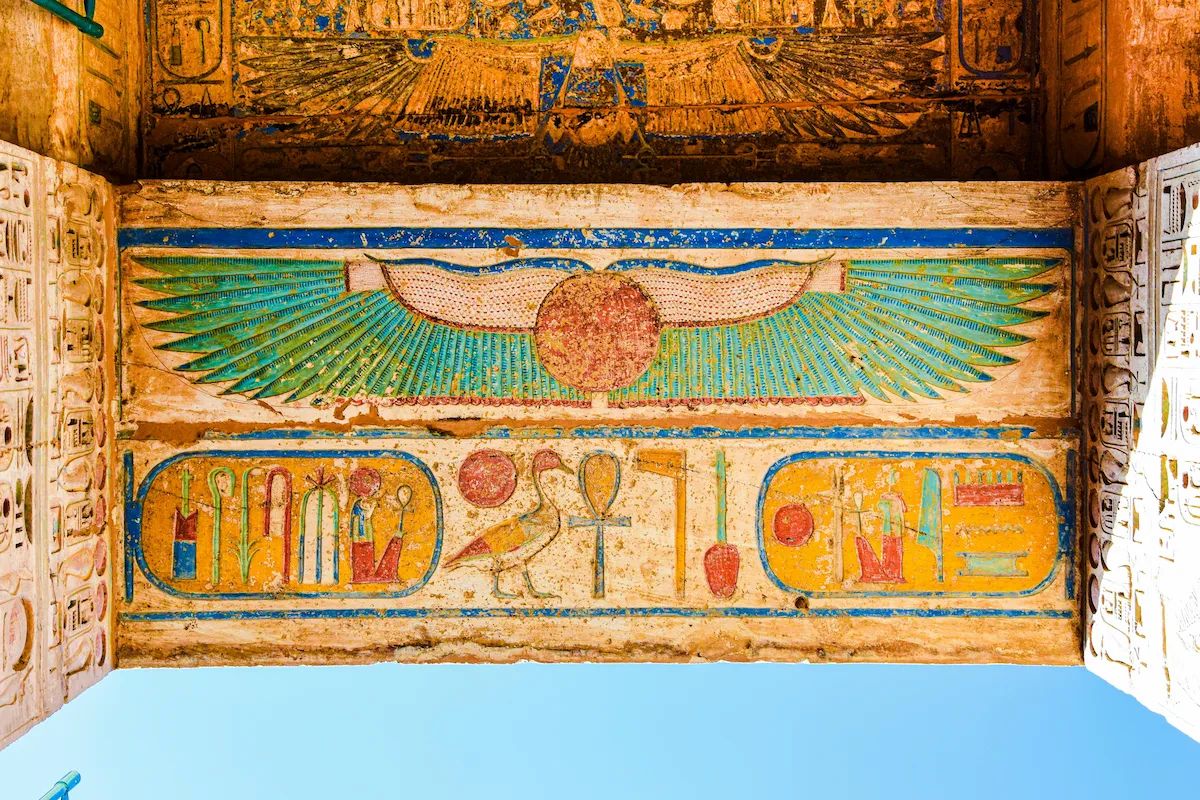
Medinet Habu (Mortuary Temple of Ramesses III)
This fortress-like temple complex is Luxor's best-preserved monument, with towering walls depicting naval battles and vivid original colors still visible. Ramesses III's last great pharaonic temple features elaborate carvings, a sacred lake, and palace ruins. Far less crowded than other sites, it offers intimate encounters with antiquity.
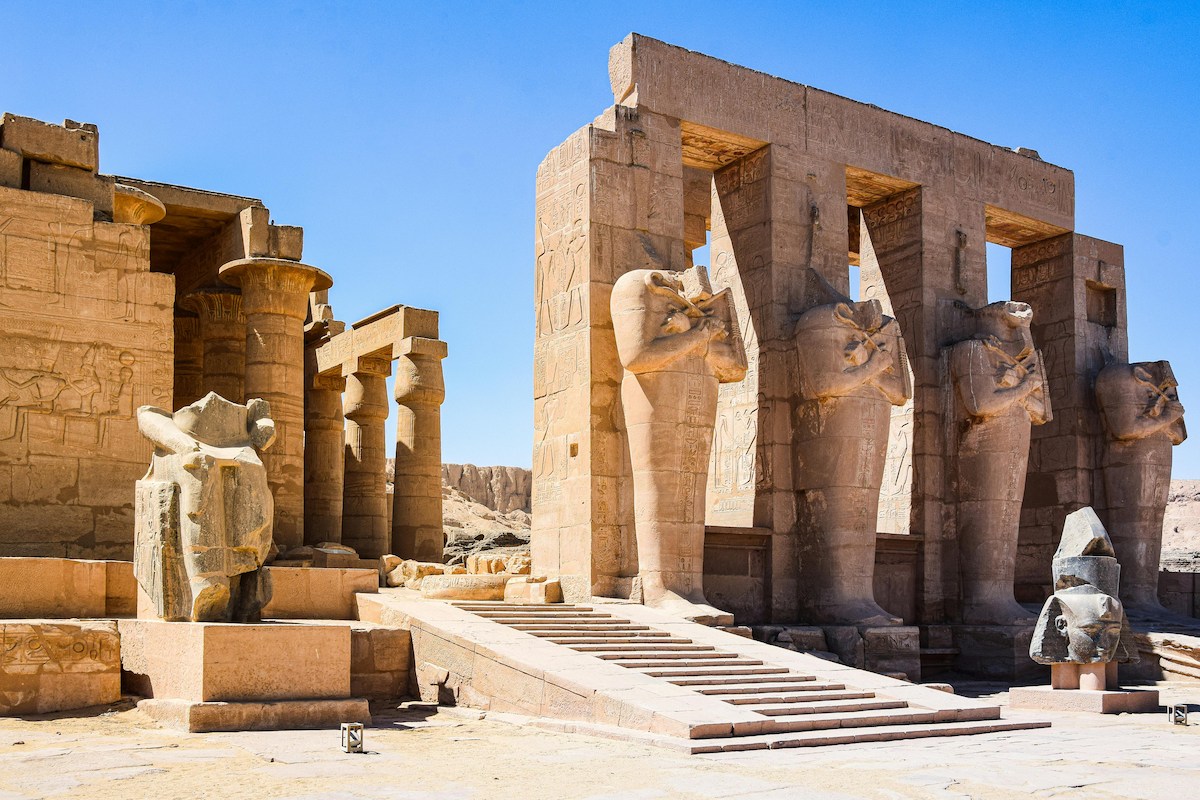
Ramesseum (Mortuary Temple of Ramesses II)
The fallen colossus of Ramesses II—inspiration for Shelley's "Ozymandias"—lies shattered among temple ruins that once rivaled Karnak. Massive pylons, headless statues, and columns covered in hieroglyphs reveal this pharaoh's megalomaniacal ambitions. The atmospheric ruins whisper of empires that crumble despite rulers' eternal dreams.
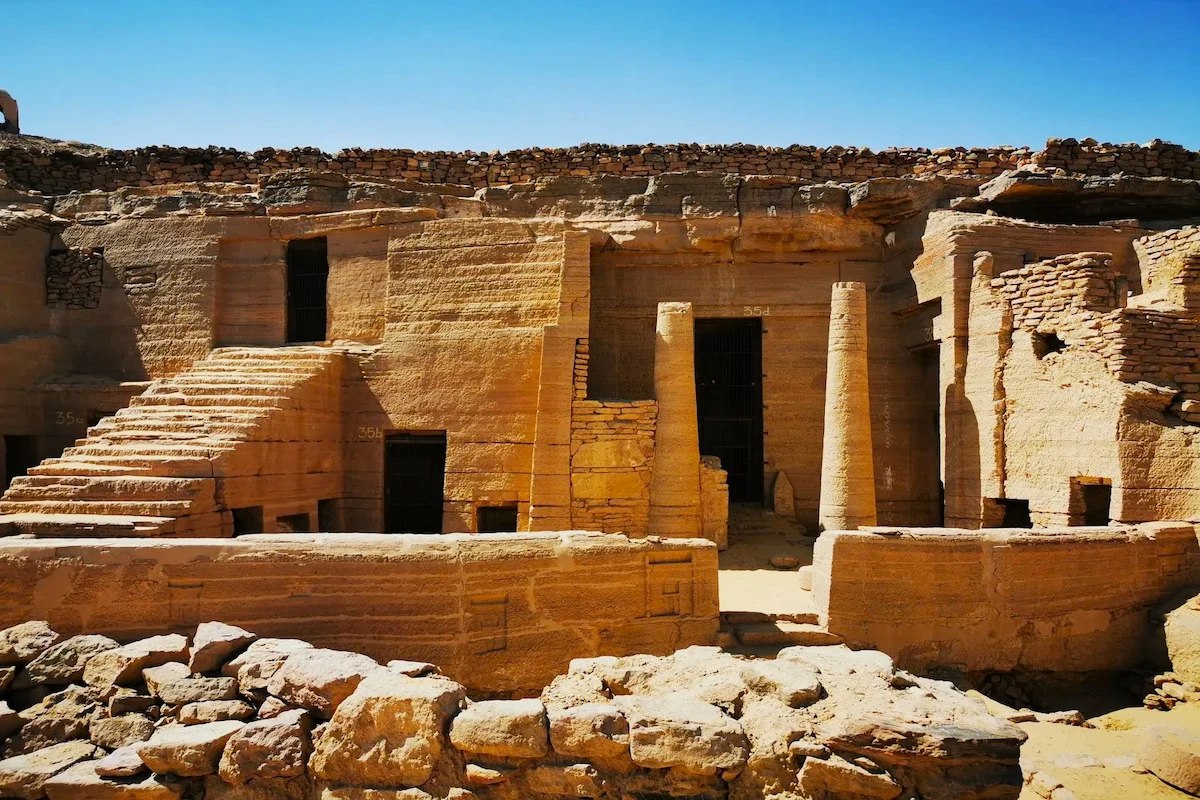
Tombs of the Nobles
While pharaohs get the fame, nobles' tombs reveal vivid daily life in ancient Egypt. These smaller, intimately decorated burial chambers showcase hunting scenes, banquets, farming, and family life painted in brilliant detail. Less crowded than royal tombs, they offer authentic glimpses into how ancient Egyptians actually lived and loved.
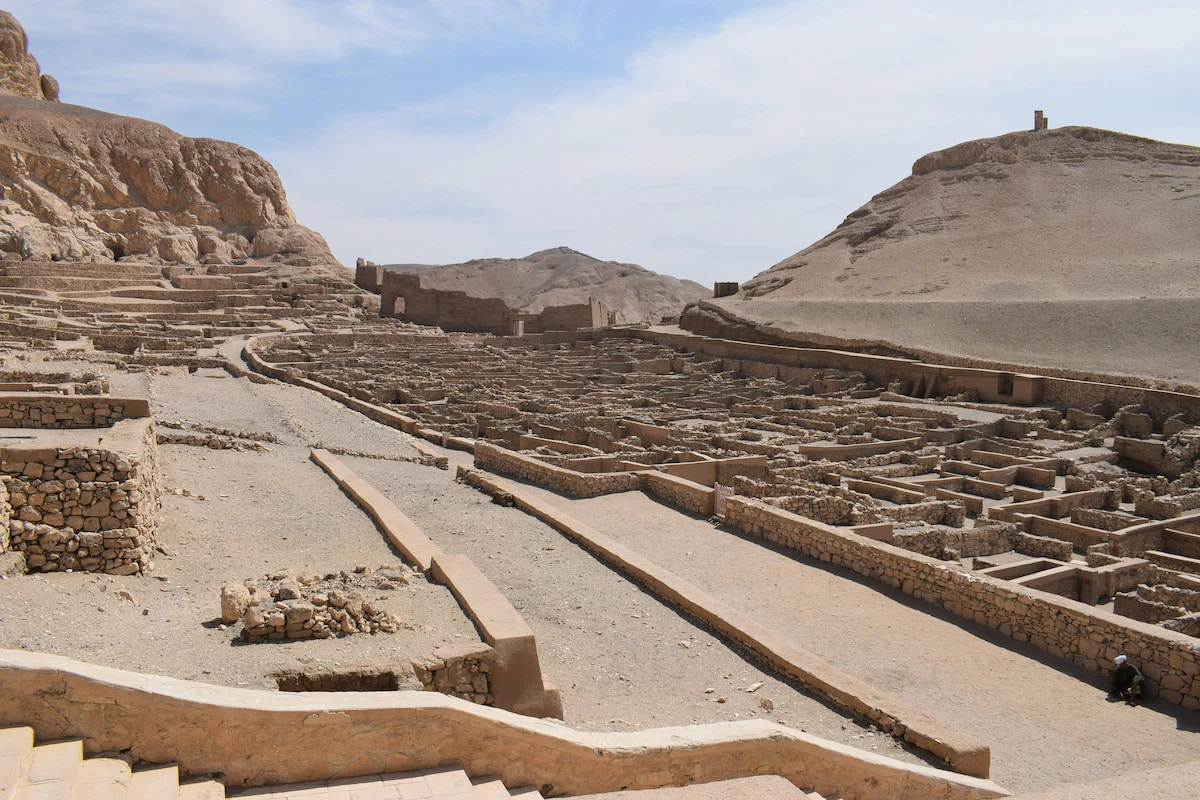
Deir el-Medina (Workers' Village)
Explore the remarkably preserved village where artisans who built the Valley of the Kings lived for generations. Small houses, workers' tombs with stunning paintings, and a temple to Hathor reveal daily life 3,000 years ago. This archaeological treasure humanizes ancient Egypt beyond pharaonic grandeur—showing the real people behind monuments.
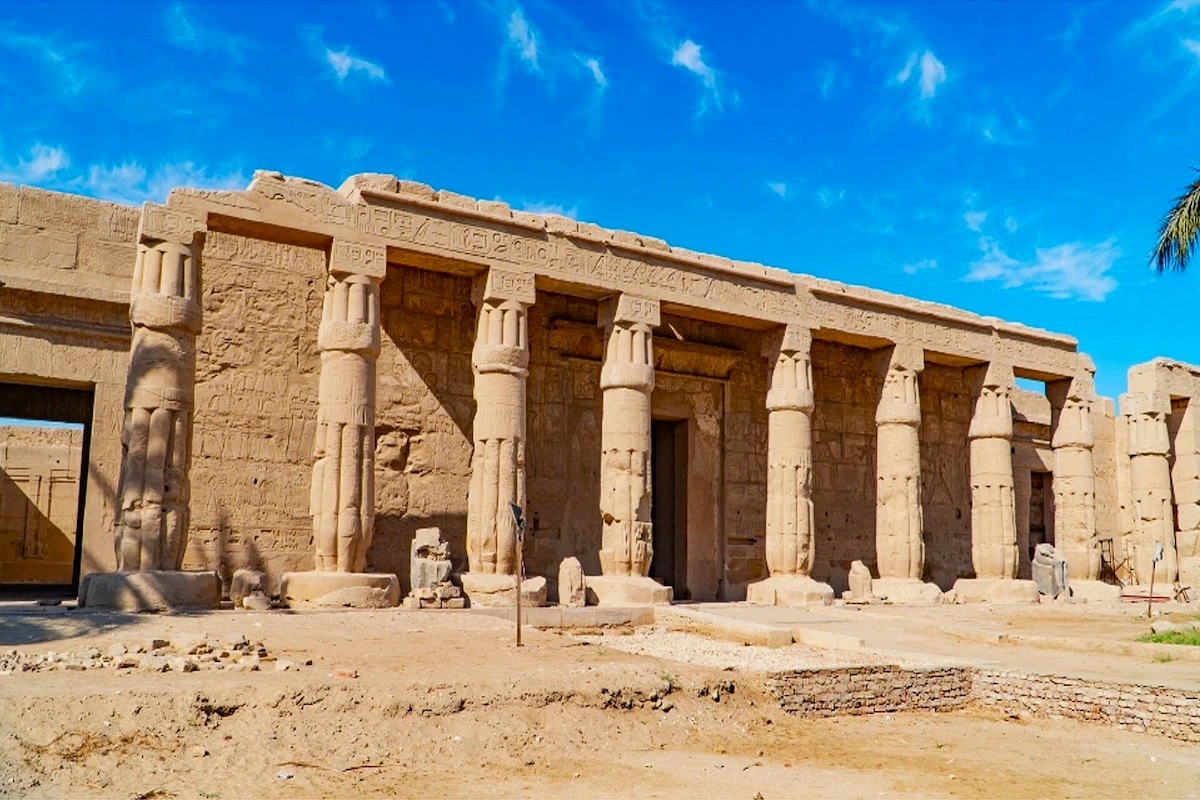
Temple of Seti I
This beautifully preserved temple in Qurna showcases some of Luxor's finest relief work and original colors. Built by Seti I and completed by his son Ramesses II, it features seven sanctuaries dedicated to different gods. The astronomical ceiling and delicate carvings make this lesser-visited gem worth the journey beyond main tourist routes.
Ready to Explore LUXOR?
Let our specialists create a bespoke itinerary that captures the magic of this extraordinary destination.