Luxor

    Luxor

    Egypt's Ancient Capital — The World's Greatest Open-Air Museum

    Best Time to Visit

    October to March

    Region

    Upper Egypt

    Recommended Duration

    4-6 days

    Difficulty

    Easy

    Discover Luxor

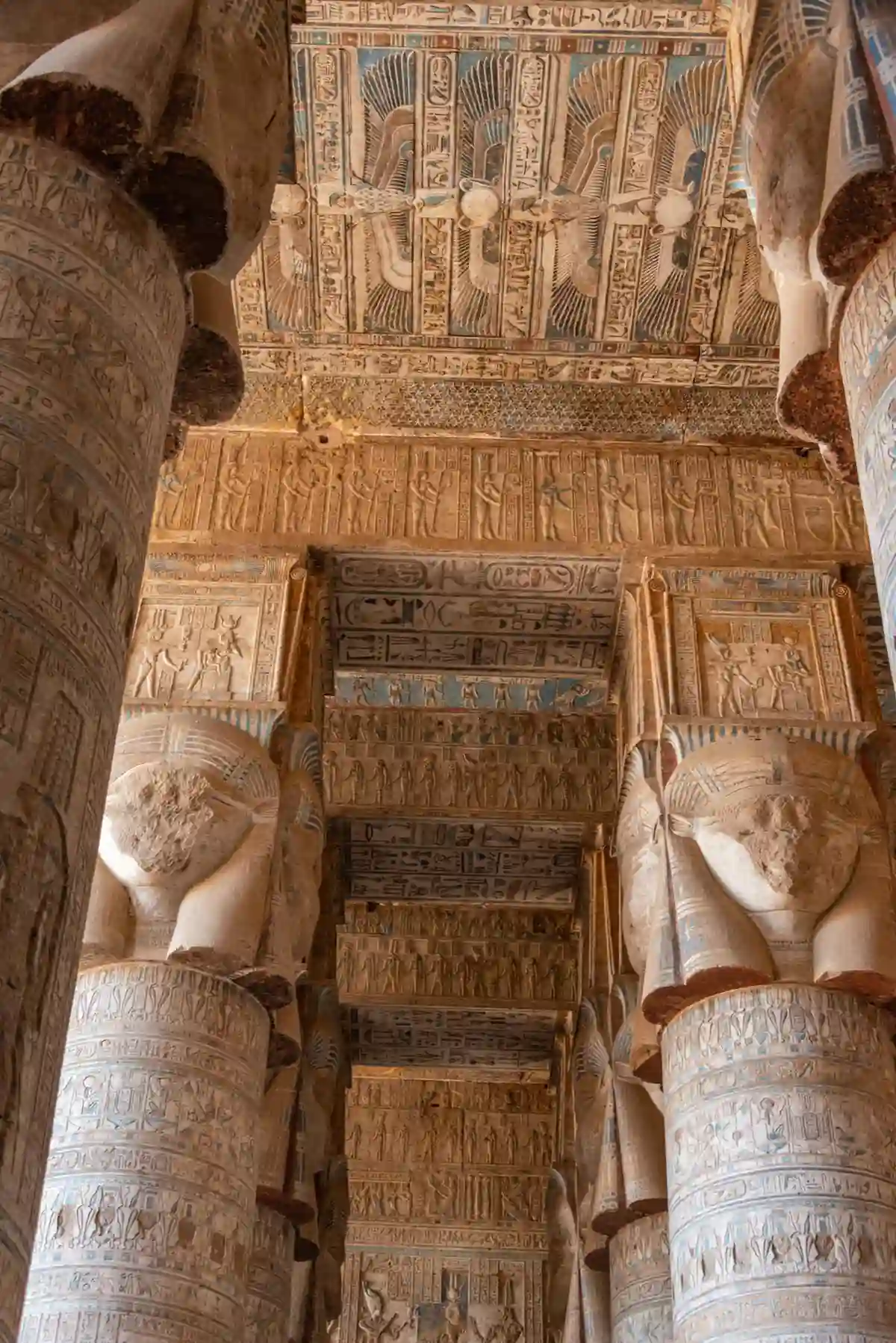
    Luxor is the most extraordinary ancient city on Earth — built on the site of Thebes, capital of Egypt's New Kingdom and the most powerful city in the ancient world for over 500 years. On the east bank, Karnak's Great Hypostyle Hall and Luxor Temple dominate the city in overwhelming grandeur. Cross the Nile and ancient Thebes reveals its full scale: the Valley of the Kings, Hatshepsut's breathtaking mortuary temple, Medinet Habu, the Ramesseum, and the painted Tombs of the Nobles. Beyond the monuments, Luxor is a living Nile city — where a sunrise hot air balloon reveals the entire ancient landscape at once, and a sunset felucca turns the river to liquid gold.

    Luxor Highlights

    Explore the treasures that make Luxor one of Egypt's most captivating destinations.

    Karnak Temple Complex

    Karnak Temple Complex

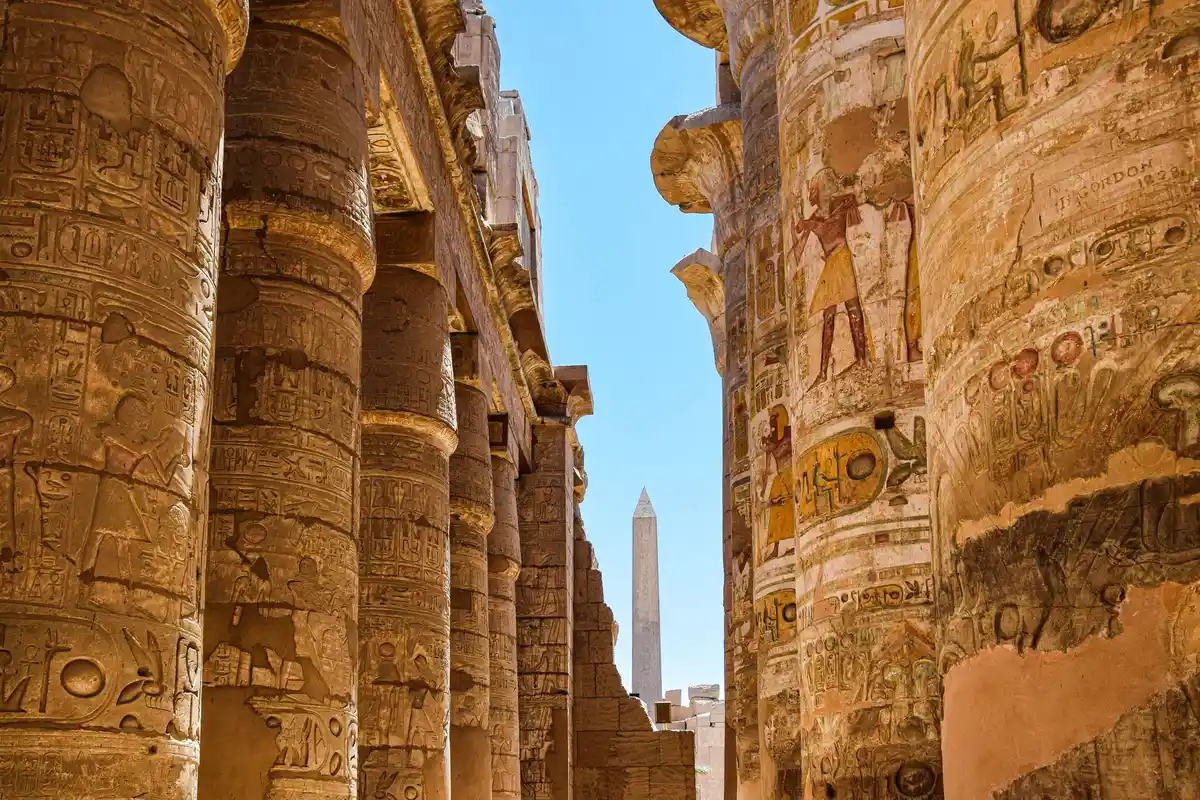
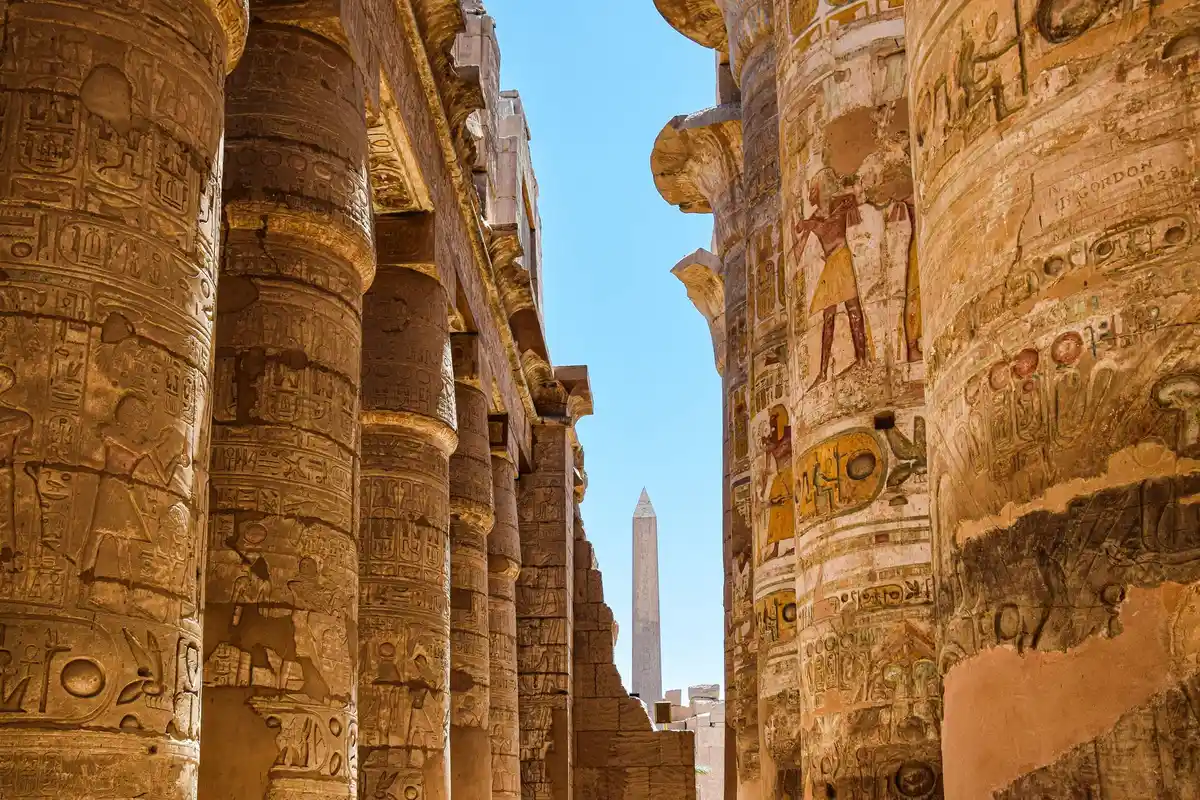
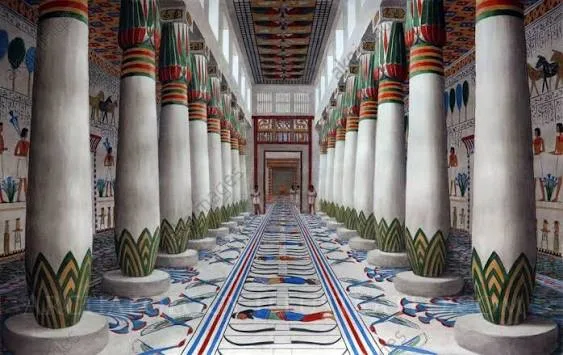
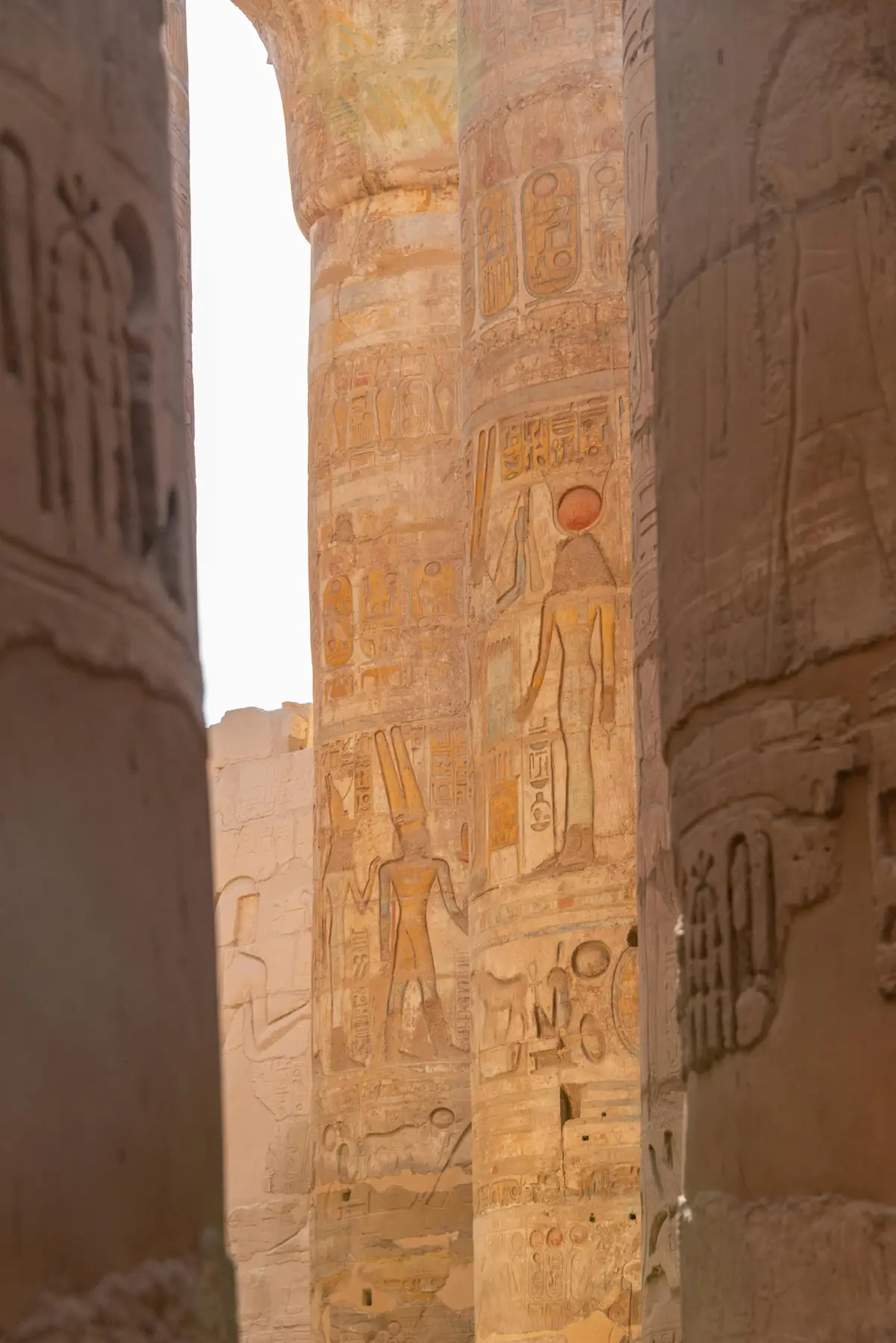
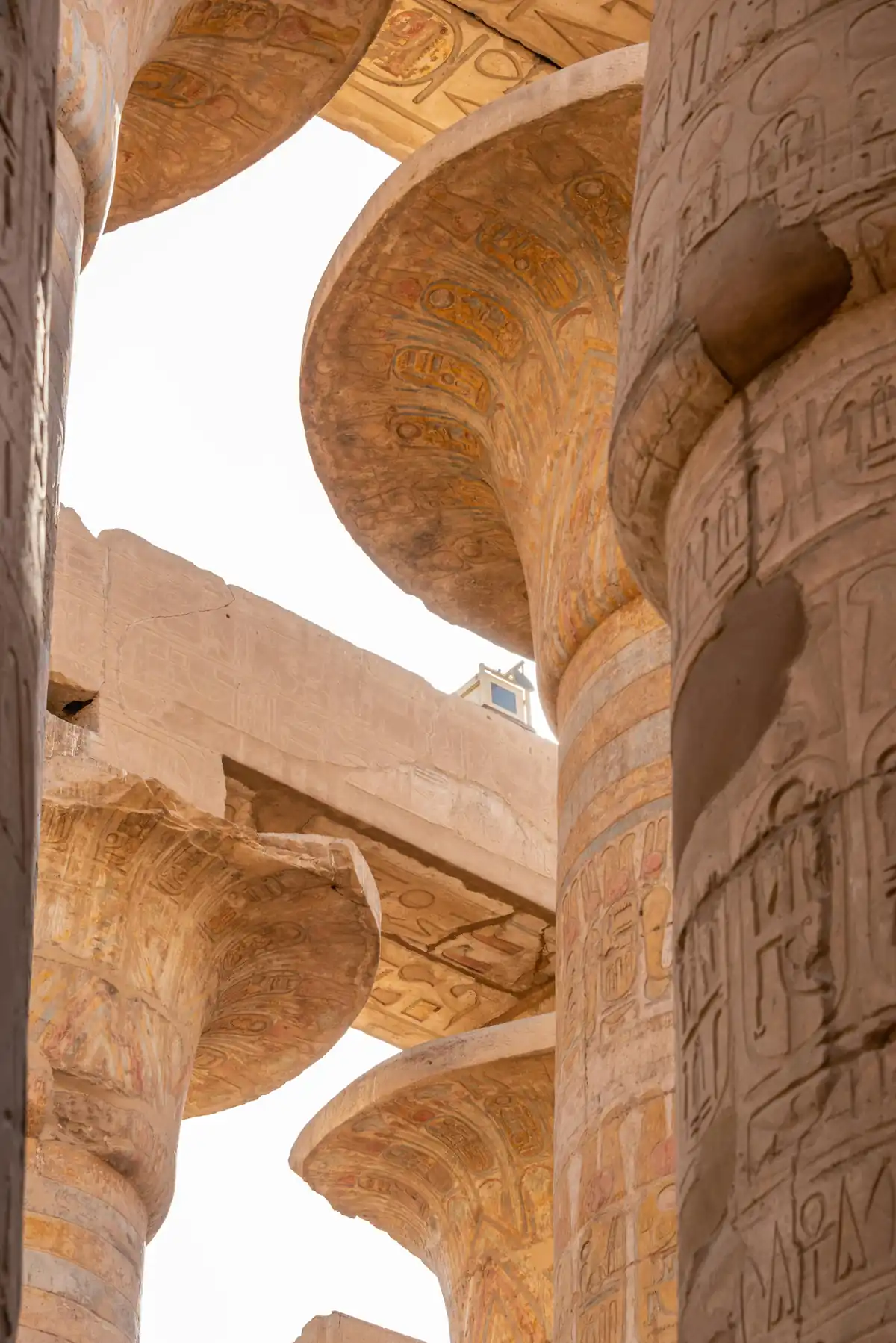
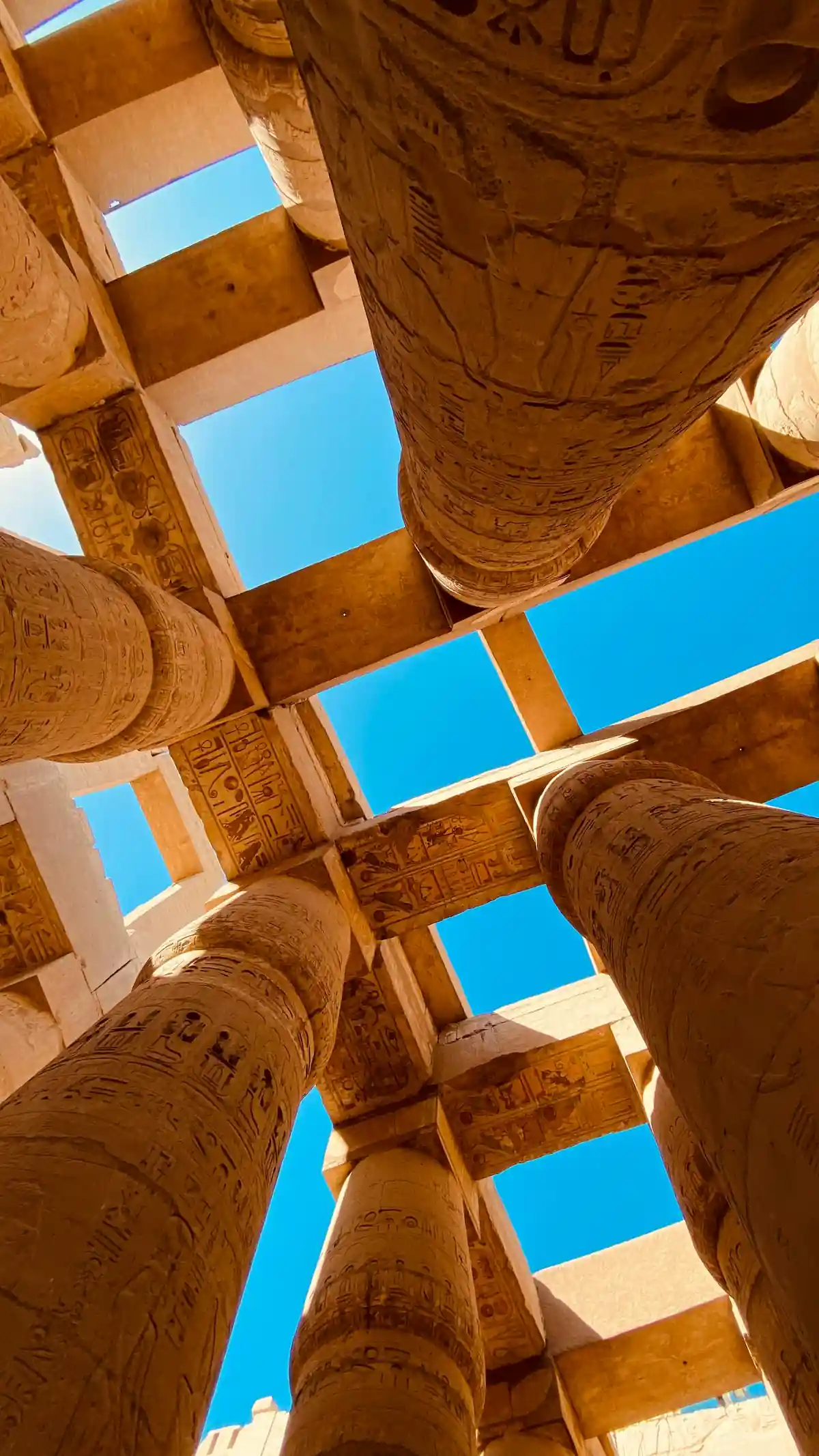
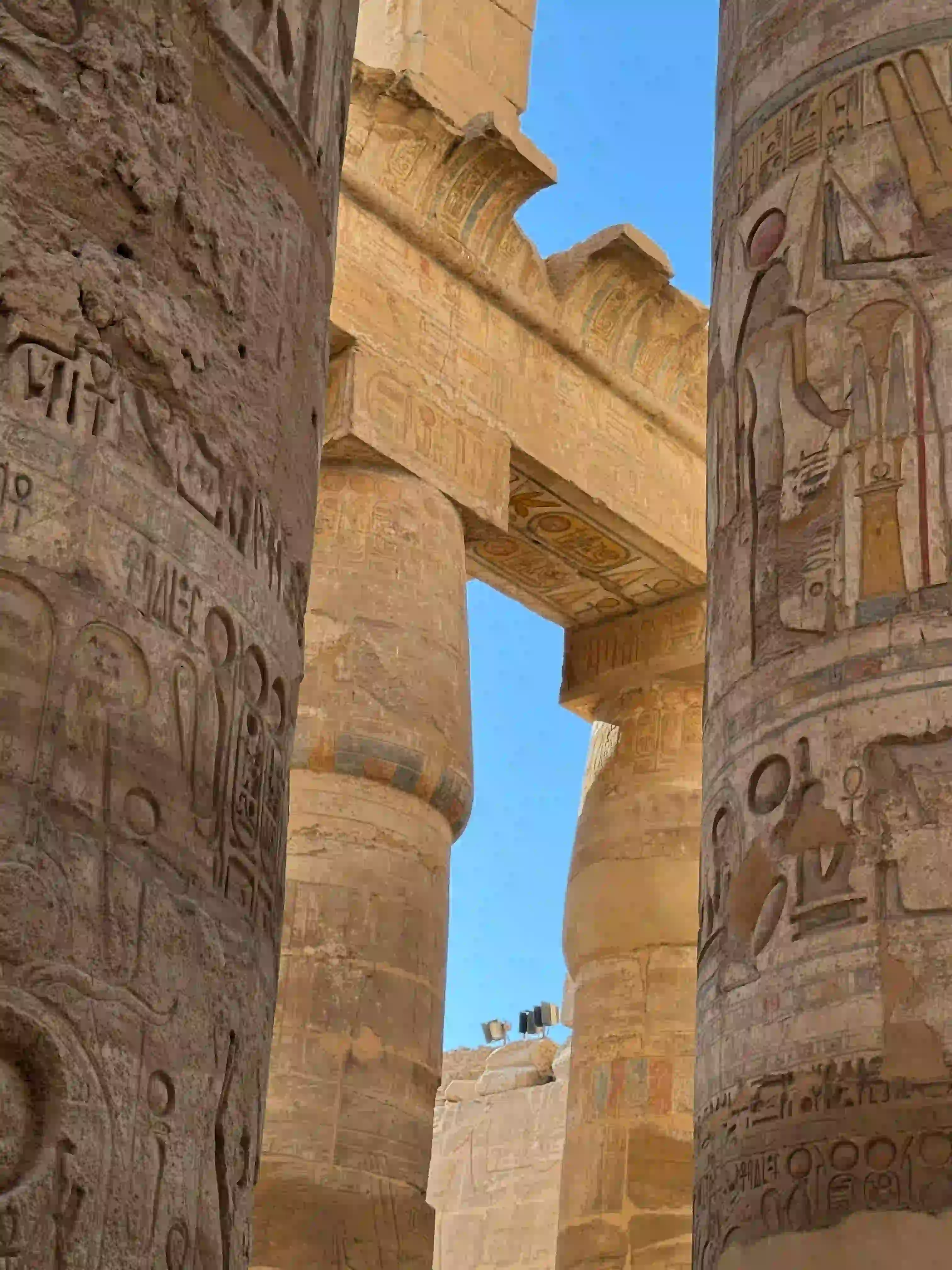
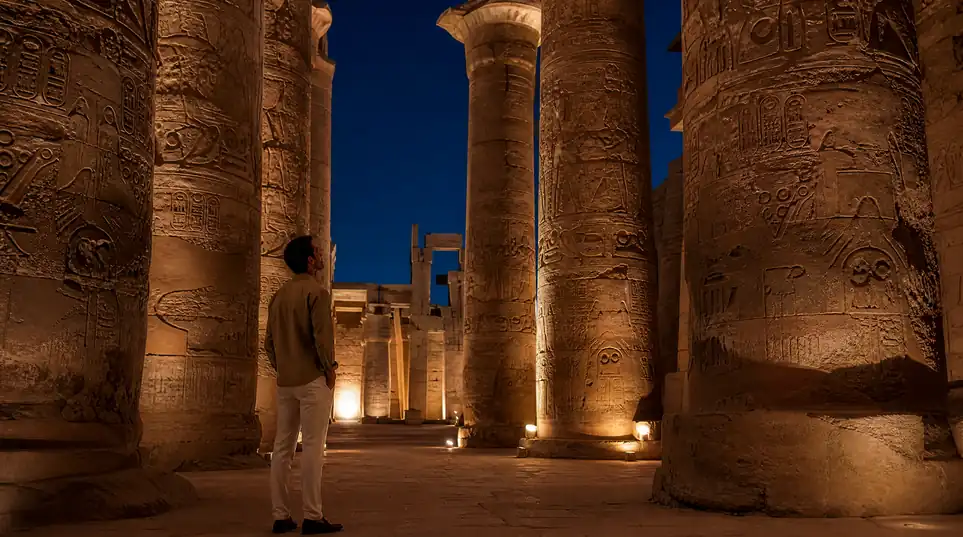
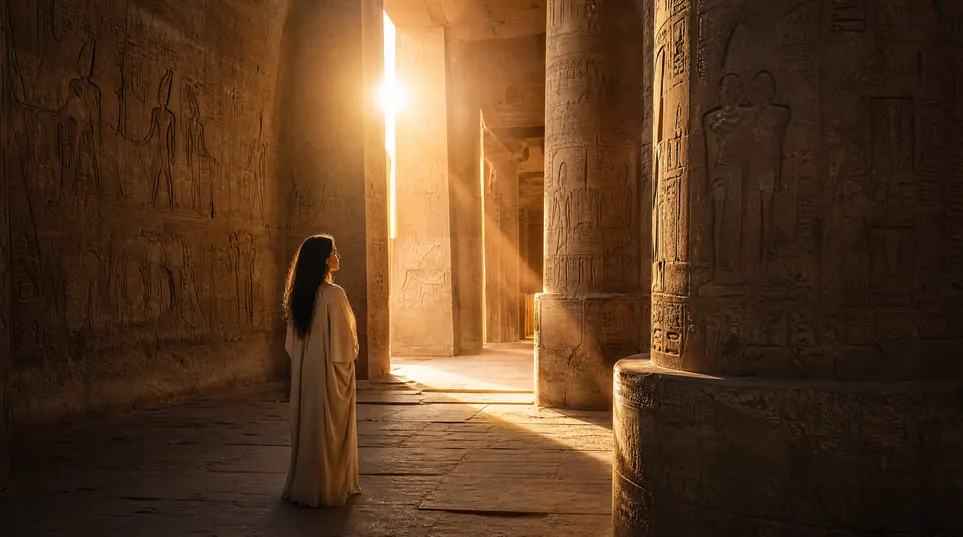
    Karnak is not a temple — it is a world. The largest religious complex ever built, representing 2,000 years of continuous construction by over 30 pharaohs. Its Great Hypostyle Hall — 134 colossal columns rising 23 meters, carved floor to ceiling with hieroglyphic reliefs — is one of the most overwhelming architectural experiences on Earth. The Sacred Lake, towering obelisks, and Avenue of Sphinxes complete a sacred city so vast that Notre Dame Cathedral fits comfortably inside the hypostyle hall alone.

    Luxor Temple

    Luxor Temple

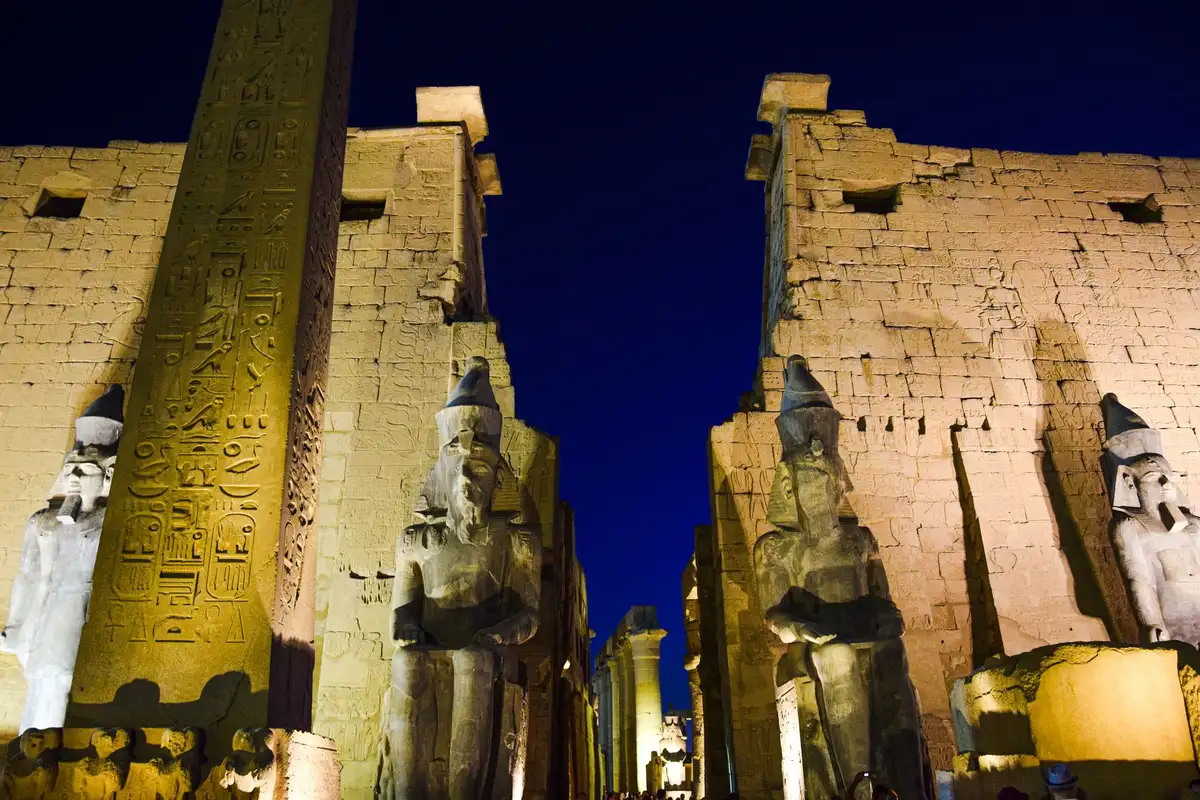
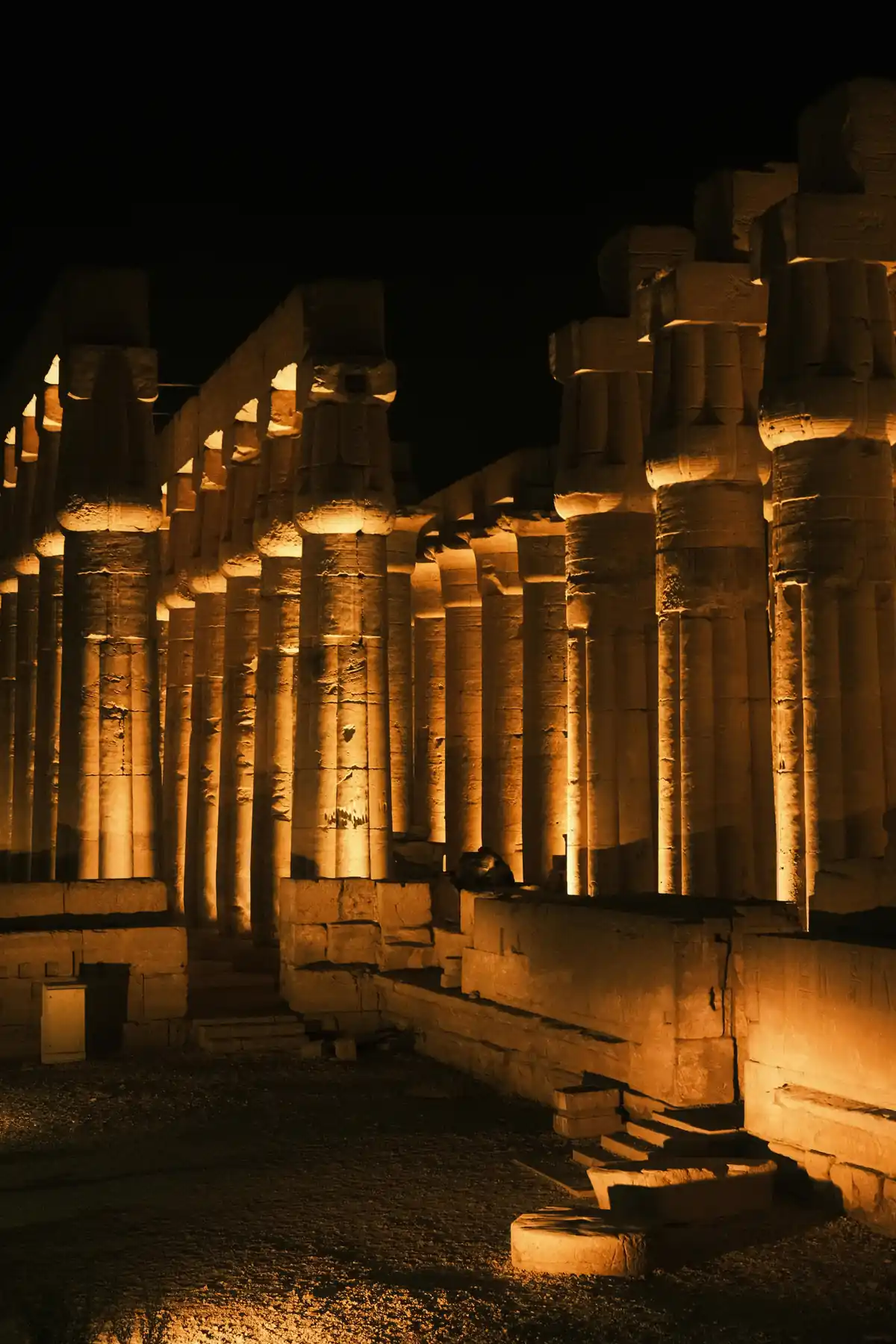
    Standing in the heart of modern Luxor, flanked by a soaring obelisk and colossi of Ramesses II, Luxor Temple has been a place of worship for over 3,400 years without interruption. Built by Amenhotep III and Ramesses II, it was the focal point of the great Opet Festival. Uniquely atmospheric among Egypt's monuments, its walls reveal layers of history — pharaonic reliefs, a Roman shrine, a Coptic church, and a medieval mosque — all embedded within the living city. At night, floodlit against a velvet sky, it is unforgettable.

    Luxor Museum

    Luxor Museum

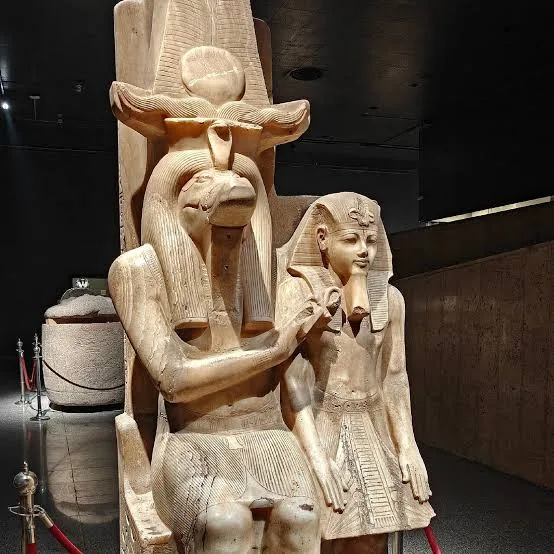
    idely regarded as the finest museum in Egypt, the Luxor Museum presents its extraordinary collection with a level of curatorial care that puts larger institutions to shame. Highlights include a magnificent alabaster statue of Amenhotep III, a remarkable cache of statuary discovered hidden within Luxor Temple in 1989, and two royal mummies — Ahmose I and Ramesses I. For travelers who want to understand the people behind Luxor's vast temple complexes, this intimate, beautifully lit museum is essential.

    Mummification Museum

    Mummification Museum

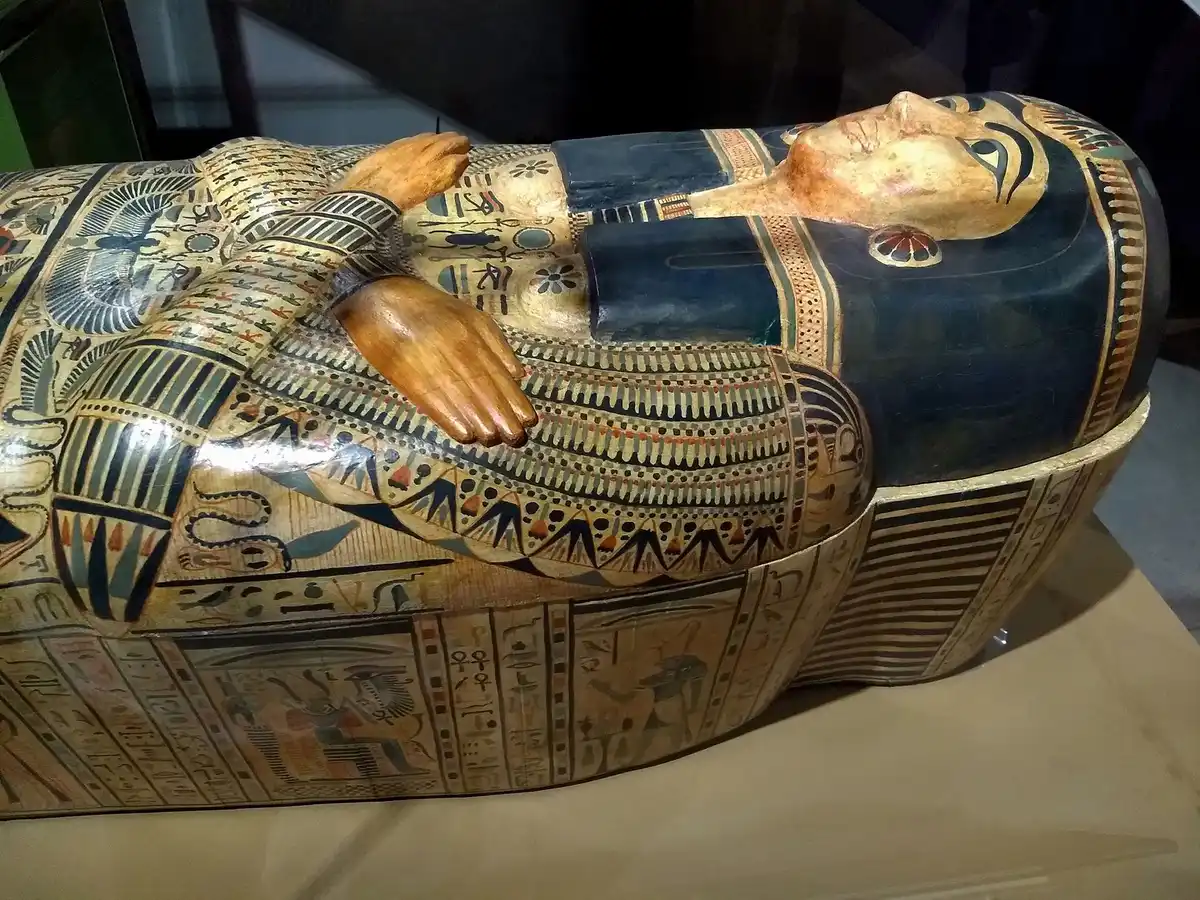
    Located on Luxor's Nile Corniche, the Mummification Museum is one of Egypt's most fascinating specialized collections — dedicated entirely to the ancient art and science of mummification. Exhibits guide visitors through the complete process with remarkable clarity, including the tools, materials, and religious beliefs behind one of history's most extraordinary practices. Beautifully preserved animal mummies — ibises, cats, crocodiles, and rams — illuminate Egypt's profound tradition of sacred animal worship. A genuinely rewarding experience for travelers of all ages.

    Mortuary Temple of Hatshepsut (Deir el-Bahari)

    Mortuary Temple of Hatshepsut (Deir el-Bahari)

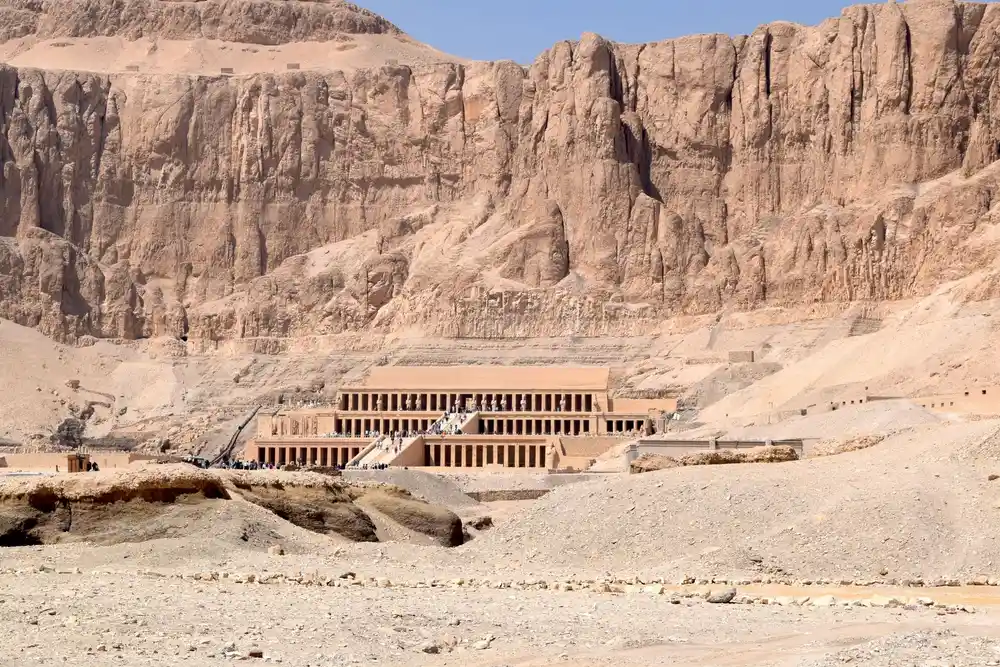
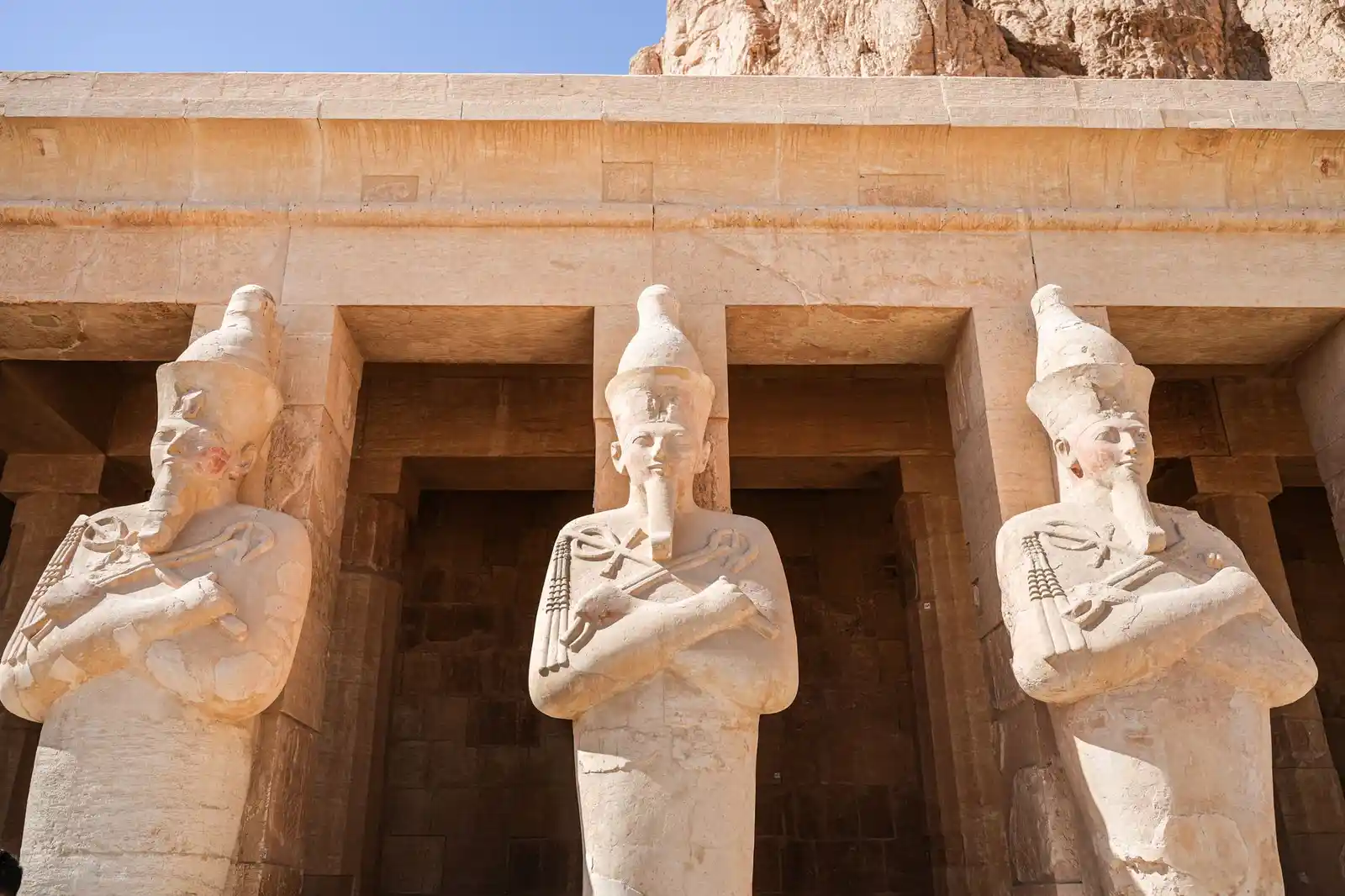
    Rising in three magnificent colonnaded terraces directly from the base of the golden Theban cliffs, Hatshepsut's mortuary temple at Deir el-Bahari is one of the most architecturally daring monuments of the ancient world. Built by Egypt's greatest female pharaoh, its vivid painted reliefs — including the famous expedition to the Land of Punt — are among the finest surviving examples of New Kingdom art. The cliff-backed desert setting, reached by a long causeway, creates one of the most dramatic architectural approaches in all of Egypt.

    Ramesseum (Temple of Ramesses II)

    Ramesseum (Temple of Ramesses II)

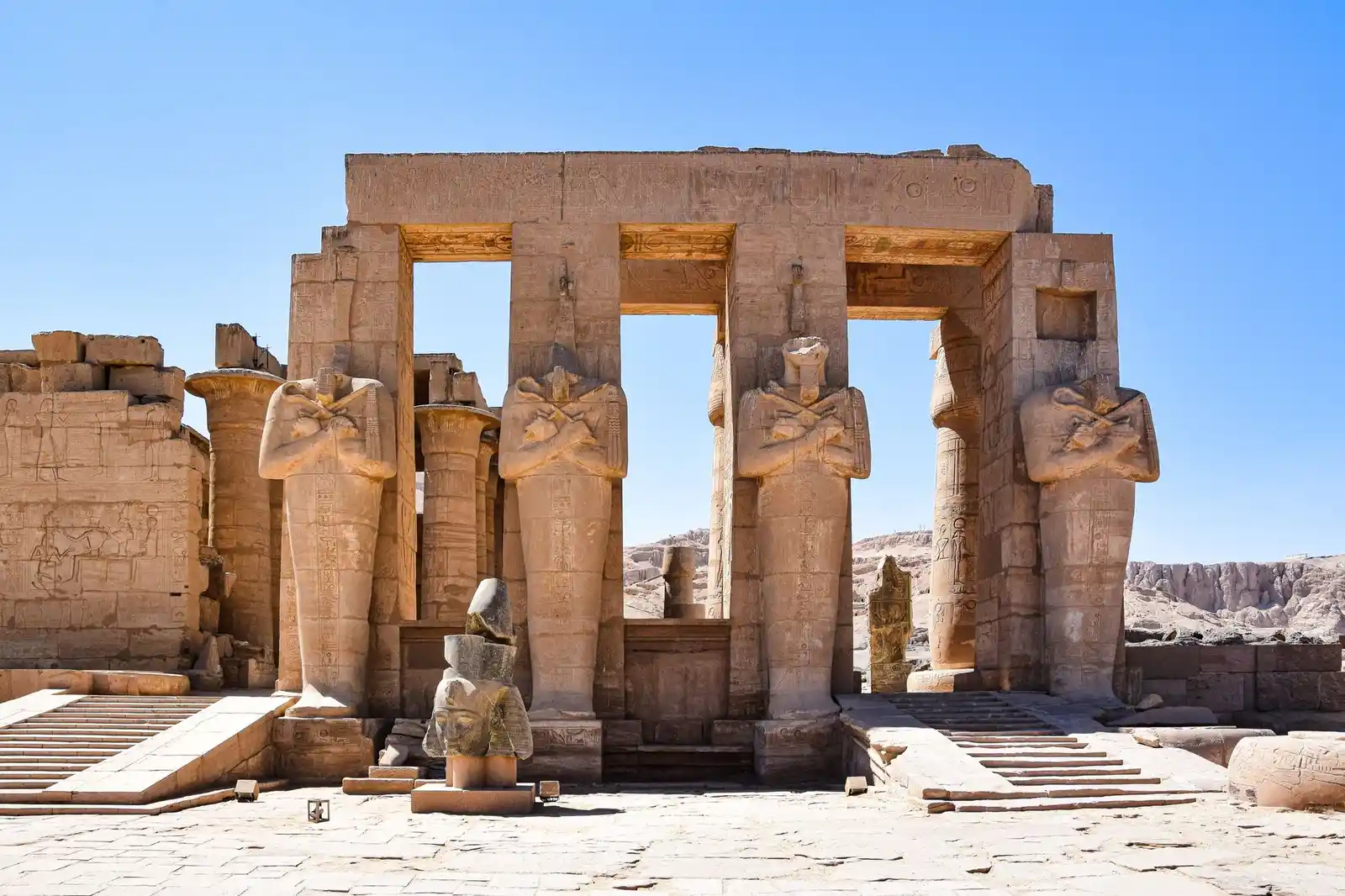
    The mortuary temple of Ramesses II on Luxor's west bank is one of ancient Egypt's most hauntingly beautiful ruins — immortalized by Shelley's poem Ozymandias, inspired by its colossal fallen statue lying shattered across the courtyard, face upward to the desert sky. Beyond its literary fame, the Ramesseum's surviving walls carry some of the finest military reliefs in ancient Egyptian art, including vivid scenes of the Battle of Kadesh. For travelers with a love of beautiful ruins and deeper historical resonance, it is deeply rewarding.

    Medinet Habu (Temple of Ramesses III)

    Medinet Habu (Temple of Ramesses III)

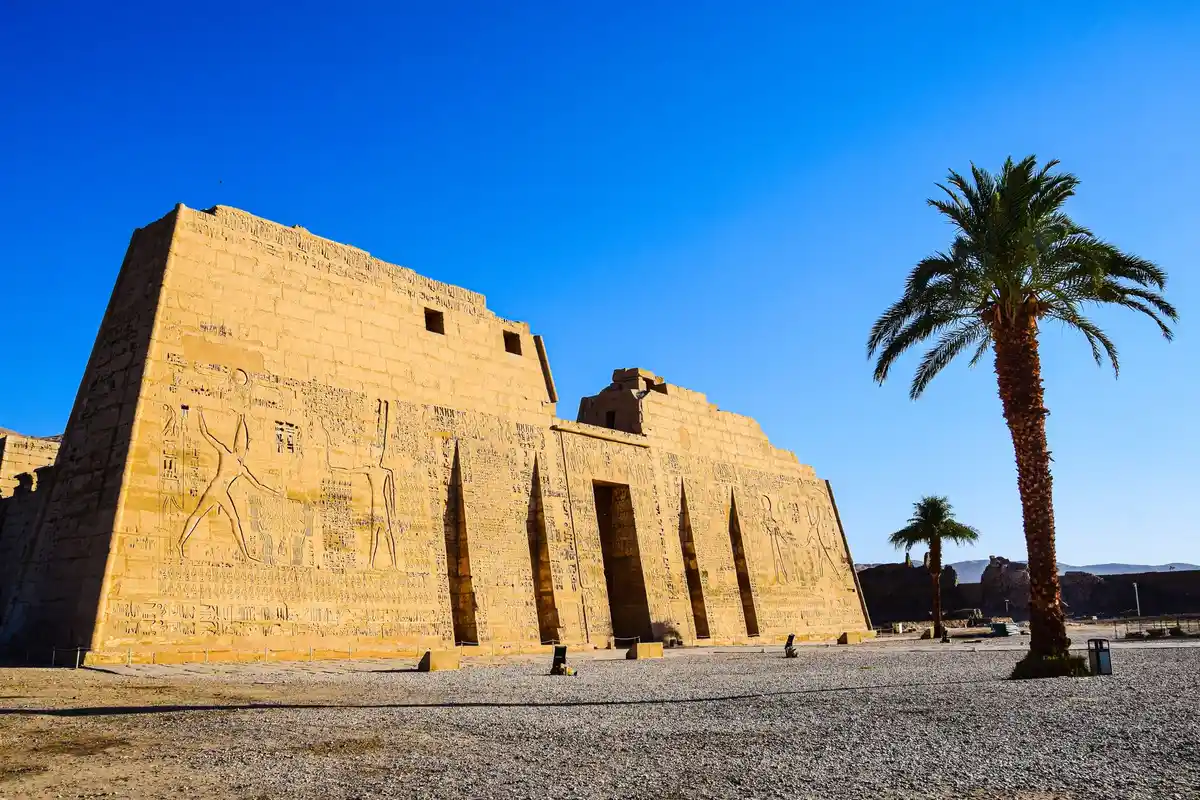
    Medinet Habu is one of the best-preserved and most undervisited great temples of ancient Egypt — a vast mortuary complex of Ramesses III whose extraordinary painted reliefs, unique Migdol fortress entrance, and remarkable state of preservation make it Luxor's finest secret. Its outer walls carry breathtaking scenes of Ramesses III's campaigns against the Sea Peoples, one of the ancient world's most dramatic military events. The surrounding sacred precinct — with priests' quarters and a sacred lake — gives Medinet Habu the atmosphere of a complete ancient city.

    Colossi of Memnon

    Colossi of Memnon

    Two colossal seated statues of Amenhotep III — each rising 18 meters above the Theban plain — are among Egypt's most immediately arresting monuments. Originally guardians of the largest temple complex in Egypt, now almost entirely destroyed, they have stood for over 3,300 years witnessing the rise and fall of empires. In antiquity, the northern statue emitted a musical tone at dawn that drew travelers from across the Mediterranean. Today their sheer scale and solitary presence on the open plain communicate everything about the civilization that created them.

    Valley of the Kings

    Valley of the Kings

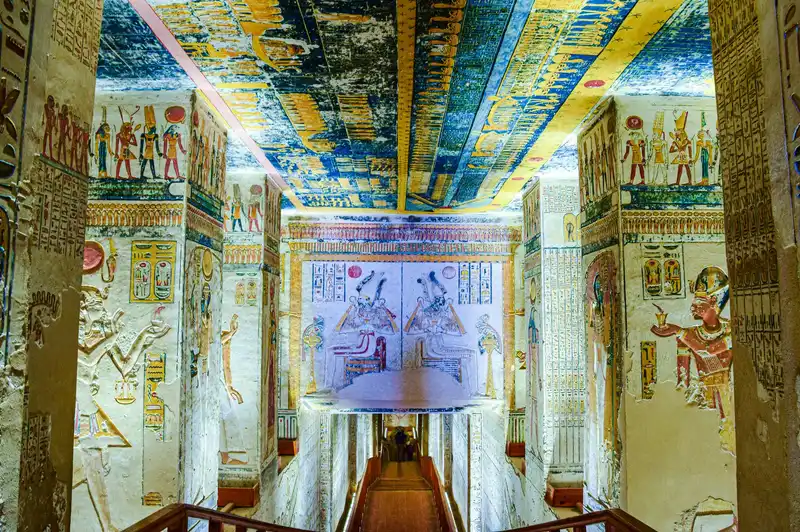
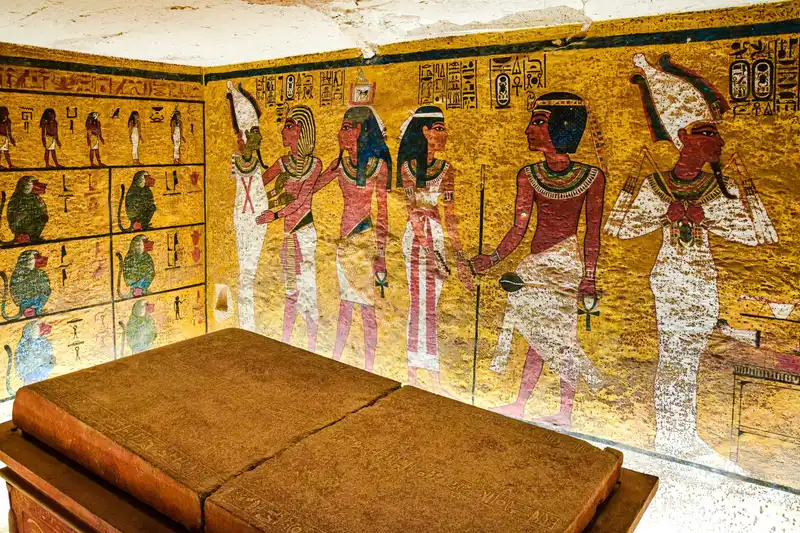
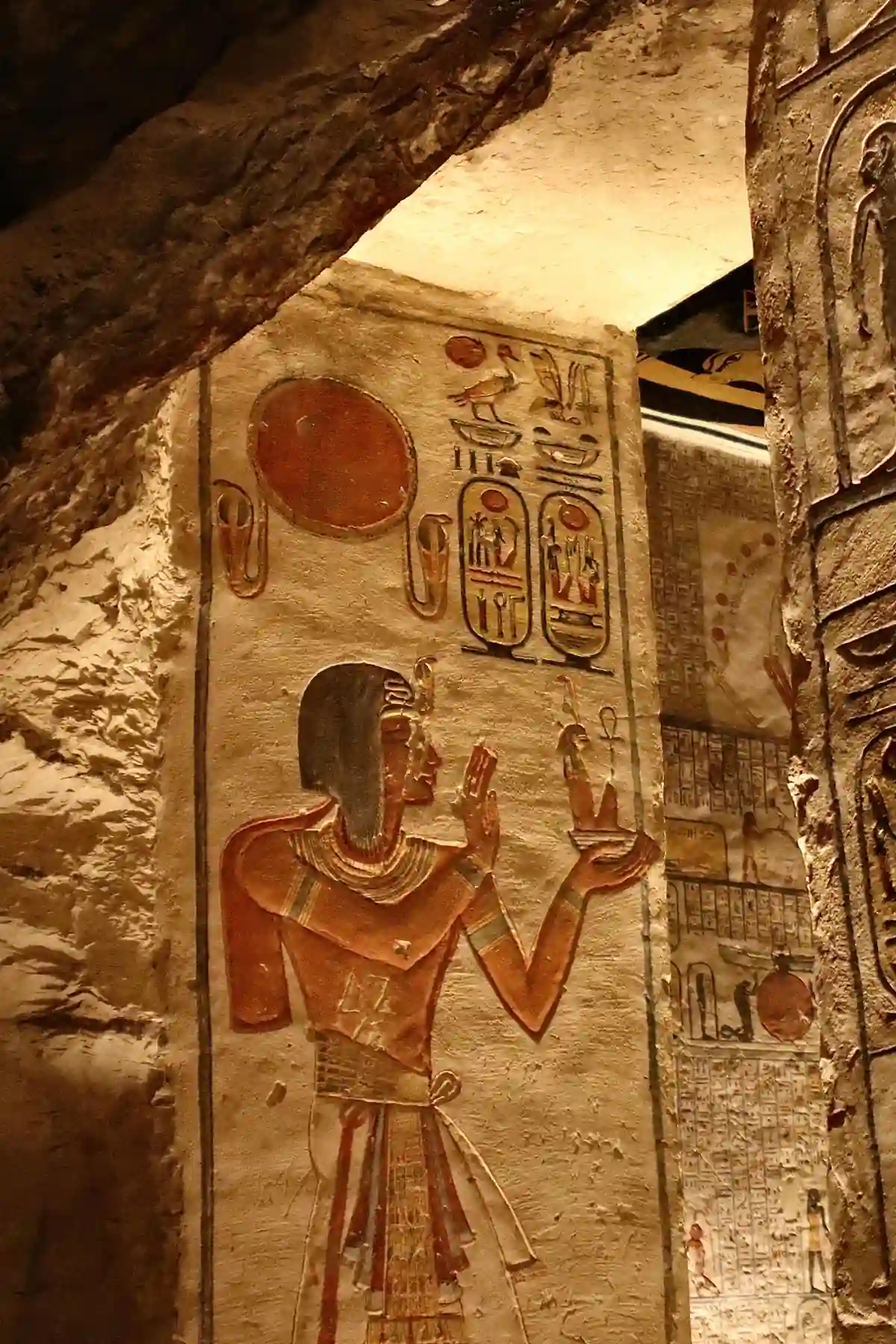
    The Valley of the Kings is the most famous burial ground on Earth — a hidden desert valley where Egypt's greatest pharaohs were laid to rest in rock-cut tombs of extraordinary beauty for over 500 years. Sixty-three tombs have been discovered, from simple chambers to the breathtaking multi-corridor tomb of Seti I. On November 4th, 1922, Howard Carter broke into Tutankhamun's intact burial chamber and saw what no human eyes had seen for 3,000 years. Standing in the valley today is one of the most profound experiences travel anywhere can offer.

    Valley of the Queens

    Valley of the Queens

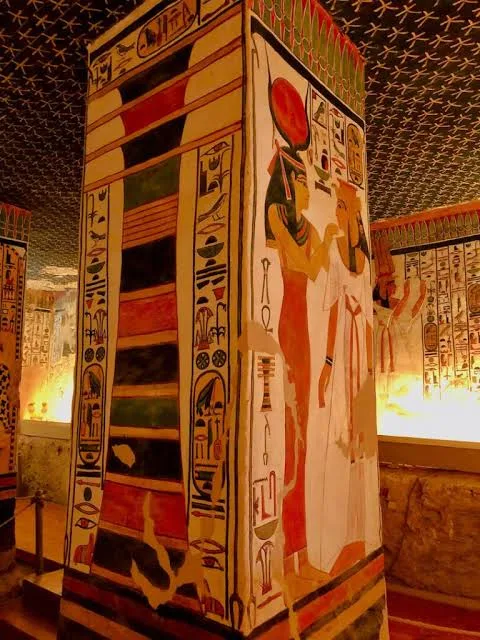
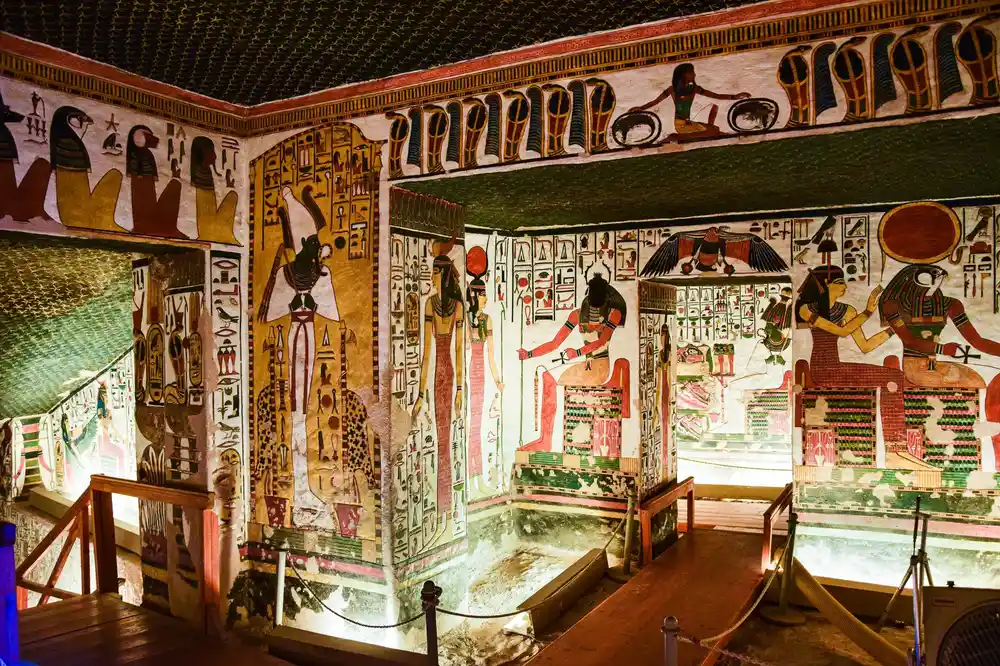
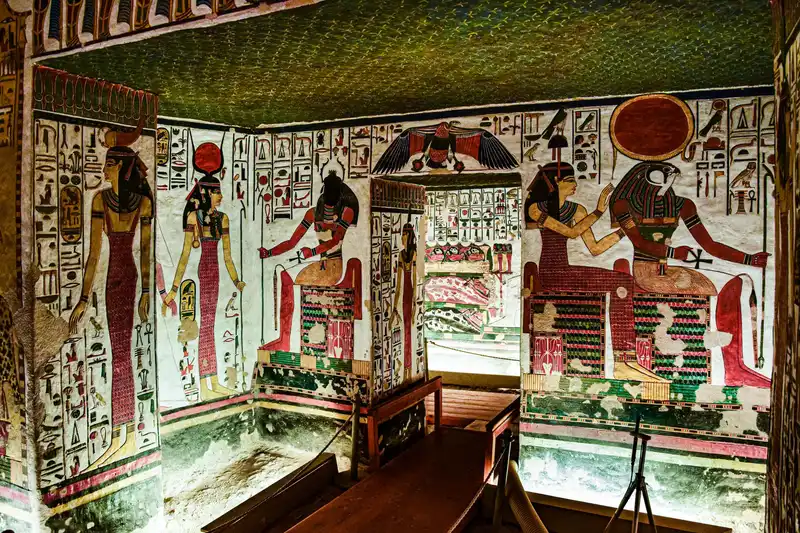
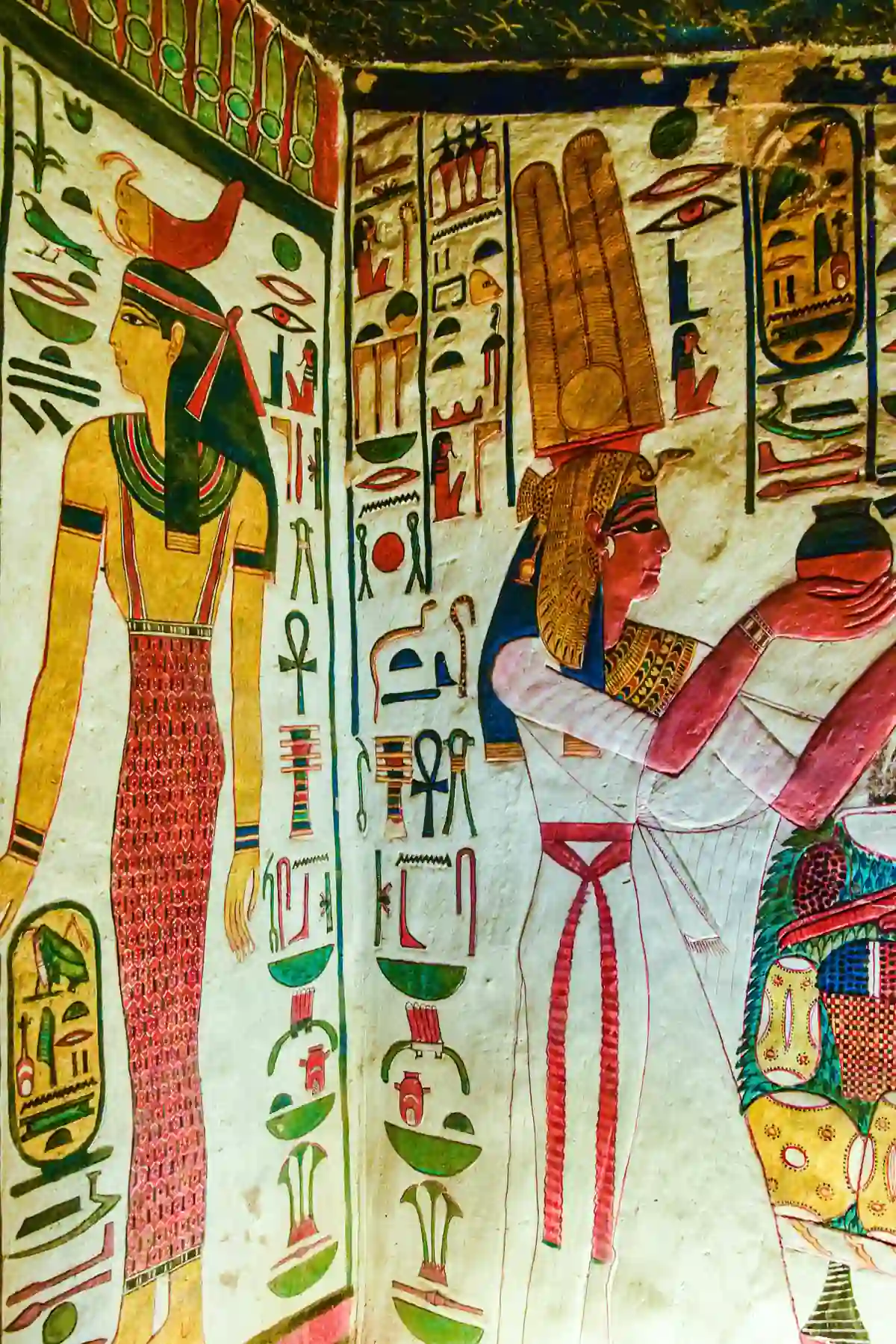
    Less visited than the Valley of the Kings but containing some of the most beautiful painted tomb interiors in Egypt, the Valley of the Queens was the burial place of royal consorts and princes of the New Kingdom. Its supreme treasure is the Tomb of Nefertari — wife of Ramesses II — whose paintings are widely regarded as the finest ancient Egyptian art in existence. Every surface glows with color surviving 3,200 years in the dry desert air. For travelers with a genuine appreciation of ancient art, no experience in Egypt surpasses it.

    Tombs of the Nobles

    Tombs of the Nobles

    Carved into the limestone hillsides of Sheikh Abd el-Qurna, the Tombs of the Nobles contain over 400 private tombs of officials and scribes who served the New Kingdom pharaohs. Where royal tombs show gods and the afterlife, the Nobles' Tombs show people — hunting, harvesting, feasting, and making music in vivid, joyful detail. The tombs of Nakht, Menna, and Ramose are individual masterpieces of intimate ancient art. One of Luxor's most richly rewarding and most underappreciated sites.

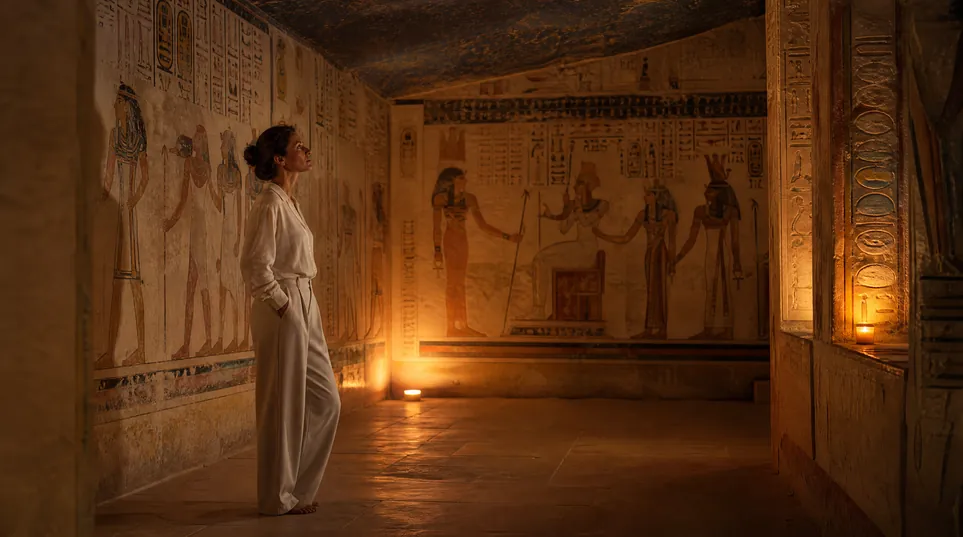
    Tomb of Nefertari

    Tomb of Nefertari

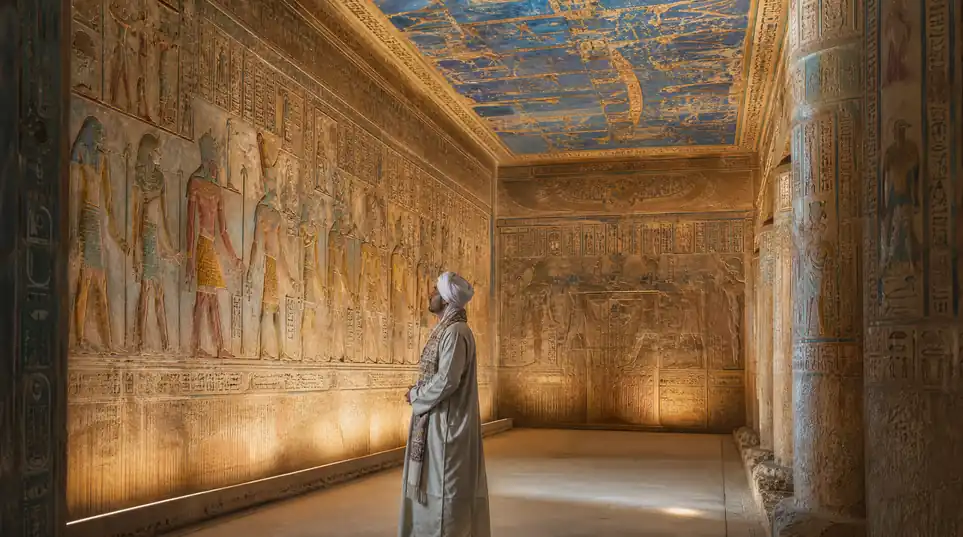
    The Tomb of Nefertari in the Valley of the Queens is the most beautiful painted interior in the ancient world — a burial chamber whose walls, columns, and ceilings glow with color that has survived 3,200 years in the desert air. Created for Ramesses II's most beloved queen, every surface depicts her moving serenely through the afterlife in paintings of breathtaking refinement and spiritual intensity. Access is limited and ticketing premium, but for travelers who encounter it, the Tomb of Nefertari is one of the defining experiences of a lifetime.

    Tomb of Tutankhamun

    Tomb of Tutankhamun

    The Tomb of Tutankhamun is the most famous archaeological discovery in history — the only substantially intact New Kingdom royal tomb ever found, its chambers packed with over 5,000 objects of extraordinary beauty. Howard Carter's discovery on November 4th, 1922 remains the greatest moment in archaeology — the candlelit glimpse into a chamber undisturbed for 3,000 years. Today Tutankhamun's mummy rests in its original sarcophagus in the tomb, while his treasures fill the Grand Egyptian Museum. No ancient site carries a more powerful charge of human drama.

    Howard Carter's House

    Howard Carter's House

    Tucked into the hillside near the Valley of the Kings, Howard Carter's beautifully restored mudbrick house — where he lived during the years of his excavations — is a small museum and memorial to one of history's most remarkable archaeological stories. Its simply furnished rooms, period photographs, and replicas of archaeological equipment bring to life the extraordinary human story behind the discovery of the century — the years of patient searching, the near-abandonments, and the ultimate breakthrough. An intimate, moving coda to the Valley of the Kings experience.

    Gurna Village

    Gurna Village

    The old village of Gurna on Luxor's west bank — built directly above the ancient Nobles' Tombs — is one of Egypt's most fascinating human landscapes, where the living and the dead coexisted in intimacy found nowhere else. Though much was relocated in the early 2000s, enough remains to convey a way of life developed over generations above one of the world's greatest archaeological sites. The painted mudbrick house facades, depicting Hajj journeys and Nile scenes in vivid folk art, are among the most visually striking examples of Egyptian vernacular art.

    West Bank Village Tour (by bicycle or donkey)

    West Bank Village Tour (by bicycle or donkey)

    Exploring Luxor's west bank by bicycle or donkey — following paths between ancient monuments, sugar cane fields, and desert cliffs — is one of the most pleasurable and authentic ways to experience the Theban necropolis. Away from tour buses, the west bank reveals itself as a living agricultural landscape of extraordinary beauty — farmers working in the shadow of the Colossi, the Nile glittering in the distance, golden cliffs rising above everything. A slow afternoon cycling between Medinet Habu and the Valley of the Nobles is travel experience that stays with a person for life.

    Hot Air Balloon over Luxor

    Hot Air Balloon over Luxor

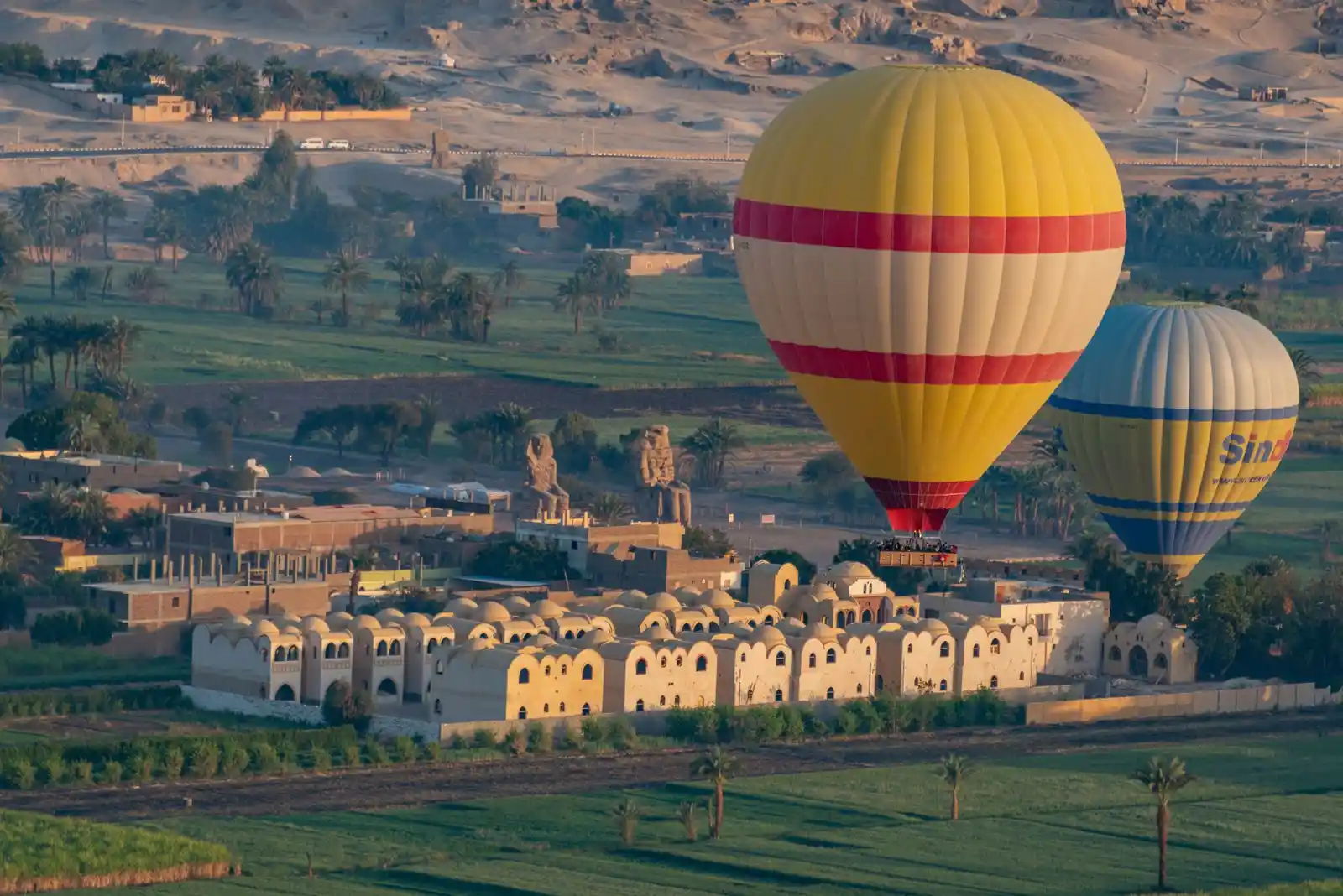
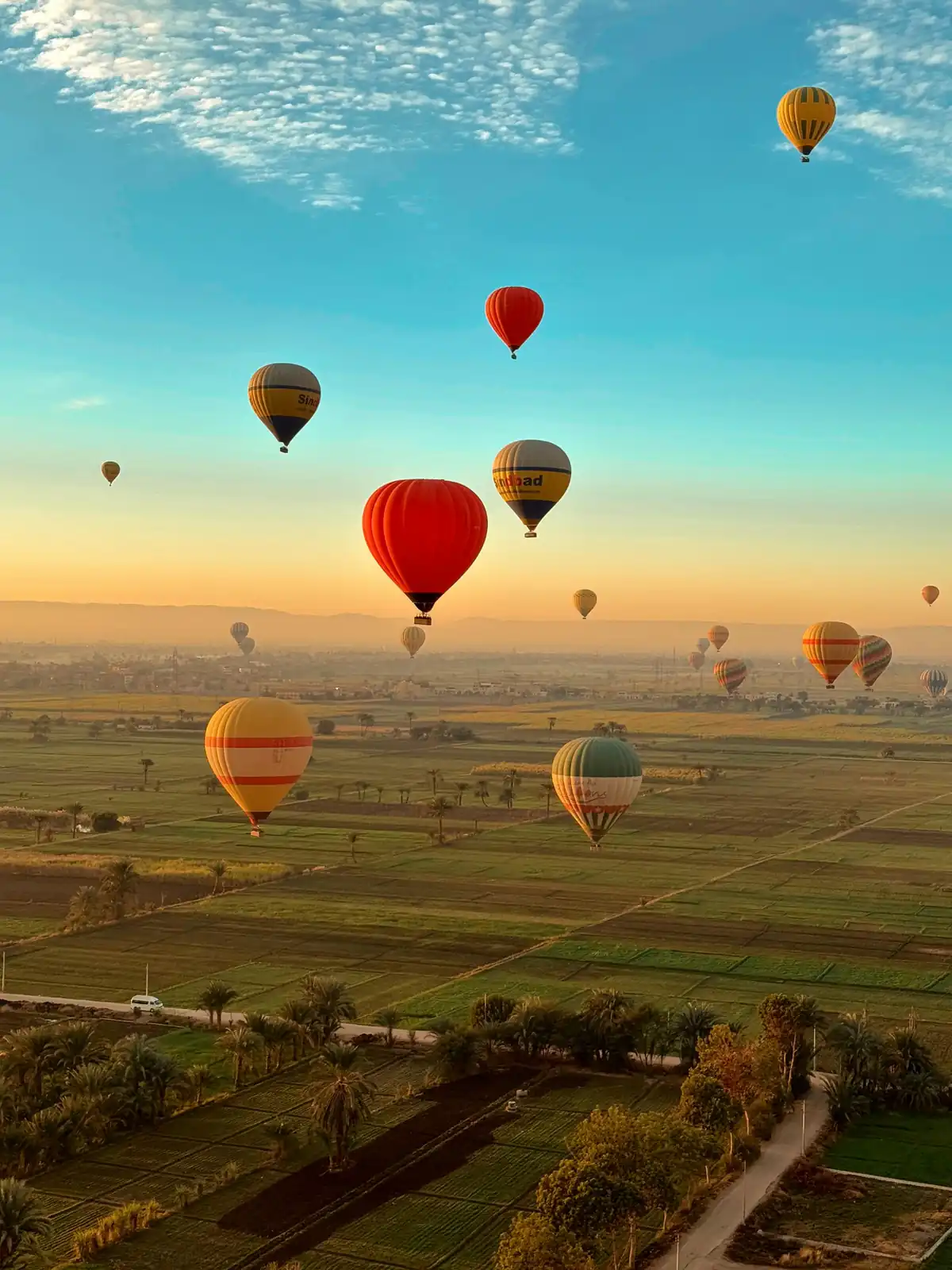
    A hot air balloon at sunrise over Luxor is one of the most extraordinary travel experiences available anywhere in the world — a silent ascent into the early morning sky above the greatest concentration of ancient monuments on Earth. From the basket, the entire geography of ancient Thebes becomes legible at once: Karnak and Luxor Temple on the east bank, the Valley of the Kings hidden within its enclosing cliffs, the Colossi casting long dawn shadows across the fields. For thirty minutes, suspended in silence above 3,000 years of history, the world feels more beautiful than at any other moment.

     Felucca Ride on the Nile at Luxor

    Felucca Ride on the Nile at Luxor

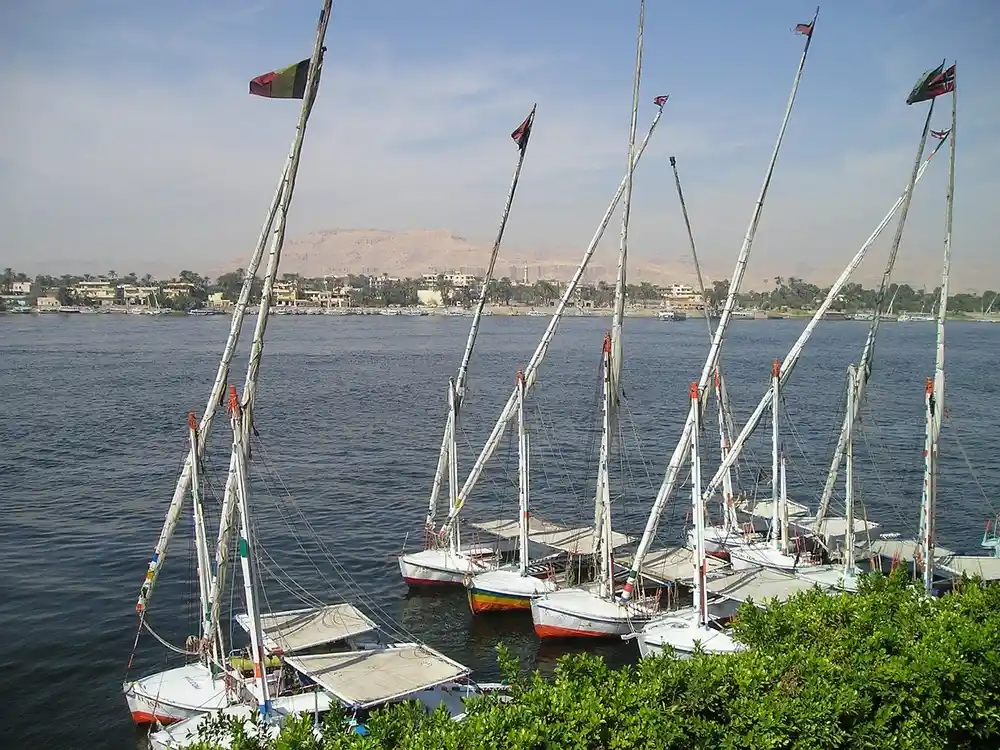
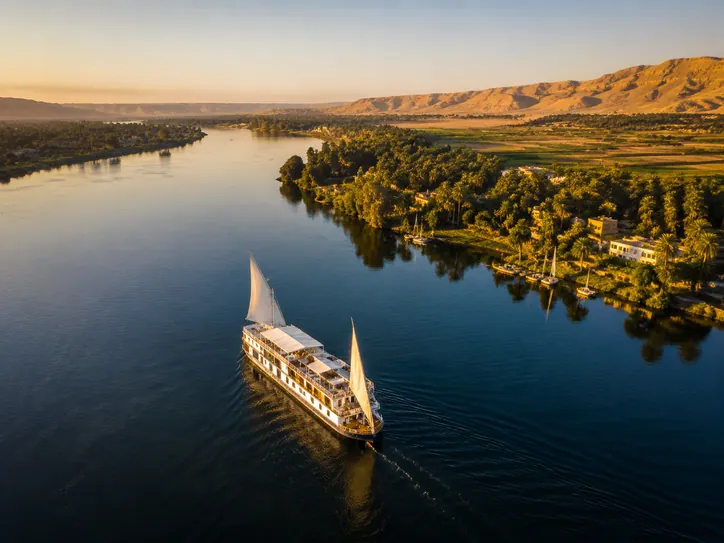
    A felucca ride on the Nile at Luxor — drifting silently on a traditional wooden sailing boat as the sun descends behind the Theban cliffs — is one of those simple, perfect travel experiences that no planning can improve upon. The desert wind fills the sail, ancient temples and palm groves pass slowly on both banks, and the entire west bank landscape turns amber and rose in the fading light. For luxury travelers, a private felucca at sunset with cold drinks and a knowledgeable local guide is one of Luxor's simplest and most deeply pleasurable offerings.

    Ready to Explore Luxor?

    Let our specialists create a bespoke itinerary that captures the magic of this extraordinary destination.