Planning an unforgettable journey through Egypt's ancient wonders and modern luxuries requires more than booking five-star accommodations and private tours. Understanding what currency Egypt uses is fundamental to ensuring a seamless, sophisticated travel experience. Whether you're exploring the pyramids of Giza, cruising the Nile in opulent comfort, or shopping in Cairo's exclusive boutiques, knowing how to navigate Egyptian currency will elevate your entire journey. This comprehensive guide provides discerning American travelers with everything needed to manage finances elegantly throughout your Egyptian adventure.
Understanding Egyptian Currency: The Egyptian Pound
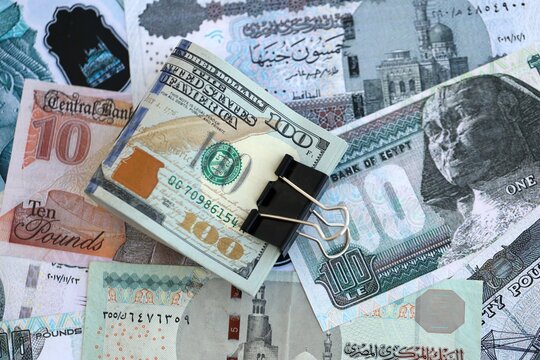
The Egyptian Pound (EGP) is Egypt's official currency, available in colorful denominations perfect for your luxury journey
What Is the Egyptian Pound (EGP)?
The official currency of Egypt is the Egyptian Pound, abbreviated as EGP or denoted by the symbol E£ or LE (from the French "Livre Égyptienne"). As a luxury traveler, you'll find this currency accepted universally throughout the country, from high-end hotels in Cairo to boutique resorts in Sharm El Sheikh. The Egyptian Pound has been the nation's official currency since 1834, replacing the Egyptian piastre, and remains the sole legal tender for all transactions within Egypt's borders. Understanding this fundamental aspect ensures you're properly prepared before your aircraft touches down in Cairo.
Currency Symbols and Denominations You'll Encounter
Egyptian currency comes in both coins and banknotes, though coins are becoming increasingly rare in everyday transactions. Banknotes are available in denominations of 5, 10, 20, 50, 100, and 200 Egyptian Pounds, with the Central Bank of Egypt occasionally issuing commemorative notes. For premium travelers, you'll primarily handle 50, 100, and 200-pound notes during luxury purchases, while smaller denominations prove invaluable for tipping staff and purchasing items at local markets. Each banknote features iconic Egyptian imagery, from ancient pharaohs to famous mosques, making them fascinating keepsakes that tell Egypt's rich story.
Current Exchange Rates for US Travelers
Exchange rates between the US dollar and Egyptian Pound fluctuate regularly based on economic conditions and market forces. Currently, the exchange rate typically hovers around 30-50 EGP per US dollar, though these figures change frequently. Smart luxury travelers monitor rates through premium banking apps, the Central Bank of Egypt's official website, or use reliable sources like XE Currency Converter to check current exchange rates before departure. Rather than focusing solely on securing the absolute best rate, prioritize convenience and security the difference of a few percentage points matters far less than ensuring safe, reliable currency access throughout your journey.
Where and How to Exchange Currency in Egypt for Optimal Rates

Five-star hotels offer premium currency exchange services with personalized attention
Airport Currency Exchange: Convenience vs. Value
Upon arrival at Cairo International Airport or other Egyptian airports, you'll immediately encounter currency exchange bureaus offering instant access to Egyptian Pounds. While convenient for obtaining initial cash for tips and immediate expenses, airport exchanges typically offer less favorable rates than alternatives available in the city. Consider exchanging only $100-200 at the airport enough to cover gratuities for airport staff, your private driver, and initial hotel needs. This strategic approach balances immediate convenience with financial wisdom, allowing you to secure better rates once settled at your luxury accommodation.
Premium Banking Options for High-Net-Worth Travelers
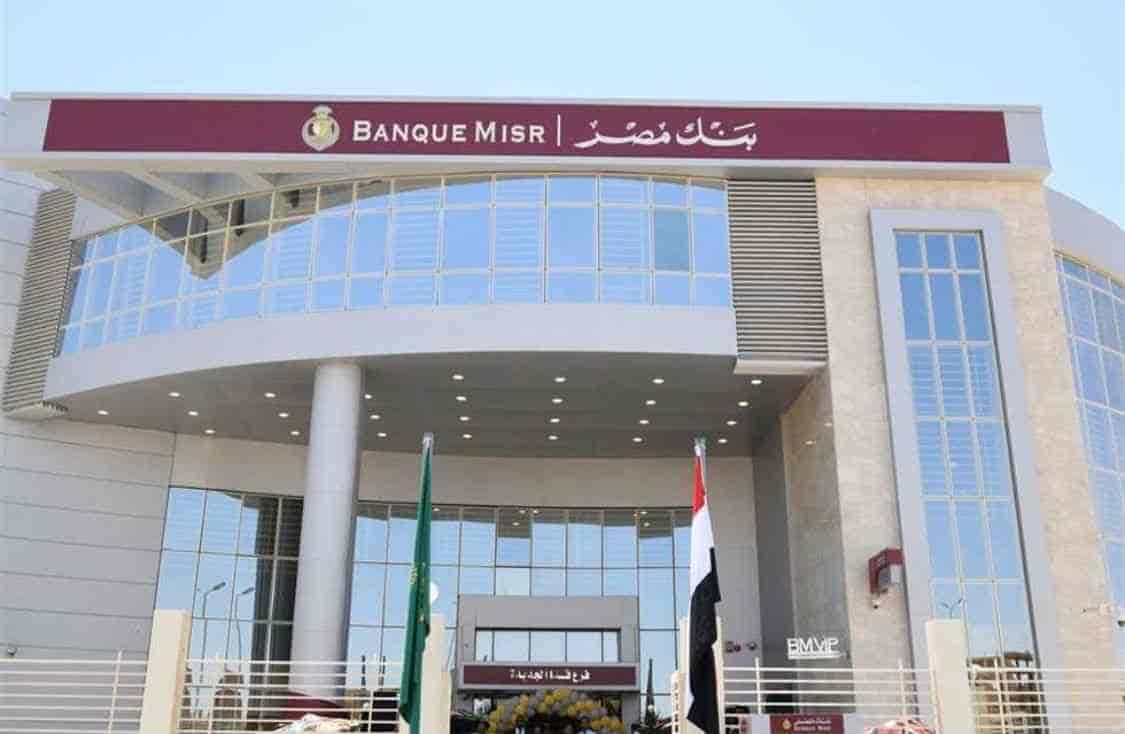
Egypt's major banks provide superior exchange rates and VIP services for discerning travelers
Egypt's major banks, including the National Bank of Egypt, Commercial International Bank (CIB), and HSBC Egypt, offer superior exchange rates and services tailored to affluent international visitors. Many luxury hotels maintain relationships with these institutions, facilitating private banking services directly at your accommodation. Additionally, numerous banks operate VIP banking centers in Cairo and Alexandria, providing discreet, personalized currency exchange services in comfortable, air-conditioned environments far removed from standard tourist exchanges. These premium options ensure you receive competitive rates while maintaining the sophisticated service standards you expect.
Hotel Concierge Services and Private Exchange Solutions
Five-star properties like the Four Seasons Cairo at Nile Plaza, Sofitel Legend Old Cataract Aswan, and Marriott Mena House routinely provide currency exchange services through their concierge desks. While rates may be slightly less competitive than banks, the unparalleled convenience, security, and personalized attention justify any minimal difference for discerning travelers. Your concierge can also arrange for private currency delivery to your suite, eliminating the need to visit exchange offices entirely. Furthermore, many luxury tour operators partner with authorized exchange services, offering competitive rates with the added benefit of expert guidance throughout your journey.
Payment Methods Accepted at Luxury Establishments in Egypt
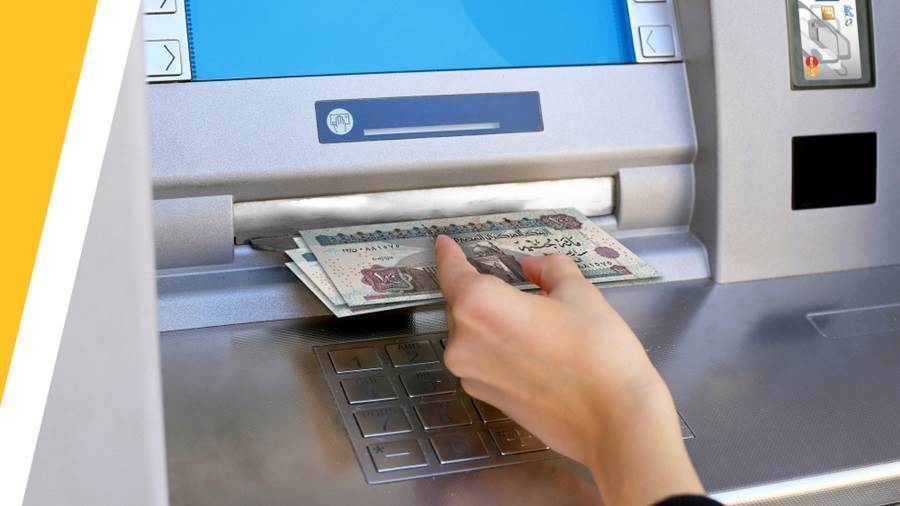
Major credit cards are widely accepted at Egypt's premium establishments and luxury venues
Credit Cards and Digital Payments in Five-Star Hotels
Egypt's premium hospitality sector has embraced modern payment technology, with virtually all luxury hotels, resorts, and cruise ships accepting major credit cards including Visa, Mastercard, and American Express. Contactless payments and digital wallets are increasingly common at high-end establishments, particularly in cosmopolitan areas like Cairo, Alexandria, and resort destinations. However, inform your credit card company about your Egypt travel plans beforehand to avoid security holds, and consider using cards offering no foreign transaction fees to maximize value. Premium travel credit cards also provide valuable perks like complimentary travel insurance and priority assistance.
Cash Requirements at Exclusive Restaurants and Boutiques
Despite widespread credit card acceptance at major establishments, Egypt remains predominantly cash-oriented, particularly outside tourist centers and luxury venues. Upscale restaurants in Cairo's Zamalek district or Alexandria's waterfront may accept cards, but many exceptional dining experiences including intimate rooftop restaurants and historic establishments operate on cash-only basis. Similarly, when shopping at Khan el-Khalili bazaar or commissioning custom pieces from artisan workshops, cash remains king. Carrying several hundred Egyptian Pounds ensures you never miss authentic experiences due to payment limitations.
Tipping Culture and Expected Currency Denominations
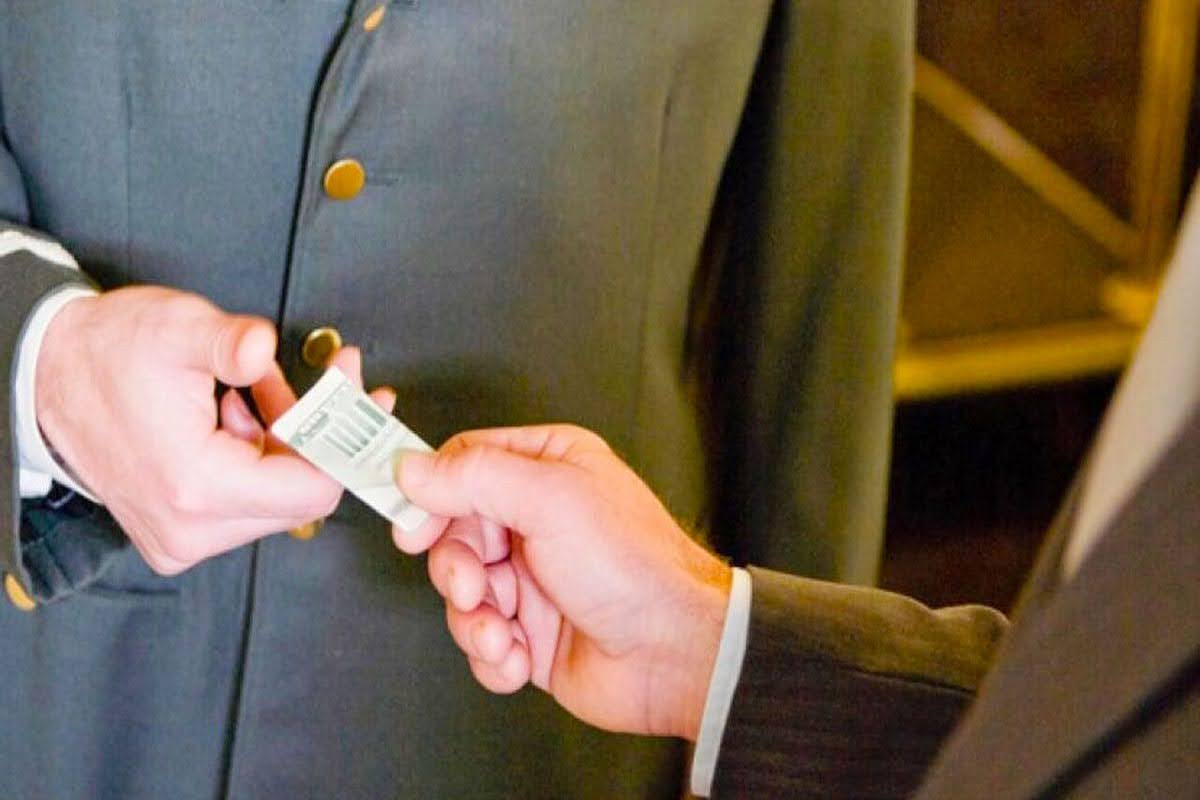
Understanding Egypt's tipping culture ensures exceptional service and cultural respect
Egyptian hospitality culture embraces tipping, known locally as "baksheesh," as standard practice across all service interactions. Luxury travelers should maintain a ready supply of small denominations particularly 20, 50, and 100-pound notes for tipping hotel staff, restaurant servers, private tour guides, and drivers. Expected amounts vary: hotel porters typically receive 20-50 EGP per bag, while private tour guides merit 200-500 EGP daily depending on service quality. Your cruise ship butler or personal concierge might receive 500-1000 EGP at journey's end. Proper tipping ensures exceptional service throughout your stay and demonstrates cultural respect.
Smart Money Management Strategies for Egypt Tours
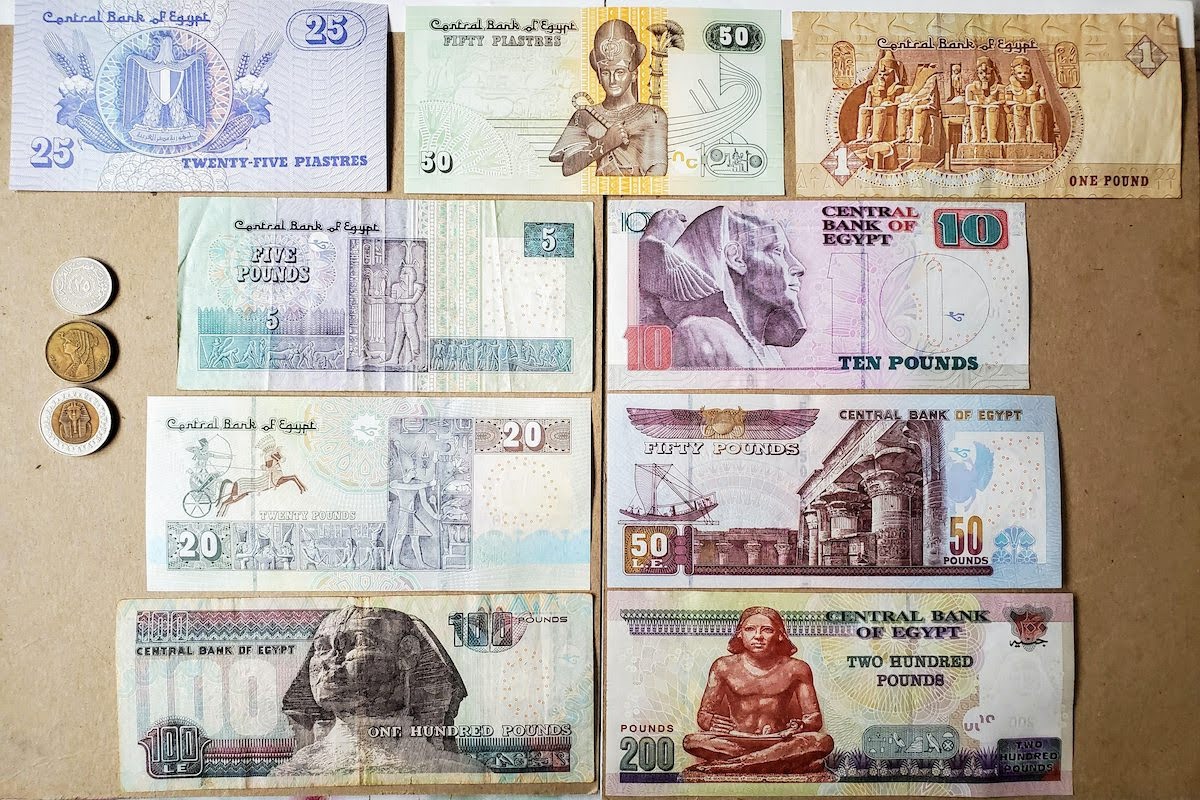
Strategic currency organization ensures seamless financial management throughout your Egyptian adventure
How Much Currency to Carry During Your Stay
Determining appropriate cash reserves requires balancing accessibility, security, and practical needs throughout your itinerary. For a week-long luxury Egypt tour, consider carrying the equivalent of $500-1000 in Egyptian Pounds, divided strategically between your hotel safe and daily wallet. This amount comfortably covers tipping, market purchases, cash-only dining experiences, and unexpected opportunities without creating security concerns. Additionally, maintain $200-300 in US currency as backup, since dollars are widely recognized and occasionally accepted at tourist-oriented establishments, though at unfavorable informal rates.
Securing Your Funds: Safety Tips for Luxury Travelers
While Egypt's luxury tourism sector maintains excellent security standards, smart travelers employ multiple protective strategies for their currency and valuables. Utilize in-room safes for excess cash, passports, and valuable jewelry, keeping only daily necessities in your person. Divide funds between multiple secure locations your hotel safe, a concealed travel wallet, and perhaps a secondary location in your luggage. When visiting bustling markets or crowded historical sites, carry minimal cash in a discrete, close-to-body security wallet. Your luxury hotel's concierge can also provide guidance on neighborhood-specific safety considerations, and you should consult the U.S. Department of State's Egypt travel advisory for current safety recommendations.
Managing Multiple Currencies for Nile Cruises and Desert Excursions
Extended journeys through Egypt often involve multiple destinations with varying payment infrastructure and currency access. During Nile cruise experiences, onboard expenses typically charge to your cabin account, payable in Egyptian Pounds or major credit cards at journey's end. However, shore excursions to local markets and villages require cash in appropriate denominations. Similarly, desert expeditions to the White Desert or Siwa Oasis necessitate adequate Egyptian Pounds since ATM access becomes sporadic. Plan currency needs based on your detailed itinerary, consulting with your tour operator about specific regional payment norms and availability.
Common Currency Mistakes American Travelers Make in Egypt
Avoiding Unfavorable Exchange Rate Traps
Tourist-focused exchange bureaus near major attractions like the Pyramids or Luxor Temple frequently advertise "no commission" services while embedding poor exchange rates that effectively cost more than transparent bank fees. Savvy travelers compare the actual rate offered against current market rates rather than focusing solely on commission structures. Additionally, avoid exchanging currency with unauthorized street vendors, regardless of promised rates these transactions risk counterfeit bills and potential legal complications. Stick with established banks, luxury hotel services, or reputable licensed exchange offices for all currency transactions.
Understanding the Difference Between Official and Black Market Rates
Egypt maintains official exchange rates set by the Central Bank, which legitimate institutions must follow. Occasionally, you might encounter offers for significantly better "unofficial" rates from informal sources. Engaging with black market currency exchanges is illegal, potentially dangerous, and exposes you to counterfeit currency risks that far outweigh minimal savings. Moreover, luxury travelers who encounter legal issues through unauthorized currency transactions face significant complications that can derail an entire journey. The official banking system provides complete security and legal protection worth any marginal rate difference.
Dealing with Small Bills and Change Shortages
Egypt frequently experiences shortages of small denomination bills, creating frustrating situations when vendors claim inability to provide change for large notes. Proactive luxury travelers specifically request smaller denominations when exchanging currency at banks or hotels. When receiving change from purchases, accept small bills even if slightly inconvenient they'll prove invaluable for tipping and minor purchases throughout your journey. If a vendor genuinely cannot make change, consider purchasing additional small items to reduce the bill rather than walking away frustrated or leaving without proper change.
Frequently Asked Questions About Egyptian Currency
What currency does Egypt use for tourists? Egypt uses the Egyptian Pound (EGP) as its official currency. While some high-end hotels accept US dollars, all official transactions require Egyptian Pounds. Credit cards work at luxury venues, but cash is essential for tipping, markets, and local restaurants.
Should I exchange dollars before arriving in Egypt? Exchange currency after arriving in Egypt for better rates. Bring US dollars and exchange them at Egyptian banks, hotels, or authorized offices. You can exchange a small amount beforehand for peace of mind, though it costs slightly more.
Can I use US dollars directly in Egypt? US dollars are occasionally accepted at tourist businesses and high-end hotels, but you'll get unfavorable exchange rates. Always use Egyptian Pounds for optimal value and broader acceptance. Reserve dollars for official exchange at banks or hotels.
Are credit cards widely accepted in Egypt? Credit cards are accepted at five-star hotels, upscale restaurants, and tour operators. However, Egypt is predominantly cash-oriented. Markets, local restaurants, street vendors, and authentic experiences require Egyptian Pounds. Carry both cards and cash.
What's the best way to get Egyptian pounds? Exchange at premium banks or your hotel for competitive rates. Use ATMs from major international banks as needed. Avoid airport exchanges except for small initial amounts, and never use unofficial street exchanges.