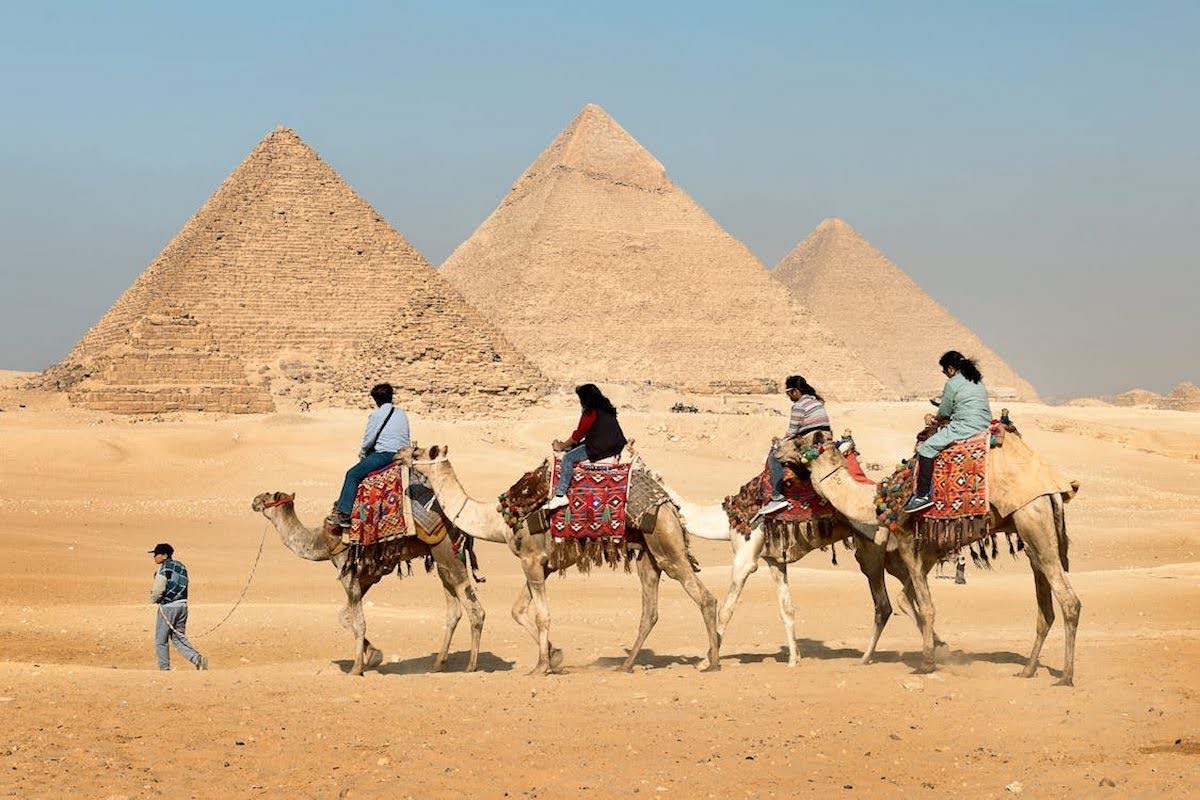
Egypt welcomes millions of visitors annually with comprehensive security measures
Let's address the question directly: Yes, Egypt is safe for American tourists, especially in the major tourist destinations that draw millions of visitors annually. While legitimate safety concerns exist as they do for any international destination the reality on the ground is far more reassuring than many travelers expect.
Egypt has invested heavily in tourism security following challenges in recent years, creating one of the most heavily protected tourist infrastructures in the world. From armed Tourism Police at the Pyramids to convoy systems in certain regions, the Egyptian government recognizes that tourism is vital to its economy and has acted accordingly.
This comprehensive guide examines Egypt's current safety situation through factual analysis, addresses common concerns American travelers have, and provides practical strategies for maximizing your safety. For luxury travelers, we'll also explore how premium services and careful planning create an even safer, more comfortable Egyptian experience.
Current Safety Situation in Egypt for Americans
Official Travel Advisory Status
The US State Department currently rates Egypt at Level 3: Reconsider Travel, primarily due to terrorism concerns in specific restricted areas. Before you let this rating alarm you, understand what it actually means. Level 3 doesn't prohibit travel it simply advises increased caution and awareness.
Crucially, this advisory applies to the entire country but specifies restricted zones: North Sinai Peninsula, Western Desert border regions, and certain military areas. These restricted zones are not tourist destinations. The Pyramids, Luxor temples, Nile cruises, and Red Sea resorts the places you'll actually visit operate under different security conditions with heavy protective measures.
The advisory acknowledges that Egyptian authorities conduct effective security oversight in tourist areas. It also notes that while extremists express interest in attacks, actual incidents affecting tourists have become extremely rare, particularly since 2016.
Egypt's Security Investment in Tourism
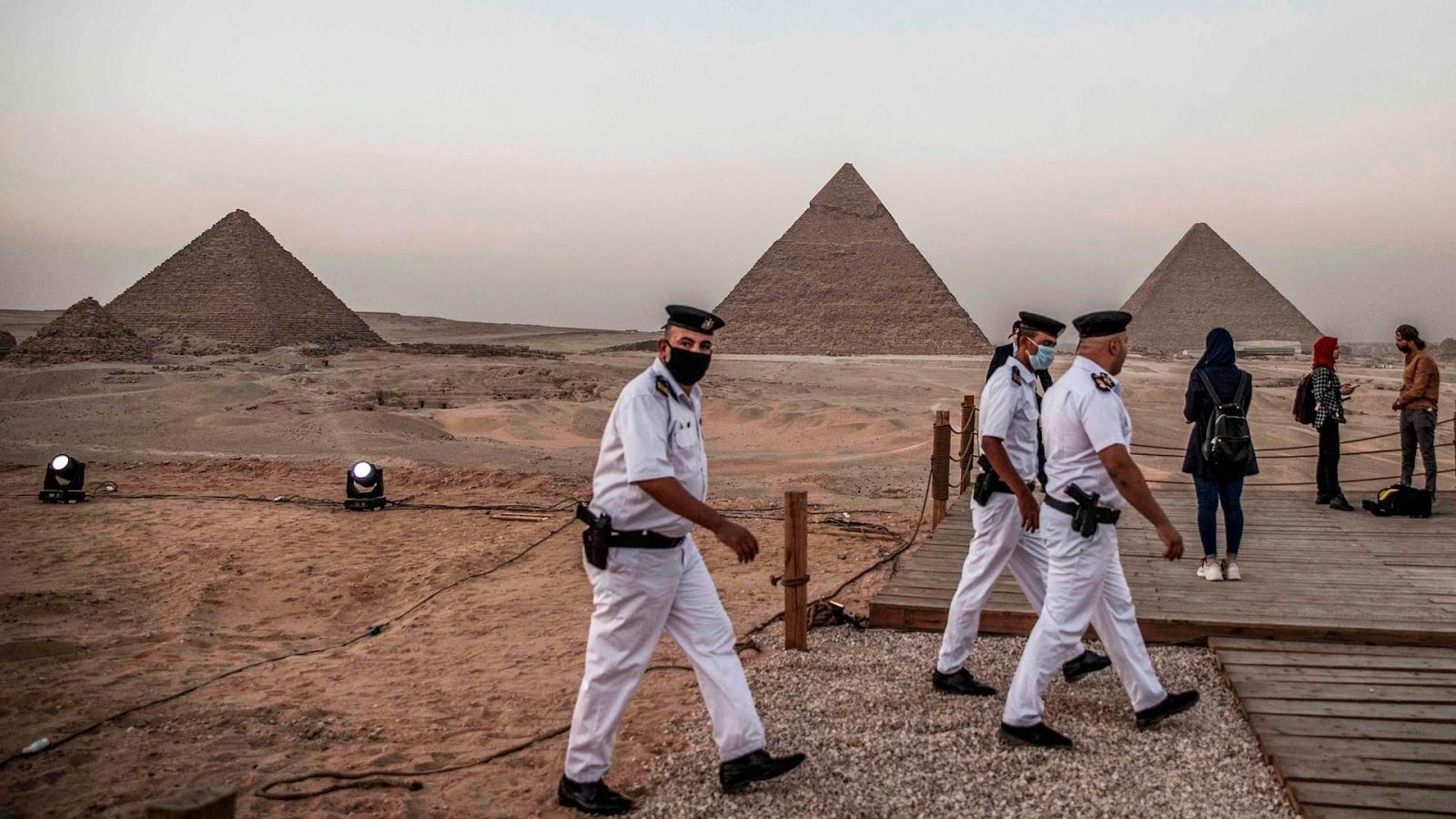
Dedicated Tourism Police forces protect visitors throughout Egypt
Following economic challenges and security incidents in the 2010s, Egypt has invested billions in tourism security infrastructure. The Tourism Police force, established specifically to protect visitors, maintains visible presence at every major archaeological site, hotel, and tourist area.
Walk through the Giza Pyramid complex and you'll encounter checkpoints, metal detectors, x-ray machines, and uniformed officers every few hundred meters. Major hotels in Cairo, Luxor, and resort areas employ security screening comparable to airports. Nile cruise vessels often have armed guards on board.
This security presence, while sometimes feeling excessive to American visitors accustomed to less visible protection, reflects Egypt's commitment to visitor safety. The country understands that its economic recovery depends on tourists feeling secure enough to visit.
Recent Tourism Statistics
Numbers tell a compelling story. Egypt attracted a record 15.7 million tourists in 2024, surpassing the previous year's record of 14.9 million. This growth occurred despite regional conflicts and global economic uncertainties, suggesting that travelers worldwide consider Egypt safe enough to visit.
For official tourism information, visit the Egyptian Tourism Authority website.
American tourists comprise a significant portion of these visitors. While exact nationality breakdowns vary, tour operators report steady American bookings throughout 2024, with many travelers returning for second and third visits.
When comparing incident rates to visitor numbers, Egypt's safety record becomes even clearer. From 2016 onward, there has not been a single major incident affecting tourists in Egypt. Any security issues that occurred involved local conflicts without impact on travelers.
Real vs Perceived Risk
Media coverage of Middle Eastern conflicts creates perception challenges for Egypt. Many Americans associate the region with danger, yet Egypt's intentional homicide rate stands at 1.3 per 100,000 compared to 6.4 in the United States. Statistical reality doesn't match the perceived danger.
Terrorism, while a historical concern, has dramatically decreased due to Egyptian security measures. The last significant attack in Cairo occurred in 2019, and tourist areas have remained largely incident-free. Compare this to major American or European cities that have experienced attacks despite being considered safe destinations.
Travelers consistently report that their actual experience in Egypt feels far safer than anticipated. The visible security presence, helpful Tourism Police, and welcoming locals create an environment where tourists feel protected rather than threatened.
Expert Tip: Safety perception often matters more than statistical reality. If you feel unsafe despite data showing low risk, that anxiety affects your travel experience. However, most visitors report their fears diminishing once they arrive and experience Egypt's hospitable, secure tourist environment firsthand.
Safety in Major Tourist Destinations
Cairo and Giza
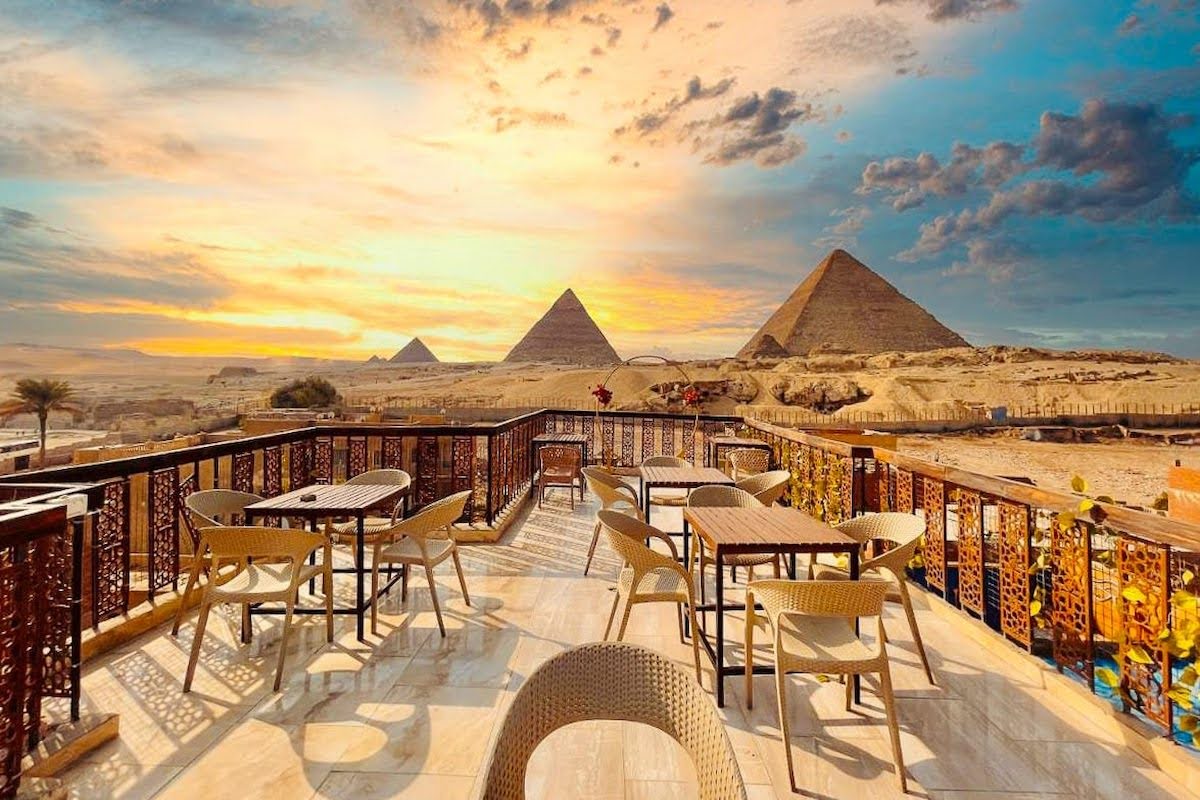
Cairo's tourist districts maintain heavy security and hotel protection
Cairo presents the typical challenges of any major developing-world city: chaotic traffic, crowds, and occasional petty crime. Yet tourist districts maintain heavy security presence. The Giza Pyramid complex employs more security personnel than you'll see at most American national parks.
Upscale neighborhoods where tourists stay Zamalek, Garden City, Downtown near Tahrir Square have regular police patrols and hotel security. Five-star hotels screen all entering vehicles and guests through metal detectors and x-ray machines. This creates secure bubbles within the bustling city.
Your biggest Cairo safety concern isn't crime it's traffic. Crossing streets requires confidence and timing. Vehicles rarely stop for pedestrians, and traffic laws seem more suggestion than rule. Stay with groups, follow your guide's lead, and use pedestrian bridges where available.
Museums, particularly the Egyptian Museum in Tahrir Square and the new Grand Egyptian Museum near the pyramids, maintain airport-level security. Every visitor passes through screening, and Tourism Police patrol galleries continuously.
Luxor and Aswan
These Upper Egypt cities offer perhaps the safest tourist environments in the country. Their smaller size, tourist-dependent economies, and intense security focus create remarkably welcoming, secure atmospheres.
Temple complexes at Karnak, Luxor, Valley of the Kings, Abu Simbel, and Philae all have dedicated security teams. You'll notice armed guards at entrances, checkpoints on access roads, and Tourism Police throughout sites. This protection extends to Nile cruise embarkation points along the Luxor and Aswan cornices.
The relaxed small-city feel of these destinations makes them ideal for first-time Egypt visitors or those concerned about safety. Streets are walkable, locals are accustomed to tourists, and the overwhelming majority of businesses depend on creating positive visitor experiences.
Red Sea Resorts (Hurghada, Sharm El Sheikh, Marsa Alam)
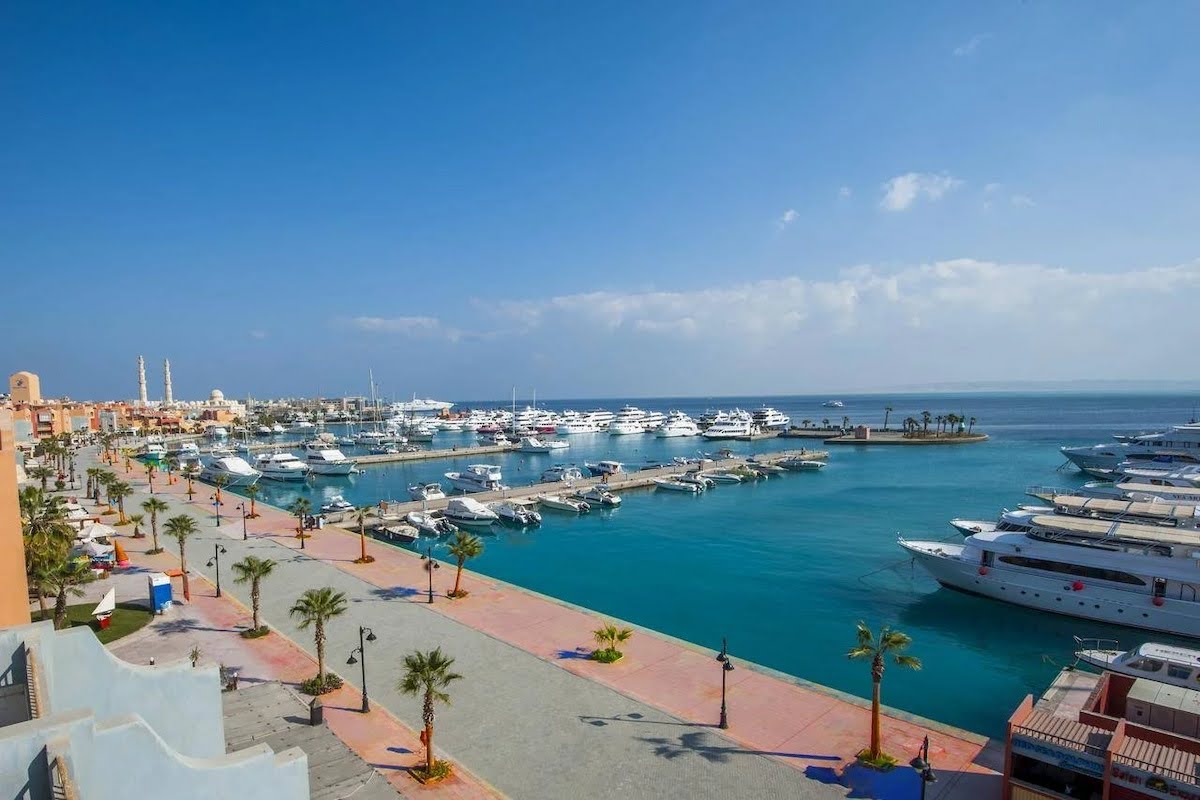
Red Sea resorts offer some of Egypt's safest, most secure environment
Red Sea resort areas rank among Egypt's absolute safest destinations. These purpose-built tourism zones feature gated resort compounds, private beaches, and controlled access points. Crime rates approach zero in these areas.
Sharm El Sheikh is recognized by US and UK governments as a noted exception to Sinai restrictions, considered under the same general advisory as heavily touristed parts of mainland Egypt. The resort city's fly-in-only access, international clientele, and luxury infrastructure create a secure, comfortable environment.
Diving and snorkeling activities, major draws for Red Sea visitors, follow strict safety protocols. Reputable dive operators maintain international certifications, provide thorough briefings, and monitor conditions carefully. The biggest risks involve marine life and sun exposure, not security threats.
Airport security at Hurghada and Sharm El Sheikh has been significantly enhanced since 2017, with Egyptian authorities certifying these facilities meet international safety standards. This encouraged major carriers to resume direct flights, improving access for American travelers.
Alexandria and Mediterranean Coast
Alexandria, Egypt's second-largest city and Mediterranean gateway, offers a different vibe from Cairo. Its coastal location, cosmopolitan history, and more moderate climate attract tourists seeking alternatives to desert heat.
Security in Alexandria mirrors Cairo heavy police presence in tourist areas, secured hotels, and protected archaeological sites. The Bibliotheca Alexandrina (modern Library of Alexandria) and Greco-Roman museums maintain tight security protocols. Corniche waterfront areas have regular patrols, especially during evening promenades.
Beach safety along the Mediterranean coast focuses more on typical coastal hazards (currents, jellyfish) than security threats. Established beach resorts north of Alexandria maintain professional lifeguard services and controlled access.
Western Desert and Oases
Desert adventures to the White Desert, Black Desert, and oases like Siwa require more planning due to remote locations and restricted border areas. However, permitted tourist zones remain accessible and safe when visited through reputable operators.
Professional desert tour companies coordinate with authorities, follow approved routes, and employ experienced guides familiar with navigation and emergency protocols. Some routes may involve convoy systems where multiple vehicles travel together with security escorts, though these have become less common as overall security improves.
Medical access in remote desert areas requires consideration. Serious emergencies may require evacuation to Cairo or other major cities. This makes comprehensive travel insurance with evacuation coverage essential for desert adventures.
Experience Egypt's diverse landscapes with complete security confidence. Luxury Egypt's desert expeditions include satellite communication, experienced guides, and full safety protocols for unforgettable adventures.
Common Safety Concerns Addressed
Petty Crime and Scams
Petty crime, not violent crime, represents your most likely safety challenge in Egypt. Pickpocketing occurs in crowded areas like Khan el-Khalili bazaar, metro stations, and popular tourist sites during peak hours. Standard precautions money belts, front pocket wallets, secured bags effectively prevent most incidents.
Tourist scams are common and range from annoying to costly. Unmetered taxis "forget" to start meters, requiring fare negotiation upon arrival. Papyrus shops demonstrate "authentic" manufacturing processes then pressure purchases at inflated prices. Self-appointed "guides" offer free assistance then demand payment. Vendors quote prices 5-10 times actual value, expecting negotiation.
ATM safety requires attention. Use machines inside bank branches during business hours rather than standalone street ATMs. Shield your PIN entry and immediately secure cash. Skimming devices are rare but possible.
Hotel safes should secure passports, extra cash, and valuable electronics when you're out exploring. Most upscale hotels provide reliable in-room or front desk safes. Avoid displaying expensive jewelry, cameras, or equipment unnecessarily.
How to Spot and Avoid Common Scams:
Taxi/Uber: Agree on prices before departure or insist on meter usage
Free tours: No services are truly free; politely but firmly decline unsolicited guide offers
Papyrus shops: Purchase from established museum shops or skip entirely
Inflated prices: Learn reasonable costs for common items; expect to negotiate to 40-60% of initial quotes
Bottled water: Buy from hotels, restaurants, or established stores rather than street vendors
Traffic and Transportation Safety
Cairo traffic ranks among the world's most chaotic. Lane markings serve as suggestions, traffic lights are frequently ignored, and honking constitutes normal communication. Pedestrians must wait for gaps in traffic rather than expecting vehicles to stop.
Safe transportation options for tourists include private drivers arranged through reputable hotels or tour operators, ride-sharing apps like Uber and Careem (which provide transparent pricing and tracking), and organized tour buses. Avoid microb uses (crowded local minivans) and unlicensed taxis lacking clear identification.
Crossing streets safely requires confidence, timing, and often grouping with locals who navigate effortlessly. Look for elderly Egyptians or families—follow their lead and timing. Pedestrian bridges exist at major intersections; use them when available.
Inter-city travel by road carries higher risks due to driver behavior, vehicle maintenance standards, and road conditions. Luxury operators use newer vehicles, professional drivers, and maintain stricter safety protocols than budget alternatives.
Political Demonstrations and Civil Unrest
Political demonstrations occur occasionally in Cairo, usually around Tahrir Square, outside universities, or near government buildings. Egyptian law prohibits protesting without permits, and authorities respond firmly to unauthorized gatherings.
Tourists should avoid any demonstration or large gathering regardless of purpose. Even peaceful protests can attract police response or turn chaotic. Egyptian authorities have detained foreigners near protest areas, sometimes for simply photographing events.
Embassy alerts and the US State Department STEP program provide real-time notification of potential unrest. Register your trip through STEP to receive security updates and facilitate embassy contact in emergencies.
Historical context helps understanding: political unrest peaked during 2011-2013 following the Arab Spring revolution. The current government maintains tight control, and large-scale protests have become rare. Tourist areas remain largely insulated from political activity.
Terrorism Concerns
Terrorism represents the most feared but statistically unlikely threat to tourists in Egypt. Historical attacks on tourists occurred, most notably the 1997 Luxor massacre and several incidents between 2015-2017. However, terrorism in Egypt has significantly decreased since 2018 due to intensified security measures, though some risks remain.
Current threats concentrate in North Sinai and Western Desert border regions areas off-limits to tourists and heavily militarized. Tourist areas maintain fortified security specifically designed to prevent attacks. Checkpoints, surveillance, intelligence operations, and visible armed presence create multiple defense layers.
The security theater visible armed guards, frequent checkpoints, extensive screening serves dual purposes: actually deterring attacks and reassuring visitors. While some travelers find heavy security presence unsettling, it reflects genuine protective measures rather than performance.
Realistic risk assessment acknowledges that zero risk doesn't exist anywhere. Major European and American cities have experienced terrorist attacks despite advanced security. Egypt's tourist areas, with their intense protection focus, arguably present lower actual risk than many Western destinations.
Health and Medical Safety
Food and water safety requires attention but shouldn't cause excessive worry. Drink only bottled or filtered water, avoid ice in drinks unless confirmed from purified water, and choose cooked foods from reputable establishments. Most visitors experience minor digestive adjustments without serious illness.
Common traveler ailments include mild stomach upset from dietary changes, dehydration from heat and dry climate, and sunburn from intense desert sun. These prevent easily through hydration, sun protection, and gradual dietary adjustment. Pharmacies stock familiar medications for minor issues.
Quality medical facilities exist in major cities. Cairo's international hospitals Anglo-American Hospital, As-Salam International Hospital, Cleopatra Hospital provide care meeting Western standards with English-speaking doctors. Luxor and resort areas have clinics handling routine issues, though serious emergencies may require Cairo evacuation.
Travel insurance with medical coverage and evacuation benefits is essential. Egypt's healthcare quality varies dramatically between international hospitals and local clinics. Insurance ensuring access to top facilities and emergency evacuation provides crucial peace of mind.
Pharmacies in Egypt stock many medications over-the-counter that require prescriptions in the US. Bring prescription medications in original containers with documentation. Pharmacists often speak English and can help identify equivalent local products.
Luxury Egypt guests receive comprehensive pre-departure health guidance, including destination-specific medical preparedness and access to preferred healthcare providers throughout Egypt.
Safety Tips for American Travelers
Before You Go
Register your trip through the Smart Traveler Enrollment Program (STEP) maintained by the US State Department. This free service provides security updates, facilitates embassy contact during emergencies, and helps authorities locate you if needed. Registration takes minutes but provides significant safety benefits.
Purchase comprehensive travel insurance covering medical emergencies, evacuation, trip cancellation, and lost belongings. Standard health insurance typically doesn't cover international medical care, and evacuation from Egypt to Western facilities can cost $50,000-100,000 without insurance.
Create document copies passport, visa, travel insurance, credit cards and store them separately from originals. Email copies to yourself and share with family members. This backup simplifies replacement if documents are lost or stolen.
Research your specific destinations beyond general Egypt information. Security conditions, appropriate dress, and cultural expectations vary between Cairo nightlife, conservative Upper Egypt towns, and international Red Sea resorts.
Share your complete itinerary with family or friends, including hotel names, tour operator contacts, and flight information. Establish expected check-in times so someone notices if you go silent unexpectedly.
Download emergency apps like Red Panic Button, travel information apps with offline maps, and Arabic translation tools. Internet access isn't guaranteed everywhere, so offline functionality matters.
While in Egypt
Dress modestly, particularly when visiting religious sites or conservative areas. Women should cover shoulders and knees; loose clothing respects local norms while providing sun protection. Men should avoid sleeveless shirts in temples and mosques. Red Sea beach resorts allow normal swimwear, but cover appropriately when leaving resort areas.
Avoid displaying wealth through expensive jewelry, cameras conspicuously around necks, or designer bags. This reduces both theft risk and unwanted attention. Luxury travelers can enjoy premium accommodations while maintaining lower profiles in public.
Use hotel safes for passports (carry copies), extra cash, and valuable electronics when exploring. Most upscale hotels provide reliable security, but keeping valuables secure prevents opportunistic theft.
Negotiate prices before accepting services taxi rides, guide services, souvenir purchases. Clear agreement prevents disputes later. Don't hesitate to walk away from aggressive sales pressure; other options always exist.
Keep emergency numbers accessible: 126 for Tourism Police (English-speaking operators), 122 for regular police, 123 for ambulance. Tourism Police specifically help tourists with issues ranging from disputes with vendors to serious emergencies.
Trust your instincts about situations and people. If something feels wrong, remove yourself. Your intuition, informed by experience and observation, provides valuable guidance even in unfamiliar cultural contexts.
Stay in well-reviewed accommodations from established chains or independently verified properties. Hotel security, staff professionalism, and guest experiences shared through reviews indicate safety standards.
Use registered tour operators rather than booking through random street encounters. Established companies maintain insurance, trained guides, and accountability. Luxury Egypt vets all partners for safety, professionalism, and reliability.
Avoid discussing politics, religion, or regional conflicts in public spaces. Egypt maintains strict controls on political expression, and foreigners aren't exempt from scrutiny. Focus conversations on Egypt's positive aspects history, culture, hospitality.
Women Travelers Safety
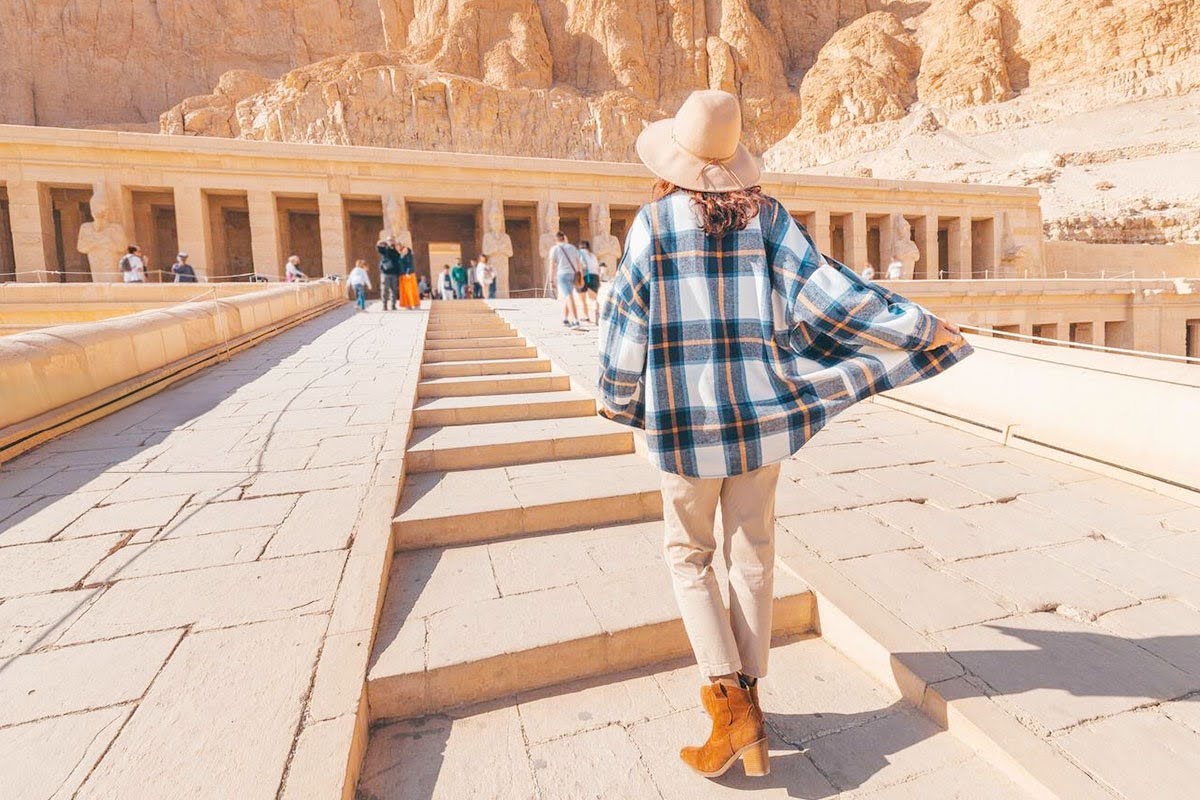
Thousands of women travel Egypt independently and safely each year
Women traveling solo or in female groups can visit Egypt safely with appropriate precautions. Many women travel Egypt independently and have excellent experiences. Understanding cultural context and taking sensible steps maximizes safety and comfort.
Modest dress guidelines aren't about hijab requirements (head covering isn't necessary for tourists) but showing cultural respect while reducing unwanted attention. Loose-fitting clothing covering shoulders and knees works perfectly. Conservative dress in Cairo, Luxor, and mosques contrasts with more relaxed resort attire acceptable in Sharm El Sheikh or Hurghada.
Unwanted attention ranges from staring and comments to persistent vendor attention and occasional catcalling. Most stems from cultural differences in male-female interaction rather than genuine threat. Firm but polite responses "No, thank you" in English or "La, shukran" in Arabic usually suffice. Ignore provocations and keep moving rather than engaging.
Safe accommodation choices matter significantly for female travelers. Established hotels provide secure environments with professional staff. Budget hostels vary widely; research reviews from other female travelers before booking.
Women-only tour options exist through some operators, though they're not necessary for safety. Standard tours with mixed groups work fine. Private tours or small groups offer more control and comfort for travelers concerned about dynamics.
Evening safety considerations include avoiding isolated areas after dark, using reputable transportation (hotel taxis, Uber/Careem), and staying in well-lit, populated areas. Cairo's busy downtown areas remain active with families late into evening, while less-traveled neighborhoods empty quickly after sunset.
Did You Know? Thousands of women travel Egypt solo annually, including young backpackers, mature solo travelers, and female professionals. With preparation and cultural awareness, women can safely enjoy Egypt's magnificent attractions independently.
LGBTQ+ Traveler Considerations
Egypt's legal and social landscape regarding LGBTQ+ issues differs significantly from Western countries. Egyptian law doesn't specifically criminalize homosexuality, but "debauchery" laws enable prosecution. Social attitudes remain conservative, and public discussion of LGBTQ+ topics is limited.
Discretion is strongly recommended for LGBTQ+ travelers. Public displays of affection, even between heterosexual couples, are culturally inappropriate in Egypt. Same-sex PDA carries additional risks including harassment or legal attention.
Cairo has discrete social spaces where LGBTQ+ individuals gather, though these aren't officially recognized or advertised. International hotels generally adopt non-discriminatory policies, and luxury properties frequented by Western tourists maintain professional service regardless of guest orientation.
Online dating apps require caution. Reports of harassment, blackmail, or law enforcement targeting users have occurred. Avoid using such apps or exercise extreme discretion if choosing to do so.
For LGBTQ+ travelers, Egypt presents challenges beyond typical tourist concerns. Some travelers choose to visit Egypt despite limitations, focusing on historical and cultural attractions while maintaining privacy. Others prefer destinations with more accepting legal and social frameworks.
How Luxury Travel Enhances Safety
Private Guides and Drivers
Luxury tour operators employ carefully vetted guides and drivers with years of experience, English fluency, and security awareness training. These professionals navigate Egypt's complexities effortlessly, allowing you to focus on experiencing rather than worrying.
Private guides prevent common tourist pitfalls overcharging, scams, unsafe areas, timing issues. They handle ticket purchases, negotiate on your behalf, and maintain relationships with site security ensuring smooth entry. Their local knowledge identifies which areas, times, and situations to avoid.
English-speaking communication eliminates language barrier frustrations and potential misunderstandings that could create safety issues. Professional guides also provide cultural context helping you navigate social norms appropriately.
Licensed guides undergo government training and background checks. They maintain reputations built over years of service, making them invested in your positive, safe experience. This accountability exceeds what casual guides or DIY travel provides.
Premium Accommodations Security
Five-star hotels invest heavily in guest security. Gated compounds with controlled vehicle access, security screening for all entries, and 24/7 surveillance create secure environments. Private beaches and pools limit access to guests only.
Metal detectors and x-ray machines screen everyone entering, including staff. This airport-style security prevents weapons or dangerous items from reaching guest areas. Security personnel patrol grounds continuously, monitoring for unusual activity.
In-room and front desk safes secure valuables with deposit boxes large enough for laptops, cameras, and documents. Staff follows strict protocols accessing guest rooms, with multiple authorization requirements preventing unauthorized entry.
24/7 concierge and reception staff provide assistance any time of day. Medical emergencies, security concerns, or travel questions receive immediate professional response. This support network means you're never truly alone dealing with problems.
VIP Airport and Transfer Services
VIP services enhance security while providing seamless arrival experiences
VIP meet-and-assist services transform arrival and departure experiences from potentially stressful to seamlessly elegant. Representatives meet you at the aircraft door or jet bridge, escort you past all queues, and handle immigration and customs through diplomatic or first-class lanes.
Fast-track immigration avoids crowded arrival halls where pick pocketing and confusion peak. Your representative manages visa payment if needed, collects luggage, and delivers you directly to your waiting driver all while you relax in a VIP lounge.
Private, vetted drivers eliminate taxi negotiation hassles and safety concerns about unlicensed vehicles. Pre-arranged transportation means confirmed prices, tracked routes, and professional service from hotel/airport to destination.
No haggling, confusion, or vulnerability during the disorienting post-flight period. This controlled, dignified arrival sets the tone for your entire Egyptian experience, establishing security and comfort from your first moments in country.
Experience stress-free arrival and complete peace of mind with Luxury Egypt's VIP airport services. From private meet-and-assist to luxury vehicle transfers, we ensure your Egyptian adventure begins perfectly.
24/7 Concierge Support
Luxury Egypt provides safety net support throughout your journey. Our 24/7 emergency contact availability means help is always just a phone call away, regardless of time zone or local hour.
Real-time support during travel addresses issues before they escalate. Lost documents, medical concerns, itinerary changes, or unexpected situations receive immediate expert response from professionals who know Egypt intimately.
Local expertise and problem-solving capabilities exceed what embassies or insurance hotlines can provide. We maintain relationships with hospitals, authorities, and service providers enabling rapid solutions to challenges.
Embassy coordination assistance when needed bridges communication between travelers and diplomatic services. Medical referral services connect you with English-speaking doctors and international-standard hospitals immediately.
This comprehensive support system doesn't just react to problems it prevents them through proactive planning, careful coordination, and constant monitoring of your journey's progress.
Small Group or Private Tours
Private and small group tours avoid the crowds, delays, and exposure inherent to large tour buses. Flexible scheduling allows visiting popular sites during quieter times when both security and experience improve.
Smaller groups move through security checkpoints faster and attract less attention. Private security options exist for high-profile travelers, celebrities, or those with specific security requirements beyond standard measures.
Customized itineraries avoid higher-risk areas or adjust to current conditions. If security situations change in specific locations, private tours easily modify without affecting dozens of people on fixed schedules.
The intimate scale of luxury tours creates personal relationships with guides and drivers who become invested in your specific safety and satisfaction rather than managing large, impersonal groups through rigid schedules.
Emergency Resources and Contacts
Essential Emergency Numbers
Keep these numbers easily accessible throughout your Egypt travels:
Tourist Police: 126 - English-speaking operators specifically trained to assist tourists with any issue from disputes to emergencies
US Embassy Cairo: +20 (2) 2797-3300 - Consular services during business hours; after-hours emergencies have separate contact protocols
Ambulance: 123 - General emergency medical services, though response quality varies by location
Police: 122 - General police services, primarily Arabic-speaking
Program these numbers into your phone upon arrival. Consider carrying a card with numbers written out in case your phone battery dies or service is unavailable.
US Embassy Services
The US Embassy in Cairo, located in New Cairo's diplomatic district, provides consular services to American citizens. Business hours are Sunday-Thursday, 8:30 AM-5:00 PM (Egypt uses Sunday-Thursday work weeks).
The embassy can assist with passport replacement if yours is lost or stolen, providing emergency travel documents for returning to the US. They maintain lists of English-speaking attorneys if you face legal issues, though they cannot provide legal representation.
Emergency communication with family becomes possible through embassy resources if you lack personal communication means. The embassy can relay messages and verify your wellbeing to concerned relatives.
However, understand embassy limitations. They cannot get you out of jail, pay for services, or interfere in Egyptian legal processes. They can't provide better medical care than local hospitals or evacuate you from danger zones. Their primary function involves documentation and information provision.
Register through STEP before traveling so the embassy knows you're in country and can contact you if widespread emergencies occur affecting American citizens.
Travel Insurance Providers
Quality travel insurance transforms potential disasters into manageable inconveniences. Recommended coverage types include:
Medical emergency coverage ($100,000+ recommended) - Covers hospital treatment, doctor visits, medications, and emergency dental care
Medical evacuation ($250,000+ essential) - Pays for emergency air transport to adequate medical facilities or back to the US if necessary
Trip cancellation/interruption - Reimburses non-refundable costs if you must cancel or cut short your trip for covered reasons
Baggage loss/delay - Covers lost luggage and essential item purchases during delays
24/7 assistance hotlines - Provides immediate multilingual support and coordinates services
Reputable providers like Berkshire Hathaway Travel Protection, Allianz Global Assistance, World Nomads, and Travel Guard offer comprehensive Egypt-appropriate policies. Purchase insurance shortly after booking your trip to maximize coverage windows.
Review policy details carefully regarding pre-existing conditions, adventure activities (diving, desert safaris), and specific exclusions. Standard policies may require riders for certain activities common in Egyptian tourism.
Claims processes vary by provider but generally require documenting issues through police reports (for theft), medical reports (for health claims), and receipts (for expenses incurred). Keep all documentation organized throughout your trip.
Luxury Egypt Emergency Support
Our commitment to guest safety extends beyond planning your itinerary. Luxury Egypt provides comprehensive emergency support throughout your Egyptian adventure, ensuring you're never alone facing difficulties.
24/7 emergency contact reaches our operations team regardless of hour. Whether you need medical referrals at 3 AM or have urgent itinerary concerns, experienced staff responds immediately with actionable solutions.
Local hospital recommendations connect you with Cairo's best international hospitals, Luxor's reliable clinics, and resort area medical facilities. We maintain relationships ensuring priority service and English-speaking care.
Transportation assistance addresses anything from replacing a missed flight to arranging emergency evacuation. Our local networks and authorities relationships enable solutions unavailable to independent travelers.
Coordination with embassies, insurance providers, and families ensures everyone necessary stays informed and involved. We bridge communication gaps and cultural differences that complicate crisis response.
Travel with confidence knowing Luxury Egypt provides comprehensive support before, during, and after your journey. Our commitment to your safety and satisfaction never wavers.
Final Verdict: Should Americans Visit Egypt?
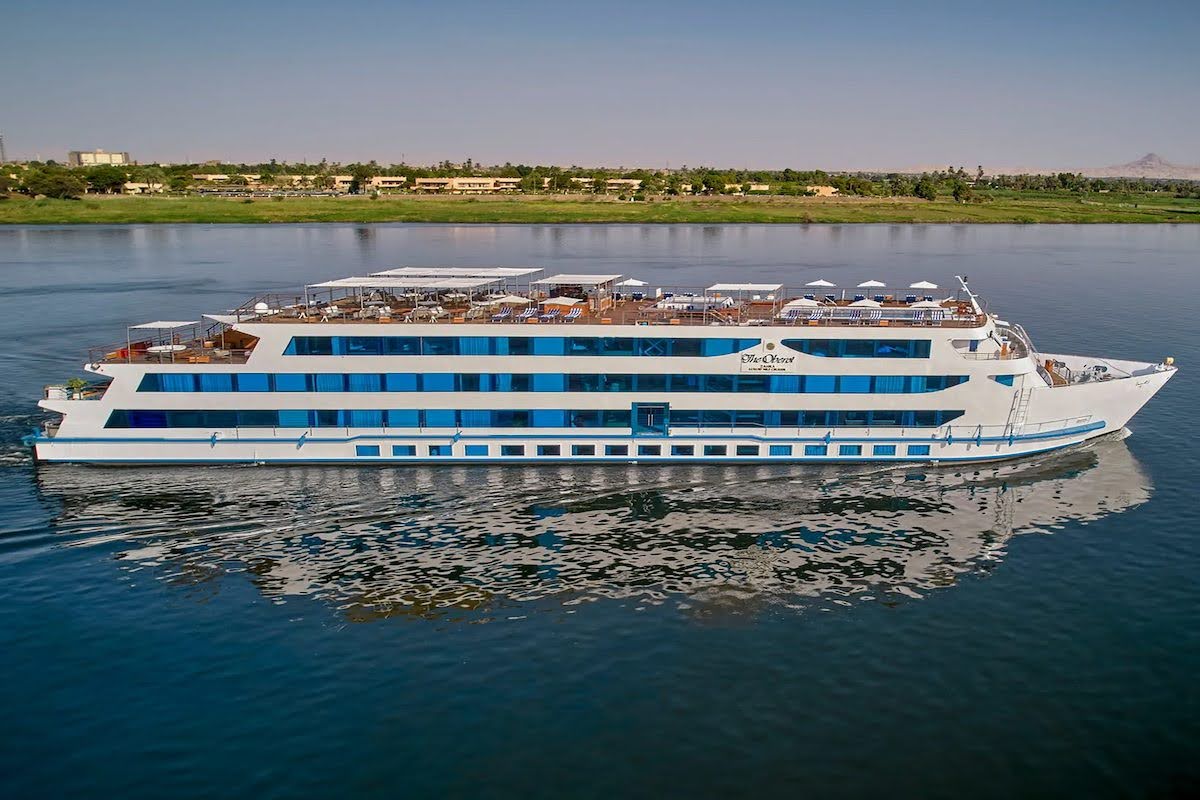
Experience Egypt's wonders with complete security and luxury comfort
Weighing the Risks vs Rewards
Egypt offers cultural treasures unmatched anywhere on Earth. Standing before the Great Pyramid last remaining Ancient Wonder creates profound connections across 4,500 years. Sailing the Nile past temples where pharaohs worshipped evokes history's grandeur. Diving Red Sea reefs bursting with marine life offers natural splendor complementing historical magnificence.
These once-in-a-lifetime experiences come with manageable safety concerns rather than prohibitive risks. Millions of tourists visit Egypt annually and return home safely, enriched by experiences impossible to replicate elsewhere. The country's dependence on tourism drives genuine commitment to visitor safety.
Reasonable precautions traveling with reputable operators, maintaining cultural awareness, following basic security practices effectively manage the risks that do exist. For most American travelers, Egypt presents lower actual danger than media coverage suggests.
The rewards of experiencing Egypt's extraordinary heritage, warm hospitality, and breathtaking landscapes vastly outweigh the manageable challenges of visiting a developing nation with different security dynamics than the US.
Who Should Reconsider?
Certain travelers may find Egypt's current conditions challenging or inappropriate for their circumstances:
Those uncomfortable with developing world travel may struggle with infrastructure inconsistencies, service variations, and cultural differences beyond just safety concerns. Egypt demands flexibility and patience that seasoned travelers possess but first-time international visitors might find overwhelming.
People requiring immediate access to advanced medical care for chronic conditions should carefully evaluate whether Egypt's healthcare infrastructure meets their needs. While Cairo and resorts have quality facilities, serious conditions requiring specialized treatment may necessitate evacuation.
Travelers unable or unwilling to adapt to cultural differences conservative dress expectations, male-dominated public spaces, different concepts of personal space and privacy may experience constant friction rather than enriching cultural exchange.
Those seeking zero-risk environments won't find them in Egypt or anywhere else. However, travelers requiring absolute security assurance beyond what intensive but imperfect protection provides should reconsider until they're comfortable with inherent uncertainties in international travel.
Our Recommendation
Egypt remains safe for American tourists who take reasonable precautions and travel with reputable operators. The combination of Egypt's security investments, tourism industry's economic importance, and professional operator expertise creates conditions enabling safe, extraordinary experiences.
Luxury travel significantly enhances both safety and comfort. Private guides, premium accommodations, VIP services, and 24/7 support transform potential stressors into seamless experiences. The additional investment in quality services provides returns in security, convenience, and peace of mind worth far more than the monetary cost.
Partner with experienced Egypt specialists like Luxury Egypt who maintain in-country presence, employ vetted staff, and provide comprehensive support. Our decade-plus experience navigating Egypt's complexities ensures your safety while delivering the magnificent experiences that make Egypt unforgettable.
Trust in Egypt's genuine commitment to tourist safety. The country recognizes that its economic recovery and future prosperity depend on visitors feeling secure and welcomed. From government security investments to individual guides' livelihoods, everyone involved wants your visit to be safe and exceptional.
Don't let fear prevent extraordinary experiences. Life's most meaningful moments often occur when we venture beyond comfort zones with appropriate preparation. Egypt offers rewards historical connection, cultural insight, natural beauty that passive consumption of documentaries or online content can never replicate.
Ready to safely explore Egypt's timeless wonders? Contact Luxury Egypt for expertly planned, secure luxury adventures combining comprehensive safety measures with unforgettable experiences. Let us handle every detail while you focus on the journey of a lifetime.
Frequently Asked Questions
Is Egypt safe for American tourists in 2024?
Yes, Egypt is generally safe for American tourists, especially in major tourist areas with heavy security presence. A record 15.7 million tourists visited Egypt in 2024, indicating international confidence in the country's safety. Tourist zones maintain intensive security protocols, and incidents affecting visitors are extremely rare.
What is the biggest safety concern in Egypt?
Petty crime like pickpocketing, tourist scams, and overcharging represent the most common issues, not violent crime or terrorism. Traffic chaos, particularly in Cairo, poses greater daily risk than security threats. Standard travel precautions effectively prevent most petty crime incidents.
Are the Pyramids safe to visit?
Yes, the Pyramids have extensive security including Tourism Police, military presence, checkpoints, and metal detectors. The Giza pyramid complex ranks among Egypt's most heavily protected tourist sites. Millions visit annually without incident, making it one of the country's safest attractions.
Is it safe for women to travel alone in Egypt?
Yes, with normal precautions including modest dress, avoiding isolated areas at night, and staying in reputable accommodations. Many women travel Egypt solo successfully. Cultural awareness and firm but polite responses to unwanted attention enable comfortable, safe experiences for female travelers.
Should I avoid Cairo due to safety concerns?
No, Cairo's tourist areas are heavily secured and millions visit safely. Egypt's homicide rate is 1.3 per 100,000 compared to 6.4 in the United States. Traffic is the main concern, not crime. Staying in established tourist districts, using reputable transportation, and following standard urban safety practices ensures safe Cairo visits.