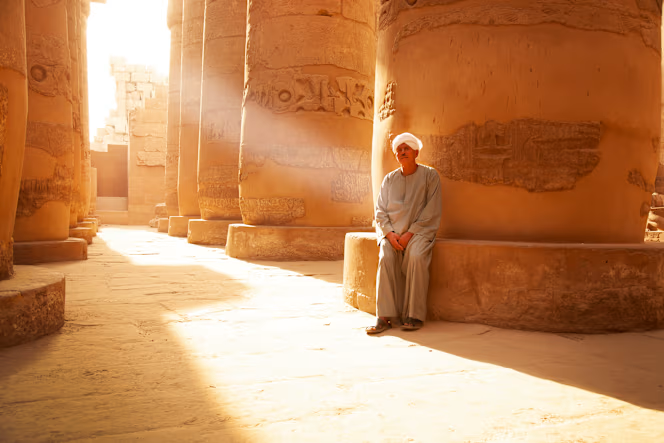
Timing is everything when planning a luxury journey to Egypt. You've dreamed of standing before the Great Pyramids, cruising the Nile in five-star comfort, and exploring ancient temples without jostling through crowds. However, choosing when to visit can dramatically transform your experience from magical to merely manageable. The best time to travel to Egypt hinges on your priorities: perfect weather, exclusive experiences, or strategic value during shoulder seasons. Understanding Egypt's seasonal rhythms and current travel advisories allows you to craft an unforgettable journey that aligns with your expectations for comfort, cultural immersion, and the impeccable service you deserve.
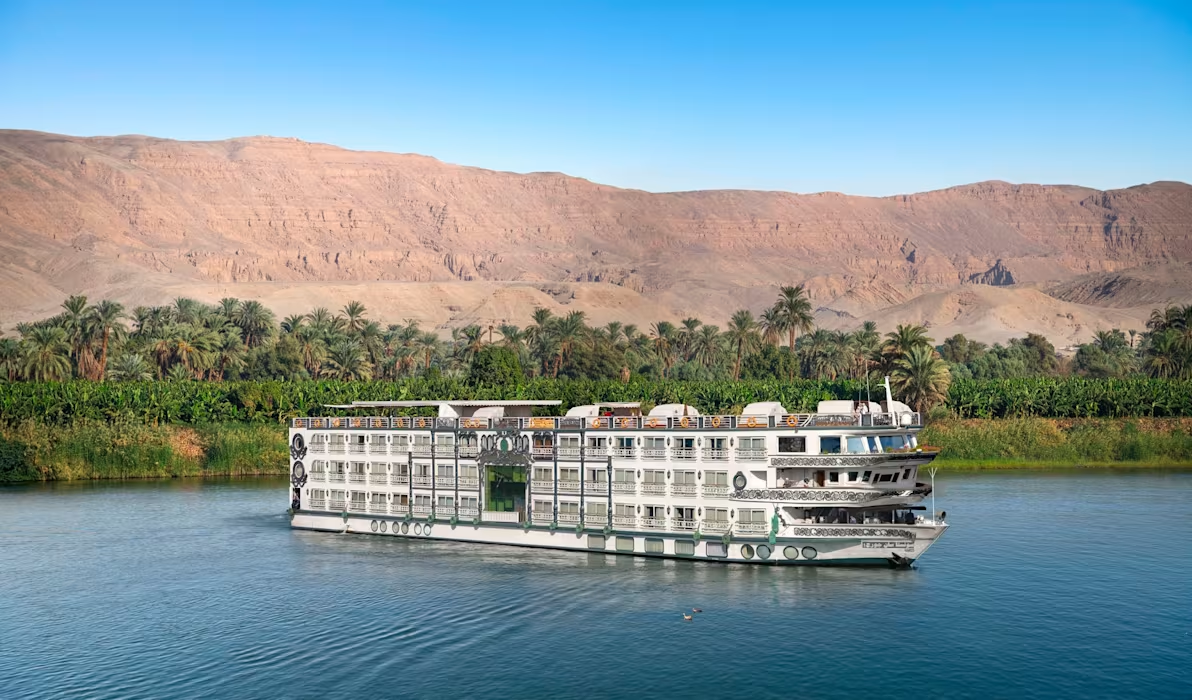
Experience Egypt's timeless beauty from the comfort of a five-star Nile cruise during optimal winter months
Understanding Egypt's Climate and Seasons
Egypt's Two Main Seasons: Winter and Summer
Egypt's climate operates on a refreshingly simple two-season system that differs considerably from the four-season cycle you're accustomed to in North America. The winter season, spanning October through April, brings mild, comfortable temperatures ideal for exploration and outdoor activities. Conversely, the summer months from May through September deliver intense heat that can reach triple digits, particularly in southern regions like Luxor and Aswan.
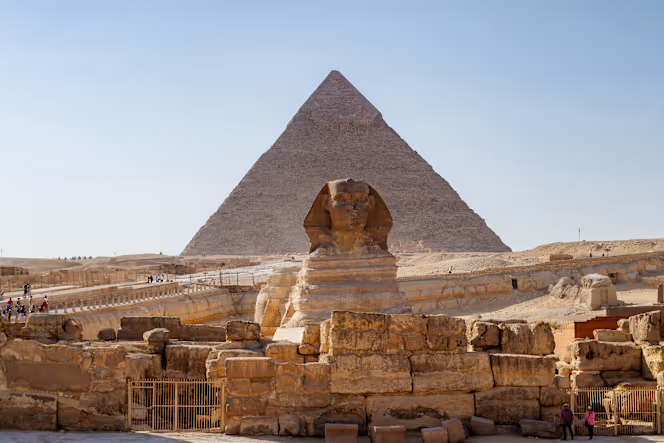
Winter's mild temperatures create perfect conditions for comprehensive exploration of Egypt's archaeological treasures
This binary climate pattern means you'll experience dramatically different conditions depending on your travel dates. Winter days typically range from 70-80°F in Cairo and the Delta region, while Upper Egypt remains slightly warmer but still pleasant. Summer temperatures, however, regularly exceed 100°F, with Aswan frequently recording some of the world's highest temperatures during peak months.
Regional Climate Variations Across the Country
Egypt's vast geography creates distinct microclimates that sophisticated travelers should understand before finalizing their itinerary. The Mediterranean coastal areas, including Alexandria, enjoy cooler temperatures and occasional winter rainfall, while the Red Sea resorts like Sharm el-Sheikh maintain warm conditions year-round with minimal precipitation. Cairo occupies a middle ground with moderate winter temperatures and hot, dry summers.
The southern cities of Luxor and Aswan present the most extreme conditions, particularly during summer when temperatures become genuinely oppressive for sightseeing. Conversely, these same destinations offer spectacular winter weather with warm days and pleasantly cool evenings perfect for sunset cocktails on your private Nile cruise terrace. The Western Desert oases experience dramatic day-night temperature swings, with winter evenings requiring warm layers despite sunny afternoons.
How Weather Impacts Luxury Travel Experiences
Weather conditions directly influence the quality of your luxury Egypt experience in ways that extend beyond simple comfort. Extreme summer heat limits your ability to explore outdoor archaeological sites during midday hours, forcing you to schedule temple visits during early morning or late afternoon when lighting may not be optimal for photography. Additionally, the intense sun can make standing on uncovered stone surfaces physically uncomfortable, even with premium guided experiences.
Conversely, the best time to travel to Egypt from a weather perspective allows you to enjoy extended site visits, leisurely walks through temple complexes, and open-air dining experiences that showcase Egyptian cuisine at its finest. Winter's mild temperatures also mean your luxury accommodations' outdoor amenities—rooftop terraces, pool areas, and garden restaurants become genuine highlights rather than areas you'll avoid during the heat of the day.
The Best Time to Travel to Egypt: October Through April
Why Winter Months Offer Peak Luxury Experiences
The period from December through February represents Egypt's high season for excellent reasons that particularly appeal to discerning travelers. During these months, daytime temperatures hover in the ideal 70-75°F range, creating perfect conditions for exploring pyramids, temples, and tombs without the distraction of overwhelming heat. Your private guides can conduct comprehensive tours without rushing through sites, and you'll genuinely enjoy walking through bazaars and historic neighborhoods.
Furthermore, winter coincides with optimal conditions for premium experiences that define luxury Egypt travel. Your Nile cruise will feature comfortable deck time where you can watch the Egyptian landscape unfold while sipping champagne, rather than retreating to air-conditioned cabins. Evening entertainment, whether at historic hotels or specially arranged private events at archaeological sites, becomes infinitely more enjoyable under clear, comfortable skies. The mild weather also allows for early morning hot air balloon rides over Luxor's West Bank—an experience that would be considerably less pleasant during summer's oppressive heat.
Shoulder Season Advantages: October-November and March-April
Sophisticated travelers often find the shoulder seasons offer the best time to travel to Egypt when balancing weather, crowds, and value. October and November present warm but manageable temperatures as summer's extreme heat gradually subsides, while March and April deliver spring-like conditions before the scorching summer arrives. During these periods, you'll encounter fewer tourists at major attractions, meaning more intimate experiences at the Pyramids of Giza and Valley of the Kings.
The shoulder months also provide strategic advantages for securing premium accommodations and private guides at better rates than the December-February peak. Your luxury tour operator can often arrange exclusive access to sites or special experiences that become more complicated to schedule during high season. Additionally, the slightly warmer temperatures during April make Red Sea beach destinations particularly appealing, allowing you to combine cultural exploration with resort relaxation seamlessly.
Temperature Ranges and What to Expect
Understanding specific temperature expectations helps you pack appropriately and plan daily activities effectively. In Cairo during winter months, expect daytime highs of 65-75°F with evening lows dipping to 50-55°F—comfortable for sightseeing but requiring a light jacket for dinner. Luxor and Aswan maintain warmer conditions even in winter, with daytime temperatures reaching 75-85°F and minimal evening cooling.
Spring and fall shoulder seasons bring slightly warmer conditions, with March-April and October-November temperatures ranging from 75-90°F depending on location and specific timing. These ranges remain entirely manageable for luxury travel, particularly when your itinerary incorporates strategic rest periods at five-star hotels and scheduled indoor experiences during the warmest afternoon hours. For detailed climate statistics, you can reference comprehensive weather data to plan your perfect timing. The key advantage over summer becomes apparent when you consider that June-August temperatures regularly exceed 100°F, with limited opportunities for comfortable outdoor exploration regardless of your schedule.
Matching Your Travel Goals to the Best Time to Visit
Best Time for Nile River Cruises
Nile cruises represent the quintessential luxury Egypt experience, and timing significantly impacts your enjoyment of this iconic journey. The absolute best time to travel to Egypt for Nile cruising spans from October through April when comfortable temperatures allow you to maximize time on outdoor decks, observe riverside life, and enjoy al fresco dining under the stars. Winter months particularly enhance the cruising experience, as you'll witness Egypt's agricultural landscapes at their greenest following limited rainfall.
December through February offers peak conditions for luxury Nile cruises, though this popularity means potentially sharing popular sites with other vessels. If you prefer a more exclusive experience, consider November or March when fewer ships navigate the river but weather remains excellent. Additionally, spring timing allows you to witness the desert landscapes' subtle blooming following winter rains—a phenomenon few travelers know to anticipate but that adds unexpected beauty to your journey between Luxor and Aswan.
Optimal Months for Desert Adventures and Oases
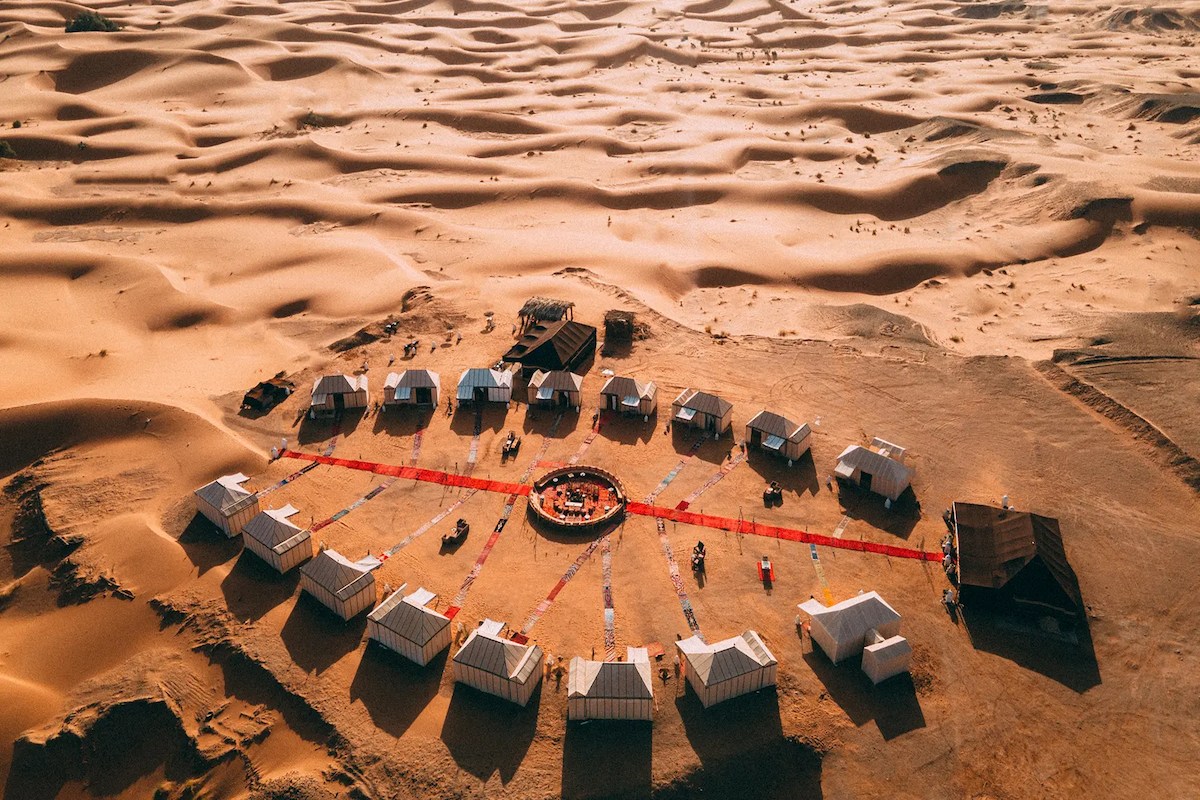
November through March offers ideal conditions for exclusive desert experiences in Egypt's spectacular Western Desert
Western Desert exploration demands careful timing to ensure comfortable and safe experiences in Egypt's remote oases and white desert landscapes. The period from November through March provides ideal conditions for luxury desert camping, 4x4 expeditions, and oasis touring, with daytime temperatures warm enough for exploration but not dangerously hot. Evening temperatures in the desert drop considerably during winter, creating perfect stargazing conditions but requiring quality cold-weather gear for outdoor dining experiences.
The Siwa Oasis, Bahariya Oasis, and White Desert become particularly appealing during the cooler months when you can comfortably explore on foot and appreciate the surreal limestone formations without heat-induced fatigue. Premium tour operators offering luxury desert experiences typically schedule these adventures between November and February, when overnight camping remains comfortable despite significant day-night temperature variations that can reach 40-50°F differences.
Peak Season for Cairo's Museums and Ancient Sites
Cairo's world-class museums and the Giza Plateau welcome visitors year-round, but the best time to travel to Egypt for these experiences remains the cooler months when outdoor exploration becomes genuinely pleasurable. The Egyptian Museum, soon to be complemented by the spectacular Grand Egyptian Museum, offers climate-controlled comfort regardless of season, but visiting the Pyramids of Giza and Saqqara requires consideration of weather conditions.
Winter months from November through March allow for comprehensive exploration of outdoor archaeological sites without rushing through abbreviated tours due to heat. You'll appreciate the ability to spend adequate time at each pyramid, explore the Solar Boat Museum thoroughly, and even venture into pyramid interiors without feeling rushed by oppressive temperatures. Additionally, winter's lower angle sunlight creates dramatic shadows and lighting conditions that significantly enhance photography—an important consideration for capturing memories of your once-in-a-lifetime journey.
What to Avoid: Summer Travel Challenges in Egypt
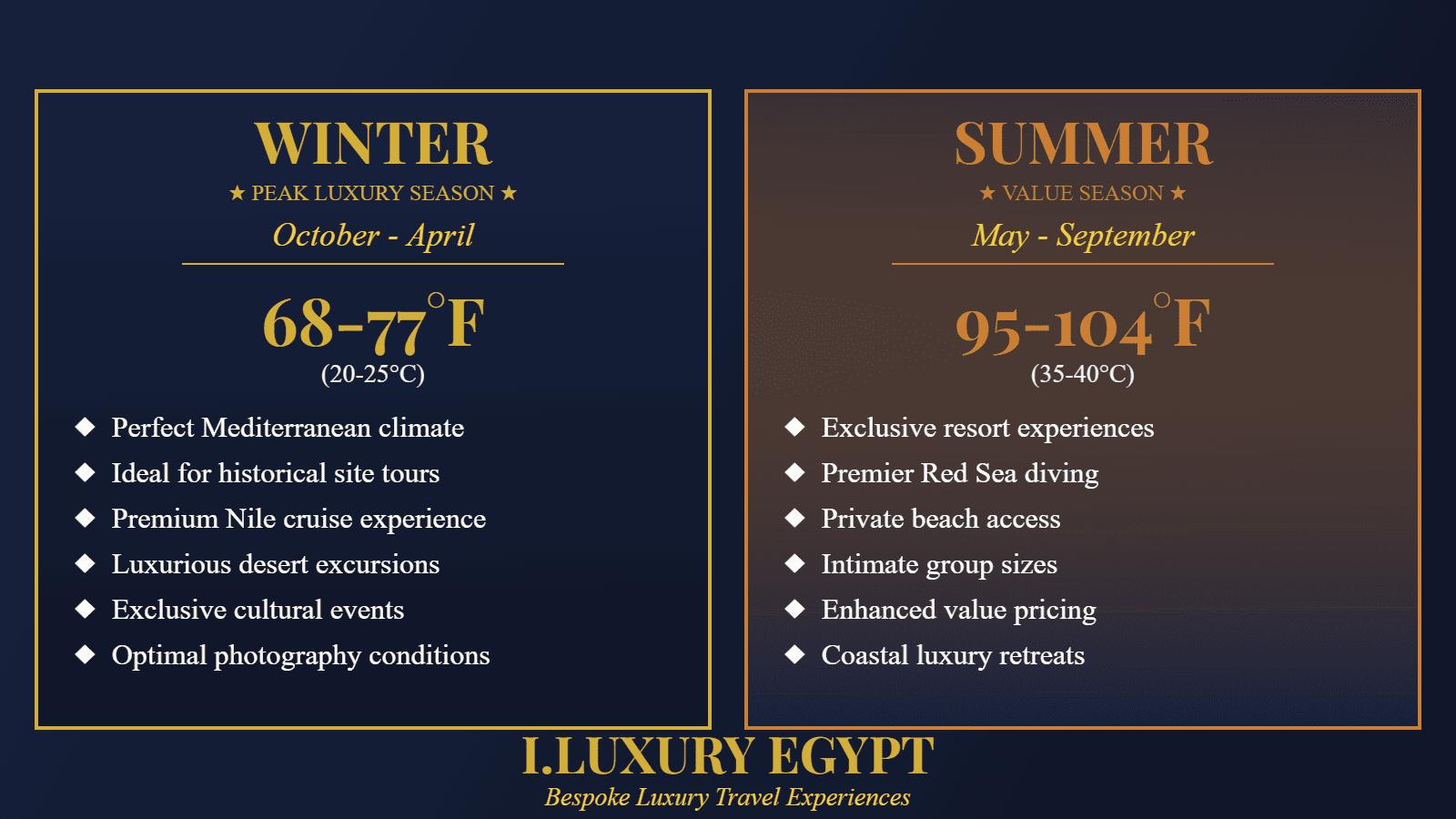
Seasonal timing dramatically impacts your Egypt experience choose wisely for maximum comfort
Extreme Heat and Its Impact on Sightseeing
Summer travel to Egypt presents genuine challenges that even luxury accommodations and private transportation cannot entirely mitigate. June through August temperatures regularly exceed 100°F in Cairo and the Delta, while Upper Egypt destinations like Luxor frequently record temperatures of 110-115°F during peak heat. This extreme warmth fundamentally limits your ability to enjoy outdoor archaeological sites, regardless of how early you start your day.
The heat affects more than just comfort—it impacts safety and the practical duration of outdoor activities. Temple visits that might take two hours during winter must be compressed into 45-minute early morning expeditions before heat becomes dangerous. Even with private guides, air-conditioned vehicles, and cold refreshments, the reality of standing on sun-baked stone surfaces examining hieroglyphics at midday becomes genuinely unpleasant and potentially hazardous. For travelers accustomed to premium experiences, summer's limitations often prove frustrating and incompatible with the comprehensive cultural immersion you're seeking.
Ramadan Considerations for Luxury Travelers
Ramadan, Islam's holy month of fasting, moves approximately 11 days earlier each year on the Western calendar, affecting travel planning differently depending on when you visit. During Ramadan, Muslims fast from dawn until sunset, which means many restaurants remain closed during daylight hours and street life follows altered rhythms. While luxury hotels continue serving meals to non-Muslim guests, the overall atmosphere changes, and certain cultural experiences become limited or modified.
For sophisticated travelers seeking authentic cultural engagement, visiting during Ramadan offers unique opportunities to witness special prayers and iftar (fast-breaking) celebrations. However, if your priority is seamless luxury service and unrestricted dining options, avoiding Ramadan months proves advisable. Your tour operator can provide specific Ramadan dates for your preferred travel year, allowing you to make informed decisions based on your travel style and priorities.
Crowds During Egyptian Holidays and School Breaks
Egyptian national holidays and school vacation periods significantly impact crowd levels at popular tourist destinations. The period around Eid al-Fitr (following Ramadan) and Eid al-Adha brings domestic travelers to major sites in considerable numbers, creating crowding even at typically serene locations. Additionally, Egyptian school breaks during January and summer months mean popular attractions like the Pyramids and Egyptian Museum experience increased local visitor traffic.
International crowd patterns also influence your experience, with European winter holidays (Christmas through New Year's) bringing peak tourist numbers to Egypt. If your priority is exclusive experiences and minimal crowds, consider visiting during November, early March, or late April when both domestic and international visitor numbers remain moderate. Your luxury tour operator can arrange early morning or after-hours private access to certain sites, though this becomes more challenging and expensive during peak holiday periods.
Month-by-Month Guide to Planning Your Egypt Tour
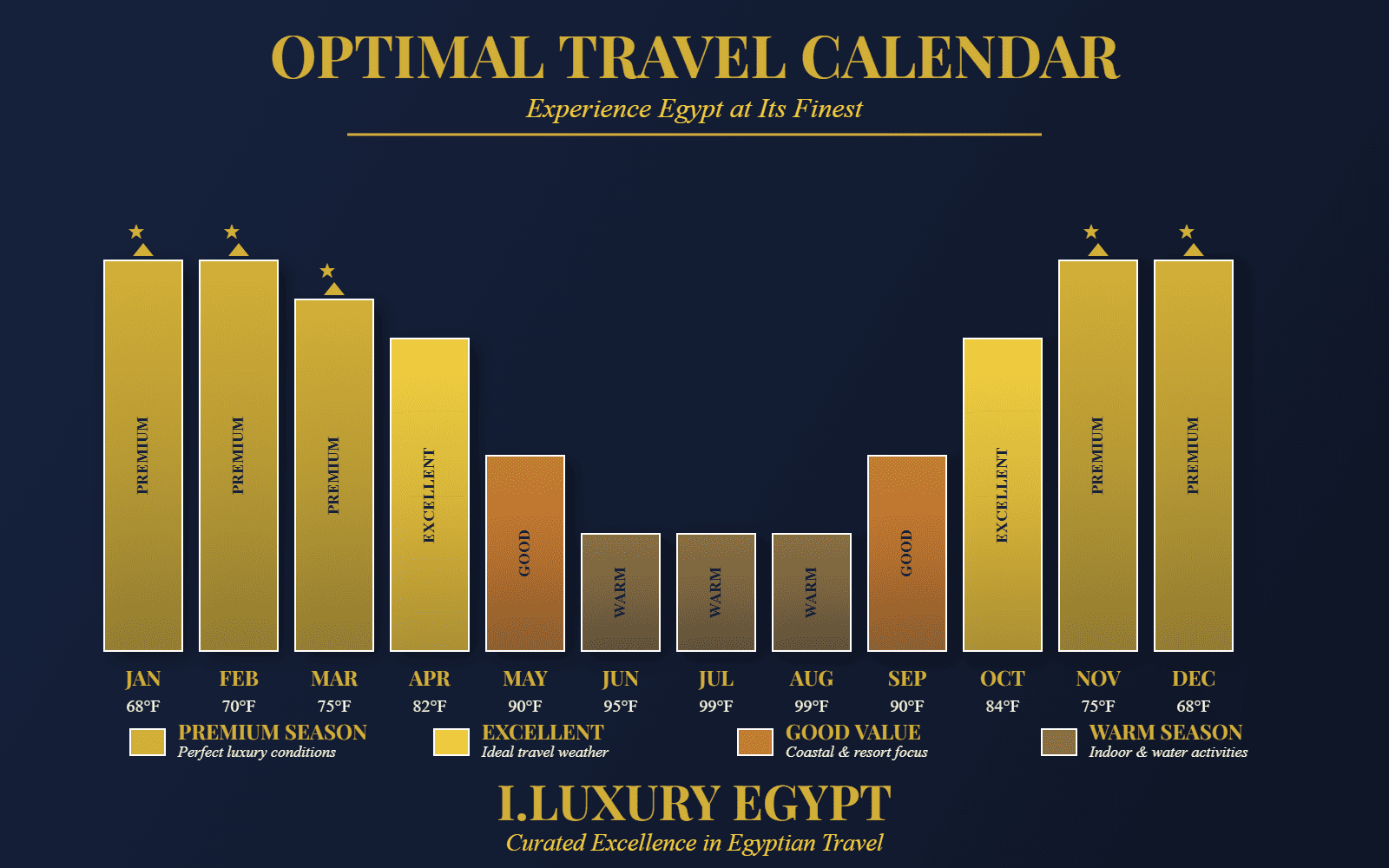
Plan your perfect Egypt timing with our month-by-month seasonal guide
High Season Excellence: December Through February
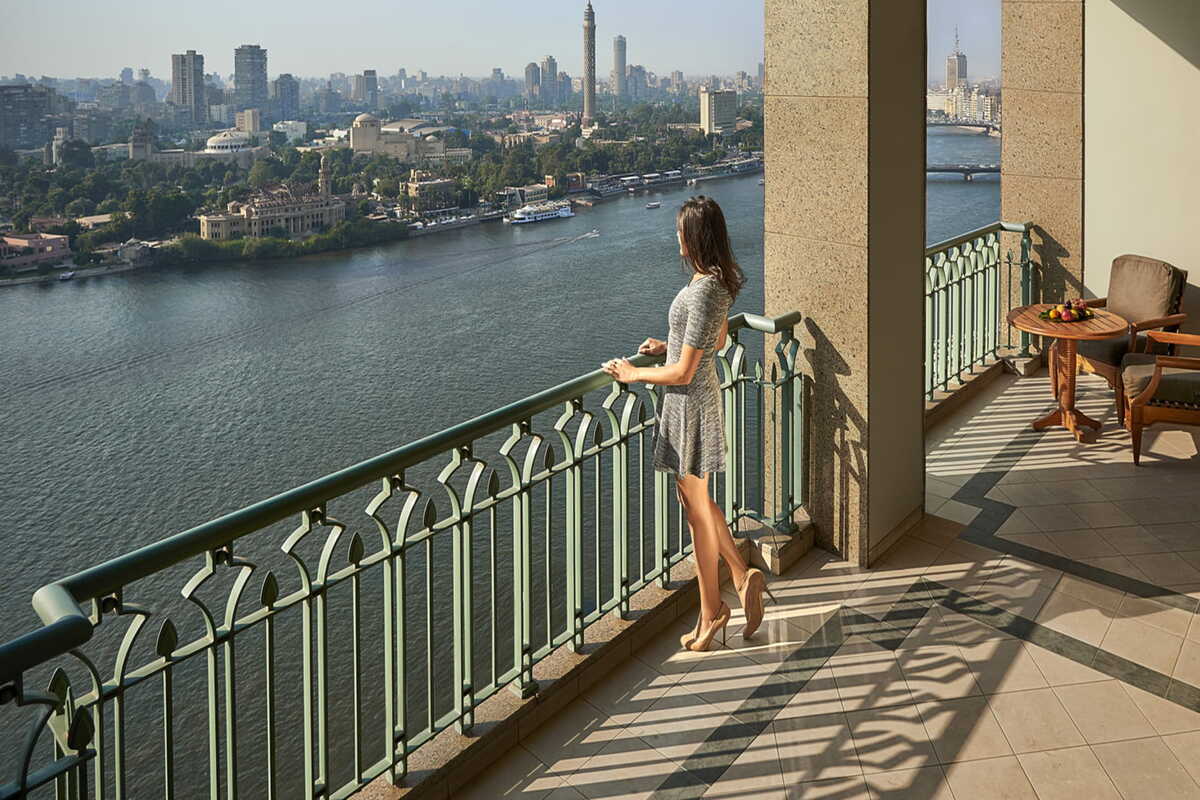
Pleasant winter evenings transform hotel amenities into genuine highlights of your Egyptian journey
December through February represents the best time to travel to Egypt for travelers who prioritize optimal weather and don't mind premium pricing or sharing sites with other sophisticated travelers. December and January offer perfect temperatures for all activities, from pyramid exploration to Nile cruising, with daytime conditions ranging from 65-75°F in Cairo and slightly warmer in Upper Egypt. This period also coincides with North American and European winter, making it ideal for escaping cold-weather climates.
The Christmas and New Year period (late December through early January) brings peak crowds and premium rates across all luxury properties and tour services. However, if you book well in advance and work with an experienced luxury tour operator, you can secure exceptional experiences despite the popularity. February offers a sweet spot with continued excellent weather but slightly diminished crowds as the holiday rush subsides, often representing the best value within the high season.
Spring Perfection: March Through May
Spring months deliver exceptional conditions for luxury Egypt travel, with March and April representing particularly advantageous timing. Temperatures gradually warm through these months, starting with mild, comfortable conditions in March (70-80°F) and progressing to warmer but still manageable ranges in April (75-90°F). The landscape retains some greenery from winter rains, creating more photogenic scenery than summer's parched conditions.
May begins transitioning toward summer heat, particularly in Upper Egypt where temperatures can reach 95-100°F, but Cairo and the Delta region remain accessible with strategic scheduling. Early May often provides excellent value as high season pricing gives way to shoulder season rates while weather remains quite pleasant. This period works particularly well for itineraries emphasizing Mediterranean and Red Sea coastal regions where sea breezes moderate temperatures effectively. For more information about seasonal events and cultural happenings, consult Egypt's official tourism resources.
Strategic Planning for Off-Peak Value
Savvy luxury travelers can find exceptional value during specific off-peak windows without sacrificing experience quality. Late April typically offers a balance of good weather, minimal crowds, and favorable pricing as high season concludes. Similarly, early November provides comfortable conditions as temperatures cool from summer extremes while attracting fewer tourists than the December rush.
If you're willing to accept warmer conditions in exchange for significant savings and exclusive site access, October presents opportunities in northern Egypt while southern destinations remain quite hot. Working with a luxury tour operator who understands seasonal variations allows you to craft itineraries that maximize comfort even during typically challenging months—perhaps combining a brief cultural tour with extended Red Sea resort time where summer heat becomes a beach vacation asset rather than a liability.
Frequently Asked Questions
What is the cheapest time to visit Egypt? Summer months (June-August) offer the lowest prices, with discounts of 30-50% on luxury accommodations and tours. However, extreme heat severely limits comfortable sightseeing. May and September provide better value-weather balance with moderate discounts and manageable temperatures.
Is Egypt too hot in summer for tourists? Yes, summer is extremely challenging with temperatures exceeding 100°F in Cairo and 110°F in Luxor. Outdoor exploration becomes difficult and potentially dangerous during midday. Most travelers find summer heat incompatible with comprehensive touring Egypt's archaeological sites properly.
When is the best time to travel to Egypt for couples? Couples should target shoulder seasons (October-November or March-April) or winter (December-February) for romantic experiences. These months offer comfortable temperatures, fewer crowds, and excellent opportunities for intimate dinners at temple sites and secluded Nile cruise moments.
How far in advance should I book a luxury Egypt tour? Book 6-9 months ahead for high season (December-February) to secure finest accommodations and experienced guides. Shoulder seasons require 3-6 months advance booking. Truly customized experiences with special arrangements demand longer lead times regardless of season.
What should I pack for Egypt depending on the season? Winter requires layers, light jackets, and sun protection. Summer demands lightweight, breathable fabrics and serious sun protection including wide-brimmed hats. Year-round essentials include modest clothing covering shoulders and knees, comfortable walking shoes, and reef-safe sunscreen.
Conclusion
Determining the best time to travel to Egypt depends on balancing your priorities: weather comfort, crowd levels, and value considerations. For most luxury travelers, the October through April window delivers optimal conditions, with December through February offering peak experiences and shoulder months providing excellent weather with fewer visitors. Understanding Egypt's seasonal patterns allows you to craft a journey that aligns perfectly with your expectations for comfort, cultural immersion, and exclusive experiences. Ready to plan your perfectly timed Egyptian adventure? Contact our luxury travel specialists to design a customized itinerary that captures Egypt's timeless magic during the season that suits your travel style and preferences best.